Average Cost of Granite Countertops: How to Budget for a Stunning Kitchen Upgrade
When planning a kitchen remodel, one of the most significant decisions homeowners face selecting the ideal granite surface. Renowned for their durability, elegance, and timeless appeal, granite countertops have become a symbol of quality and luxury. Understanding the average cost of granite countertops is essential for effective budgeting and ensuring a smart investment in both aesthetics and functionality. Granite pricing is influenced by rarity, pattern uniqueness, and installation demands. Knowing what influences these costs can help you make informed choices that align with your vision and financial plan.
Granite is a natural stone formed over millions of years, and each slab is inherently unique. Pricing typically ranges from affordable standard slabs to premium exotic materials exceeding hundreds per square foot. Granite cost depends on quality, veining, and provenance. For instance, Brazilian and Italian granites are often priced higher due to their superior quality and exotic appearance. Choosing thicker slabs increases both longevity and price.
Another critical factor is fabrication and installation. Properly installing granite involves careful cutting, edge work, and fixture integration. Professional installation ensures that the countertop is level, seams are minimal, and the stone is properly sealed. Installation represents a significant investment and directly impacts durability and overall appearance. Homeowners often overlook this aspect, focusing only on the raw material price, which can lead to budget surprises if not planned carefully.
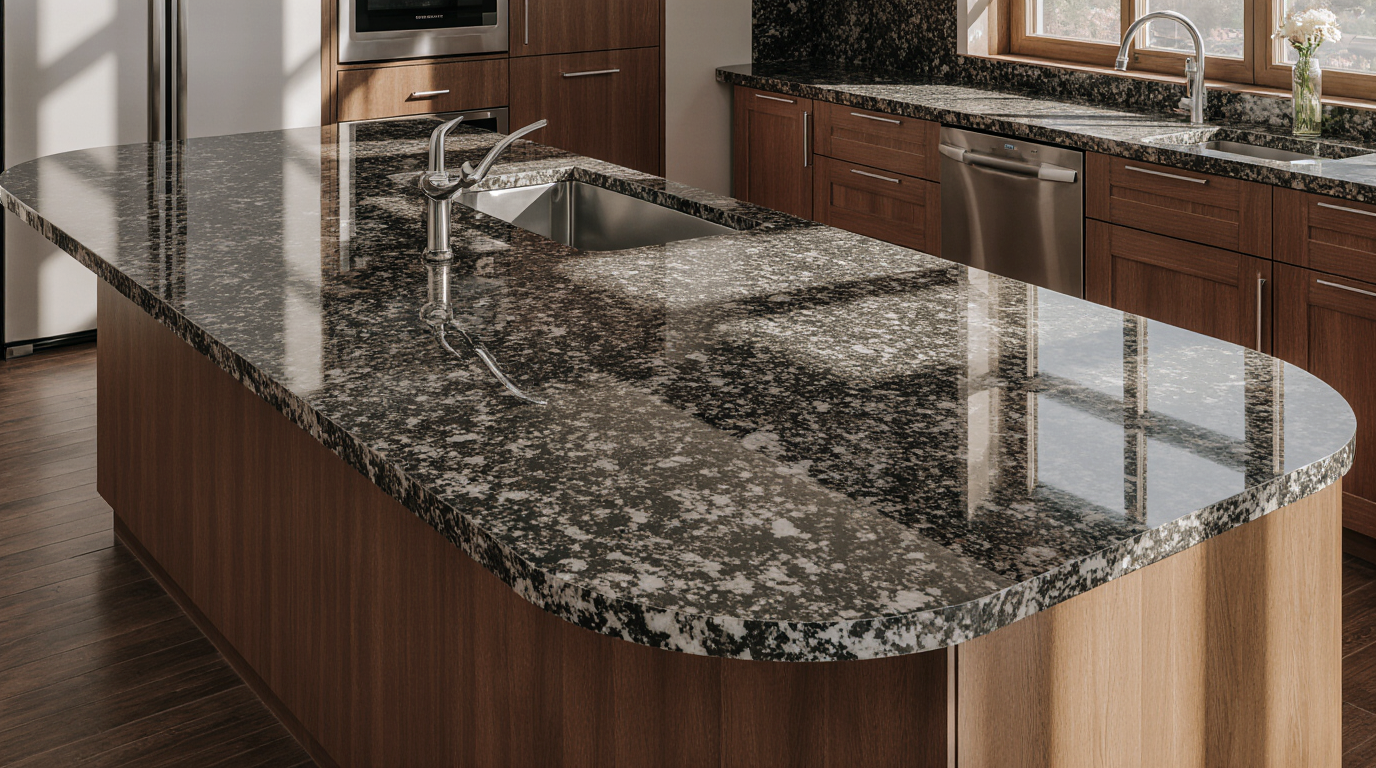
Personalized features affect total pricing. Complex edging and decorative profiles require skilled work, impacting the budget. Integrated sinks or unique cutouts for cooktops, faucets, and other fixtures add complexity to the project. Even the choice of finish, whether polished, honed, or leathered, can slightly adjust the price, while enhancing the overall aesthetic and functionality. The beauty of granite lies in its ability to balance visual appeal with long-term durability, making these choices worthwhile investments for both style and practicality.
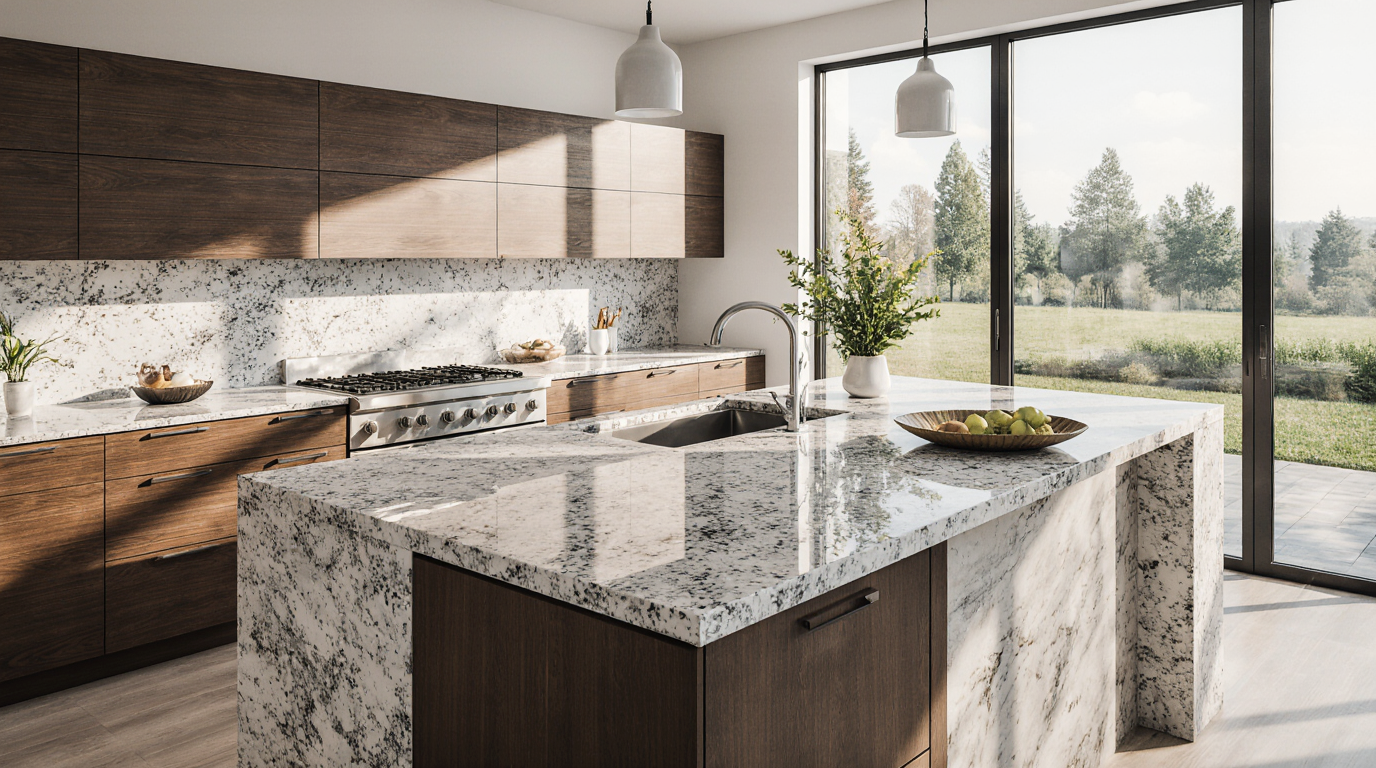
Configuration impacts material usage, cutting waste, and installation complexity. L-shaped, U-shaped, and island configurations require precise measurement and additional slabs, particularly for larger kitchens. Inefficient cutting of unique layouts adds to total material expenses. Allowing for excess material prevents project delays and ensures design fidelity. Strategic measurement ensures aesthetic consistency and cost control.
Ongoing care is a factor in total investment. Routine sealing preserves appearance and strengthens stone protection. Regular treatment prolongs lifespan and sustains luxury appeal. Minor upkeep costs are outweighed by long-term resilience and aesthetics.
Cost-effective slabs provide accessible luxury without compromise. Using remnants or off-cuts is a smart strategy for savings. Local suppliers may offer discounts for in-stock inventory or for bulk purchases. Evaluating multiple sources balances quality and budget. Always verify quality to maintain value and longevity.
Local market conditions influence overall expenses. Location-driven price variation can be substantial. Stone provenance significantly affects price due to logistics. Reliable suppliers deliver both craftsmanship and authentic stone. The right granite investment balances luxury, function, and future home equity.
High-demand natural stone surfaces enhance marketability. Buyers are drawn to granite for its timeless elegance and durability. Initial expenses are offset by longevity, aesthetic value, and minimal upkeep. Smart budgeting allows premium results without financial strain.
In summary, the decision to install granite countertops combines aesthetic desires with practical considerations. Price is influenced by quality, customization, and installation intricacies. Awareness of influencing factors ensures wise investment. Investing in granite is not merely a cosmetic improvement; it is a statement of durability, elegance, and smart home design that resonates with both current enjoyment and long-term value.
Costs vary, yet informed choices guarantee satisfying outcomes. From exotic patterns to classic neutral tones, granite offers unmatched versatility and enduring beauty, ensuring that every kitchen project achieves the perfect balance between style, quality, and investment.