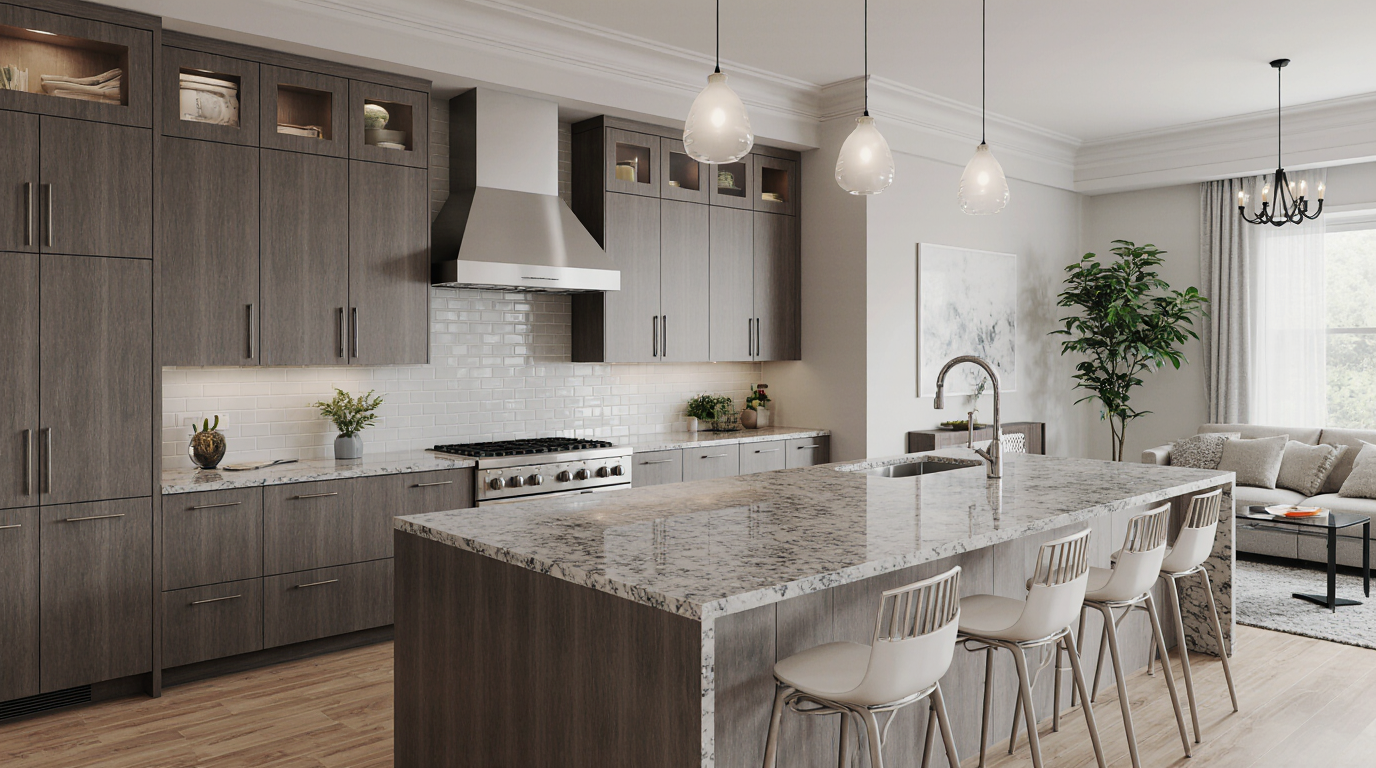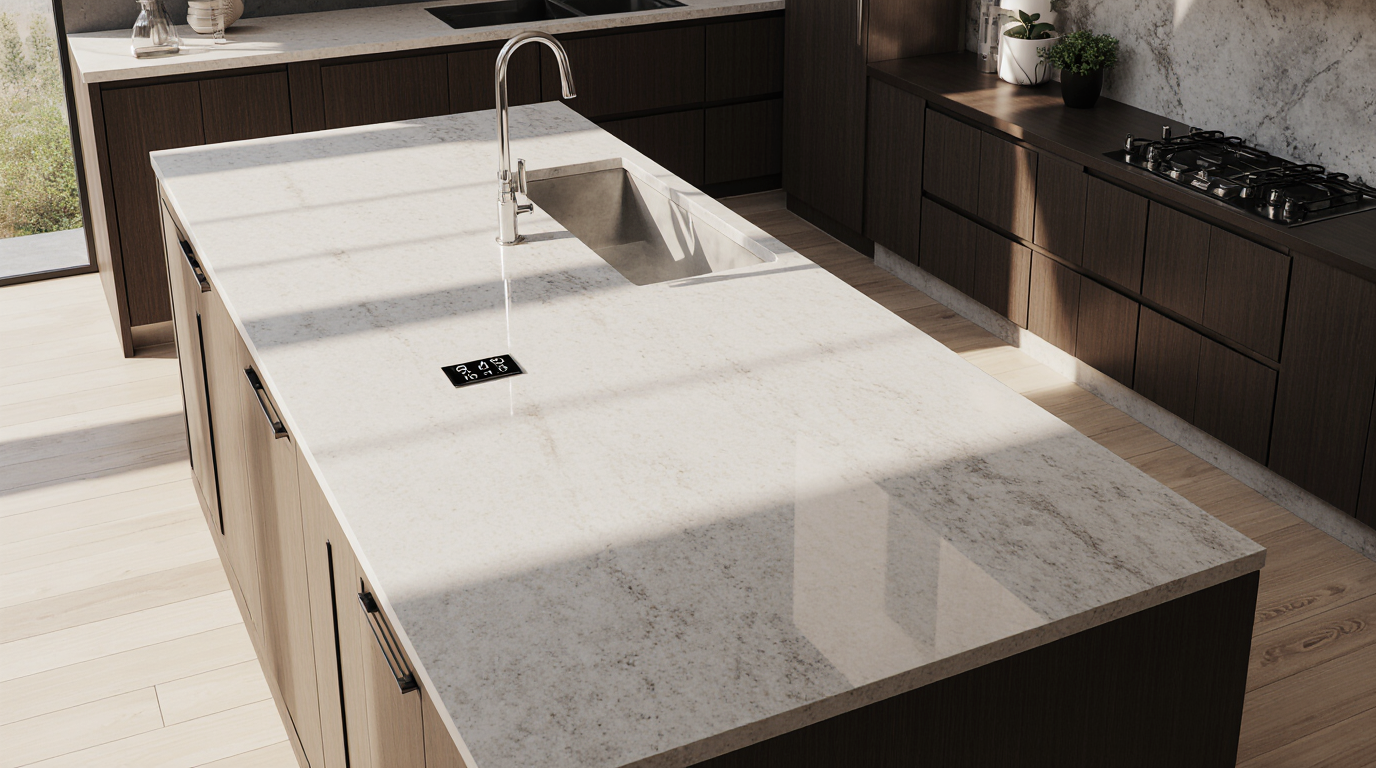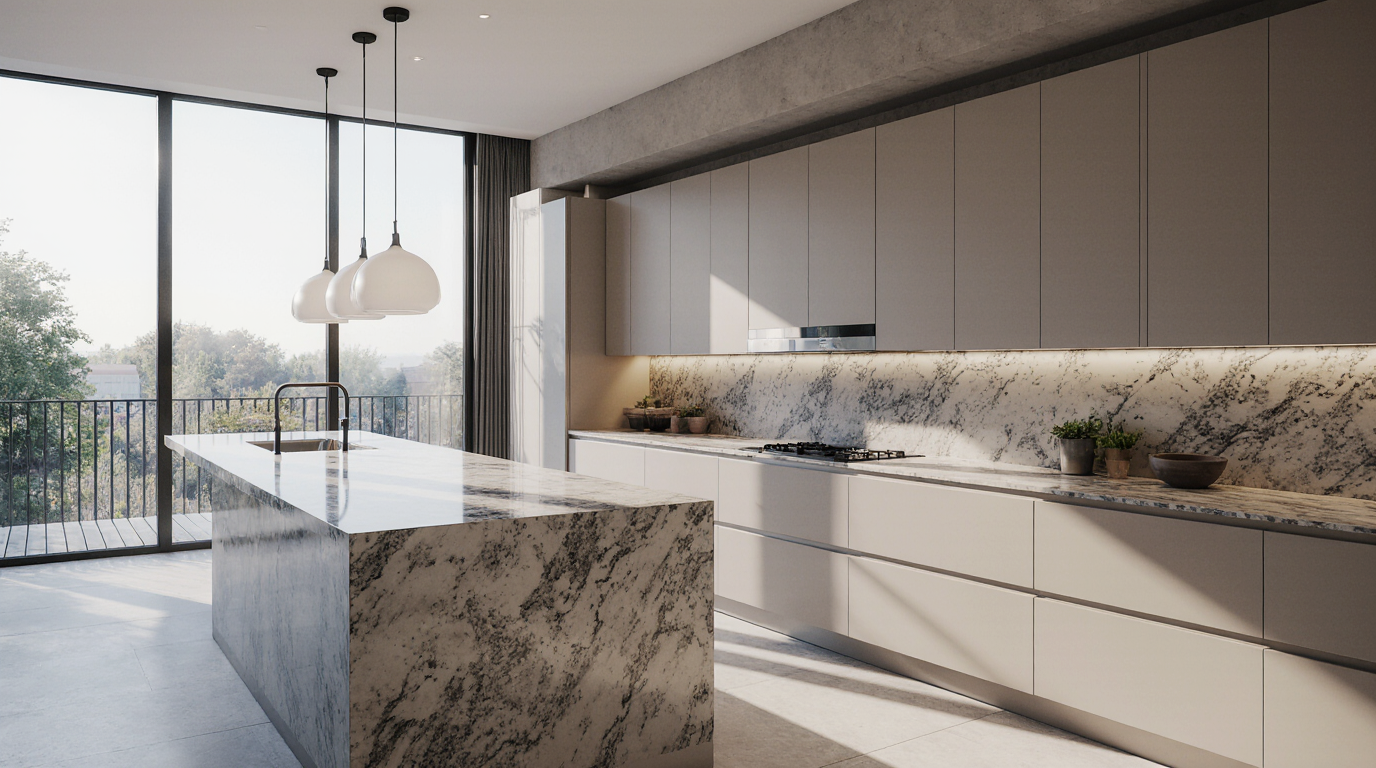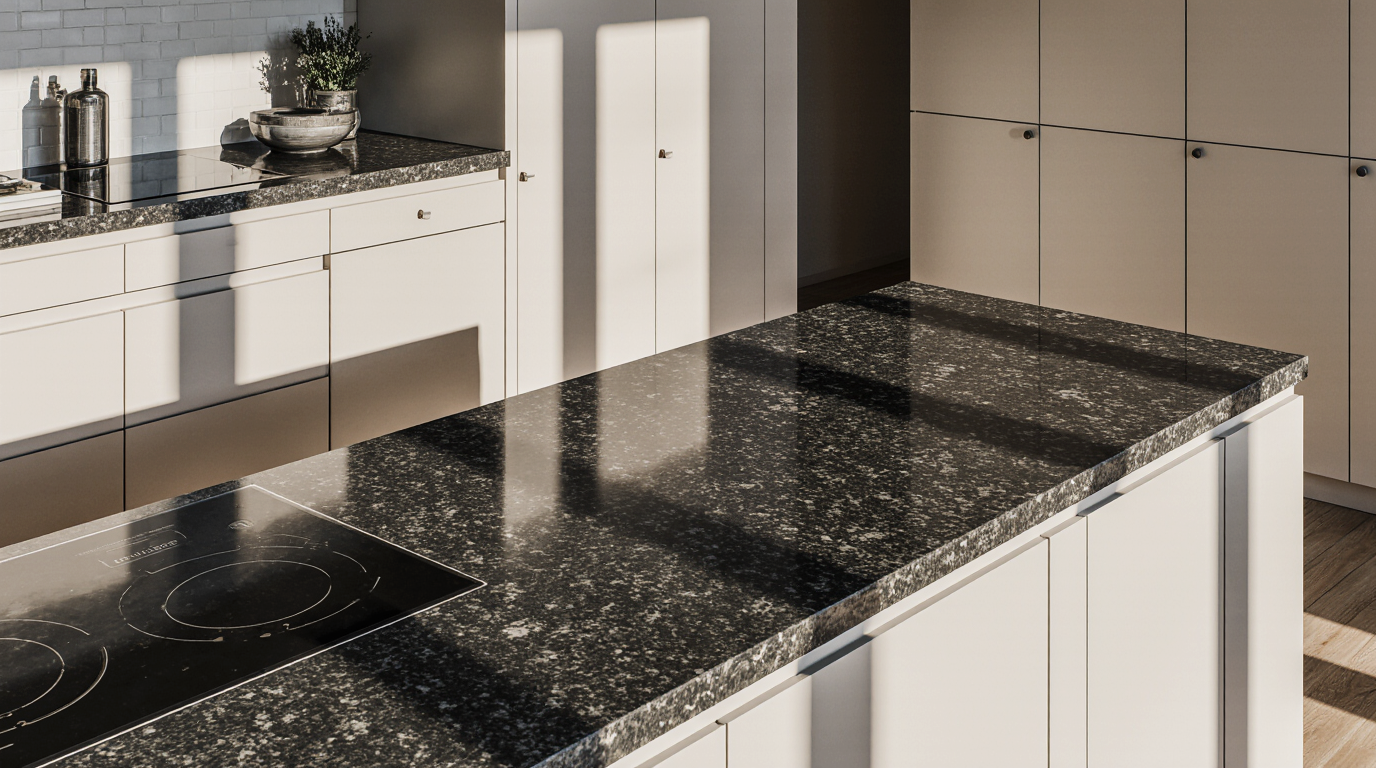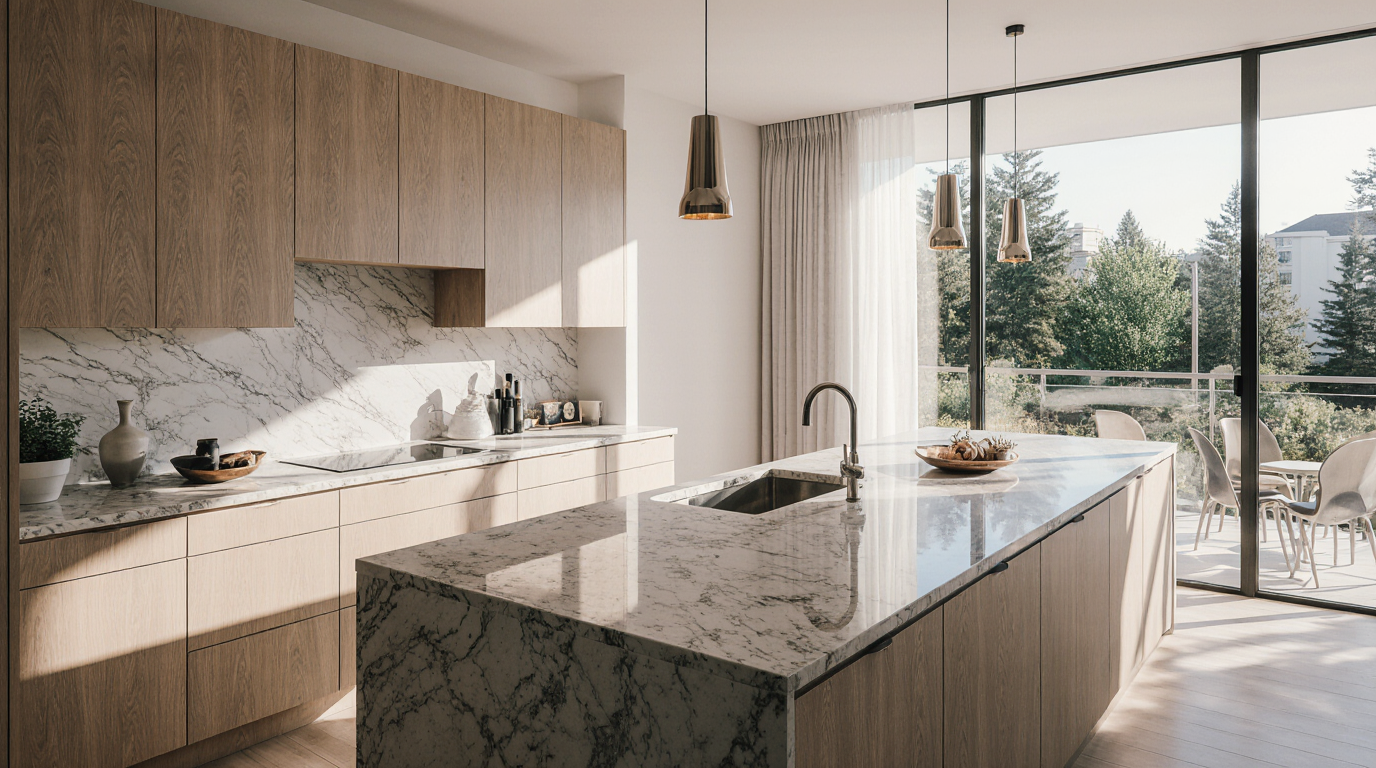
I was in a client's home in The Meadows, a lovely, established community in Sarasota. They had just installed “affordable” white quartz countertops from a discount supplier. From ten feet away, they looked great. But up close, the seam at the L-shaped corner was not only visible but slightly uneven, creating a tiny ledge. The client hadn't noticed, but I knew that in six months, that seam would be a dark, discolored line from dirt and moisture—a permanent blemish born from a rushed, low-cost fabrication job.
Executive Summary: Achieving Affordability Without Compromise
From my direct experience installing countertops across Sarasota County, the key to affordable quartz is not just
From my direct experience installing countertops across Sarasota County, the key to affordable quartz is not just finding a cheap slab; it's about understanding the total cost of ownership in our coastal climate. The real value comes from balancing material cost with fabrication precision and installation durability. A low upfront price often conceals shortcuts in sealing, seaming, and the quality of adhesives used, which can lead to staining and joint failure within a couple of years under the intense Florida sun and humidity. The most successful projects I've managed have prioritized fabrication quality over exotic patterns.
Here are the critical factors for a smart investment in Sarasota:
- Fabrication Source: Is the fabricator a high-volume shop using CNC machinery or a smaller operation with less precise equipment? This dictates seam quality.
- Resin Content: Lower-cost quartz can have a higher resin-to-stone ratio, making it more susceptible to yellowing from UV exposure, a major concern for kitchens with large windows facing the water.
- Installation Materials: Ask specifically about the brand of seam adhesive and silicone. Low-quality products will discolor and fail in high-humidity environments.
- Warranty Nuances: Understand if the warranty covers labor for repairs or just material replacement. A material-only warranty is almost useless for an installation issue.
The Planning Failures That Inflate Quartz Countertop Costs
The most common mistakes I see are rooted in the belief that the slab is the most important decision. Clients spend weeks picking a color like a specific white quartz or a unique brown quartz but spend minutes reviewing the fabricator's terms. The financial pain comes later, not from the stone, but from the execution.
A frequent error is failing to get a detailed breakdown of the fabrication process. A quote that just says “fabrication and installation” is a red flag. It should specify edge profiles (some are more expensive), number of cutouts, seam locations, and support requirements for overhangs. Without this, you open the door to surprise upcharges for things that should have been standard. I’ve seen final invoices jump 15-20% because of these “unforeseen” details.
The Most Expensive Failure: Ignoring Seam Placement Until It's Too Late
The single costliest mistake is approving a layout without a clear, visual seam plan. A fabricator focused on minimizing waste will place seams where it's most efficient for them, not where it's least conspicuous for you. I was on a project on Siesta Key where a client approved a layout for a large island, assuming a single slab. The fabricator, to save material from a remnant, placed a seam right in the middle of the prep area. It was technically within tolerance, but aesthetically disastrous. The cost to redo it was entirely on the homeowner because they had signed off on the drawing without questioning the faint line indicating the seam.
How Affordable Quartz Projects Actually Unfold in Sarasota
The process begins with material selection, but the paths to affordability diverge immediately. One route is using standard “builder-grade” quartz from major brands like MSI or Caesarstone—often solid colors or simple patterns. The other, increasingly popular route, is prefabricated quartz. These are pre-cut slabs, often 108 inches long with a finished edge on one or two sides, imported and sold by local stone yards. They dramatically reduce fabrication labor, which is where the savings come from.
Once you select the material, a fabricator templates your cabinets. With prefab, their job is to cut the pieces to length and make sink/cooktop cutouts. With a full slab, they map out all cuts. Installation should take a single day. The critical part often overlooked is the city's role. While countertops themselves don’t require a permit in Sarasota, any associated plumbing or electrical work does. If you’re replacing a sink or moving an outlet, a licensed contractor must pull a permit, which can add a few hundred dollars and several days to the timeline.
Selection Criteria for Sarasota Homeowners
- Check UV Resistance Data: For homes on the barrier islands or with large west-facing windows, ask for quartz lines specifically rated for UV stability to prevent yellowing.
- Verify Prefabricated Slab Thickness: Some ultra-low-cost prefab quartz countertops are 2cm thick with a laminated 4cm edge to look thicker. This is fine, but you need to know, as it affects sink mounting and durability.
- Confirm HOA Approval Process: In communities like Lakewood Ranch, even interior renovations can require design review. Ask your fabricator if they have experience submitting material samples and plans to HOAs.
- Evaluate Salt Air Resilience: While quartz is non-porous, the silicone and caulking used in installation are not. For homes near the Gulf, insist on marine-grade, mildew-resistant silicone.
Comparing Affordable Quartz with Other Countertop Options
Quartz is often the goal, but it’s crucial to weigh it against other materials in the same price bracket. In Sarasota, the comparison isn't just about looks; it's about performance in our specific climate. A material that works well in a dry climate might be a maintenance headache here.
| Material | Typical Installed Cost (per sq. ft.) | Humidity & Stain Resistance | Resale Value Impact (Sarasota Market) |
|---|---|---|---|
| Affordable Quartz | $55 - $75 | Excellent; non-porous surface resists moisture and bacteria. | High; quartz is the market expectation for updated kitchens. |
| Mid-Range Granite (Level 1-2) | $50 - $70 | Good, but requires periodic sealing to prevent staining and moisture absorption. | Good, but can look dated depending on the pattern. |
| Laminate (High-Definition) | $25 - $40 | Poor; seams and substrate are highly vulnerable to swelling from humidity. Not recommended. | Low; often seen as a negative by potential buyers. |
When Quartz Isn't the Right Choice
Despite its popularity, affordable quartz isn't always the best fit. If your project involves an outdoor kitchen, even on a covered lanai, standard quartz is the wrong choice. The resin binders will yellow and degrade with prolonged UV exposure. In these cases, a natural stone like granite or a specialized porcelain/sintered stone product is a much safer, albeit sometimes more expensive, long-term investment.
Safe Hiring Checklist for a Sarasota Fabricator
Finding a good price is easy; finding a good fabricator who delivers that price without shortcuts is the real challenge. I've seen beautifully expensive slabs ruined by poor installation. This checklist is what I use to vet partners for my own projects.
- Visit Their Shop: Don't just look at a showroom. Go to the fabrication facility. Is it organized? Do they use modern CNC cutting equipment or is it all hand-tools? This tells you everything about their precision.
- Ask for a Seam Sample: A reputable fabricator should be able to show you a physical example of their seam work. Look at it up close. Is it nearly invisible? Is it perfectly level?
- Verify Their Insurance: They must have liability insurance and workers' compensation. Ask for the certificate. If they damage your new cabinets during installation, you need to be covered.
- Inquire About Remnant Stock: For smaller projects like a bathroom vanity or a small island, ask about their remnant inventory. You can often get high-end quartz stone countertops for a fraction of the cost.
- Confirm Florida Contractor Licensing: While a countertop installer may not need a GC license, if they are coordinating any plumbing or electrical, the company or their subcontractor must hold the appropriate, active Florida license. Verify it on the DBPR website.
- Read the Fine Print on Warranties: Distinguish between the material warranty (from the slab manufacturer) and the installer’s warranty on their workmanship. The latter is more important. One year is the minimum standard for an installation warranty.
Decisions That Determine the Final Outcome
Two clients can buy the exact same quartz slab for the same price and have wildly different outcomes. The difference lies in a few key decisions made before the first cut is ever made. The most critical is prioritizing the fabricator over the material. Find the most skilled, reputable installer first, and then work with them to find a material that fits your budget. A great fabricator can make a budget-friendly white quartz kitchen countertop look like a million bucks. A bad one will make a luxury slab look cheap.
The Exact Moment When the Majority Gets It Wrong
The critical mistake happens right after picking the slab. Most homeowners get their quote, sign the contract, and wait for the template appointment. The right move is to demand a digital slab layout *before* signing. This is a photo of your actual slab with the countertop pieces digitally overlaid. It allows you to see exactly where the veins will flow and, most importantly, where the seams will be. It's your only chance to say, “No, that seam in the middle of the island isn’t acceptable,” and have it changed before you are financially committed. This single step eliminates 90% of post-installation disappointment.
Practical Answers About Operations in Sarasota
Navigating the local specifics of a countertop project can be frustrating. Here are the realities of getting the job done in Sarasota County, based on projects I've completed from North Port to Longboat Key.
How Do HOA Rules in Planned Communities Impact My Choices?
In master-planned communities like Palmer Ranch or Lakewood Ranch, the Homeowners Association (HOA) has significant influence. While they typically don't dictate interior countertop color, their rules govern the renovation process itself. This includes designated work hours (e.g., no work after 5 PM or on weekends), contractor vehicle parking, and debris disposal. A non-compliant fabricator can be fined or barred from the community, halting your project. Always provide your fabricator with a copy of your community’s contractor rules.
What Is the Realistic Timeline from Purchase to Installation?
A common sales pitch is “installation in two weeks.” In reality, for Sarasota, a 3-to-5-week timeline is more realistic, especially during peak season (October-April). Here’s a typical breakdown: 1 week to schedule templating after you place a deposit, 1-2 weeks for fabrication (depending on the shop's backlog), and another week to get on the installation schedule. Rushing this process is how mistakes, like the misaligned seam I mentioned, happen. Patience pays off.
Are There Hidden Removal and Disposal Costs?
Yes, and they are often not itemized in the initial quote. Tearing out and disposing of old countertops, especially tile, is labor-intensive. In Sarasota County, construction debris must be taken to the Central County Solid Waste Disposal Complex, which charges by weight. A typical kitchen's worth of old granite or tile can cost $100-$200 in disposal fees alone, plus the labor. Always confirm that your quote explicitly includes tear-out and disposal of your existing countertops to avoid a surprise charge on the final bill.