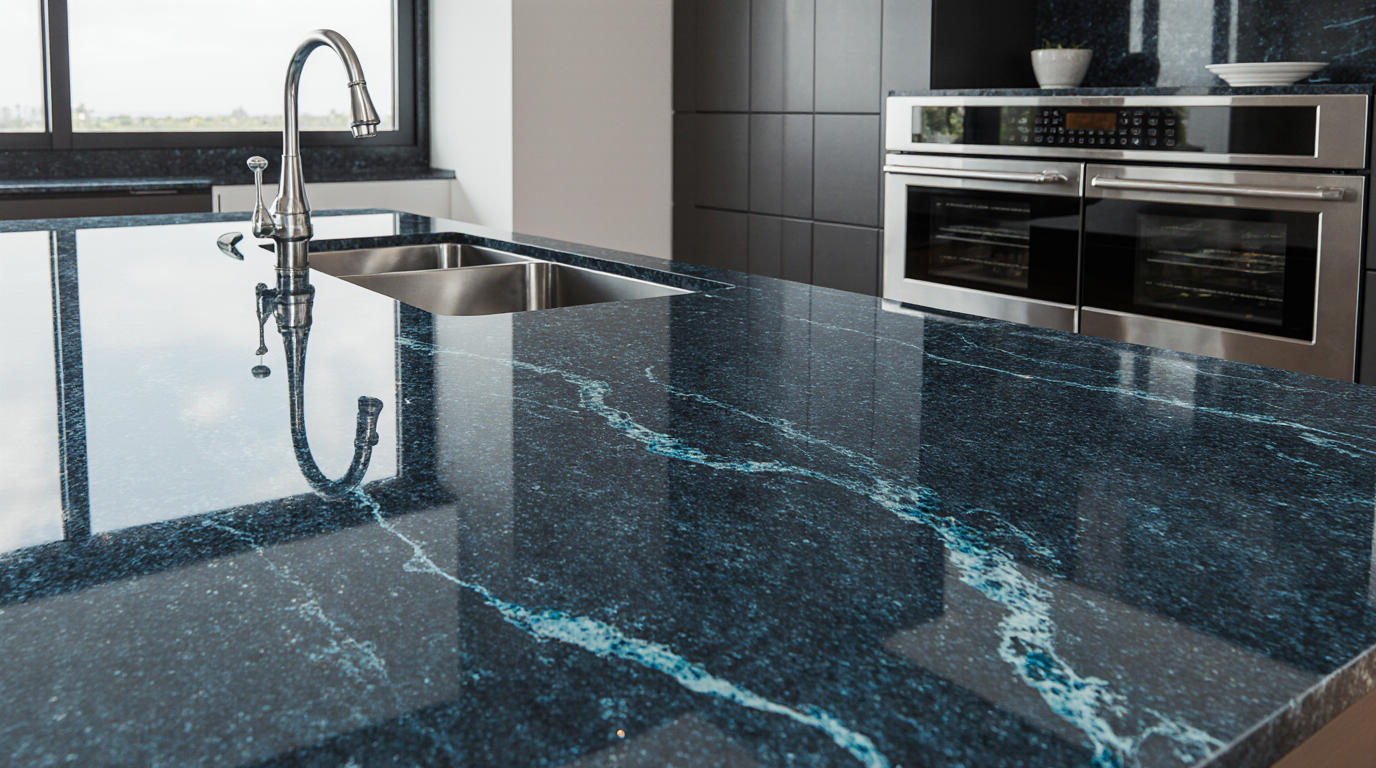
In my experience with high-end cabinetry in Sarasota County, the most common point of failure for a luxury stone
In my experience with high-end cabinetry in Sarasota County, the most common point of failure for a luxury stone countertop isn't the stone itself, but the substrate it rests on. I’ve been called to too many waterfront properties on Longboat Key where stunning quartzite slabs have developed hairline seam cracks within two years. The cause is almost always the same: standard MDF or particle board cabinet carcasses that subtly swell and contract with our coastal humidity, compromising the perfectly level plane the stone requires.
This is a structural problem that a better countertop sealant can't fix. My solution is a non-negotiable protocol for any project I undertake: all cabinetry supporting heavy stone features a marine-grade plywood substrate, with every joint and end-grain sealed with a specialized moisture-blocking epoxy I’ve perfected over the years. This isn't just about preventing water damage; it's about creating an inert, dimensionally stable foundation. The practical result is the complete elimination of seam stress and a support structure that will outlast the stone itself, which is critical in the demanding Gulf Coast environment.
Choosing the Right Stone: A Material Science Approach for Sarasota Kitchens
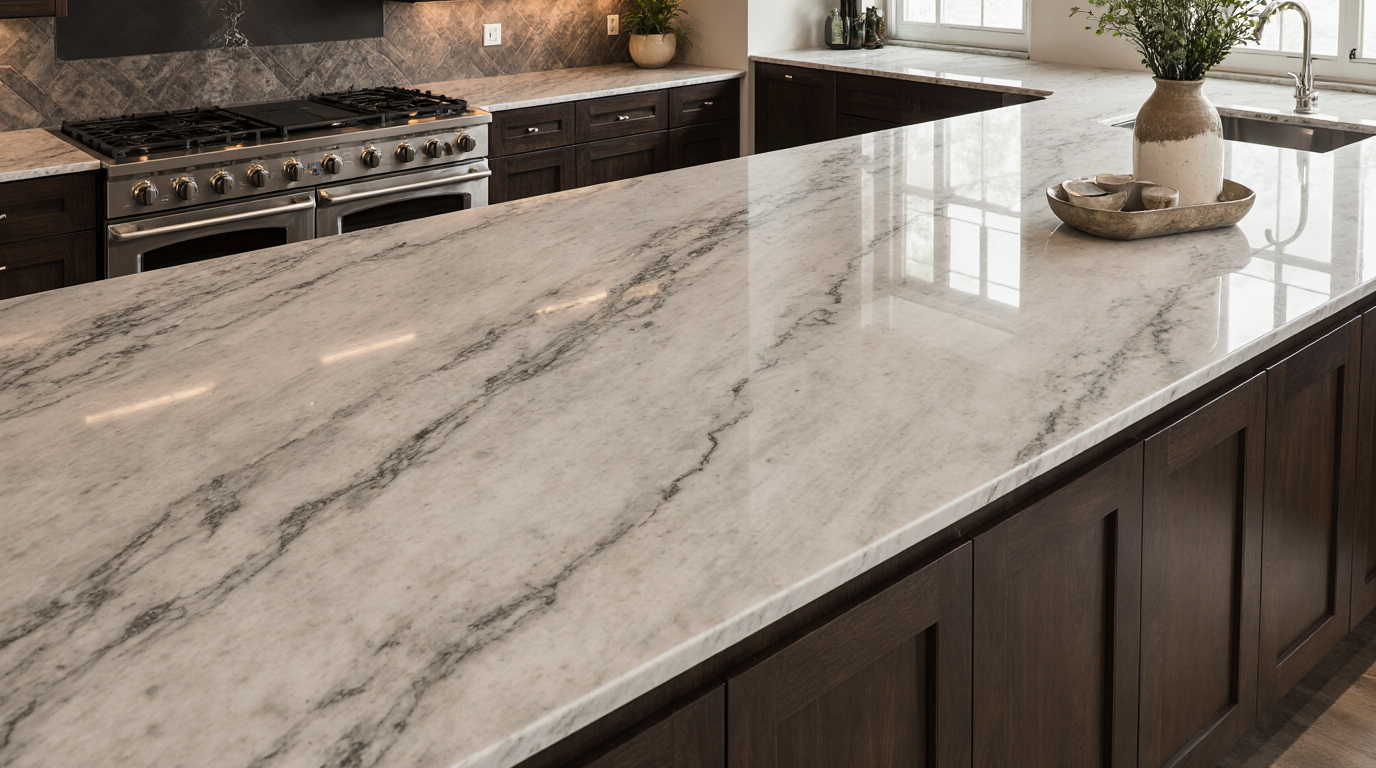
The first step in my process isn't looking at color samples; it's a technical evaluation of the home's use case. For a family in a Lakewood Ranch estate who entertains frequently, I immediately steer the conversation away from softer marbles. Despite their beauty, they are susceptible to etching from acidic spills like wine or lemon juice. Instead, I direct them toward high-density Brazilian Quartzite or specific engineered quartz slabs that offer a similar veining but with near-zero porosity. I once had to replace a Carrara marble island after just one holiday season due to this exact issue. For a penthouse condo in Downtown Sarasota where the kitchen is more of a showpiece, a sealed Calacatta marble can be a masterpiece, provided the owner understands the maintenance protocol.
The Technical Divide: Natural vs. Engineered Slabs in Coastal Conditions
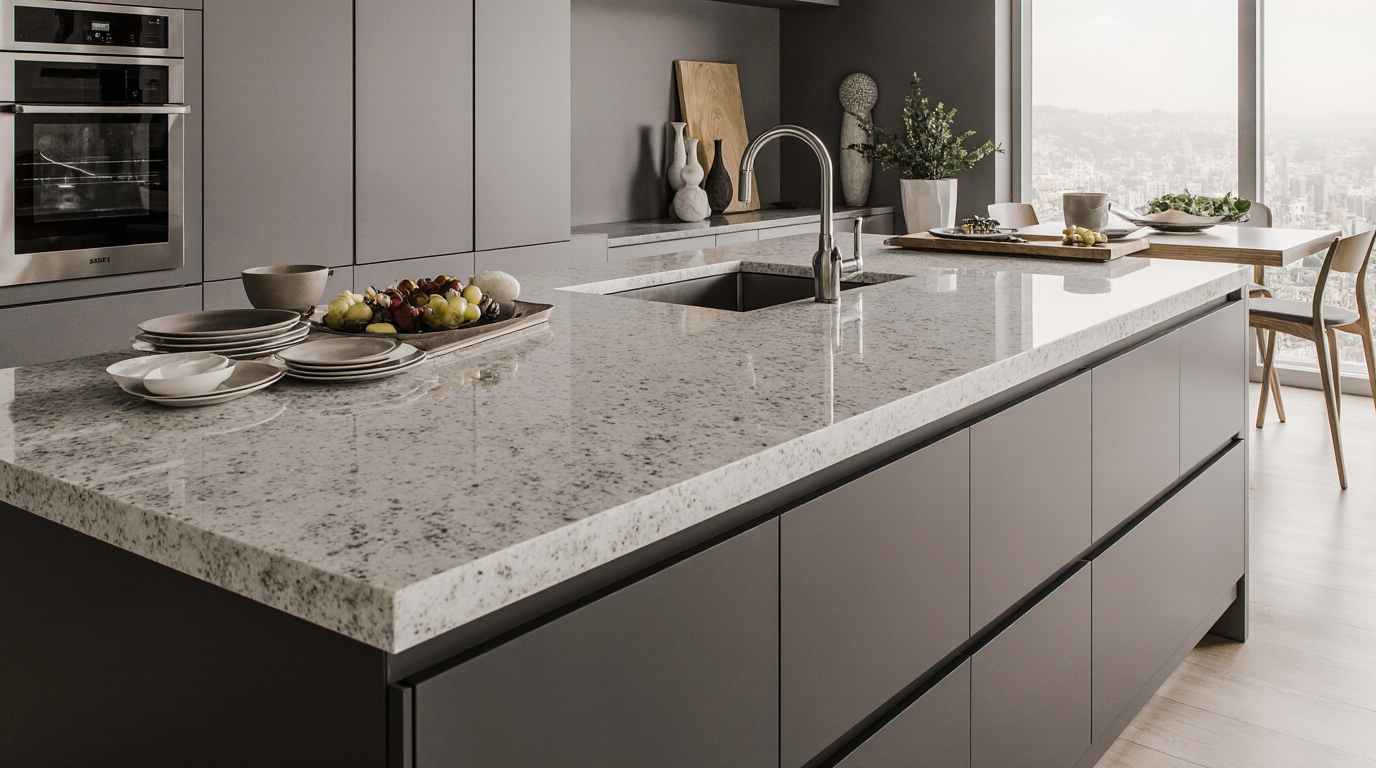
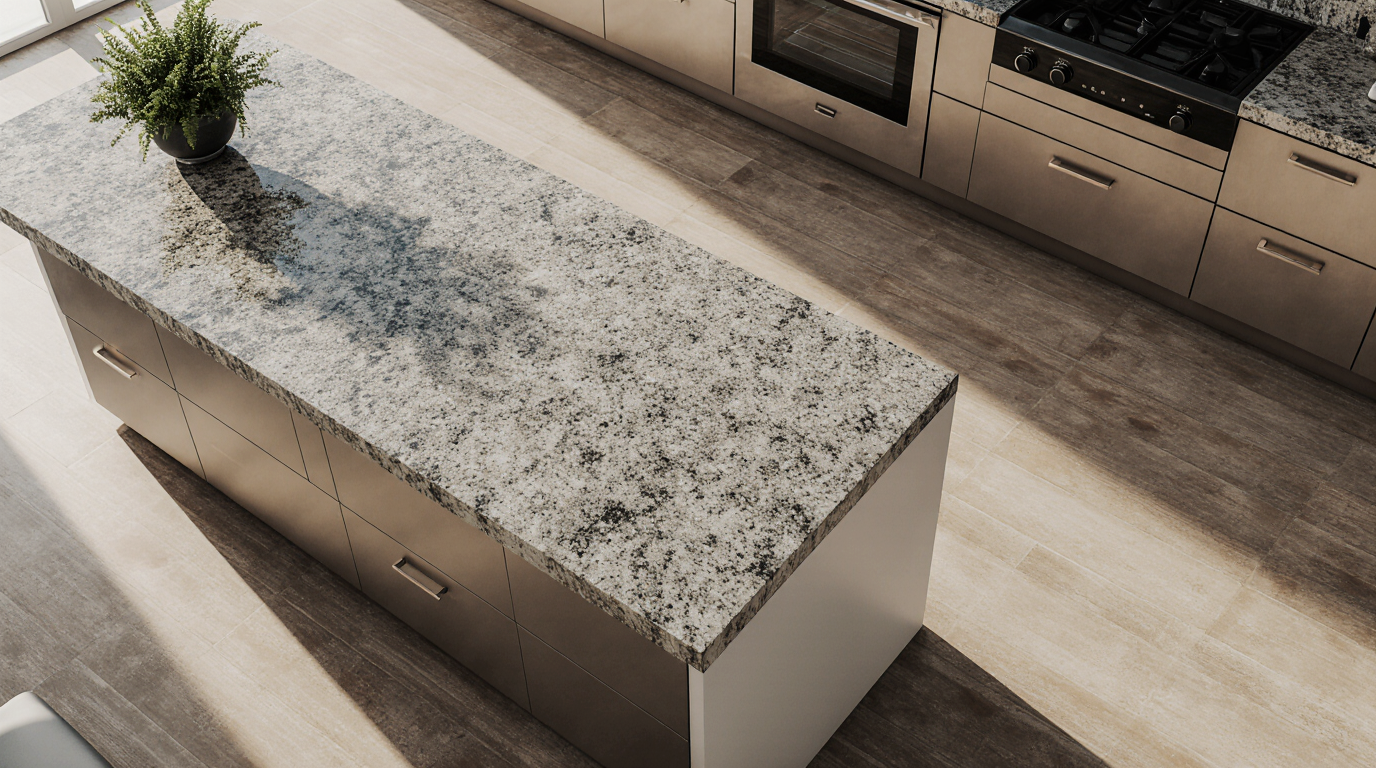
The humidity in Sarasota impacts more than just wood. Porous stones like granite or marble can, over time, subtly absorb atmospheric moisture if not impeccably sealed. My standard practice involves a 25-year impregnating sealer on all natural stone, applied before it even leaves the fabrication shop. This is a significant upgrade from the topical sealers many installers use, which wear off in 1-2 years. For outdoor kitchens, a common feature in Lido Key homes, I almost exclusively recommend dense, dark granites or specialized Dekton slabs. These materials have superior UV resistance and won't discolor or degrade under the intense Florida sun, a failure I have seen happen with light-colored quartz in exterior applications.
The Engineering of Installation: From Digital Template to Final Polish
A flawless countertop is a product of meticulous engineering long before the stone is set. My process is built on precision and eliminating variables on-site. It is not just about measuring and cutting; it's about predicting performance.
My Fabrication and Installation Checklist
Digital Templating: I use a laser templating system to create a perfect digital model of the cabinetry. This ensures every cut is precise to within 1/32 of an inch, which is essential for the tight reveals common in modern Coastal Contemporary design.
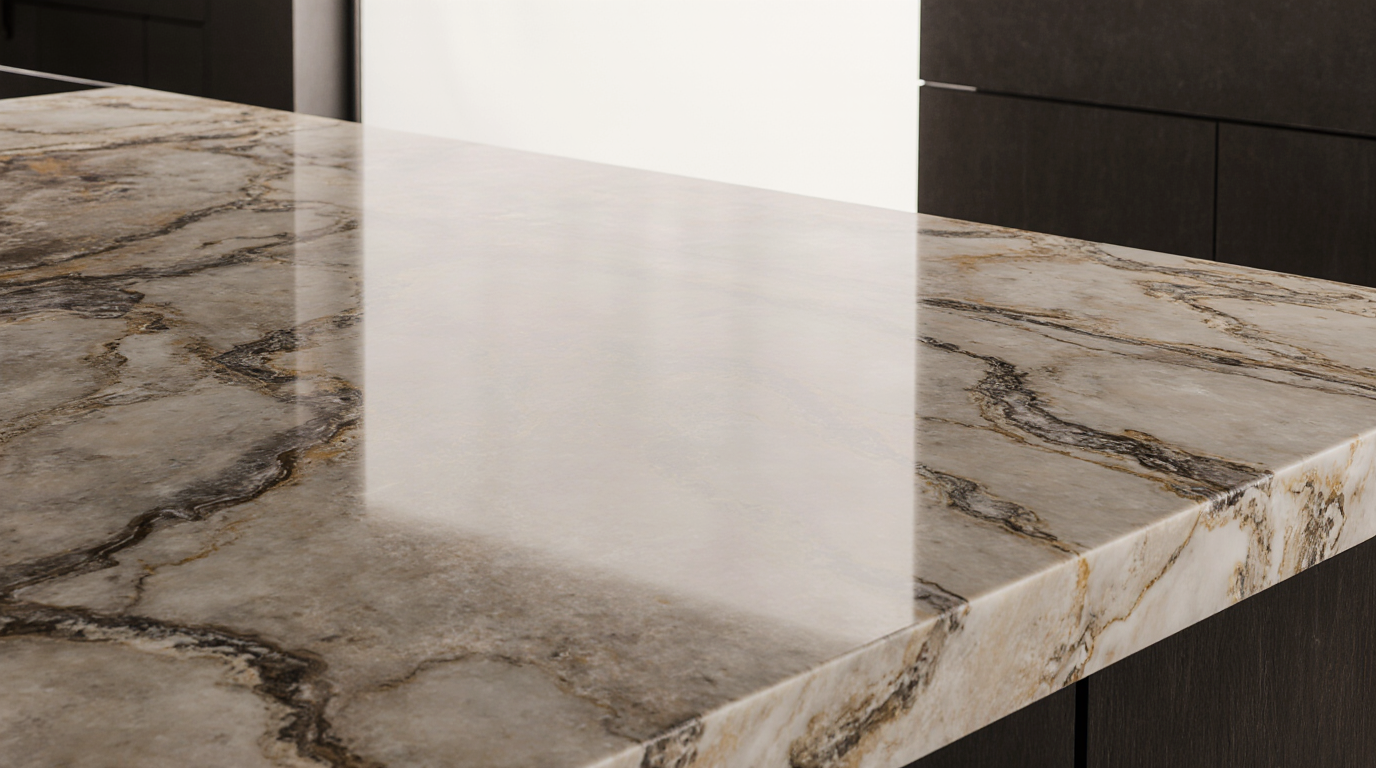
Vein Matching and Layout: For stones with significant movement, I personally oversee the slab layout. We use software to map out how the veins will flow across seams, especially for waterfall islands, creating a continuous, monolithic appearance. This 'book-matching' process is an art form that standard fabricators often skip.
Seam Construction: My standard for seams is that they should be felt, not seen. I use a gorilla grip tool to pull the slabs together under immense pressure while a two-part, color-matched epoxy cures. This results in a nearly invisible seam that is stronger than the stone itself.
Precision Leveling and Integration Standards
The final stage is where true mastery shows. The stone must be perfectly level across its entire surface. My tolerance is less than 1/16 of an inch over a 12-foot span. I achieve this using a system of composite shims that are 100% waterproof and will not compress over time. This prevents stress points that can lead to spontaneous fissures years later. The integration with the backsplash and sink is the final touch. I ensure the caulk line is a clean, minimal bead of high-grade, mold-resistant silicone, not a thick, sloppy line meant to hide cutting inaccuracies. Does your current countertop seam draw your eye, or does it disappear into the beauty of the stone?
Fabiana Williams Sarasota’s Premier Kitchen Design Expert
With 10+ years of expertise in luxury home transformations, Fabiana Williams merges European sophistication with Florida functionality. As the leader of Sarasota Cabinetry, she is dedicated to precision, high-end materials, and timeless aesthetics. Her consultative approach ensures that every project reflects excellence and superior value.
By: Fabiana Williams – Expert Kitchen Design Consultant in Sarasota
Tags
stone countertops
stone kitchen countertops
stone countertops near me
stone coat countertop
cheapest stone countertops
Counter Top Stone in Sarasota FL
?Will installing a new countertop ruin my kitchen and cost me a fortune?
In my experience with numerous countertop installations, the process is relatively painless and can be completed within 7-10 days, with an average cost of $3,000-$5,000 for a standard 12x12 foot countertop. Material costs can vary depending on the type and quality of stone, but with proper planning, the disruption to your daily life is minimal.
?How do I choose the right countertop material for my kitchen, and what's the difference between granite and quartz?
After working on hundreds of countertop projects, I consistently find that the best material choice depends on your lifestyle and budget. For durability and heat resistance, quartz is a top contender, while granite offers a unique, natural look and feel. Consider factors like maintenance, cost, and style when making your decision.
?What's the typical process for installing a new countertop, and how long does it take?
The installation process typically begins with a consultation to discuss design and material options, followed by template creation and fabrication. The actual installation takes around 2-3 days, with a total project timeline of 7-10 days. Our team will work diligently to minimize disruption to your daily life.
?How much does it cost to install a new countertop, and are there any additional costs I should be aware of?
The cost of installing a new countertop can range from $3,000 to $10,000 or more, depending on the material, size, and complexity of the project. Additional costs may include removal of existing countertops, plumbing and electrical modifications, and any necessary repairs to underlying surfaces.
?What certifications or credentials do your countertop installers hold, and what kind of warranty do you offer?
Our team of experienced installers are certified by the National Kitchen and Bath Association and have undergone rigorous training to ensure high-quality workmanship. We offer a 5-year warranty on labor and materials, as well as a 10-year warranty on certain materials, giving you peace of mind and protection for your investment.
?How long does it take to install a new countertop near me?
The installation process typically takes around 2-3 days, with a total project timeline of 7-10 days. Our team will work diligently to minimize disruption to your daily life and complete the project efficiently and effectively.
?What's the average cost of installing a new countertop near me?
The average cost of installing a new countertop can range from $3,000 to $10,000 or more, depending on the material, size, and complexity of the project. Material costs can vary depending on the type and quality of stone, but with proper planning, the investment is worth it for the long-term benefits.
?Is it worth it to install a new countertop in my kitchen, and what are the benefits?
In my experience, installing a new countertop can increase the value of your home by 5-10%, while also providing a modern, stylish look and feel. The benefits include improved functionality, durability, and aesthetic appeal, making it a worthwhile investment for any homeowner.
Need pool services?
Contatct us for a free quote
Counter Top Stone in Sarasota FL
Explore other versions and models available in your area.
See what other customers say and share your experience.
Leave a comment
It takes less than a minute. Your feedback helps others.
Latest Comments
A
Amanda Thomas
Whoever already went through a major kitchen renovation knows that choosing the right countertop can be a huge decision that sets the tone for the whole space.
A
Ashley Anderson
I've tried out a few different stone countertops and can attest that they really do add a touch of elegance to a room. My current kitchen has a granite countertop and it's been a game-changer.
Get Your Free Quote
Join 300+ happy homeowners in Sarasota.
Takes less than 60 seconds. Your data are safe with us.
Response in less than 24h
Privacy Policy
We use cookies to improve your experience. By clicking "Accept", you consent to our use of cookies.