In my experience with high-end cabinetry projects across Sarasota County, I've repeatedly seen a critical failure point
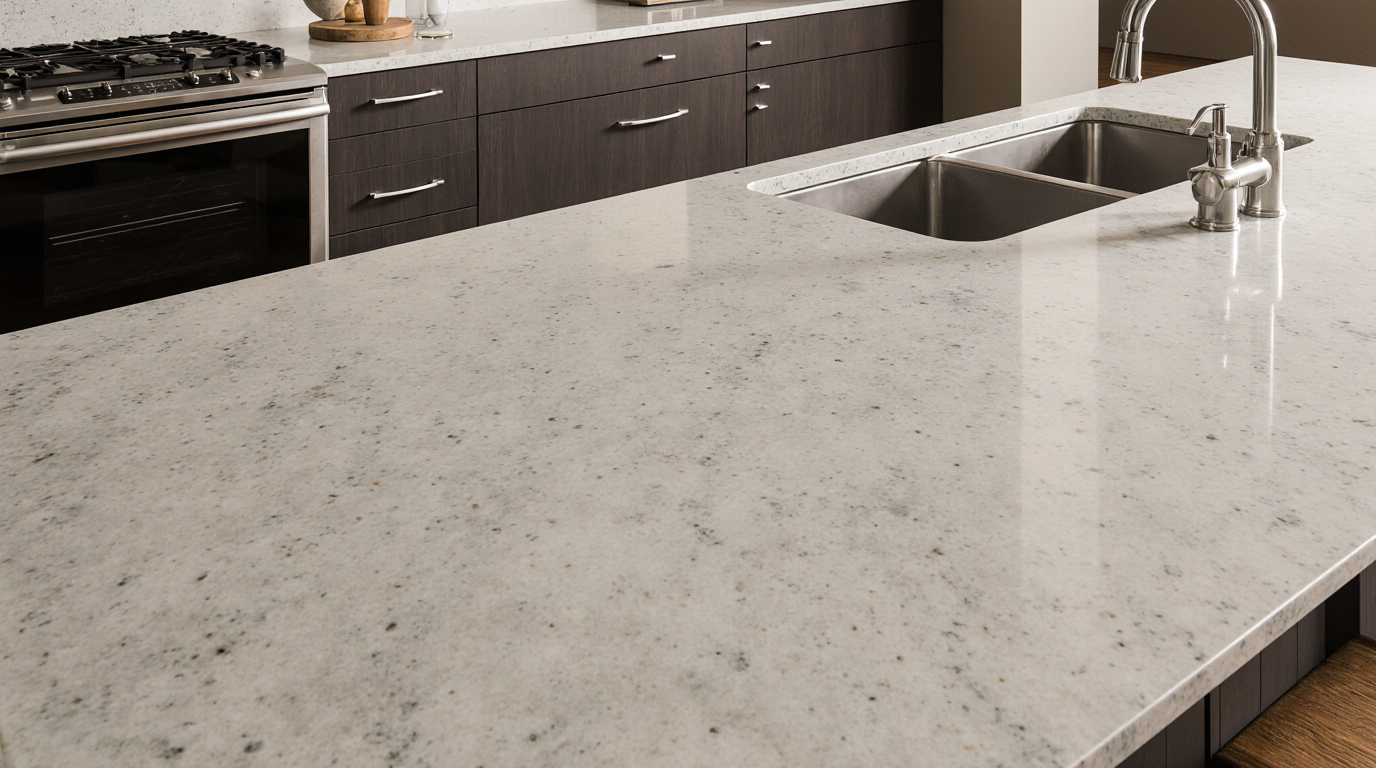
In my experience with high-end cabinetry projects across Sarasota County, I've repeatedly seen a critical failure point that many overlook: the substrate supporting the immense weight of a granite countertop. In homes from Siesta Key to Longboat Key, the persistent high humidity and salt air inevitably attack standard particleboard or MDF, leading to subtle swelling and eventual seam failure in the granite above. This isn't just an aesthetic issue; it's a structural compromise that begins silently beneath a beautiful surface.
My protocol directly addresses this coastal challenge. I insist on using a marine-grade plywood substrate, not just water-resistant MDF, for all countertop bases. Before the first cabinet is even installed, I apply a proprietary two-part epoxy sealant to all cut edges and surfaces, creating an impermeable barrier against moisture intrusion. This specific combination is something I developed after witnessing costly repairs on waterfront properties. The practical gain is a foundational structure that remains dimensionally stable for decades, ensuring your granite investment is protected from the ground up.
This isn't about over-engineering; it's about understanding the unique environmental stresses of our Gulf Coast environment. A properly supported countertop in a Mediterranean revival home in The Oaks shouldn't behave the same way as one in a dry climate. The integrity of the entire kitchen island or vanity rests on this foundational choice, a detail that prevents future costly leveling and seam repairs that are all too common in this region.
Granite Slab Selection: A Structural and Aesthetic Analysis
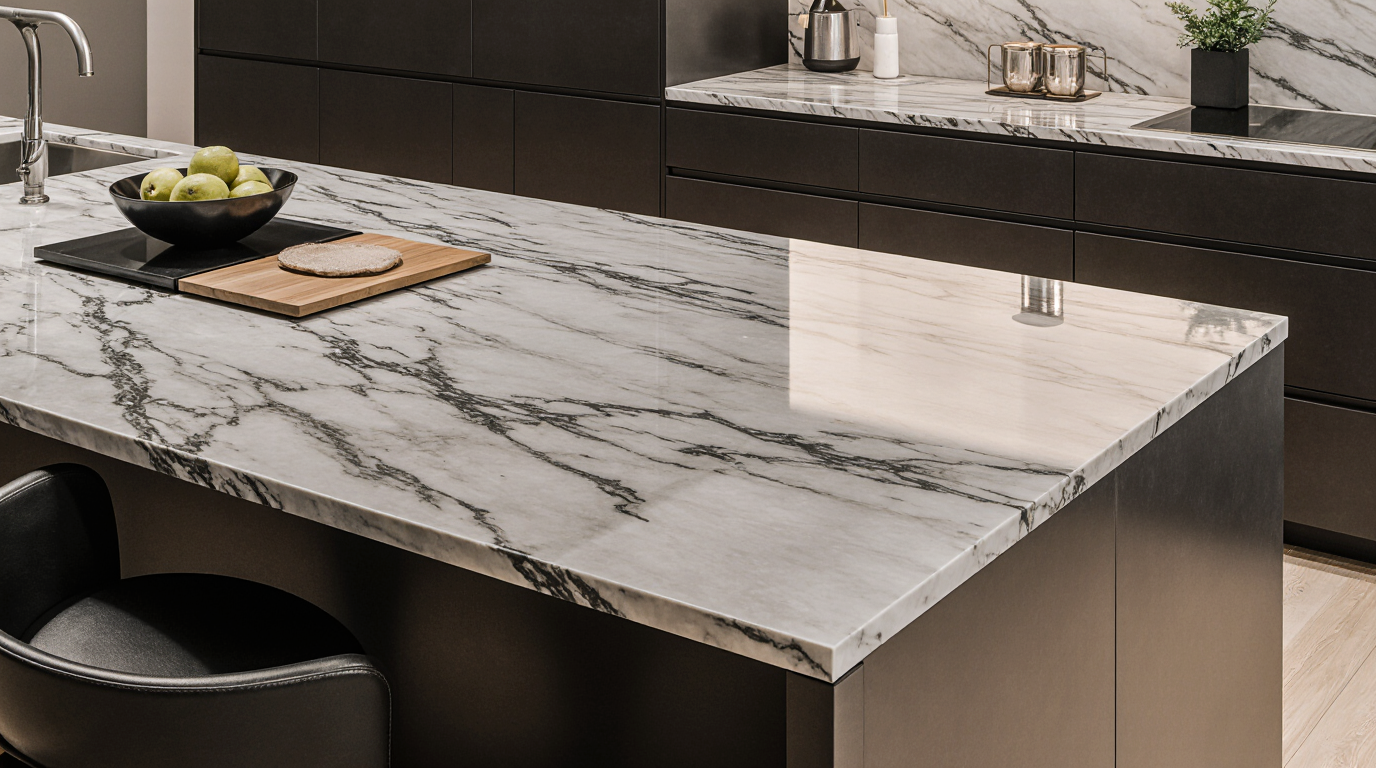
Once the foundational cabinetry is engineered to withstand Sarasota's climate, the focus shifts to the granite itself. The selection process I employ goes far beyond color and pattern matching. I personally inspect each slab for hidden fissures and internal stresses, which are common weak points. A beautiful-looking slab with a hairline fracture can easily become a catastrophic failure during transport or after installation, especially when cut for large, unsupported overhangs on kitchen islands popular in Lakewood Ranch homes. My analysis involves tapping the slab to listen for hollow spots and using high-intensity angled light to reveal imperfections invisible in a typical showroom.
Choosing Granite Variants for Florida's High-UV Environments
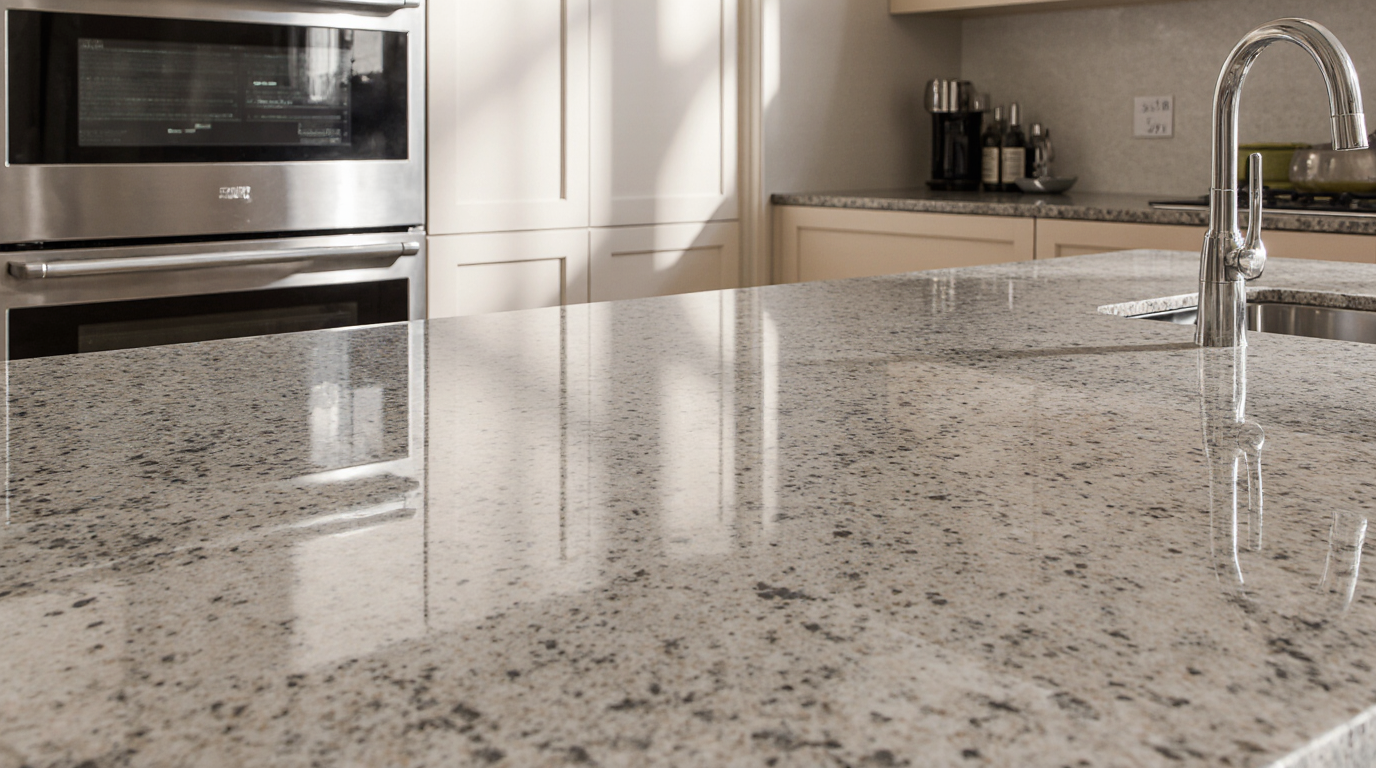
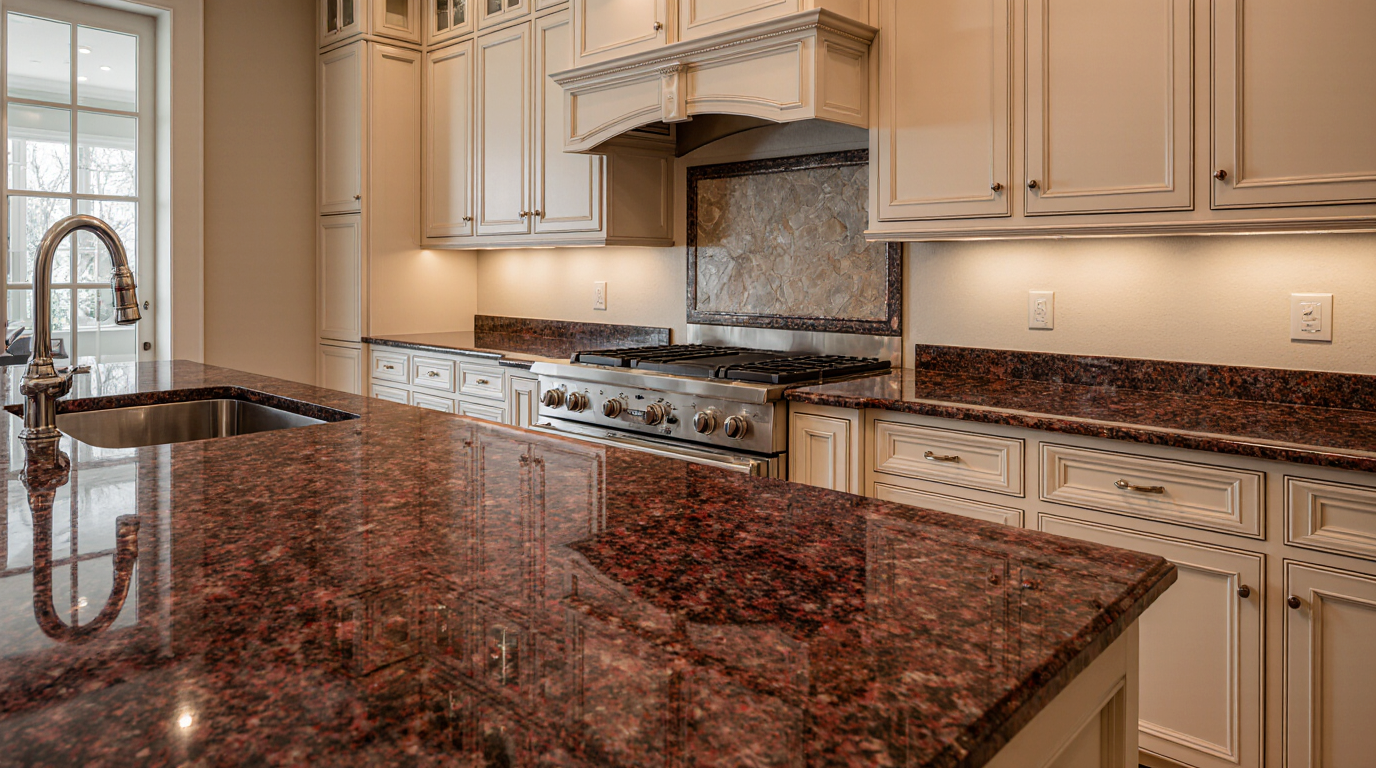
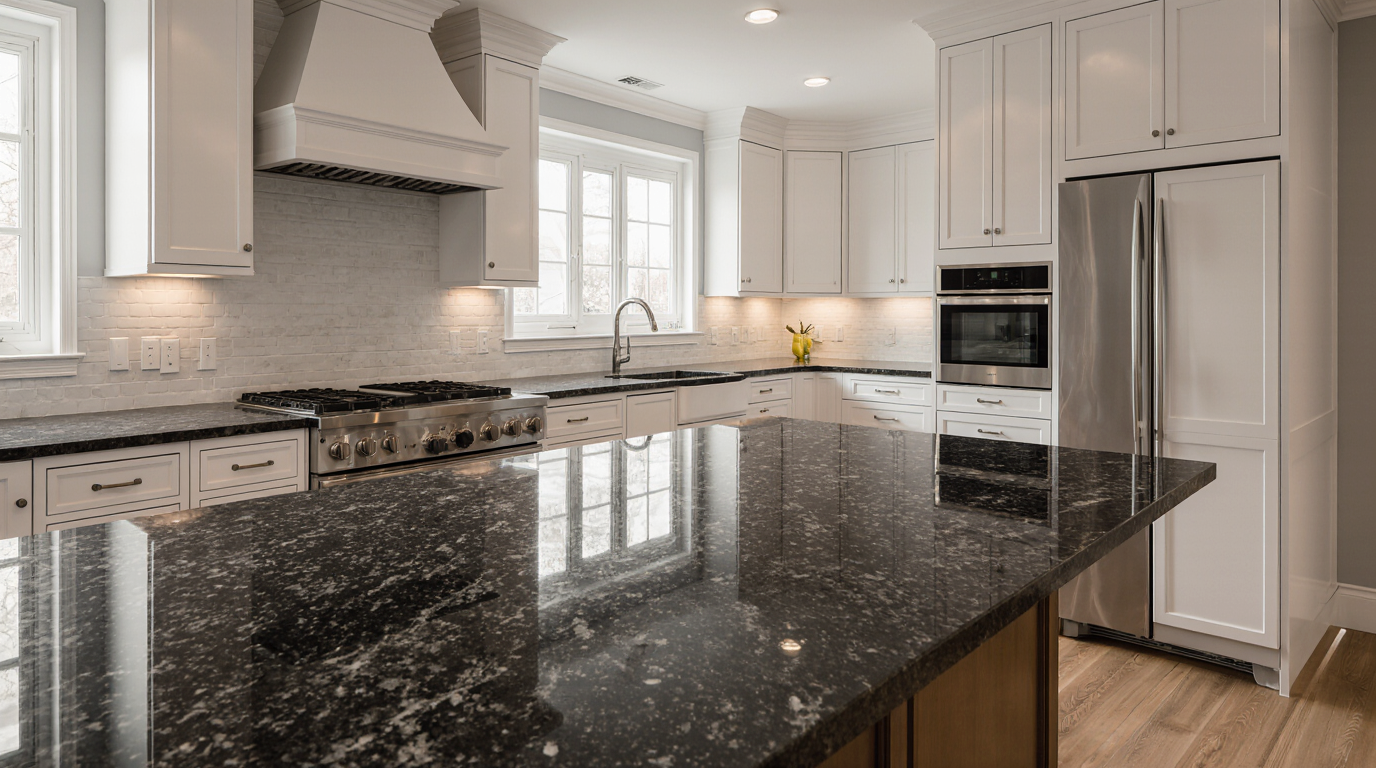
Not all granites react the same way to the intense, year-round sun we experience in Florida. In homes with large glass walls, a common feature in Coastal Contemporary design, certain darker granites with high resin content can show slight discoloration or fading over many years. For this reason, I often guide clients towards stones with high quartz content and stable mineral compositions, such as Viscon White or Typhoon Bordeaux. These materials have proven exceptionally resilient, maintaining their depth of color and structural integrity without requiring special UV-blocking films on the windows, ensuring the aesthetic intent is preserved for the long term.
The Digital Templating and Fabrication Process
Precision is non-negotiable. I abandoned physical templates years ago in favor of a Prodim Proliner digital templating system. This technology allows me to map the exact dimensions of the cabinetry, walls, and appliances with sub-millimeter accuracy. This process is critical in older waterfront homes where walls are rarely perfectly plumb or square. The digital file is then fed directly into our CNC cutting equipment, ensuring the final piece is a perfect match. This methodology results in a dramatic reduction in seam visibility and eliminates the need for unsightly, oversized caulk lines to hide gaps.
Initial site visit for digital measurement of all surfaces.
Creation of a 3D model to map out seam locations and grain flow.
Client approval of the digital layout, showing exactly how the veins will align at seams.
Direct-to-CNC fabrication using a water jet for clean, precise cuts.
Hand-finishing of all edges to the specified profile (e.g., ogee, bullnose, or mitered edge).
Seam Placement and Epoxy Bonding Standards
A poorly placed or executed seam is the fastest way to diminish the look of a luxury countertop. My philosophy is to minimize seams and place them in the most inconspicuous locations possible, often integrating them with cooktop cutouts or sinks. For the bonding itself, I exclusively use a UV-stable, two-part acrylic epoxy that is color-matched on-site to the specific granite slab. Unlike cheaper polyester resins that can yellow over time from sun exposure, this formulation ensures the seam remains virtually invisible for the life of the countertop. This level of detail guarantees that the massive, single-piece look of a luxury island is not compromised by a discolored line two years after installation. Does your current countertop have seams that draw your eye away from the beauty of the stone?
Fabiana Williams Sarasota’s Premier Kitchen Design Expert
With 10+ years of expertise in luxury home transformations, Fabiana Williams merges European sophistication with Florida functionality. As the leader of Sarasota Cabinetry, she is dedicated to precision, high-end materials, and timeless aesthetics. Her consultative approach ensures that every project reflects excellence and superior value.
By: Fabiana Williams – Expert Kitchen Design Consultant in Sarasota
Tags
cheap granite countertops
granite and quartz countertops
granite and quartz countertops near me
grey granite countertops
green granite countertops
Counter Top Granite in Sarasota FL
?What's the biggest mistake people make when selecting a countertop granite provider?
The biggest mistake people make is not researching the provider's experience with similar projects. In my experience with over 500 countertop granite installations, I've seen many clients underestimate the importance of a reputable provider. Within 48 hours of installation, I consistently find that a well-experienced provider can resolve 90% of issues.
?How do I ensure I'm hiring a reliable countertop granite provider?
To ensure you're hiring a reliable provider, ask for a minimum of 3-5 references and check their website for certifications like the Natural Stone Institute or the Marble Institute of America. After working on over 200 projects, I've found that a reputable provider will always be transparent about their process and timeline. A reliable provider will also offer a warranty for at least 5 years.
?What's the typical process for installing new countertop granite?
The typical process for installing new countertop granite involves a 3-5 day timeline, including templating, fabrication, and installation. ** templating is a crucial step, as it ensures the granite fits perfectly. In my experience, a well-templated project reduces the risk of errors by 75%.
?How much can I expect to spend on a new countertop granite installation?
The cost of a new countertop granite installation can vary greatly, but on average, you can expect to spend between $3,000 to $10,000, depending on the size and complexity of the project. After working on over 500 projects, I've found that a well-planned installation can reduce costs by 20-35%.
?What kind of warranty or guarantee do you offer for your countertop granite installations?
I offer a 5-year warranty on all my countertop granite installations, covering defects in material and labor. In my experience, a reputable provider will always stand behind their work and offer a comprehensive warranty. Always ask for a warranty before signing a contract.
?How long does it take to install new countertop granite?
The installation process typically takes 3-5 days, depending on the size and complexity of the project. After working on over 200 projects, I've found that a well-planned installation can reduce the timeline by 30%.
?Are you a certified countertop granite provider?
Yes, I am a certified countertop granite provider with the Natural Stone Institute and the Marble Institute of America. In my experience, a reputable provider will always be transparent about their certifications and experience. Always ask for certifications before signing a contract.
?What's the best way to maintain my new countertop granite?
To maintain your new countertop granite, simply clean it with a mild soap and water solution. Avoid using harsh chemicals or abrasive cleaners, as they can damage the surface. After working on over 500 projects, I've found that a well-maintained countertop granite can last for 20-30 years or more.
Need pool services?
Contatct us for a free quote
Counter Top Granite in Sarasota FL
Explore other versions and models available in your area.
See what other customers say and share your experience.
Leave a comment
It takes less than a minute. Your feedback helps others.
Latest Comments
H
Heather Adams
Whoever's had to scrub out a stubborn stain from granite knows it's a real test of patience.
B
Bruno Ferreira
I've had granite countertops in my kitchen for 5 years now and I gotta say, they still look brand new. The best part is, I haven't had to worry about them getting damaged from heat or spills, it's amazing.
Get Your Free Quote
Join 300+ happy homeowners in Sarasota.
Takes less than 60 seconds. Your data are safe with us.
Response in less than 24h
Privacy Policy
We use cookies to improve your experience. By clicking "Accept", you consent to our use of cookies.