Cost of Granite Countertops: What Homeowners Need to Know
For homeowners looking to remodel kitchens or bathrooms, evaluating the cost of granite countertops is essential, given granite’s reputation for resilience, aesthetic charm, and classic elegance, making it a premium choice for homeowners who want both style and longevity. Factors like granite grade, color variations, slab thickness, and installation nuances greatly influence pricing. Understanding these factors is essential to make informed decisions and ensure a remodeling project remains within budget.
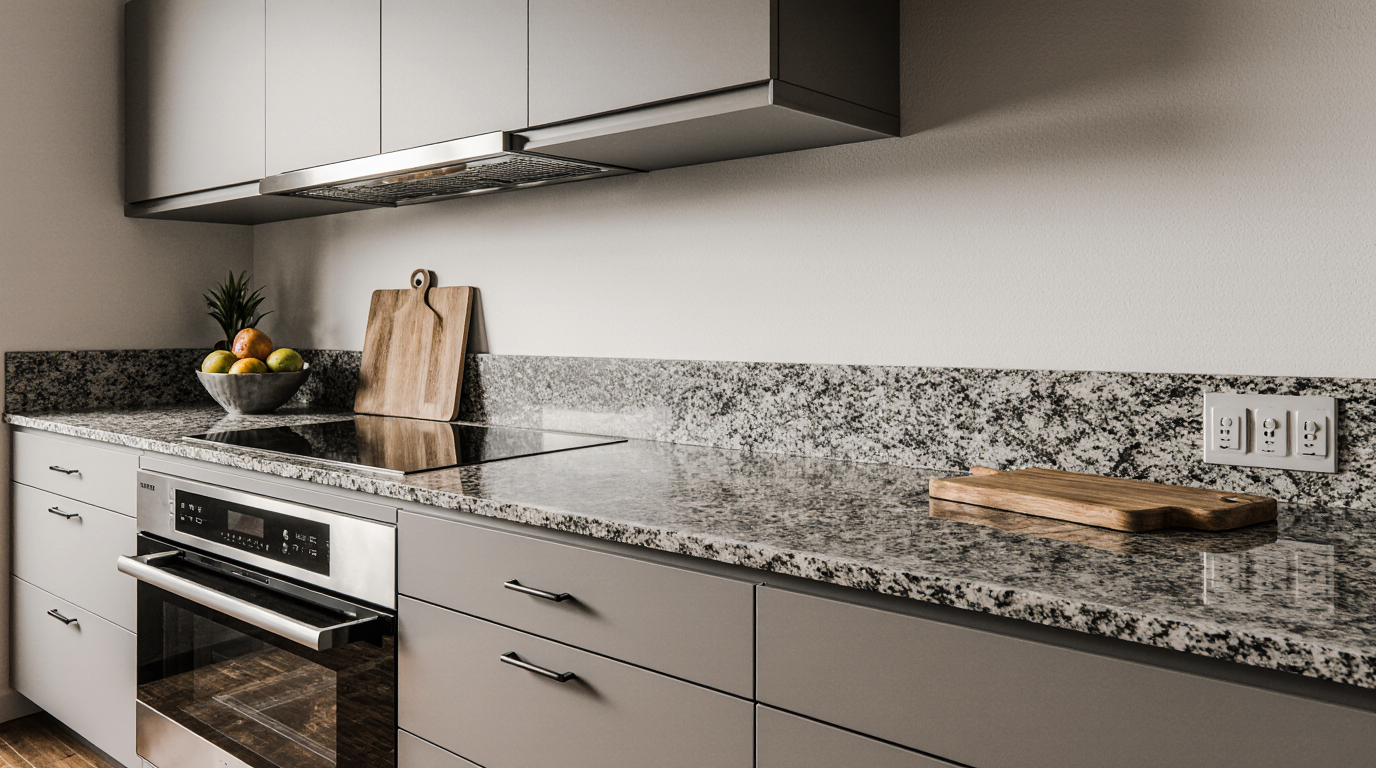
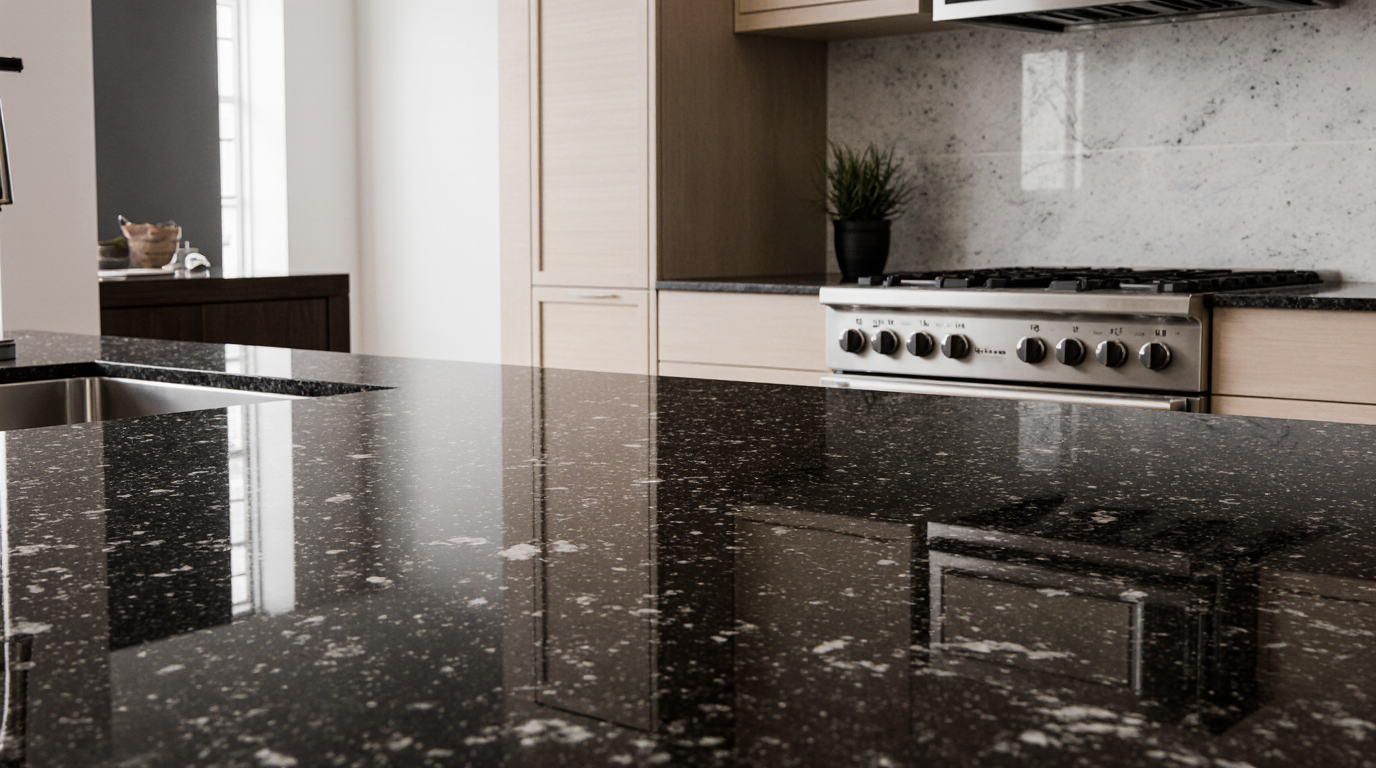
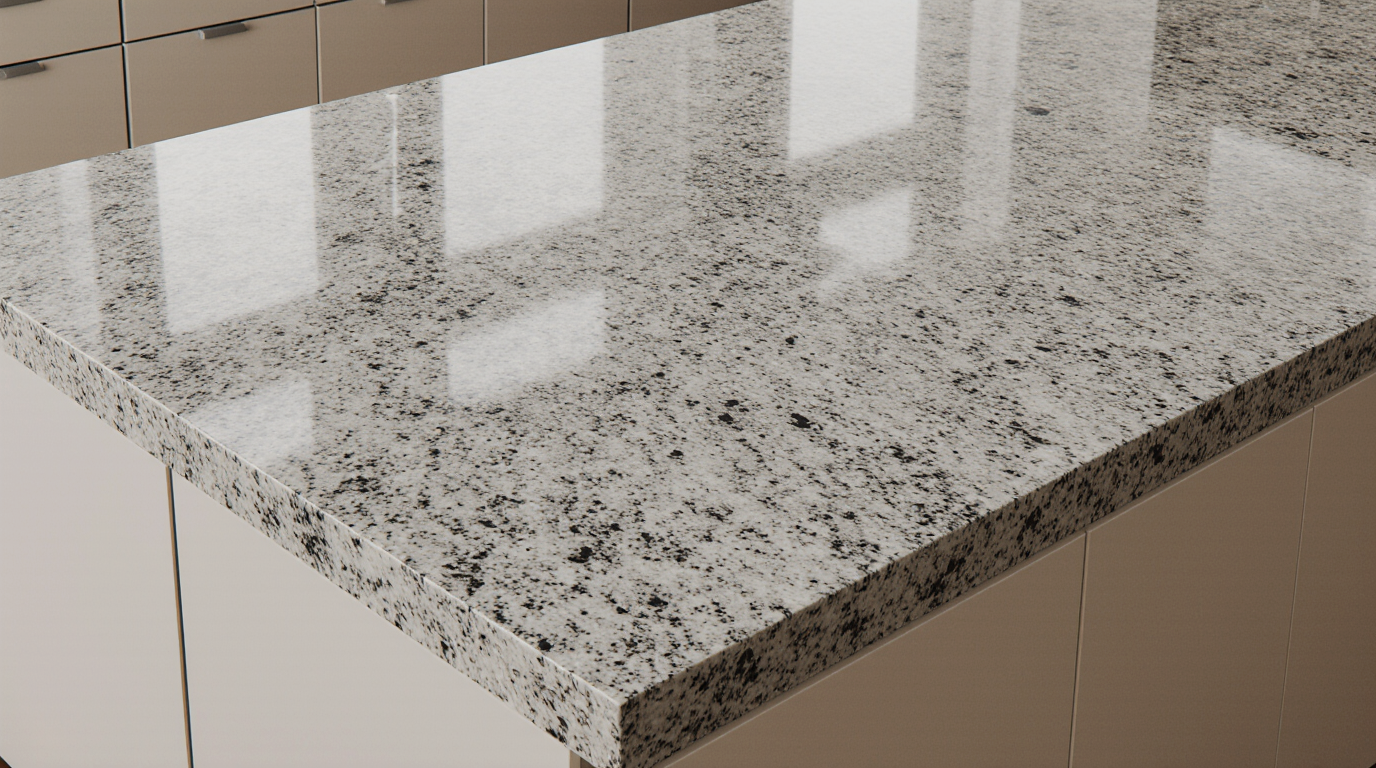
A vast array of granite colors and patterns is available, providing varying degrees of rarity and visual impact. Standard colors like white, black, and gray are usually budget-friendly, whereas rare or vividly veined varieties carry premium pricing. Evaluating granite thickness is essential, with thicker slabs boosting resilience but raising overall costs. Choosing the optimal slab requires harmonizing visual appeal, practicality, and financial considerations.
In addition to material costs, fabrication and installation play a crucial role in the total price of granite countertops. Skilled fabricators meticulously measure, cut, and polish granite to guarantee seamless surfaces. Installing granite demands expertise to maneuver heavy slabs and integrate them flawlessly into the space. Customized edges, sink cutouts, and unique shapes add layers of complexity and expense. Engaging reputable contractors with a track record of granite installation ensures a flawless finish and long-lasting performance.
The durability of granite countertops is a major reason homeowners are willing to invest in this material. Properly sealed granite withstands heat, abrasions, and staining, suitable for kitchens and bathrooms. Durable granite minimizes replacement expenses, providing economic benefits over time. Routine sealing is crucial for safeguarding granite from wear and tear.
Geographical factors significantly impact granite pricing. Supply chain, shipping distances, and market demand affect local granite pricing. Some areas offer access to nearby quarries, which can reduce material costs, while remote locations might incur higher prices due to shipping and handling. Local suppliers provide in-person slab selection, expert advice, and faster logistics.
Another factor impacting the total cost is the type of finish applied to the granite surface. Glossy finishes intensify color and veining, whereas honed surfaces offer understated elegance. Textured or leathered finishes enhance tactile appeal yet raise production complexity. Selecting the right finish involves balancing aesthetic preferences with practical considerations such as slip resistance and ease of cleaning.
Larger surface areas naturally drive higher material and labor expenses. Vast countertops demand additional materials and careful craftsmanship. Conversely, smaller kitchens or bathroom vanities will generally be more affordable. Accurate sizing and collaboration with fabricators ensure precise quotes and full consideration of all design elements.
Custom features such as backsplashes, integrated sinks, or waterfall edges can significantly increase the cost of granite countertops. Incorporating advanced design details improves functionality and elegance but involves complex workmanship. Discussing these options with a skilled contractor helps homeowners weigh the visual impact against the potential cost increase, ensuring a design that is both beautiful and practical.
Investing in granite countertops is also an investment in home value. Homes with premium granite counters attract buyers by combining refined aesthetics with practical performance. Despite higher upfront costs, granite’s lasting beauty, resilience, and investment value typically outweigh cheaper alternatives.
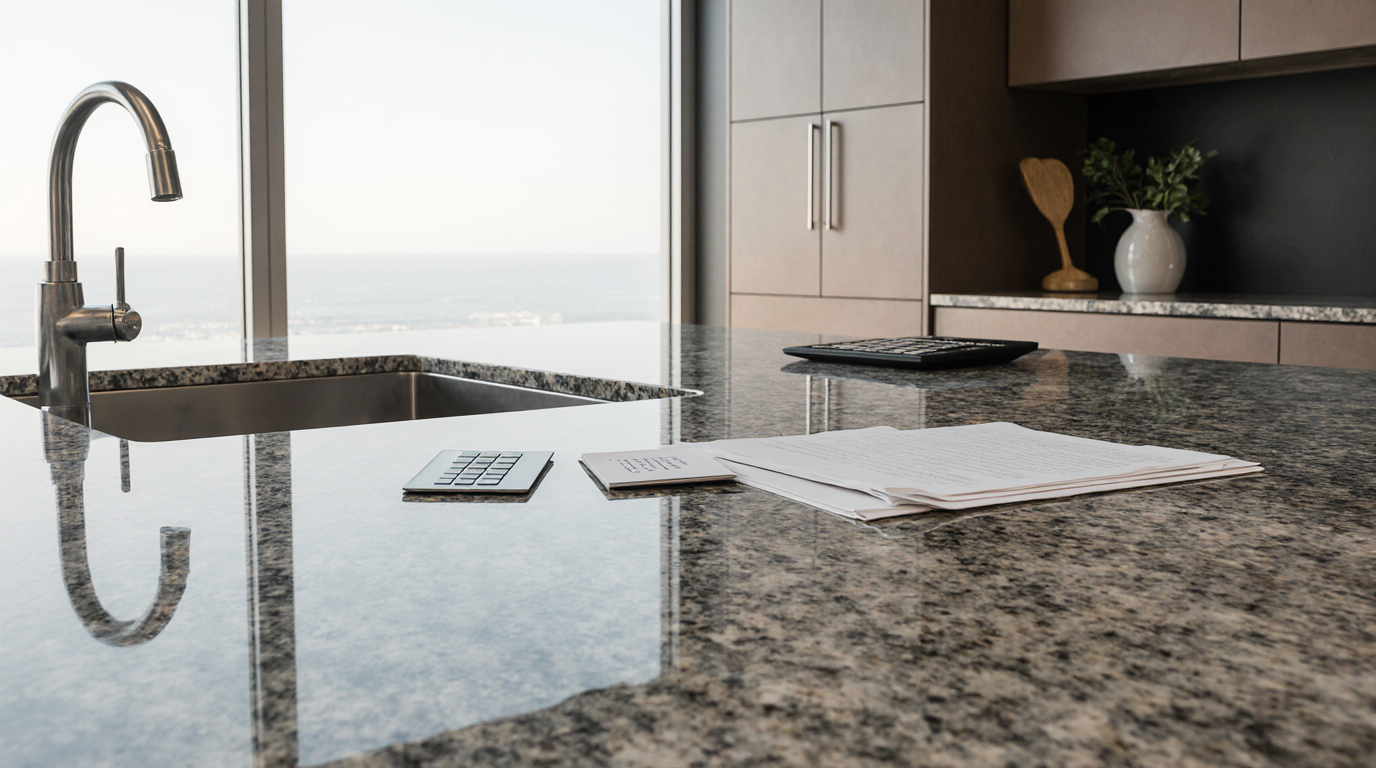
When budgeting for granite countertops, homeowners should also account for hidden costs such as delivery, waste disposal, and minor modifications to existing cabinetry. Unexpected issues may arise during installation, and having a contingency budget ensures that the project proceeds smoothly without financial stress. Seasoned professionals reduce risk and guarantee adherence to high-quality workmanship.
Ultimately, the cost of granite countertops is influenced by a combination of material quality, fabrication, installation complexity, design choices, and local market conditions. Thorough research and collaboration with experts lead to exquisite outcomes, combining aesthetic appeal and practical efficiency. Opting for granite transcends mere aesthetics, representing a strategic investment in resilience, prestige, and enduring style.