Decoding the True Cost of Bespoke Bathroom Cabinets: Factors That Shape Price and Quality
In the realm of custom bathroom cabinetry, homeowners frequently encounter a diverse spectrum of costs, finishes, and design options, understanding that the financial commitment extends past appearance, significantly influencing usability, long-term resilience, and renovation ROI. Grasping the real expense involves appreciating the level of artisanal skill, exacting design standards, and custom features that transform a bathroom into a bespoke environment. Contrary to off-the-shelf solutions, custom cabinetry adapts precisely to your space, storage needs, and aesthetic desires while showcasing unmatched craftsmanship.
Material choice remains a decisive element in determining the cost of bespoke bathroom cabinetry, with high-end options such as solid wood, walnut, cherry, or maple elevating costs due to superior durability, longevity, and luxurious finishes. Lower-cost options such as plywood or MDF allow for adaptable layouts and simulated wood textures without sacrificing style entirely. The choice of materials dictates both pricing and longevity, particularly in damp spaces where moisture-resistant compositions preserve both form and function.
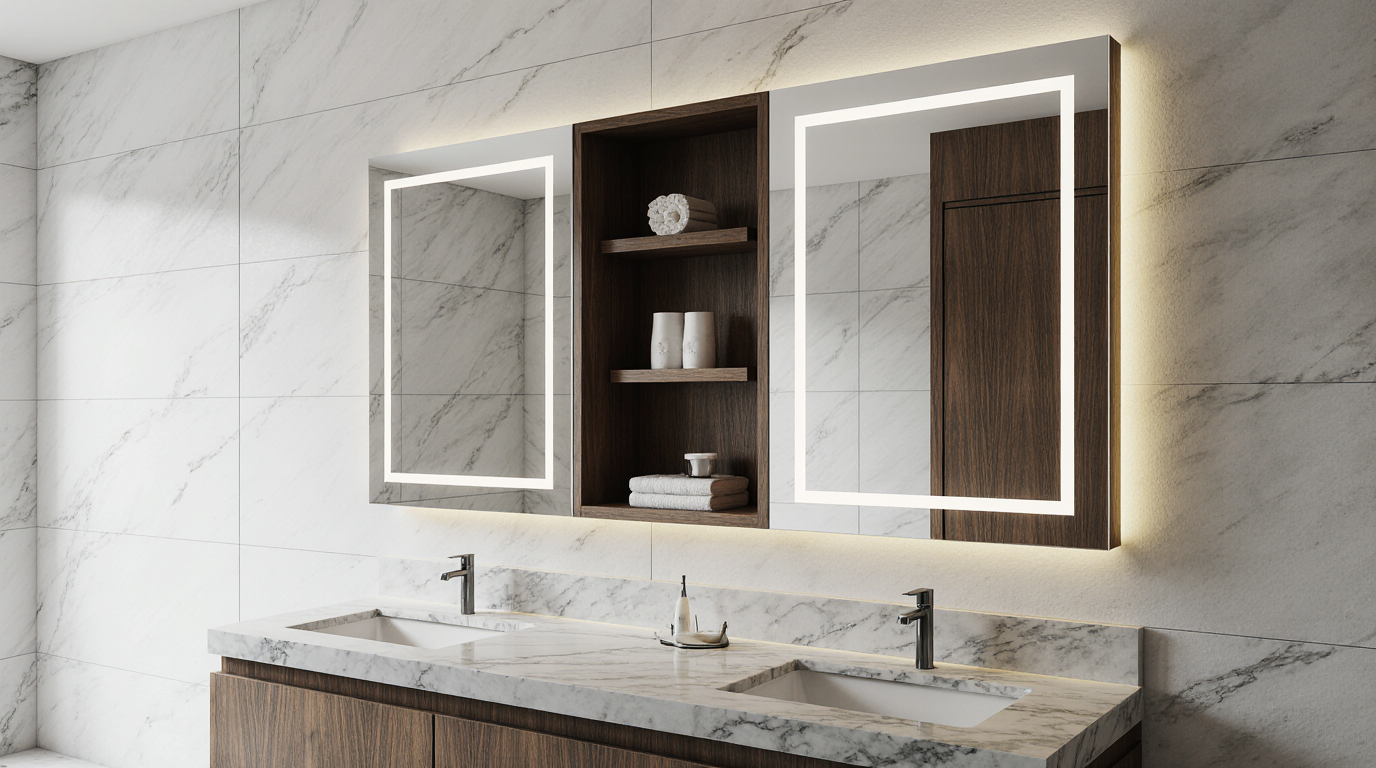
Customization level significantly influences the overall investment required for bespoke cabinetry, completely personalized cabinets are created with precise specifications, often incorporating innovative storage, lighting integration, and specialized organizers. Such enhancements provide unmatched practicality while delivering a sophisticated, high-end aesthetic. Semi-custom cabinets, on the other hand, offer moderate flexibility in sizing and finishes at lower cost but lack the meticulous attention to detail of fully bespoke designs. Choosing fully tailored solutions allows exact alignment with the homeowner’s aesthetic and practical priorities, creating a bathroom that is truly unique.
The choice of finish significantly affects custom bathroom cabinet pricing, meticulous hand-applied stains or paints demand higher investment because of the skilled labor and materials involved. Lacquered surfaces provide a sleek modern appearance but necessitate expert application for flawless results. Enhanced coatings, bespoke hues, and protective finishes designed for wet conditions often drive the pricing higher. Premium finishing techniques contribute to enduring aesthetics and a sophisticated, spa-like environment.
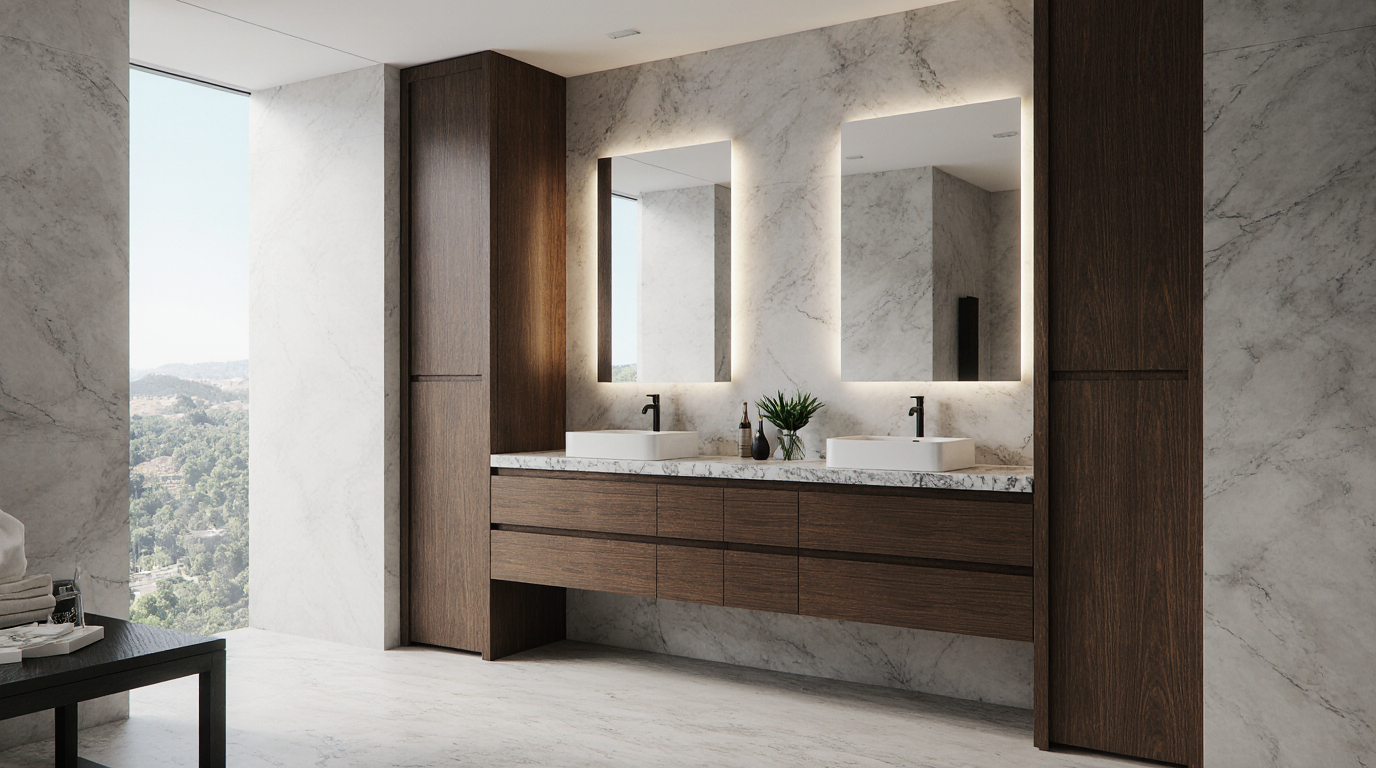
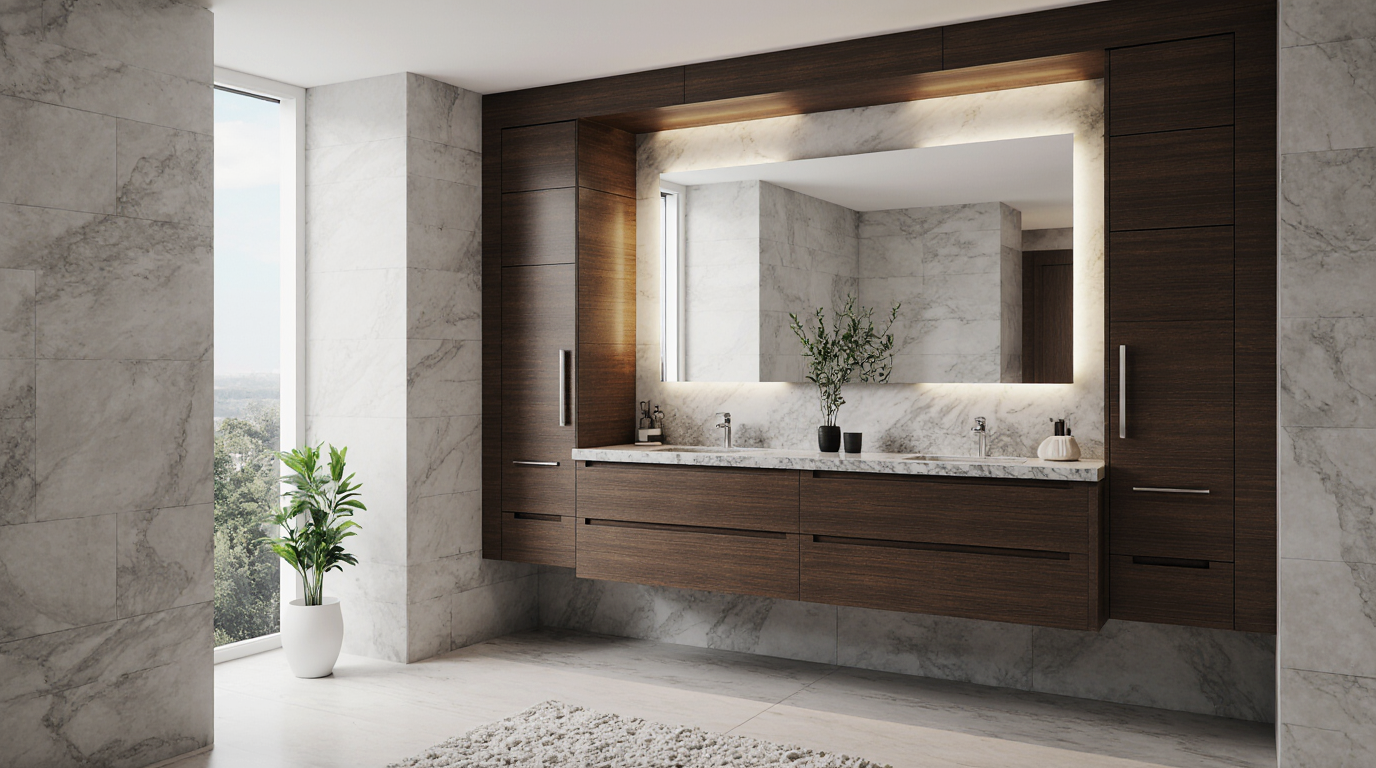
The intricacy of cabinetry design plays a substantial role in pricing, with elaborate features like curved edges, inset doors, and decorative moldings requiring greater craftsmanship and time. Even modern, flat-front styles demand careful execution to ensure flawless alignment and finish. Floating, built-in, or extensive cabinetry systems increase labor and material demands, influencing final pricing. For many homeowners, these enhancements justify the investment, converting functional spaces into luxurious, spa-inspired retreats.
Skilled craftsmanship is a crucial component of overall cabinetry expense, because expert labor guarantees flawless execution and enduring cabinet performance. Labor includes design consultation, precise measurement, material preparation, finishing, and installation. Metropolitan regions often experience higher labor rates, while smaller locales may reduce costs. Quality workmanship delivers timeless elegance, structural integrity, and optimal cabinet performance.
The scale of the bathroom and the amount of cabinetry required influence final investment, limited spaces call for essential cabinets, but expansive bathrooms involve numerous custom storage solutions. More cabinetry translates to higher costs in materials, labor, and coordination. In extensive renovations, detailed collaboration ensures cabinetry accommodates plumbing, lighting, and ventilation systems efficiently. Engaging an experienced designer during planning minimizes errors, ensures cohesive design, and optimizes budget.
Geography and project scale affect custom cabinet costs, with metropolitan areas typically seeing higher labor rates and material markups. Adjustments to utilities during renovation contribute additional costs. Sustainable cabinetry options elevate upfront costs while improving durability, indoor air quality, and ecological responsibility.
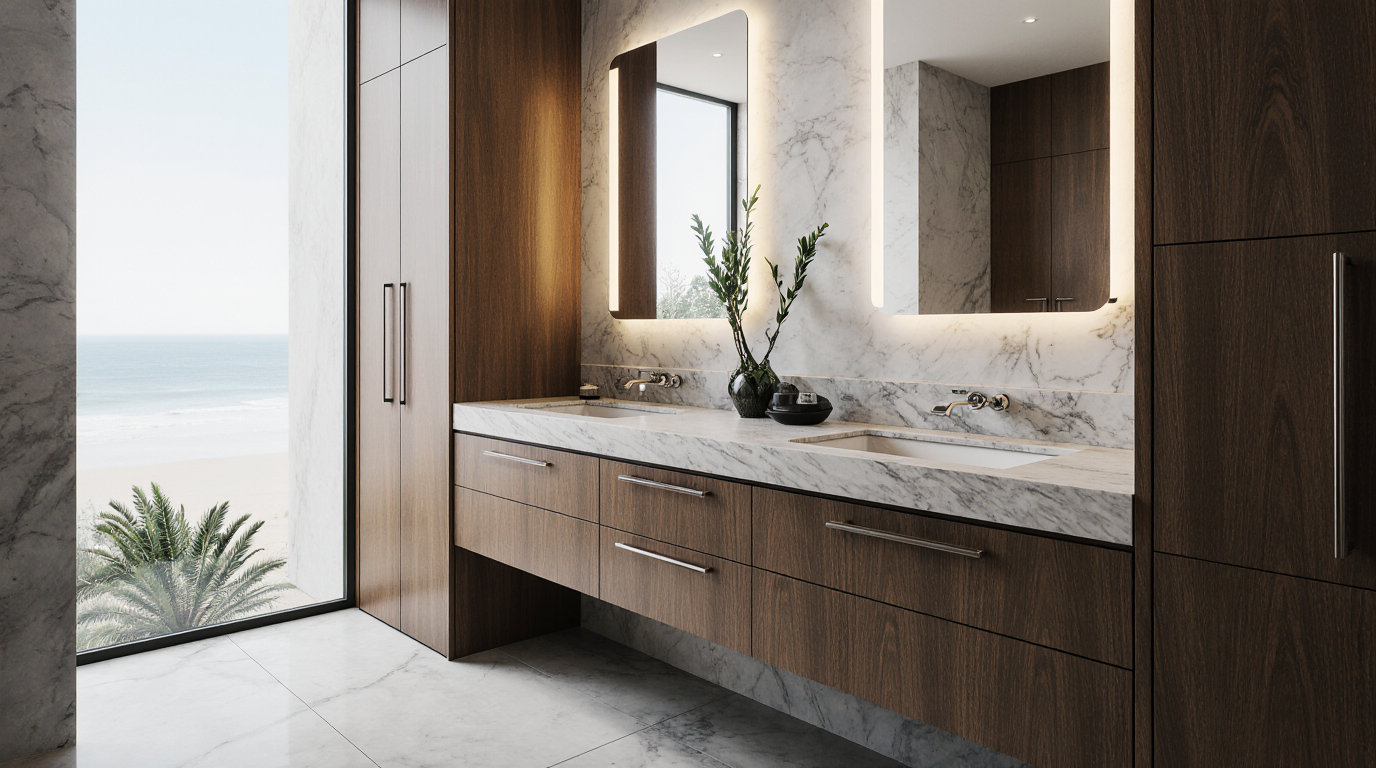
Choosing high-quality hardware can noticeably influence total investment, hardware quality directly affects smooth operation, tactile experience, and long-term durability. Bespoke hardware options provide tailored elegance, integrating seamlessly with design schemes. Although increasing costs modestly, premium hardware greatly enhances user satisfaction and cabinetry lifespan.
Considering cost brackets aids in realistic financial planning for cabinetry. Location, intricate design, and artisanal skill all influence costs. Collaborating with reputable designers ensures functional, beautiful bathrooms that remain within budget.
Assessing the lasting benefits of bespoke cabinetry adds perspective, in addition to design impact, they elevate home marketability and investment return. Bespoke solutions provide superior storage, intuitive layouts, and ergonomic use, enhancing daily life. Selecting classic styles and long-lasting materials secures enduring appeal and function.
Fully grasping the expense of bespoke cabinets entails understanding the determinants of price, quality, and usability, including selection of wood, coatings, design complexity, and artisanal skill. While prefabricated options may seem tempting, the true value of custom cabinetry lies in transforming a standard bathroom into a uniquely personal sanctuary. Those prioritizing both practicality and design excellence find that custom cabinetry delivers unmatched long-term value.