Exploring Custom Bathroom Cabinet Costs: Key Determinants of Price and Excellence
When it comes to custom bathroom cabinets, homeowners often find themselves navigating a wide range of price points, materials, and design possibilities, recognizing that the investment goes beyond mere aesthetics—it directly impacts functionality, durability, and the overall value of the bathroom renovation. Grasping the real expense involves appreciating the level of artisanal skill, exacting design standards, and custom features that transform a bathroom into a bespoke environment. Unlike stock cabinets, bespoke designs conform seamlessly to your bathroom’s dimensions, organizational demands, and visual ambitions with extraordinary precision.
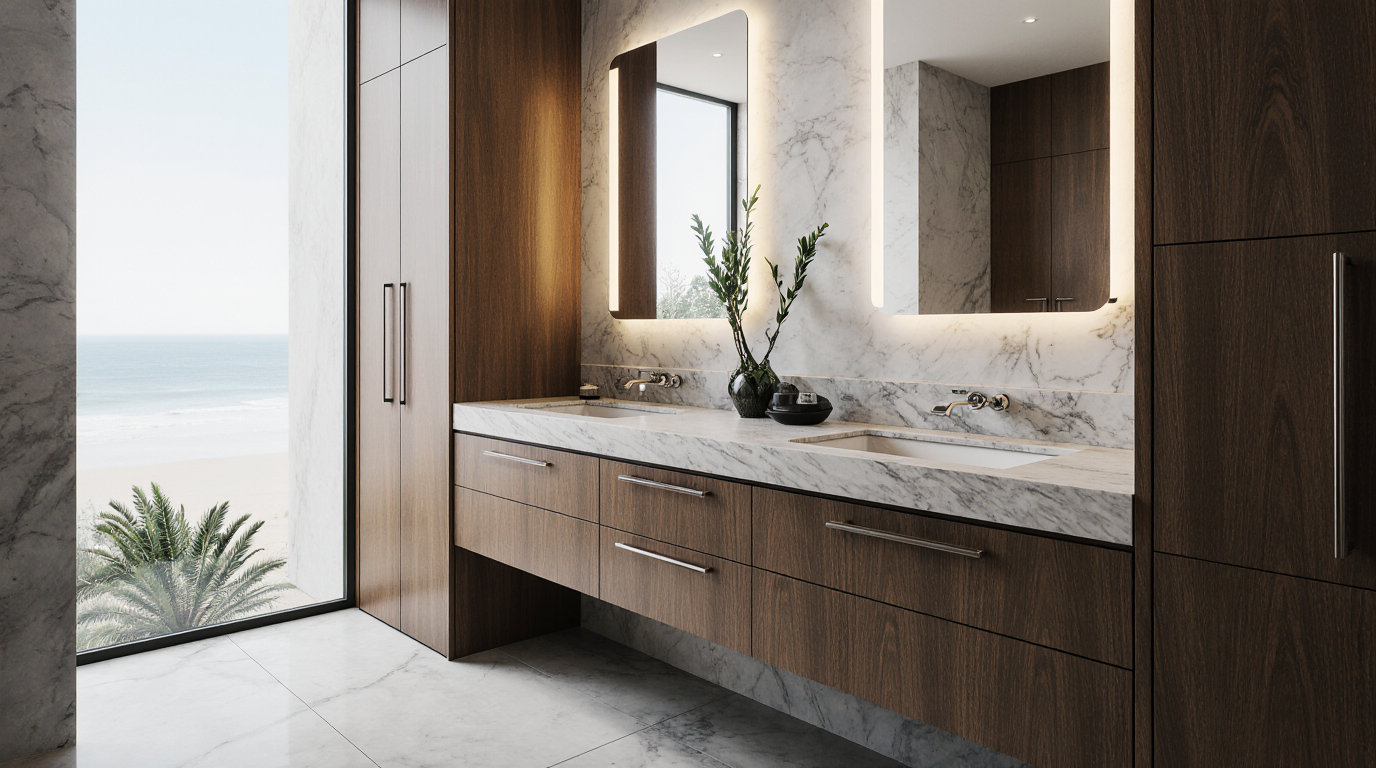
One of the most critical factors influencing the price of custom bathroom cabinets is the selection of material, with high-end options such as solid wood, walnut, cherry, or maple elevating costs due to superior durability, longevity, and luxurious finishes. Lower-cost options such as plywood or MDF allow for adaptable layouts and simulated wood textures without sacrificing style entirely. Material selection directly impacts not only cost but also performance in humid environments, making moisture-resistant options a wise investment for maintaining structural integrity and long-term beauty.
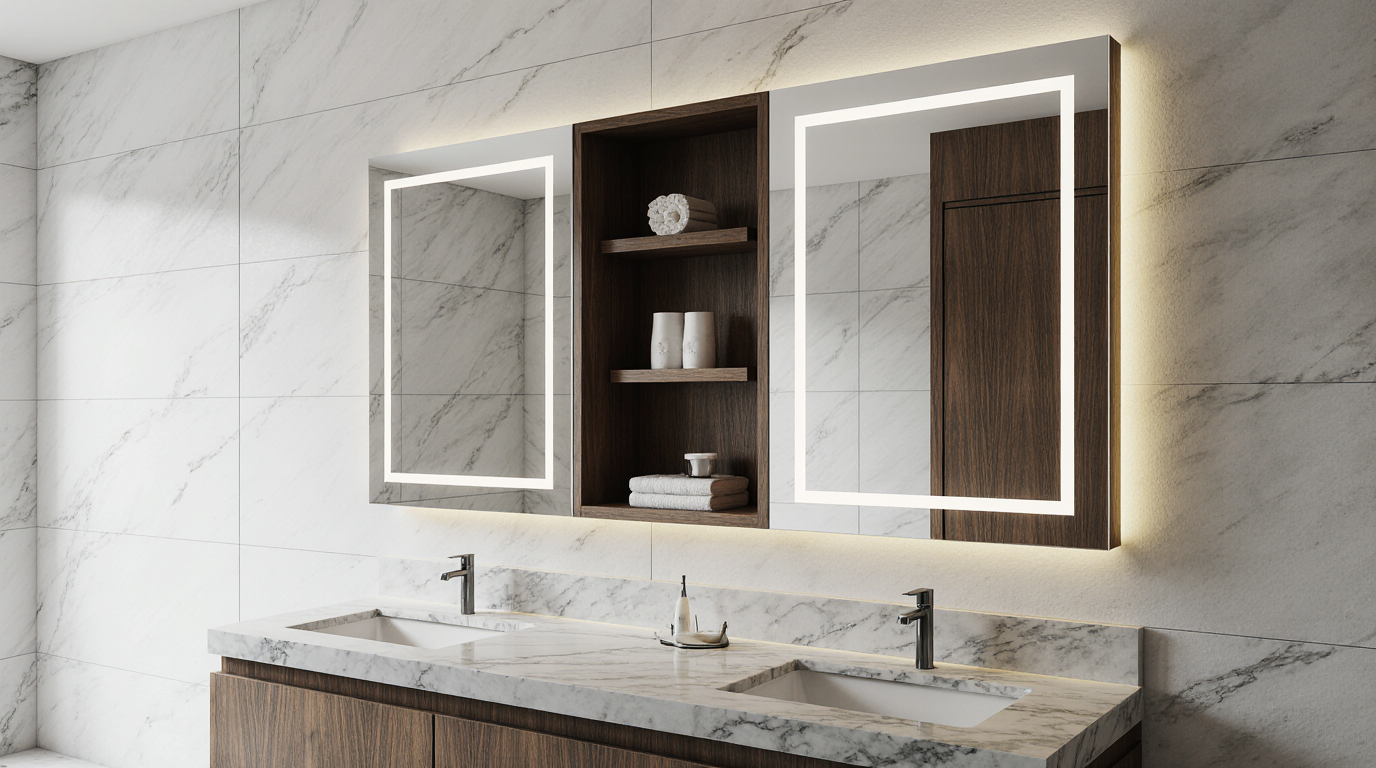
Customization level significantly influences the overall investment required for bespoke cabinetry, with fully custom cabinets designed from scratch according to exact specifications and capable of including built-in hampers, drawer organizers, under-sink pullouts, or integrated lighting. Custom features contribute to seamless functionality and elevate the overall luxury appearance of the bathroom. Semi-custom cabinets, on the other hand, offer moderate flexibility in sizing and finishes at lower cost but lack the meticulous attention to detail of fully bespoke designs. Full customization empowers homeowners to align every detail with their vision, ensuring the bathroom reflects their personal style and functional preferences.
The choice of finish significantly affects custom bathroom cabinet pricing, with hand-painted or stained finishes raising costs due to labor intensity and material quality. Lacquer coatings achieve sophisticated, smooth surfaces yet rely on precise craftsmanship for a pristine finish. Specialized finishes such as custom color matching, distressing, or moisture-protective coatings can further increase investment. The payoff lies in long-lasting beauty and exceptional visual appeal, transforming an ordinary bathroom into a refined, luxury retreat.
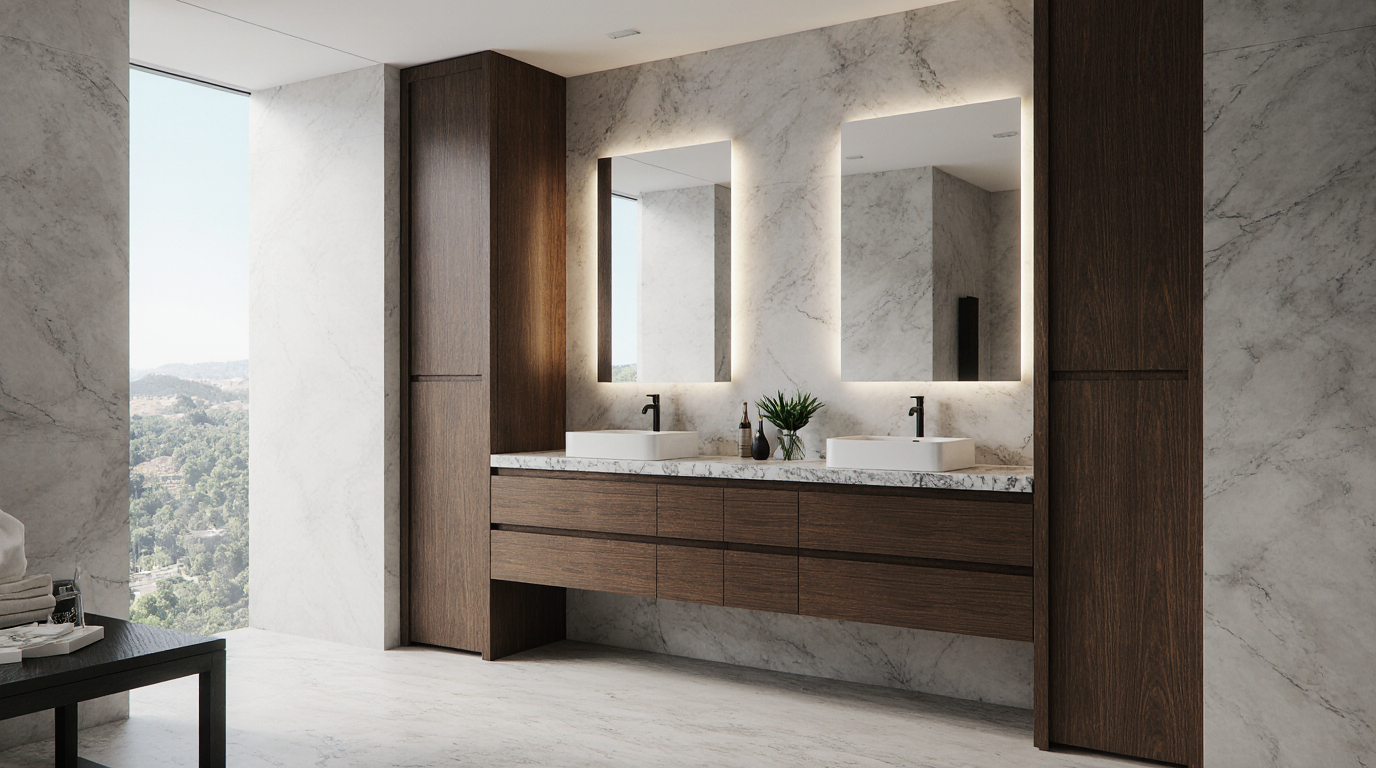
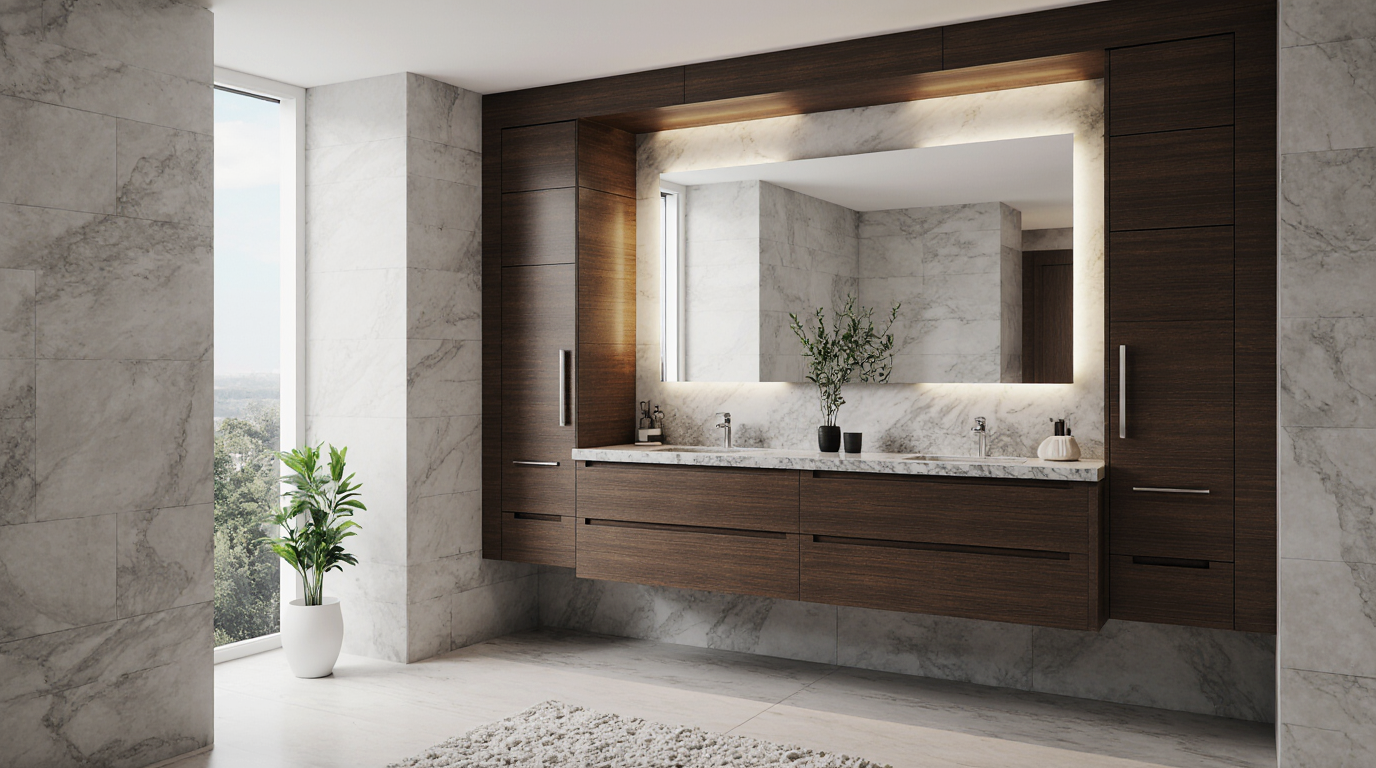
Design complexity directly influences the cost of custom bathroom cabinets, intricate detailing, including ornamental moldings, inset panels, and curved profiles, demands specialized labor and higher costs. Minimalist designs, although generally less expensive, still require precision to achieve seamless results. High-end solutions like floating units, mirrored integrations, and full-wall cabinetry often escalate expenses owing to installation complexity and reinforcement requirements. Many consider these upgrades worthwhile, transforming standard bathrooms into elegant, high-end sanctuaries.
Skilled craftsmanship is a crucial component of overall cabinetry expense, because expert labor guarantees flawless execution and enduring cabinet performance. Labor includes design consultation, precise measurement, material preparation, finishing, and installation. Urban areas typically incur elevated labor expenses, whereas smaller markets may offer more affordable skilled labor. Investing in experienced craftsmen provides enduring beauty, precise finishes, and reliable functionality.
The scale of the bathroom and the amount of cabinetry required influence final investment, limited spaces call for essential cabinets, but expansive bathrooms involve numerous custom storage solutions. Each additional piece increases both material and labor expenses. Larger bathrooms require careful collaboration between designers, plumbers, and electricians to ensure perfect fit around fixtures and utilities. Professional guidance in design and planning secures flawless execution and financial efficiency.
Geography and project scale affect custom cabinet costs, with metropolitan areas typically seeing higher labor rates and material markups. Renovations involving plumbing or electrical upgrades add to expenses. Green materials and finishes may require specialized sourcing and treatments, increasing price but enhancing environmental impact.
Choosing high-quality hardware can noticeably influence total investment, hardware quality directly affects smooth operation, tactile experience, and long-term durability. Bespoke hardware options provide tailored elegance, integrating seamlessly with design schemes. Even minor investments in top-grade hardware yield substantial improvements in function and style.
Considering cost brackets aids in realistic financial planning for cabinetry. These figures fluctuate according to geographic, design, and workmanship factors. Collaborating with reputable designers ensures functional, beautiful bathrooms that remain within budget.
Assessing the lasting benefits of bespoke cabinetry adds perspective, in addition to design impact, they elevate home marketability and investment return. Custom cabinets optimize organization, ergonomics, and space efficiency, improving everyday functionality. Timeless designs and durable materials ensure that investments provide value for decades.
In the end, cost comprehension requires recognizing factors influencing both expenditure and functionality, from material choice and finishes to design intricacy and craftsmanship. Stock solutions might offer short-term savings, but bespoke cabinets convert ordinary bathrooms into personalized retreats. For homeowners seeking both refined functionality and elevated aesthetics, investing in custom bathroom cabinets is among the most rewarding home upgrades.