Cost of Countertops Pasco County FL
Cost of Countertops: Understanding What Shapes the Price of Your Dream Surface
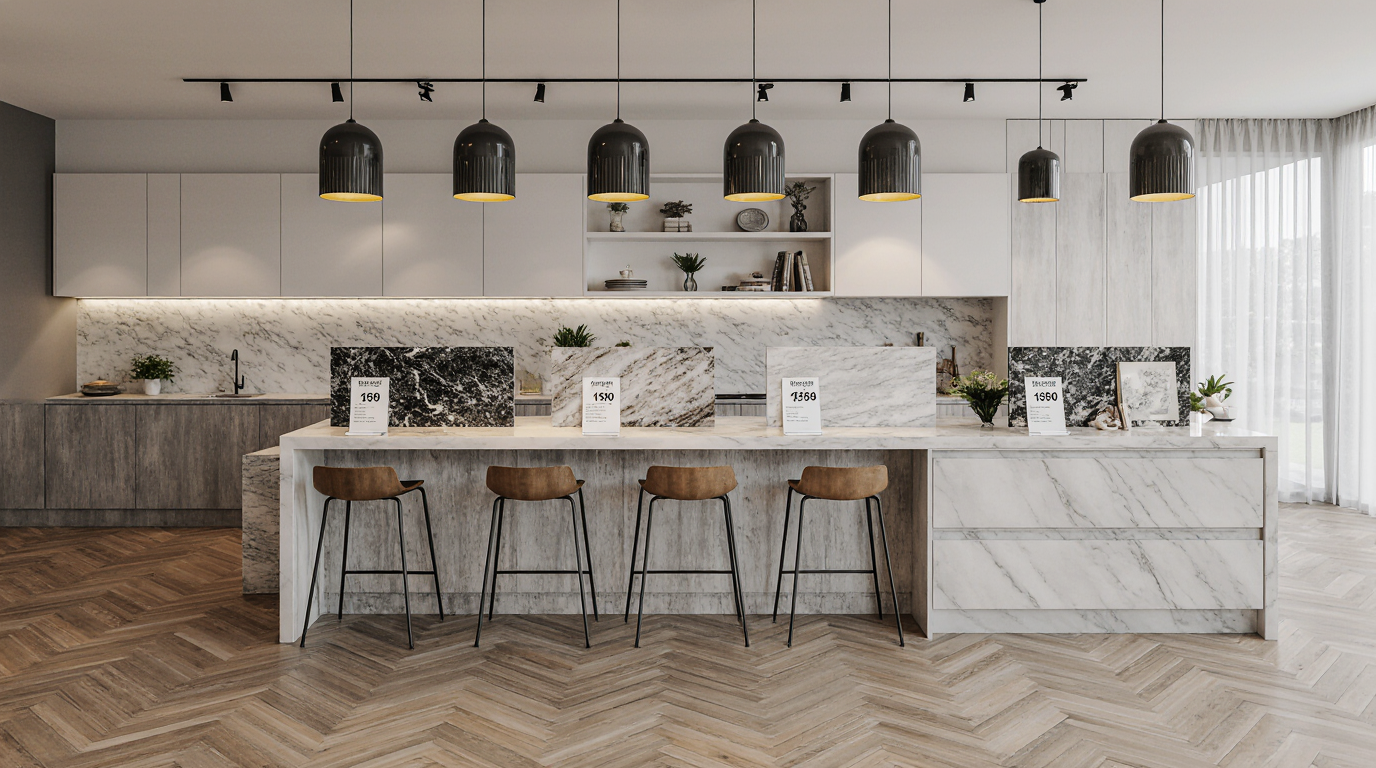
Countertop pricing is a complex and decisive aspect of home renovations, yet many homeowners misinterpret what drives these costs, as homeowners frequently begin their remodeling journey imagining a single price per square foot, when in reality, pricing fluctuates dramatically based on material selection, design complexity, installation methods, and regional supply availability. Whether choosing luxurious granite, modern quartz, or cost-effective laminates, comprehending these pricing drivers allows for informed decisions that balance beauty, durability, and budget constraints.
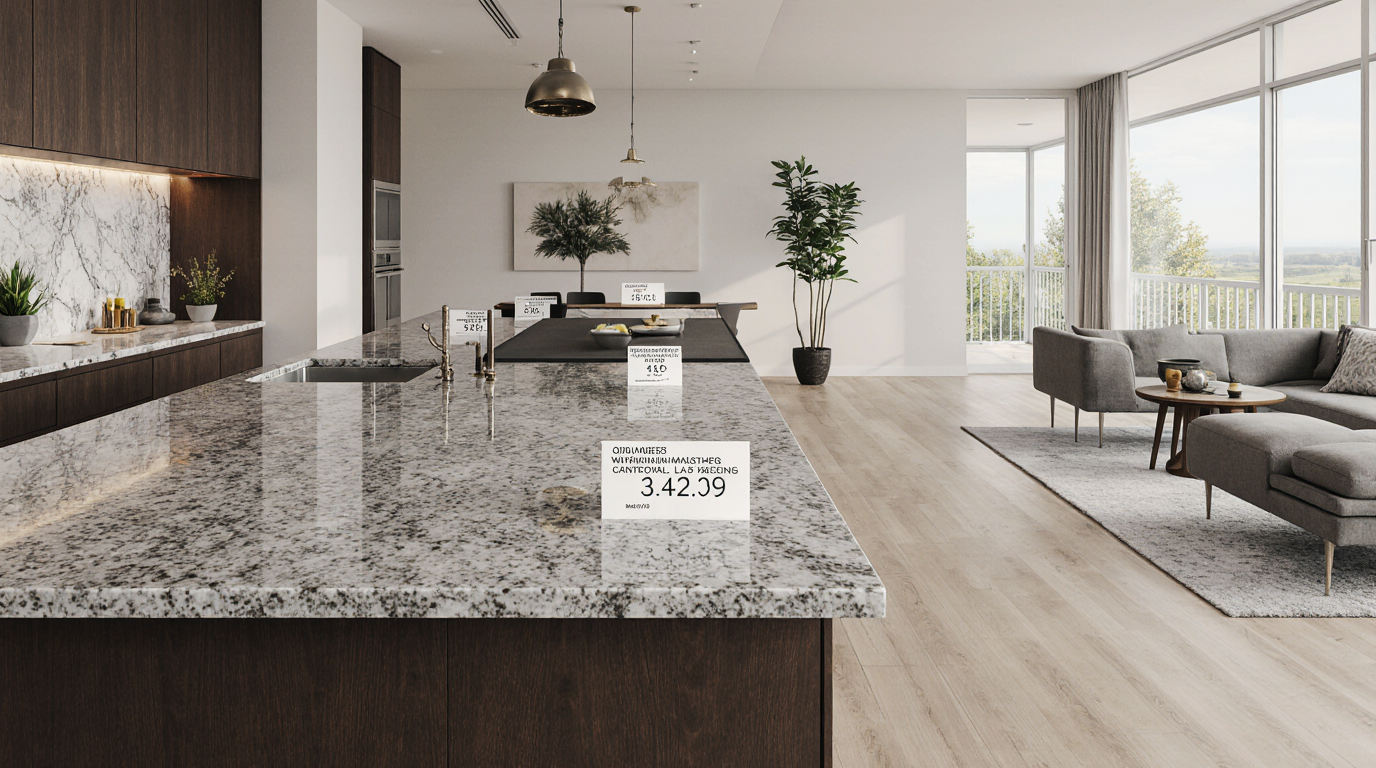
Granite countertops are often the first example that comes to mind when discussing premium surfaces, combining natural elegance with long-lasting durability. The cost of granite is influenced by the stone’s origin, unique coloration, and thickness, making imported slabs more expensive and coveted. Additional features such as edge profiling, cutouts for sinks, and backsplash installation contribute to overall costs, while many homeowners view granite as a long-term investment that enhances property value.
Quartz countertops have surged in popularity for blending natural quartz crystals with resin, yielding consistent colors and patterns not found in natural stones. Unlike granite, quartz does not require sealing, which makes it an appealing low-maintenance option. Quartz costs vary according to thickness, color, and brand, where renowned manufacturers demand a premium for their reliable quality and design diversity.
Laminate surfaces remain an economical solution for those seeking attractive countertops without high costs. Laminate is made from layered materials over a substrate, providing ease of installation and varied aesthetic options. Advancements in laminate technology have bolstered its lifespan and design quality, ideal for secondary kitchens or areas where heavy wear is minimal. Solid surface countertops, crafted from acrylic or polyester resins, offer seamless joints and easy repairability, making them a practical choice. Solid surface countertops provide a harmonious compromise between budget and style. Nonporous and easily maintained, solid surfaces are perfect for busy households seeking durability and hygiene.
Concrete is highly adaptable, allowing bespoke shapes, embedded elements, and personalized textures for dramatic kitchen designs. Concrete pricing reflects the artisanal effort, unique fabrication, and critical sealing required to maintain durability. Despite more intensive upkeep, concrete surfaces offer unparalleled visual and tactile appeal. Marble countertops are synonymous with luxury, admired for their veining, soft glow, and timeless elegance. The cost varies widely, particularly for rare varieties like Calacatta or Statuario. Maintenance demands include preventing etching and staining, requiring commitment beyond initial cost.
Sustainable countertop materials like bamboo and recycled glass appeal to those prioritizing ecological impact. Pricing for eco-friendly countertops reflects production intricacy, rarity, and labor intensity. These materials transform waste into striking countertops, merging artistic expression with sustainable practice. Professional installation significantly affects countertop cost, ensuring precise seams, supported structures, and accurate edges. Materials like natural stone or concrete may require specialized tools and labor, raising installation costs. Off-the-shelf countertop slabs reduce installation cost but offer less creative freedom than custom-built solutions.
The dimensions and complexity of your kitchen design determine countertop pricing, including islands, curves, and cutouts. Custom edge treatments and finish types add labor and cost, influencing final countertop investment. Recognizing the effects of size, shape, and finishes allows homeowners to strategize budget and design choices effectively. Regional availability and supplier pricing influence the final countertop cost, with urban centers typically charging more for labor and transportation. Exploring multiple fabricators, stone yards, and remnants can uncover hidden savings. Strategic sourcing and willingness to adapt can substantially lower expenses while achieving high-end appearances.
Long-term value should be weighed alongside upfront costs, as durable countertops like quartz or granite last decades and increase resale value. While cost-effective initially, cheaper materials may necessitate more frequent renovation, affecting total investment. Analyzing durability and expected lifespan clarifies the real value of premium versus budget options. Ultimately, countertop cost transcends numerical figures, encompassing lifestyle, taste, and daily use patterns. Materials like wood, marble, or engineered stone each embody distinct functional and aesthetic narratives. Informed selection ensures countertops meet both stylistic ambitions and budget constraints, creating spaces that are beautiful, functional, and long-lasting.