Cost of Countertops Lee County FL
Countertop Costs Explained: Factors Influencing Your Ideal Surface Price
The cost of countertops is one of the most decisive factors when remodeling a kitchen or bathroom, yet it remains one of the most misunderstood, as homeowners frequently begin their remodeling journey imagining a single price per square foot, when in reality, pricing fluctuates dramatically based on material selection, design complexity, installation methods, and regional supply availability. Knowing what shapes countertop costs empowers homeowners to select surfaces—from opulent granite to practical laminates—that meet both style preferences and budgetary requirements.
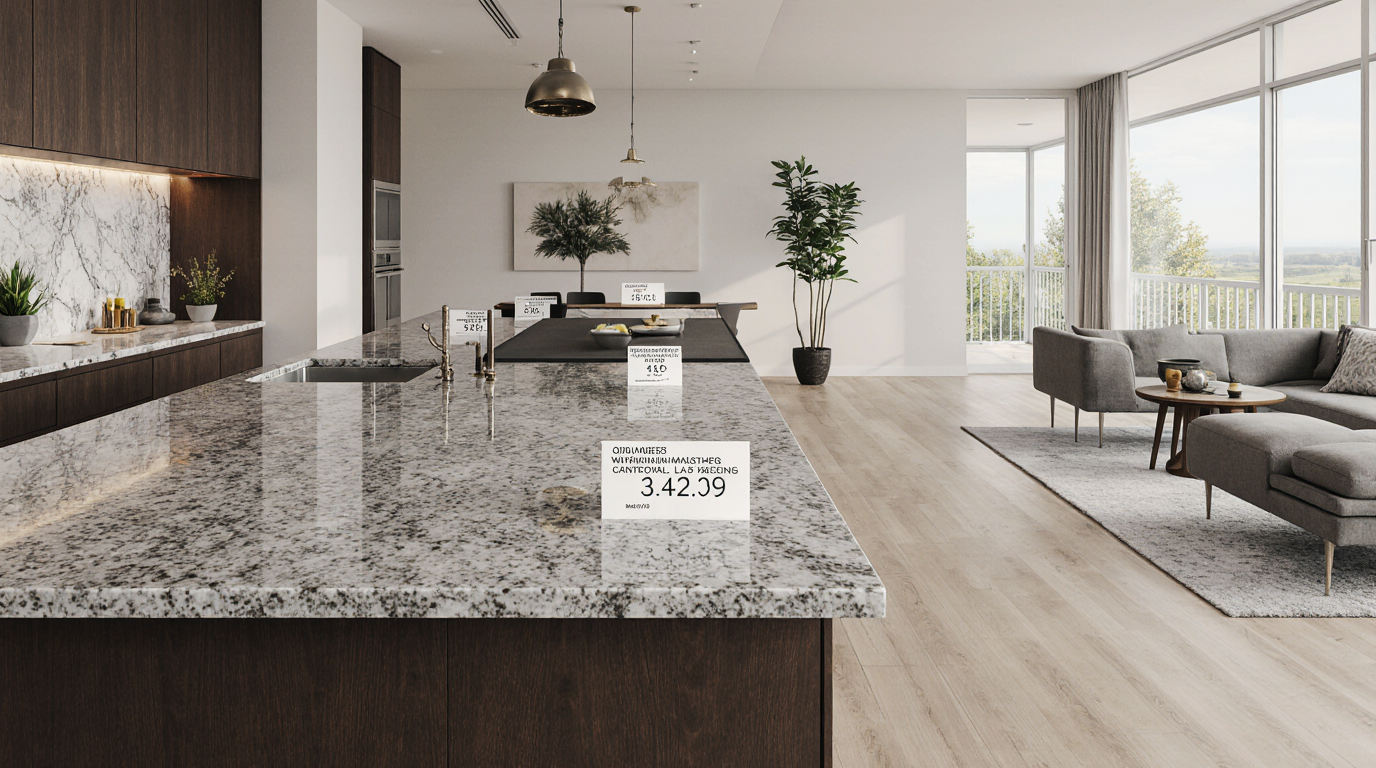
When envisioning high-end surfaces, granite is immediately recognized for its unmatched beauty and resilience. Pricing granite depends on multiple elements including color rarity, slab thickness, and origin, with imported stones from countries like Brazil or Italy commanding higher prices than domestic options. Customizations like edge finishes, sink cutouts, and integrated backsplashes add to the final price, yet the long-term value and property appeal often justify the expenditure.
Quartz has become a sought-after material because it merges natural crystals with resin, producing a consistent, high-quality surface that rivals natural stone. Quartz countertops offer a maintenance advantage by eliminating the need for sealing, ensuring long-term ease of care. Quartz costs vary according to thickness, color, and brand, where renowned manufacturers demand a premium for their reliable quality and design diversity.
For budget-conscious homeowners, laminate countertops offer an affordable yet visually appealing alternative, mimicking wood, stone, or marble. Constructed from layers of plastic bonded to particleboard, laminate is quick to install and versatile in design. Advancements in laminate technology have bolstered its lifespan and design quality, ideal for secondary kitchens or areas where heavy wear is minimal. Solid surface countertops, crafted from acrylic or polyester resins, offer seamless joints and easy repairability, making them a practical choice. The cost of solid surfaces reflects a middle ground, offering both affordability and premium features. They resist stains, can be refinished, and are hygienic, making them ideal for frequent cooking and family kitchens.
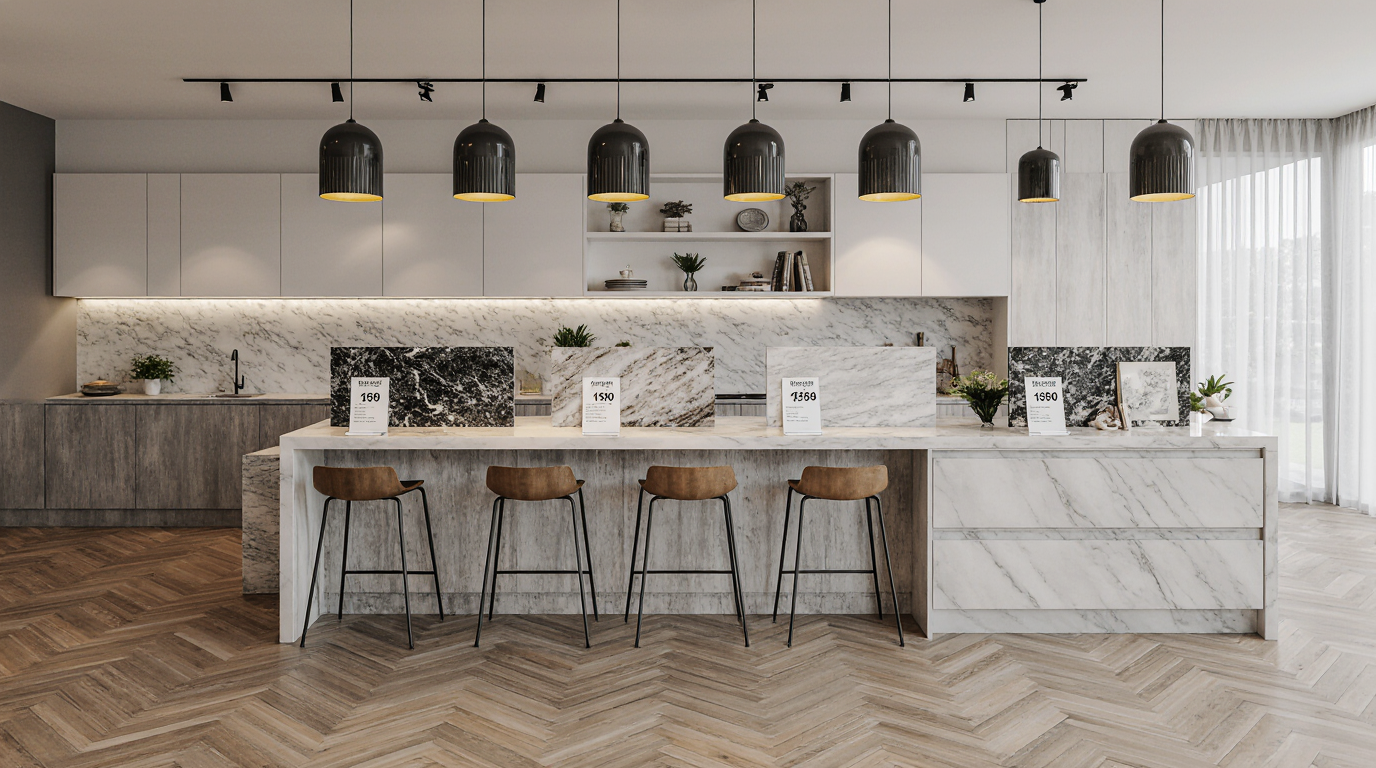
Concrete countertops have emerged as a statement material for rustic or industrial-inspired kitchens, offering custom shapes and creative finishes. Concrete pricing reflects the artisanal effort, unique fabrication, and critical sealing required to maintain durability. Although requiring more attention, concrete countertops create a bespoke, artistic focal point not achievable with conventional materials. Marble remains the benchmark of sophistication, offering unmatched elegance and visual impact. The cost varies widely, particularly for rare varieties like Calacatta or Statuario. Marble’s delicate nature requires attentive care to maintain its elegance, adding to the overall cost and effort.
For green-minded homeowners, recycled glass and bamboo surfaces provide unique, sustainable design alternatives. Cost varies depending on material complexity, availability, and manufacturing methods. These materials transform waste into striking countertops, merging artistic expression with sustainable practice. Installation fees vary by complexity and material, but professional service ensures exacting standards and structural support. Materials like natural stone or concrete may require specialized tools and labor, raising installation costs. Homeowners may opt for ready-made slabs to reduce costs, accepting fewer options for personalization.
Countertop expenses scale with layout intricacy, material quantity, and the inclusion of design features like rounded edges or islands. Custom edge treatments and finish types add labor and cost, influencing final countertop investment. Evaluating layout, edge profiles, and surface textures helps optimize spending and achieve the desired aesthetic outcome. Local availability, shipping fees, and labor rates create cost variations across regions. Sourcing alternatives and flexible material selection often reduce overall expenditure without sacrificing style. Flexibility in material and design selection frequently results in cost-effective solutions while maintaining visual appeal.
Long-term value should be weighed alongside upfront costs, as durable countertops like quartz or granite last decades and increase resale value. While cost-effective initially, cheaper materials may necessitate more frequent renovation, affecting total investment. A comprehensive view of initial cost versus longevity allows homeowners to make financially and aesthetically advantageous choices. The expense of countertops is more than financial—it reflects personal style, usage frequency, and design priorities. Materials like wood, marble, or engineered stone each embody distinct functional and aesthetic narratives. By exploring all available options, homeowners can confidently select a surface that aligns with both aesthetic vision and financial realities, resulting in enduring, personalized kitchens or bathrooms.