Cost of Countertops Charlotte County FL
Countertop Costs Explained: Factors Influencing Your Ideal Surface Price
Countertop pricing is a complex and decisive aspect of home renovations, yet many homeowners misinterpret what drives these costs, homeowners usually start with a simplified cost expectation per square foot, while in practice, the final price is influenced by a myriad of factors including material choice, construction complexity, installation procedures, and location-based availability. Whether choosing luxurious granite, modern quartz, or cost-effective laminates, comprehending these pricing drivers allows for informed decisions that balance beauty, durability, and budget constraints.
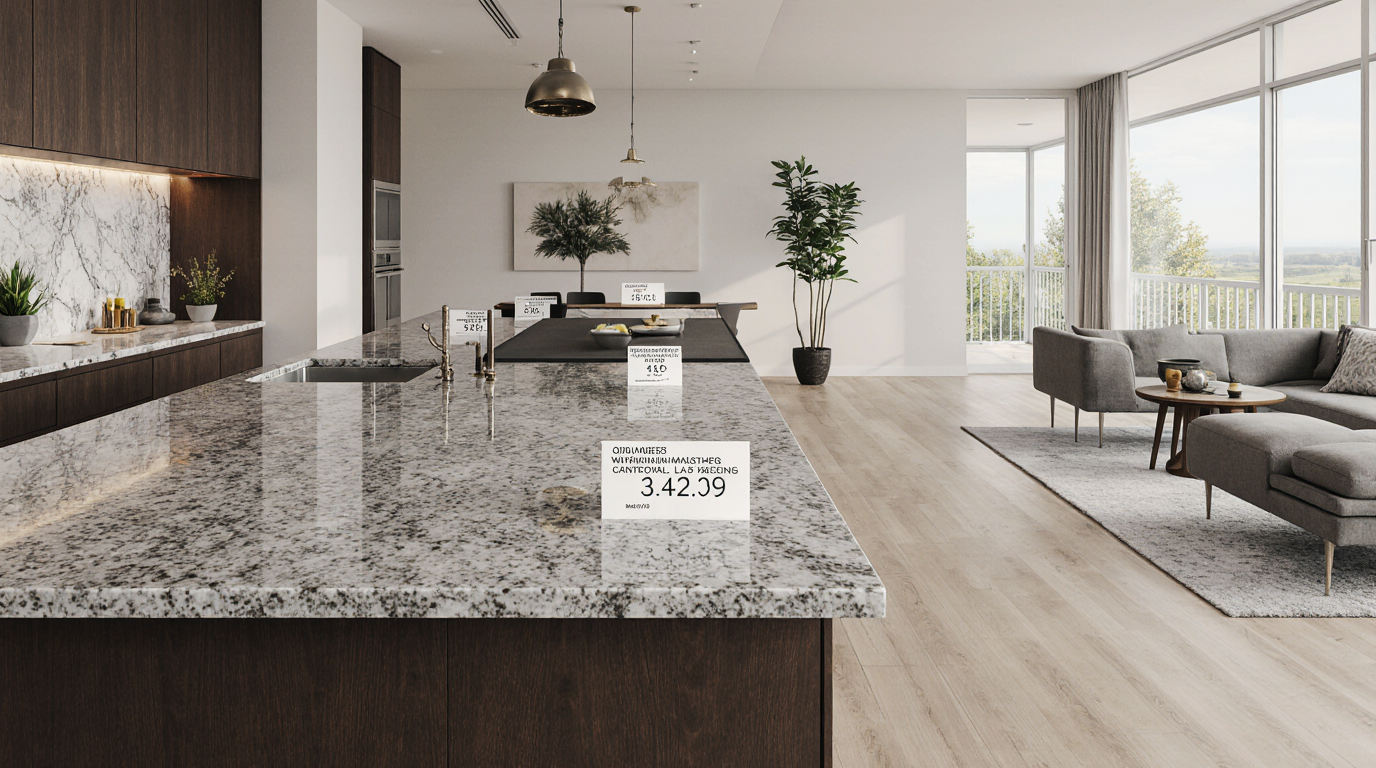
When envisioning high-end surfaces, granite is immediately recognized for its unmatched beauty and resilience. Pricing granite depends on multiple elements including color rarity, slab thickness, and origin, with imported stones from countries like Brazil or Italy commanding higher prices than domestic options. Edge details, sink cutouts, and backsplash integration increase granite pricing, which is offset by its durability and the added real estate value it provides.
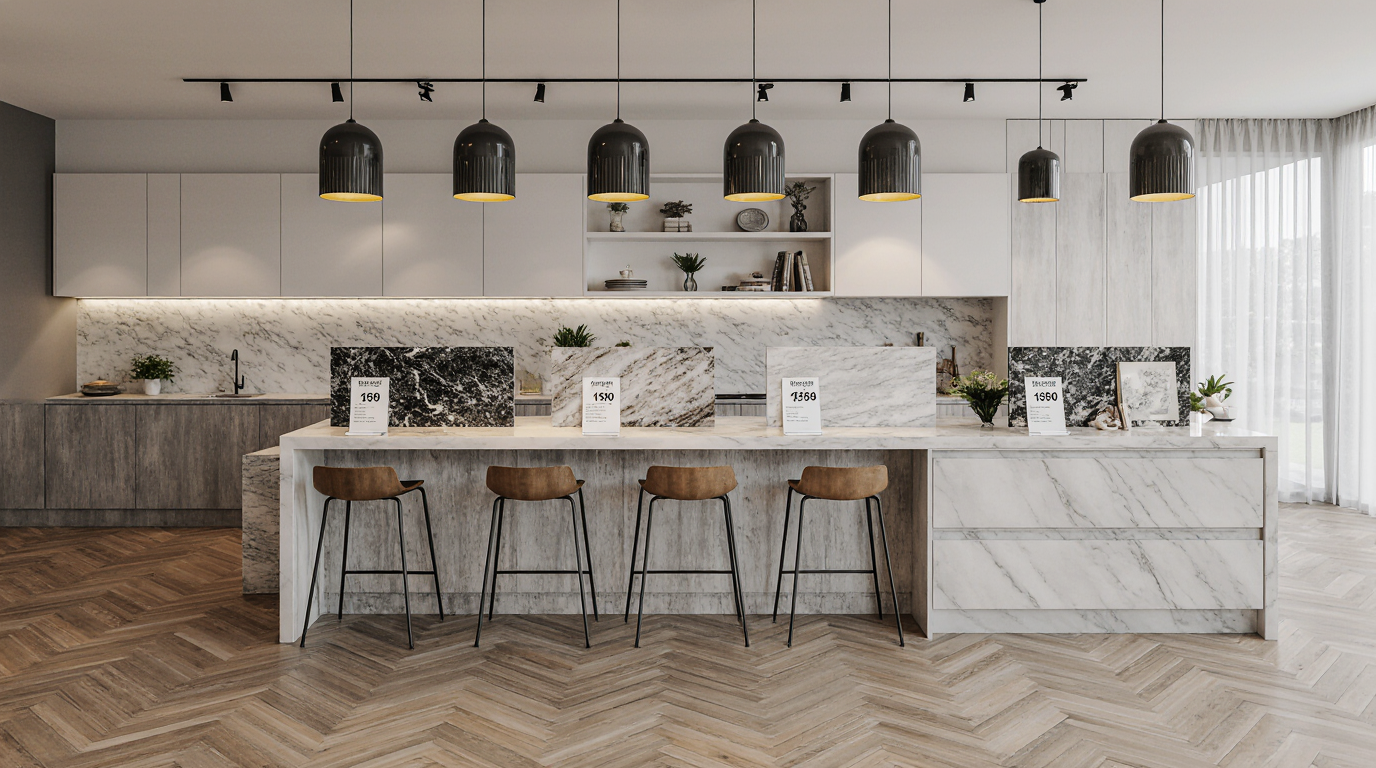
Quartz has become a sought-after material because it merges natural crystals with resin, producing a consistent, high-quality surface that rivals natural stone. Unlike granite, quartz does not require sealing, which makes it an appealing low-maintenance option. Pricing depends on thickness, brand, and color selection, with premium brands like Caesarstone or Silestone commanding higher rates due to quality assurance and extensive design options.
Laminate surfaces remain an economical solution for those seeking attractive countertops without high costs. With layered plastic bonded to a core board, laminate countertops are both lightweight and adaptable, simplifying installation. Recent innovations have enhanced laminate’s durability and visual appeal, making it practical for spaces with moderate use. Solid surface countertops, crafted from acrylic or polyester resins, offer seamless joints and easy repairability, making them a practical choice. Solid surface countertops provide a harmonious compromise between budget and style. They resist stains, can be refinished, and are hygienic, making them ideal for frequent cooking and family kitchens.
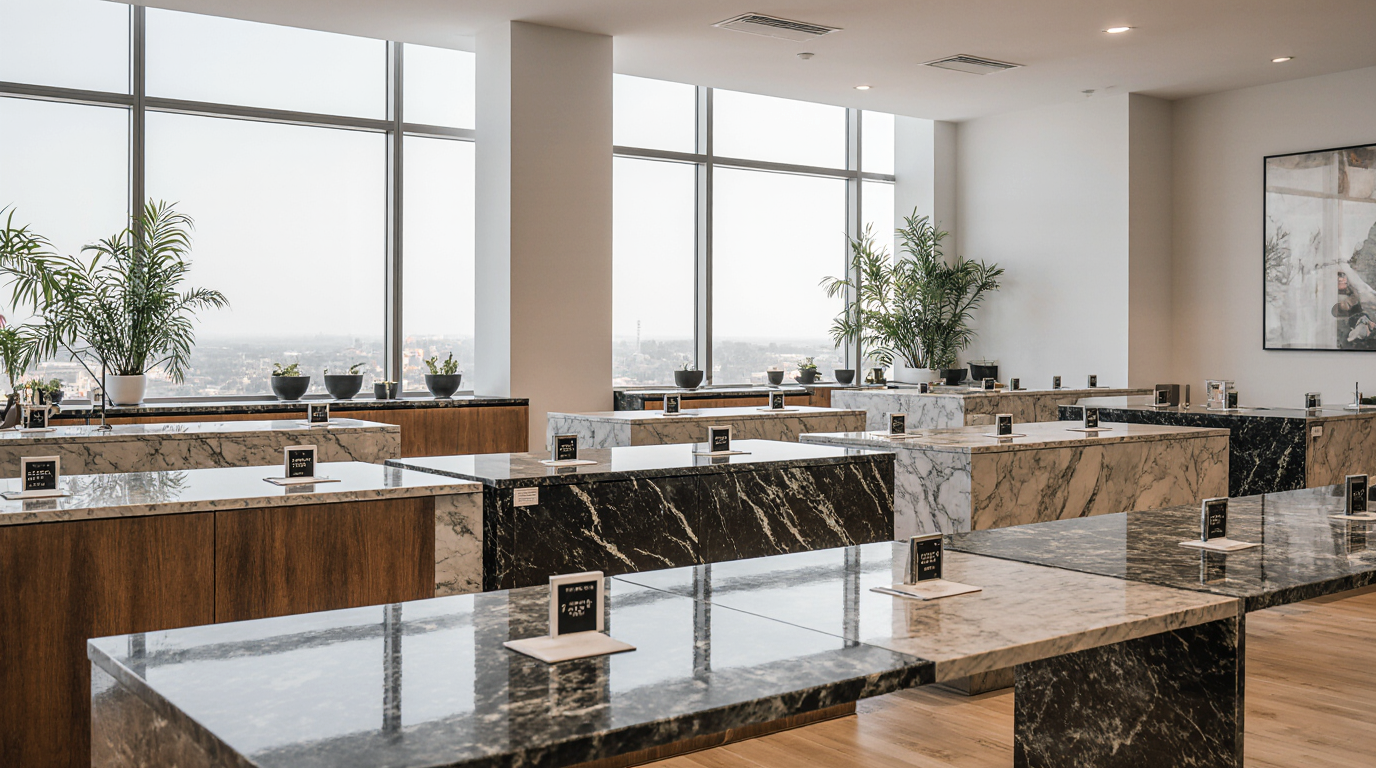
Concrete countertops have emerged as a statement material for rustic or industrial-inspired kitchens, offering custom shapes and creative finishes. Their cost is elevated due to labor-intensive craftsmanship, handmade molds, and essential sealing for longevity. Although requiring more attention, concrete countertops create a bespoke, artistic focal point not achievable with conventional materials. Marble remains the benchmark of sophistication, offering unmatched elegance and visual impact. Premium marbles such as Calacatta or Statuario command significant investment due to rarity and aesthetic perfection. Maintenance demands include preventing etching and staining, requiring commitment beyond initial cost.
Eco-friendly options such as recycled glass and bamboo countertops are growing in popularity for environmentally conscious homeowners. Cost varies depending on material complexity, availability, and manufacturing methods. Recycled glass offers vibrant, embedded fragments in resin or concrete bases, providing bold designs with environmental benefits. Professional installation significantly affects countertop cost, ensuring precise seams, supported structures, and accurate edges. Installation complexity rises with weight, cutting requirements, and cabinet adjustments, impacting total expenditure. Homeowners may opt for ready-made slabs to reduce costs, accepting fewer options for personalization.
Countertop expenses scale with layout intricacy, material quantity, and the inclusion of design features like rounded edges or islands. Edge profiling and specialty finishes, such as honed, leathered, or polished textures, further impact pricing. Understanding these nuances enables informed decision-making when comparing quotes or planning future upgrades. Location and material sourcing significantly affect countertop prices, with metropolitan areas often being more expensive. Exploring multiple fabricators, stone yards, and remnants can uncover hidden savings. Flexibility in material and design selection frequently results in cost-effective solutions while maintaining visual appeal.
Considering longevity in addition to initial pricing helps determine true countertop value, particularly with resilient materials like granite or quartz. Budget options such as laminate may save initially but require replacement sooner. Assessing cost over the surface’s lifecycle provides clarity, with slightly higher upfront spending often resulting in greater long-term savings. Cost considerations intertwine with homeowner lifestyle, aesthetic preference, and practical requirements. Every material—from warm wood to sleek quartz—communicates a story about how you live and what you value. A thorough understanding of material, design, and cost enables the creation of spaces that are visually striking, practical, and enduring.