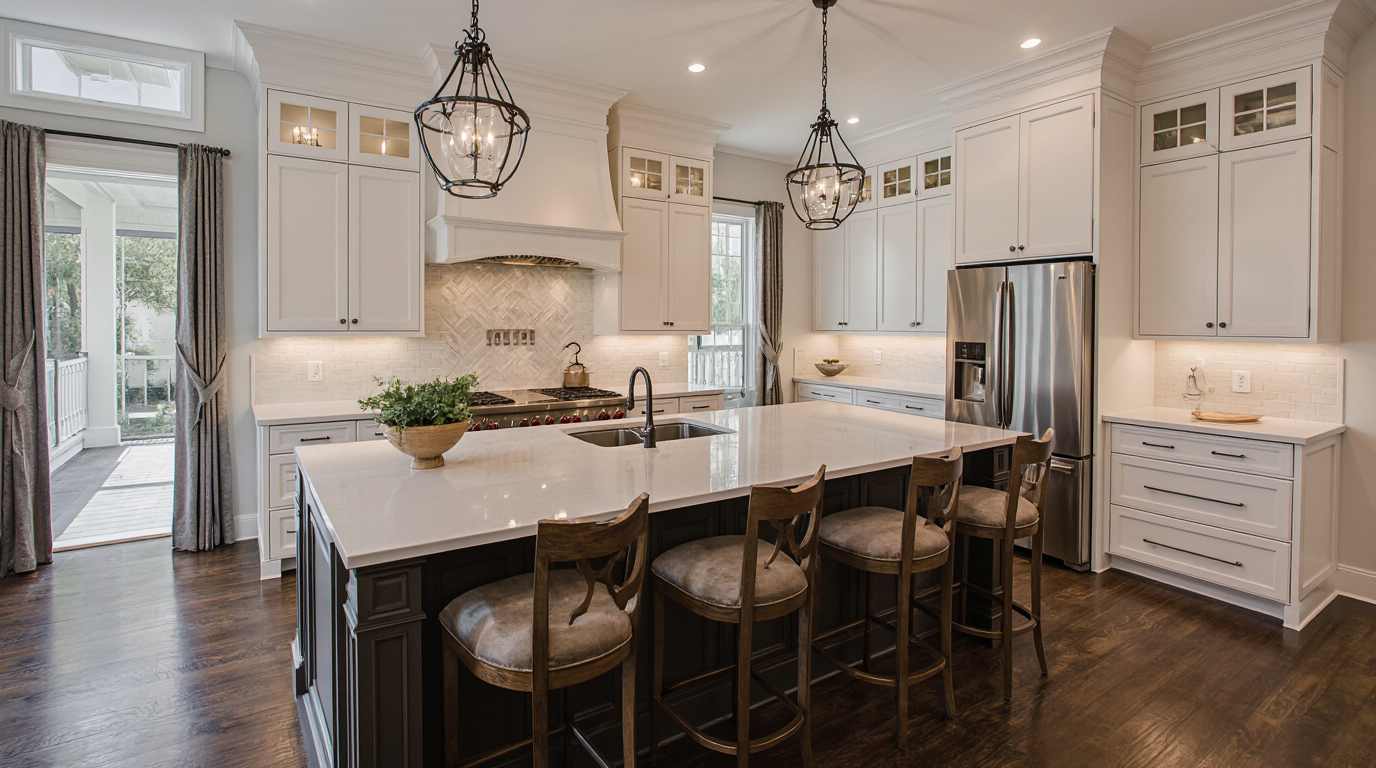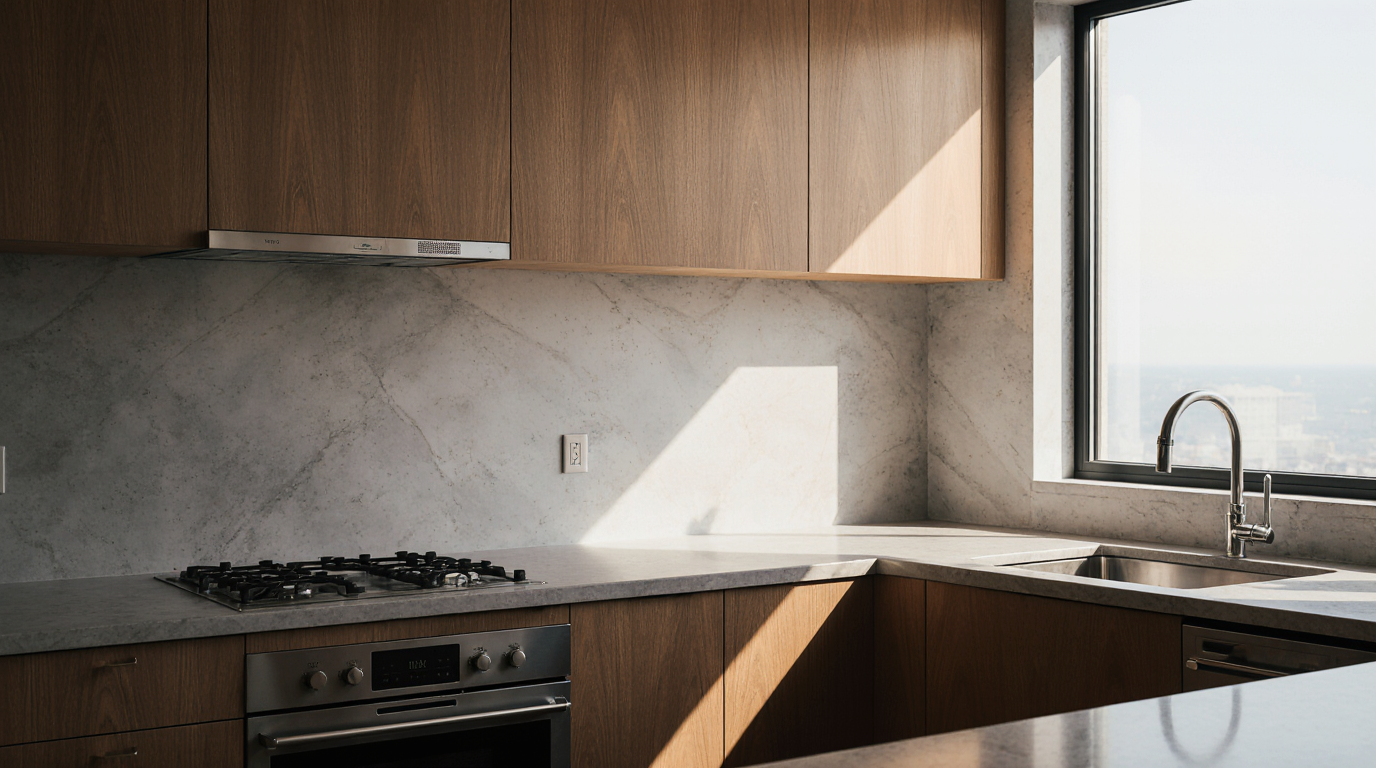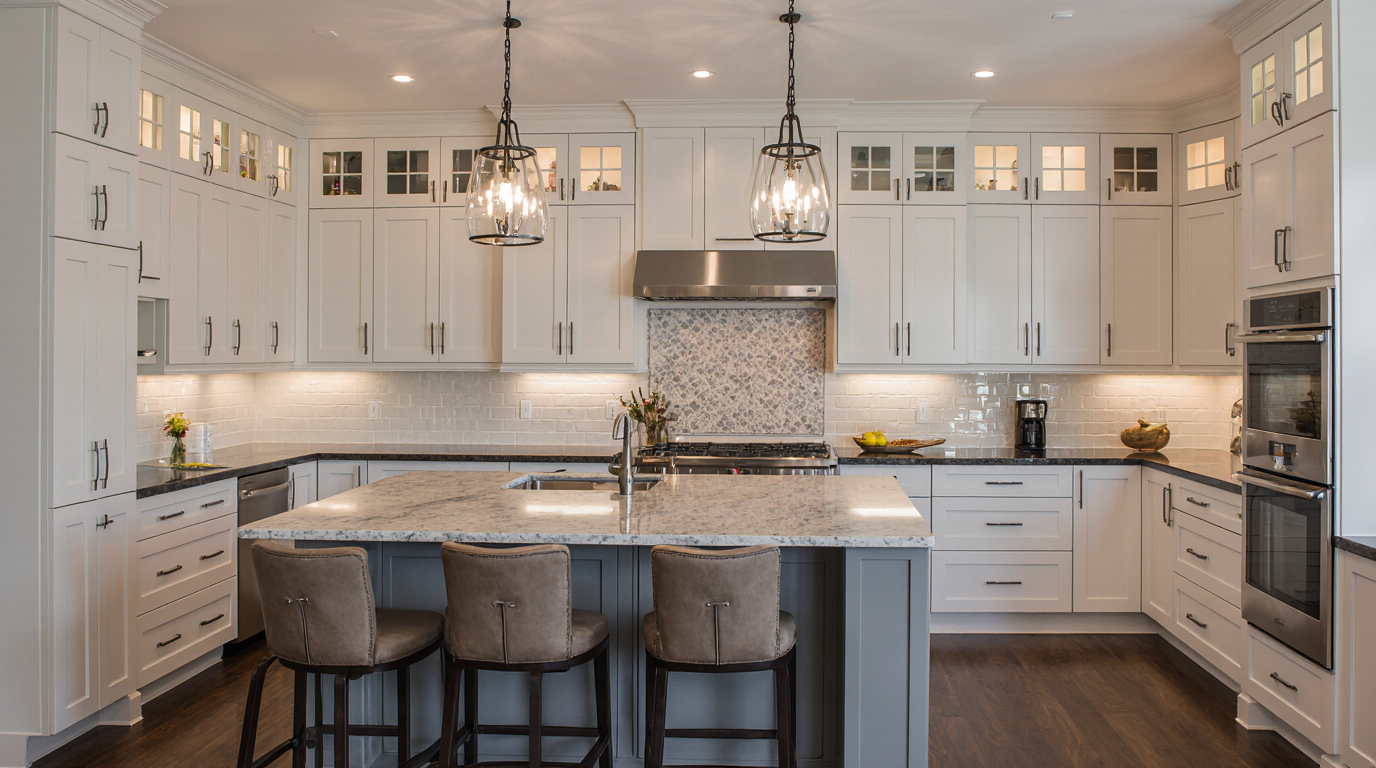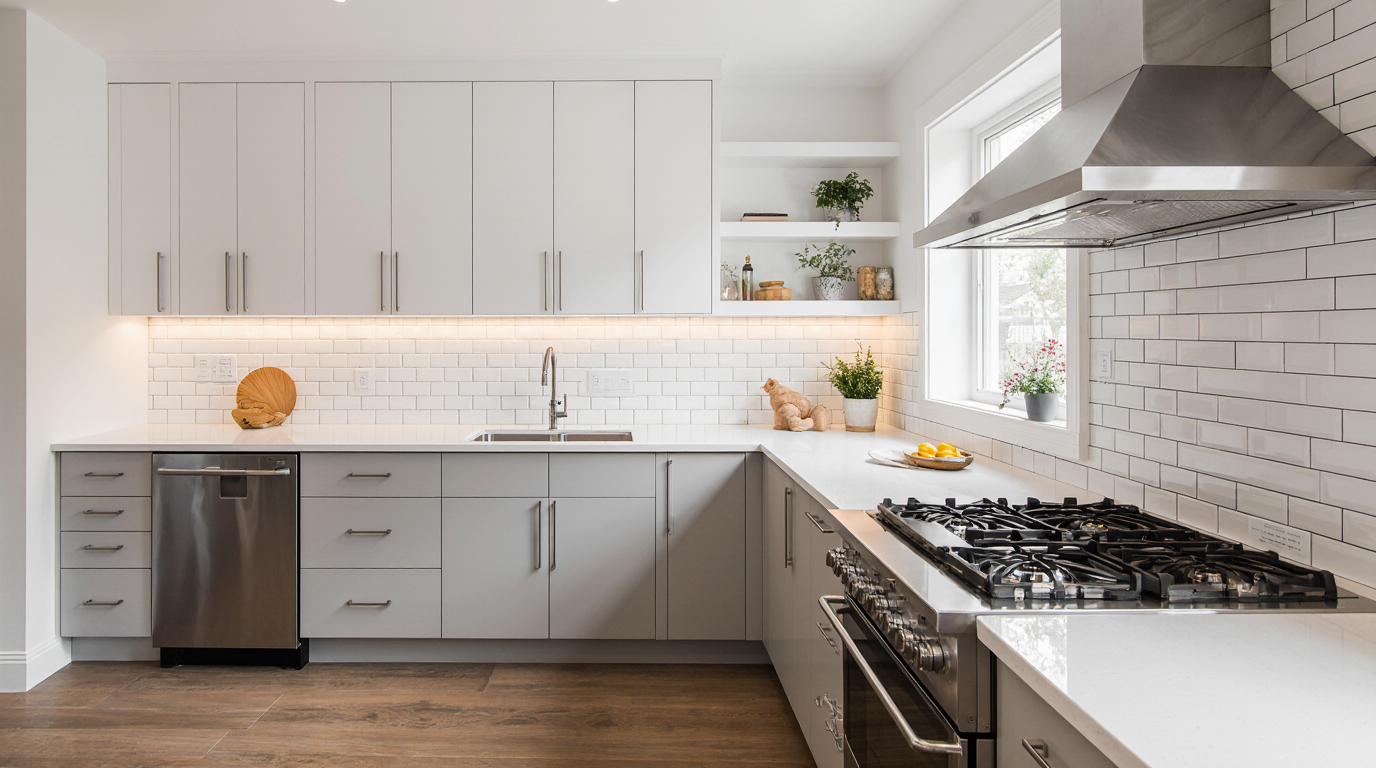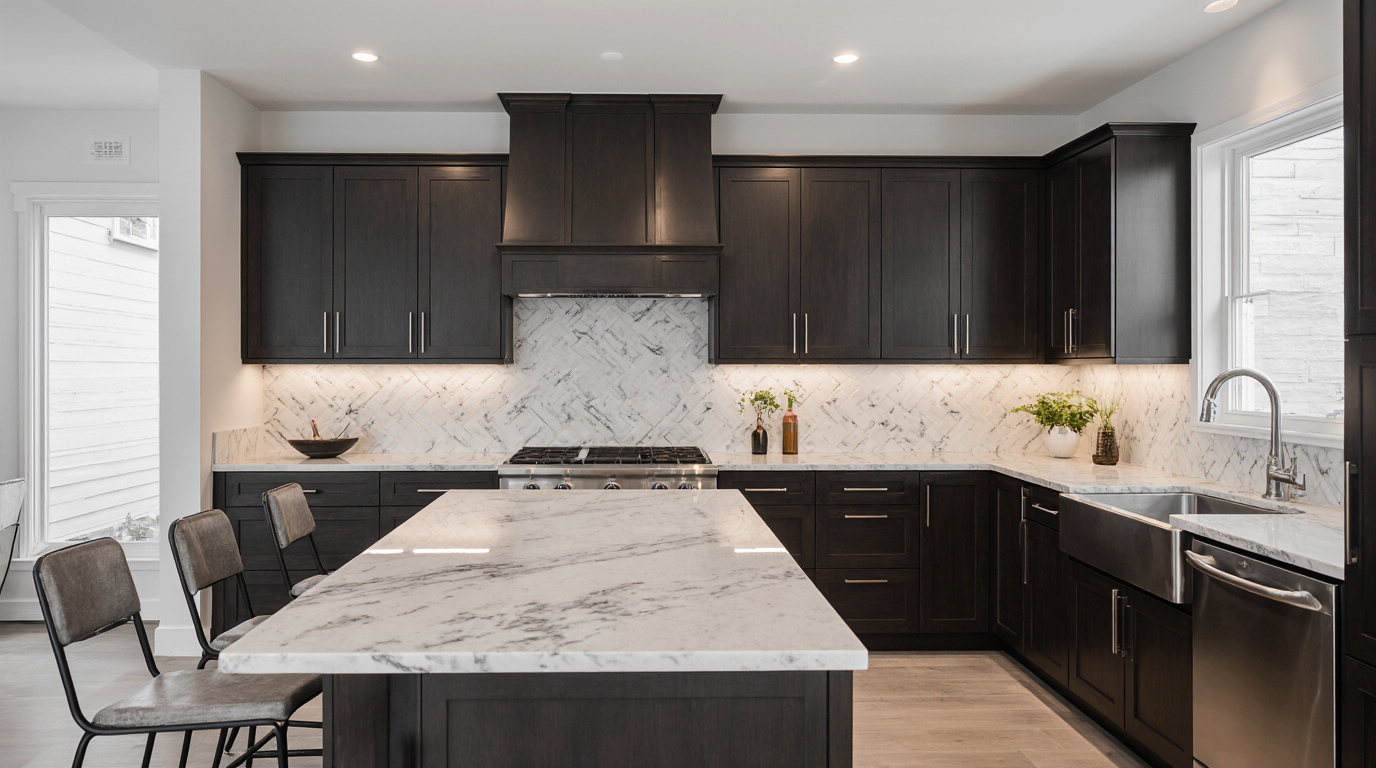
The most critical component of a complete kitchen remodel in Sarasota isn't the countertop material or the appliance package. It’s the wall cavity behind the drywall. What we do—or fail to do—with insulation, vapor barriers, and structural anchoring in that hidden space dictates whether your six-figure kitchen will last five years or thirty in our coastal climate.
Executive Summary: The Sarasota-Specific Kitchen Remodel
From my direct experience executing full kitchen rebuilds from Siesta Key condos to homes in The Meadows, a successful
From my direct experience executing full kitchen rebuilds from Siesta Key condos to homes in The Meadows, a successful project in Sarasota hinges on mitigating environmental threats first and addressing aesthetics second. We are not just building a kitchen; we are engineering a space to resist moisture, salt, and extreme weather. The focus must be on materials that won't warp, hardware that won't rust, and a building envelope that is properly sealed and ventilated.
- Material Priority: Marine-grade plywood for cabinet boxes is the baseline, not an upgrade.
- Code Compliance: All exterior-facing elements (windows, doors) must meet Florida Building Code requirements for wind-borne debris regions.
- HOA Navigation: Design and construction plans often require detailed submissions to Homeowner or Condo Association review boards, with approval timelines that can add 30-60 days to the pre-construction phase.
- Ventilation Strategy: A high-CFM, externally vented range hood is non-negotiable to manage indoor humidity generated from cooking, a major contributor to long-term moisture issues.
The Planning Failures That Inflate Costs After a Contract Is Signed
The most common and costly mistakes I see stem from underestimating our local environment. A client will fall in love with a design from a national magazine, and the contractor, eager to please, will agree to replicate it without adapting the material specifications for Sarasota's humidity and salt air. This leads to catastrophic failures down the line.
Forgetting to budget for unforeseen structural or system issues is another major pitfall. In older homes, particularly in areas like Gillespie Park or the historic mainland neighborhoods, opening up walls frequently reveals outdated knob-and-tube wiring or plumbing that must be brought up to current code. A 15-20% contingency fund isn't a suggestion; it's a mandatory buffer.
The Single Most Expensive Oversight: Ignoring the Building Envelope
The costliest error I’ve consistently seen is focusing the entire budget on visible finishes while ignoring the building envelope. A client once insisted on a top-of-the-line appliance suite and imported marble but balked at the cost of replacing a 20-year-old window in the kitchen. A year later, water intrusion during a tropical storm seeped behind their new custom cabinets, causing delamination and creating a mold issue that required a partial tear-out. The cost to remediate the damage was nearly triple what the new, impact-rated window would have cost.
The Complete Remodel Process in Practice Here
A full kitchen rebuild in Sarasota is a multi-stage process involving design, permitting, demolition, and reconstruction. It begins with a deep analysis of the existing structure and mechanical systems. Once a design is finalized, architectural and engineering drawings are submitted to the Sarasota County Building Department for review and permit issuance, a process that can take several weeks.
Demolition is followed by the "rough-in" phase, where plumbing, electrical, and HVAC lines are moved or installed. This is the point of no return for the layout. After inspections, we close the walls, install flooring and cabinets, and then proceed to countertops, backsplashes, and appliance installation. Each of these stages requires a sign-off from a county inspector.
Key Contractor Selection Criteria for Sarasota Homeowners
- Verifiable Experience on Barrier Islands: Ask for project addresses on Longboat, Lido, or Siesta Key. A contractor who has successfully completed work there understands how to manage logistics with limited access and how to specify materials that resist direct salt spray.
- In-House or Established Relationship with a Structural Engineer: Removing walls, especially in older homes or condos, requires an engineer's assessment and stamp. A contractor without this relationship will cause significant delays.
- Deep Knowledge of HOA Processes: They should be able to show you redacted approval letters from prominent HOAs (e.g., Lakewood Ranch, Palmer Ranch). This proves they know how to navigate the bureaucratic hurdles that can stall a project for months.
- A Transparent Change Order Process: Ask to see a blank copy of their change order form. It should clearly state the cost of the change and the impact on the project schedule, requiring your signature before any additional work is performed.
Comparing a Full Rebuild to Other Options
A complete kitchen rebuild is the most intensive and expensive option, but it's often the only one that can correct fundamental layout flaws, update dangerous electrical systems, or create the open-concept living space that drives property value in our market. It's crucial to weigh it against less disruptive alternatives.
| Factor | Complete Kitchen Rebuild | Cabinet Refacing & Countertop Replacement | "Pull and Replace" (Same Layout) |
|---|---|---|---|
| Typical Cost Range | $75,000 - $200,000+ | $15,000 - $35,000 | $40,000 - $80,000 |
| Project Duration | 3 - 6+ months | 1 - 2 weeks | 4 - 8 weeks |
| Ability to Correct Layout | Total flexibility | None | None |
| Impact on Resale Value | Highest potential increase | Moderate cosmetic lift | Moderate update |
When a Full Rebuild Is the Wrong Choice
A complete rebuild is not the right path if your primary goal is a quick, cheap kitchen remodel before selling. The return on investment for a major renovation is rarely 100% in the short term. If your home's layout is functional and the cabinet boxes are solid wood and in good condition, a more cosmetic update like refacing or a "pull and replace" with new appliances will provide a better immediate financial return without the stress and lengthy timeline of a full demolition.
A Safe Hiring Checklist for Your Sarasota Project
Hiring the right team is the single most important decision you will make. Before signing any contract, verify every item on this list. This isn't about trust; it's about diligence.
- Verify their Florida Certified General Contractor license is active and without complaints on the state's Department of Business and Professional Regulation (DBPR) website.
- Confirm they carry both General Liability and Workers' Compensation insurance. Ask for the certificates and call the insurance provider to ensure the policies are current.
- Check for experience with the Sarasota County permitting portal. An inexperienced contractor can add weeks of delay simply by not knowing how to properly file documentation.
- Request a detailed, itemized scope of work. A one-page quote that says "Complete Kitchen Remodel" for a fixed price is a massive red flag.
- Speak to at least three local references whose projects were completed within the last 18 months. Ask specifically about communication, budget adherence, and how problems were resolved.
- Ensure the contract includes a clear statement on compliance with the Florida Building Code, particularly regarding requirements for impact-rated windows and doors if they are part of the scope.
- Discuss their material sourcing. Do they have established accounts with local suppliers who stock marine-grade materials and corrosion-resistant hardware suitable for our climate?
The Decisions That Truly Determine the Outcome
Two decisions, made early in the process, separate the smooth, on-budget projects from the chaotic, over-budget ones. The first is committing to a design and all material selections *before* demolition begins. Every change made after the project starts creates a ripple effect of delays and costs.
The second is hiring a professional for the design phase. Whether an architect, an interior designer, or a skilled kitchen designer from a reputable firm, their expertise is in translating your vision into a buildable plan. Trying to design a complex space yourself to save a few thousand dollars almost always leads to costly functional mistakes that you have to live with for years.
The Exact Moment Most Homeowners Get It Wrong
The critical mistake happens when homeowners solicit bids based on a vague idea instead of a complete set of drawings and specifications. They compare three quotes for a "modern kitchen renovation" and choose the lowest price, not realizing each contractor is bidding on a completely different level of quality and scope. The right way is to finalize your design and material list first, then give that exact same package to each contractor to bid on. This ensures you are comparing apples to apples and that the price reflects the actual project, not a contractor's optimistic guess.
Practical Answers About Remodeling Operations in Sarasota
Navigating the local bureaucracy and logistics is often the most frustrating part of a kitchen remodel. Understanding the specific hurdles in Sarasota can save you significant time and stress.
How do HOA Design Reviews Impact Timelines?
In master-planned communities like Lakewood Ranch or Palmer Ranch, or in many condo buildings, you cannot even apply for a building permit until you have approval from the association's Design Review Committee. This process can take 30 to 60 days and often requires detailed submissions, including material samples, color swatches, and contractor credentials. Starting demolition before receiving this formal written approval can result in fines and work-stoppage orders.
What Are the Key Florida Building Code Hurdles?
For a kitchen remodel, the FBC's main impact comes into play when you alter the building envelope. Any new window or exterior door must meet the code's wind-load and impact-resistance standards for our region. Furthermore, any electrical or plumbing work must be done by a licensed professional and brought up to the current code, which can be a significant hidden cost in older homes requiring panel upgrades or full rewiring.
Are There Special Considerations for Condos on the Keys?
Absolutely. Remodeling in a high-rise on Siesta or Longboat Key involves strict rules about work hours (typically 9 AM to 4 PM), debris removal logistics (requiring designated service elevators), and protecting common areas. You must also account for the corrosive salt air. This means specifying 316-grade stainless steel for all exterior-facing hardware and fasteners and ensuring any new balcony doors have high-performance weather stripping and robust water intrusion resistance ratings.