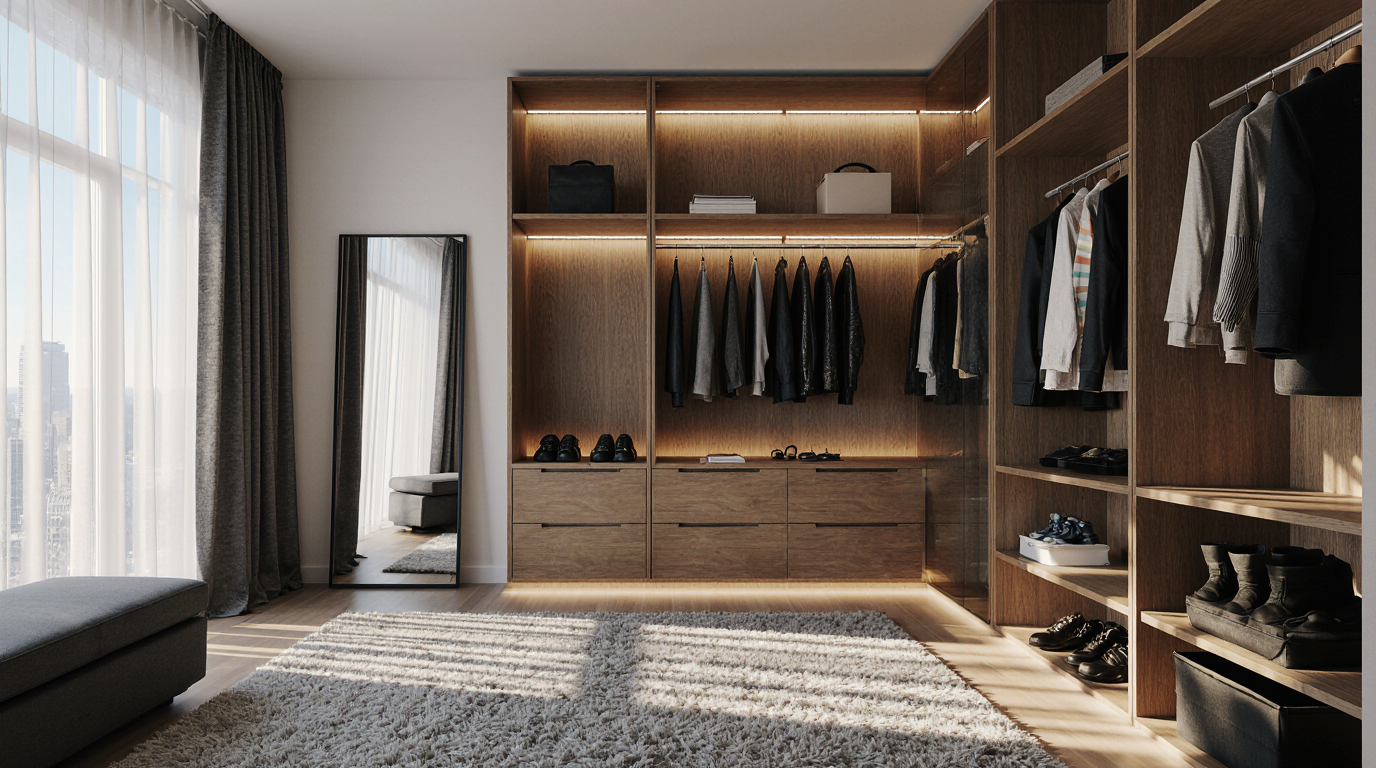
Custom Closet Engineering: A Structural Method for Maximizing Longevity in Sarasota Homes
Diagnostic Approach for High-Humidity Environments
Before a single piece of wood is cut, my process begins with a structural and environmental assessment of the space. In many luxury condos in downtown Sarasota, HVAC systems create microclimates that differ dramatically from single-family homes in Lakewood Ranch. I analyze airflow, proximity to bathrooms or laundry rooms, and direct sunlight exposure from windows. This initial data informs the engineering of the closet, ensuring ventilation is considered in the design to prevent stagnant, humid air from being trapped within the cabinetry.
This diagnostic phase also involves a deep dive into the client's inventory. A collection of heavy suits requires a different load-bearing strategy than a collection of shoes or handbags. I map out the space based on weight distribution and frequency of use, which directly influences the thickness of materials and the specific joinery techniques I employ. This preemptive planning prevents the long-term shelf sagging I'm often called in to fix in closets built with a one-size-fits-all mentality.
Material Science and Hardware Specification
The core of a durable closet lies in materials that are fundamentally suited for coastal Florida. While many builders use standard MDF or particleboard, I consider these unacceptable for high-value homes. My standard is a marine-grade plywood (BS 1088 certified), which uses waterproof glues and has a void-free core, making it dimensionally stable and highly resistant to moisture. For painted finishes, I use an exterior-grade MDF substrate, but only after it's been sealed with a two-part catalyzed vinyl primer on all six sides before assembly.
Hardware is equally critical. The salt in our air is corrosive to standard steel. That's why I specify stainless steel hardware components whenever possible, particularly for hinges and drawer slides. Brands like Blum or Salice offer systems with exceptional soft-close mechanisms and long-term durability, ensuring a smooth, silent operation that won't degrade from atmospheric exposure. The difference in performance after five years is dramatic compared to standard, contractor-grade hardware.
Fabrication and On-Site Installation Protocol
My fabrication process integrates several key steps designed to maximize structural integrity and longevity. These are not optional add-ons; they are part of my baseline standard for every project.
- Precision Joinery: I rely on dado and rabbet joints reinforced with concealed screws, rather than simple butt joints or dowels. This creates a mechanical lock between panels, increasing the cabinet box's rigidity by an estimated 40% and preventing racking under load.
- Pre-Assembly Edge Sealing: Every single panel, shelf, and divider has all its edges sealed after being cut and before assembly. This critical step encapsulates the wood core, preventing moisture from wicking in through unseen edges after installation—a common failure point.
- Scribing for a Seamless Fit: No wall is perfectly plumb or level. I meticulously scribe the back and side edges of the cabinetry to the unique contours of the wall. This achieves a truly built-in look with no unsightly gaps, which also helps seal the unit against dust and pests.
Achieving Precision Tolerances and Long-Term Stability
The final stage is about obsessive attention to detail. I work to a consistent 3mm tolerance for all door and drawer gaps, creating a clean, architectural look that signals high-quality craftsmanship. This isn't just for aesthetics; uniform gaps ensure that as the house settles or materials experience minimal seasonal expansion, the function of the doors and drawers remains unimpeded. The system is built to move with the home, not fight against it, ensuring decades of flawless performance.
Is your current closet designed with a deep understanding of wood science and local climate challenges, or is it merely a collection of boxes waiting to fail in the Florida humidity?