Diagnostic and Spatial Engineering for Sarasota Homes
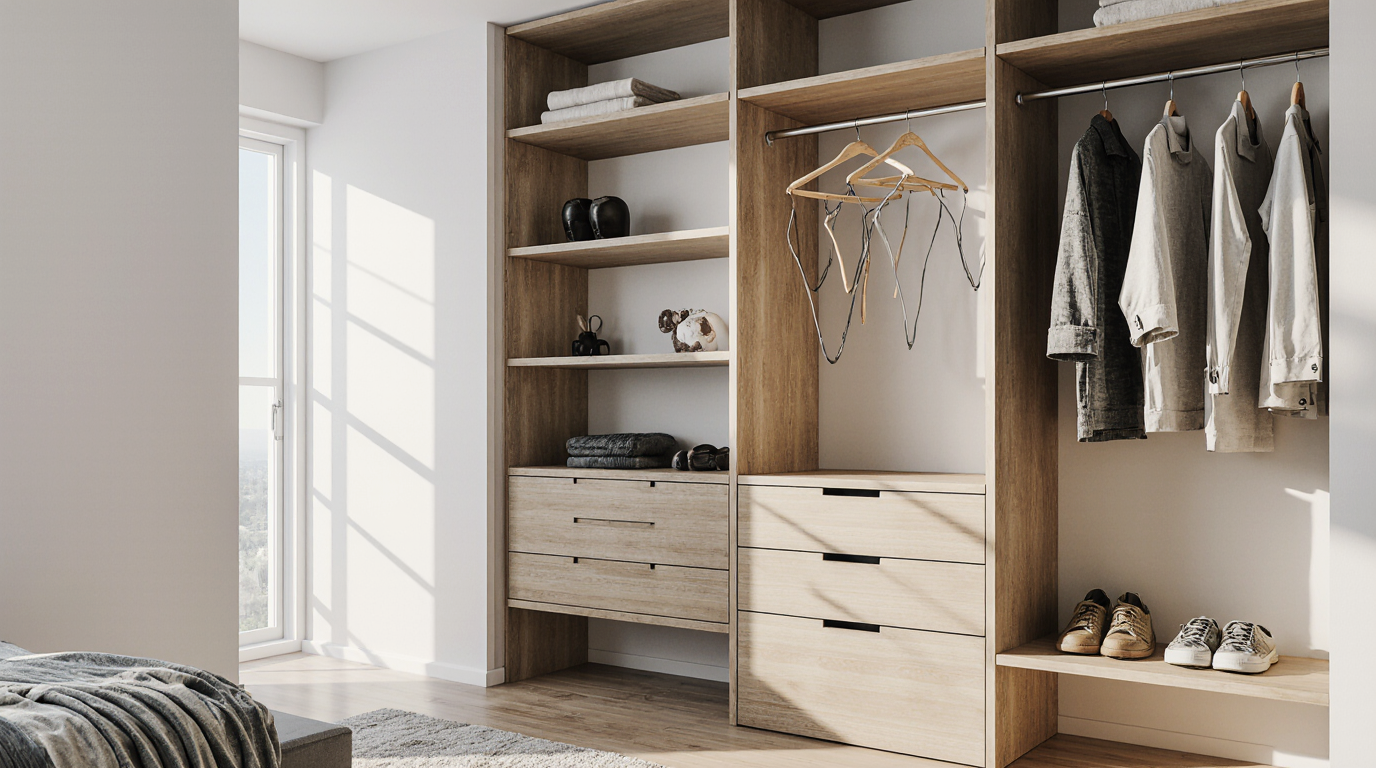
Before a single piece of wood is cut, my process begins with a structural and lifestyle assessment, which is fundamentally different for each type of Sarasota residence. In a modern Lido Key condominium, the primary engineering challenge is often maximizing vertical space and integrating multi-functional storage without visually shrinking the footprint. This involves designing cabinetry that draws the eye upward and uses reflective or light-colored finishes to amplify natural light, a technique that can increase the perceived room size by up to 15%.
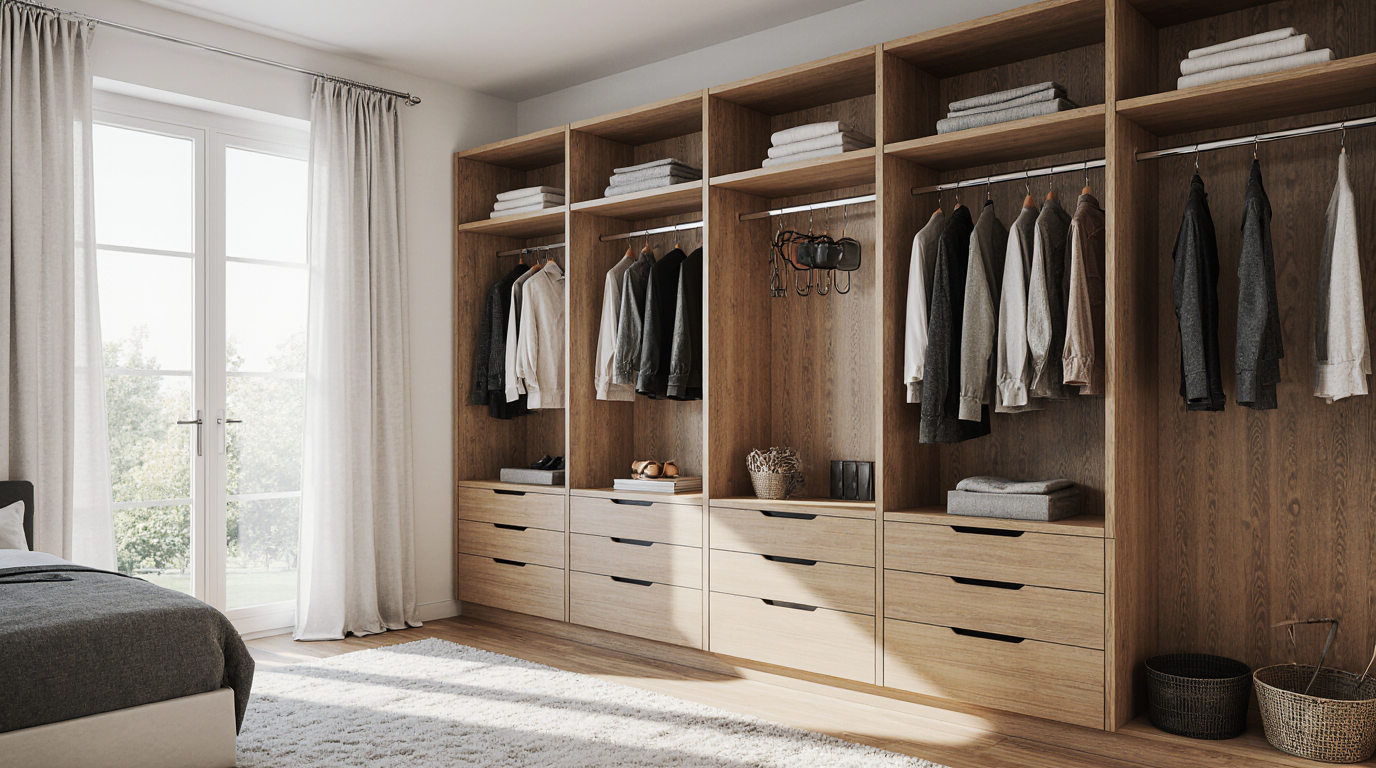
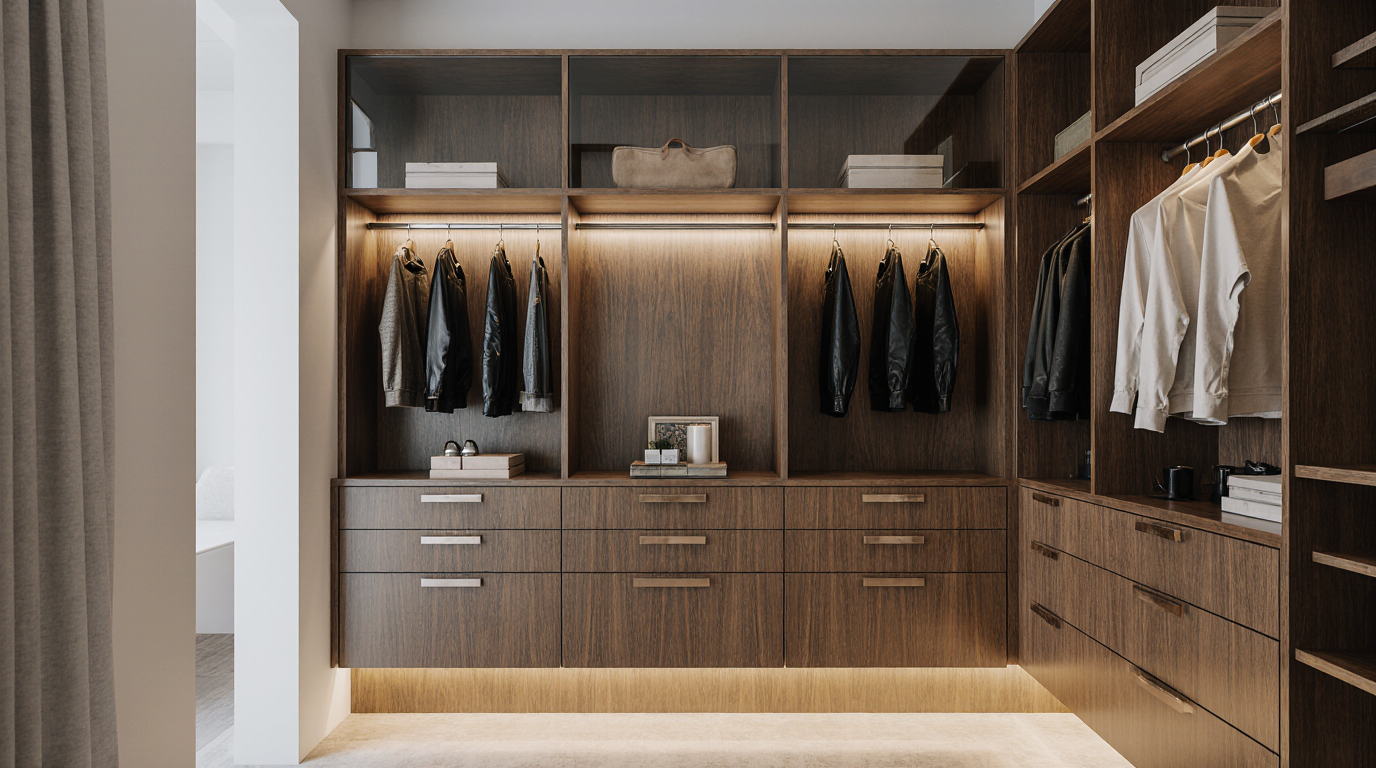
Conversely, for a sprawling Mediterranean revival estate in The Founders Club, the goal shifts from pure space optimization to architectural integration. The closet becomes a transitional zone, a true dressing room that must feel like a natural extension of the primary suite. Here, I focus on matching millwork details, wood tones, and creating a specific workflow for the client—from wardrobe display and island-style storage for accessories to integrated seating. The cabinetry must respect the home's established architectural language, not just occupy a room.
Material Specification Beyond the Core
While the water-resistant plywood core is the non-negotiable foundation, true longevity is achieved in the joinery and sealing. I build my cabinet boxes using full dado and rabbet joints, which provide immense structural rigidity and a far greater surface area for adhesive bonding compared to the simple butt joints used in mass-produced systems. This method is critical for resisting the subtle warping that humidity can cause over time.
Furthermore, all edge banding is applied using PUR (polyurethane reactive) hot-melt adhesive. Unlike standard EVA glues that can weaken with moisture exposure, PUR forms a permanent, waterproof chemical bond with the plywood. This creates a completely sealed edge that is impervious to moisture infiltration, effectively preventing the number one cause of panel swelling. For hardware, I move beyond generic stainless steel and specify brands like Blum, utilizing their Inserta mechanisms which are designed for a more secure, moisture-resistant fit into the cabinet wall.
The Climate-Adapted Fabrication and Installation Protocol
My fabrication process incorporates steps specifically designed to combat the Florida climate. Every component is engineered for durability, from initial cutting to final assembly. The process ensures that the final installation is not just aesthetically pleasing but structurally sound for decades.
- Material Acclimatization: All plywood and solid wood materials are stored in a climate-controlled environment for at least 72 hours before milling. This stabilizes the moisture content of the wood, preventing significant expansion or contraction after installation.
- Two-Part Sealing Process: Every single cut edge, even those hidden within the cabinet structure, is sealed with a moisture-blocking primer before the final finish is applied. This comprehensive sealing is a critical step I've implemented to guarantee no raw wood is ever exposed to ambient humidity.
- Component-Based Assembly: I fabricate closets in modular components in my workshop. This allows for greater precision and quality control than building entirely on-site. It also minimizes disruption in the client's home during the final installation phase.
Precision Tolerances and Final Commissioning
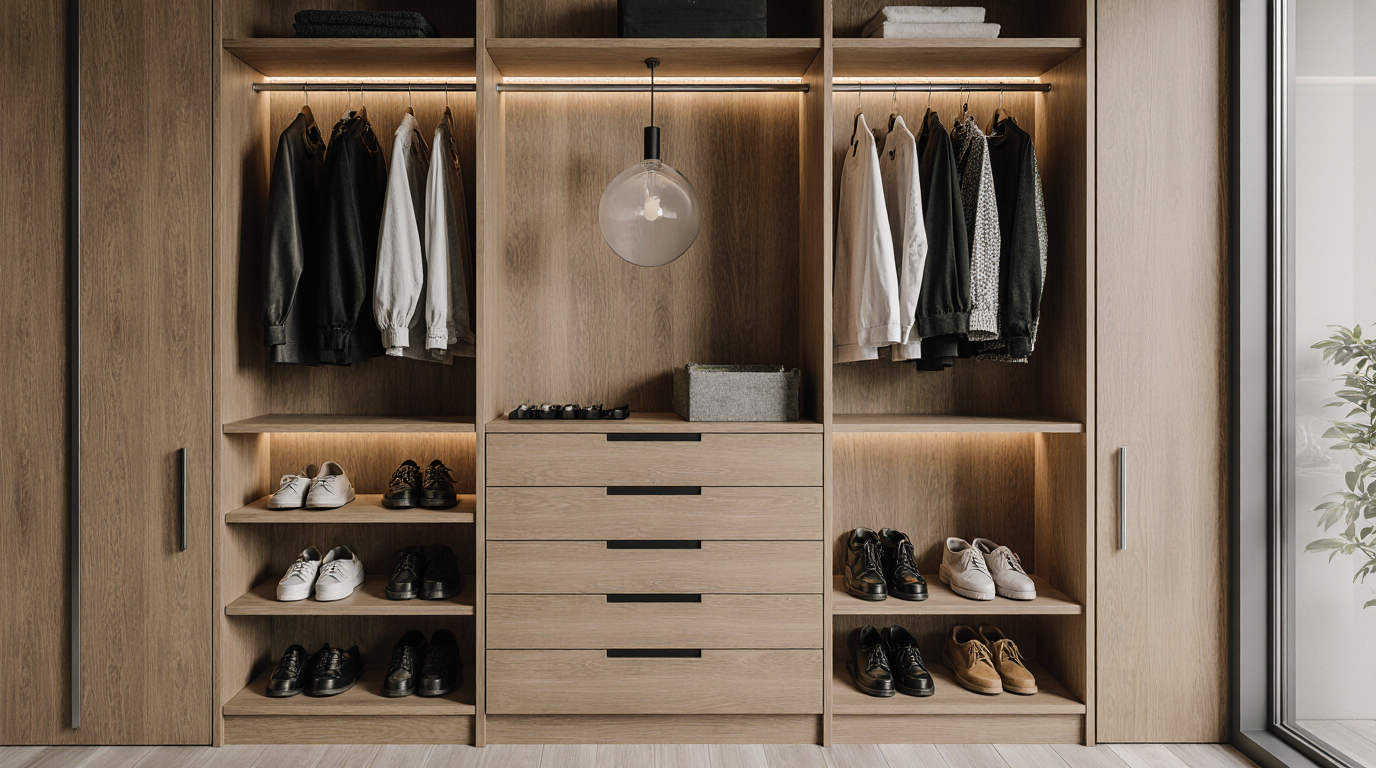
The final stage is where true mastery becomes apparent. My standard for panel gaps and door reveals is a consistent 1.5mm tolerance. This level of precision creates a flawless visual line and is only achievable through meticulous planning and expert installation. After assembly, every drawer slide is calibrated for a perfectly smooth glide, and soft-close hinges are adjusted based on the specific weight and dimensions of each door to ensure a uniform, silent close throughout the entire closet system.
The final step, post-installation, is to seal any necessary installation screw holes and perform a final inspection of all seams and joints. This last quality check ensures the finished closet is a fully sealed and structurally perfect unit. Is your current closet built with a specific protocol for humidity-resistant joinery and multi-stage sealing, or is it simply an assembly of parts waiting for our climate to expose its weaknesses?