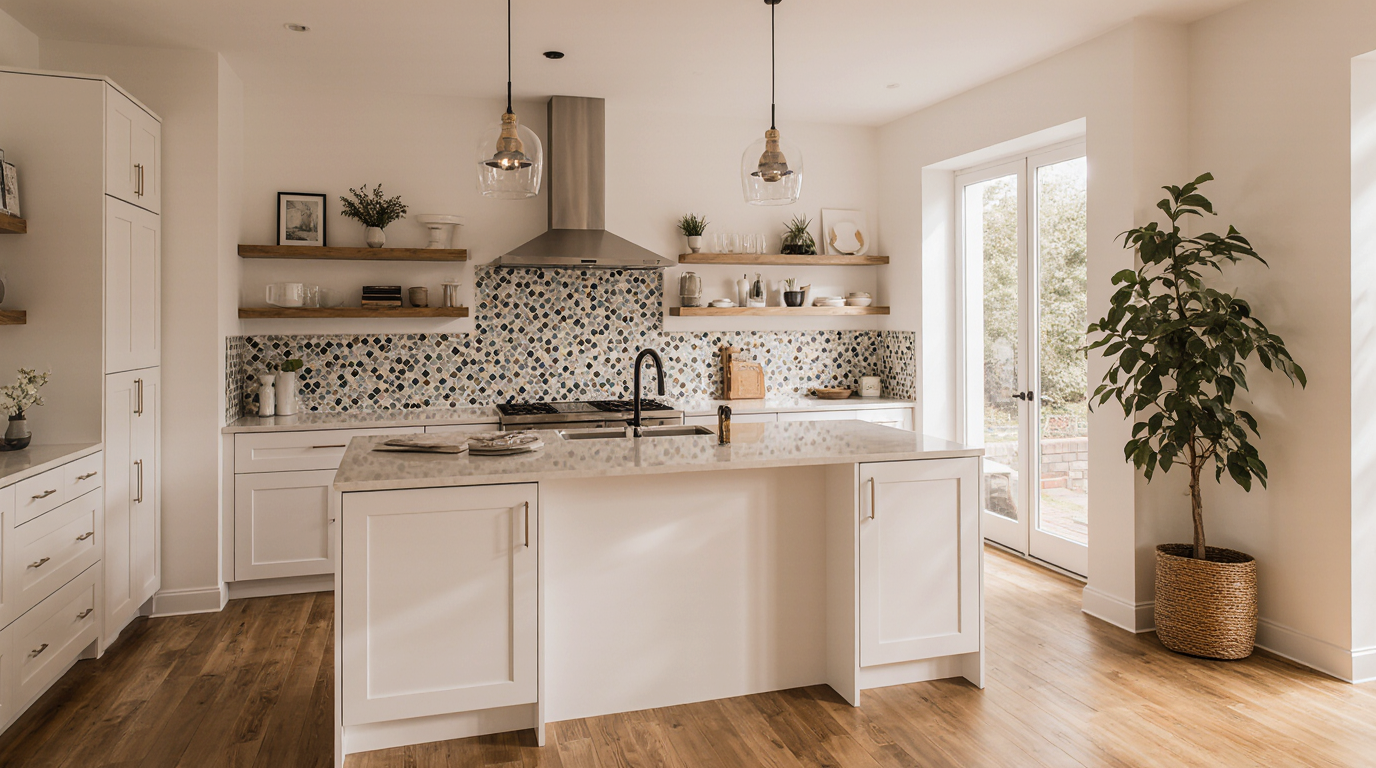
Why do so many “cheap” kitchen renovations in Sarasota end up costing homeowners more in repairs within five years than a well-planned, budget-conscious project would have cost upfront? The answer isn't about finding the lowest bidder; it's about understanding that in our humid, salt-air environment, the biggest cost isn't the materials, but the failure of the wrong materials. The most common mistake is focusing on the cosmetic finish while ignoring the structural integrity needed to withstand Florida's climate.
Executive Summary: Achieving an Affordable Kitchen Remodel in Sarasota
From my years managing renovations across Sarasota County, a successful, inexpensive kitchen remodel hinges on
From my years managing renovations across Sarasota County, a successful, inexpensive kitchen remodel hinges on strategic compromises, not just cutting costs. The key is prioritizing where to spend for longevity—specifically on elements that fight humidity and salt air—while saving on aspects that are easier to upgrade later. A cheap project that requires a redo in three years because of warping cabinet doors or delaminating countertops is the most expensive project of all. It’s about achieving a low complete kitchen renovation cost over the life of the renovation, not just on the initial invoice.
- Material Core is Non-Negotiable: Always prioritize marine-grade or exterior-grade plywood for cabinet boxes over standard particleboard or MDF, which swell in our humidity.
- Labor Costs are Fixed, Plan Smartly: Labor is a significant, relatively fixed cost here. Reduce it by having a 100% complete plan before work starts, minimizing change orders.
- Refinishing vs. Replacing: For solid wood cabinets, refinishing is often the most impactful and cost-effective upgrade, especially in older homes in areas like Gillespie Park.
- Timing Matters: Avoid scheduling major work between May and September, when labor is in high demand for storm prep and peak season projects, driving up costs and extending timelines.
The Planning Traps That Inflate a “Cheap” Reno Budget
The most significant cost overruns I see on budget-focused projects in Sarasota stem from poor upfront planning that fails to account for our local conditions. Homeowners often get excited about finishes and appliances but overlook the foundational elements that prevent costly failures. The goal of inexpensive kitchen renovations is derailed not by one big expense, but by a series of small, avoidable oversights.
The Humidity Deferral Mistake
The single most expensive failure is choosing standard, interior-grade materials for cabinetry and sub-surfaces to save a few hundred dollars. I worked on a project in a barrier island home where the client insisted on standard MDF cabinets with a thermofoil finish because they looked sleek and the price was unbeatable. Within two years, the humidity caused the substrate to swell, and the thermofoil began peeling at every seam. The “savings” of about $1,500 on the initial cabinet order resulted in a full replacement cost of over $8,000, not including the new labor and disruption.
How a Budget-Conscious Renovation Unfolds in Practice
A smart, low-cost renovation isn't about chaos; it's a disciplined process. It begins with a realistic assessment of what must be replaced versus what can be salvaged or refinished. The process prioritizes function and durability over fleeting trends, ensuring the investment holds up. A typical project involves meticulous measurement, sourcing of climate-appropriate budget materials, and scheduling contractors efficiently to avoid downtime.
Local Criteria for Sourcing and Selection
When you're trying to keep costs down in Sarasota, your sourcing strategy is everything. Big-box stores are tempting, but local suppliers often provide better, more durable options for a similar price if you know what to ask for.
- Cabinet Sourcing: Instead of off-the-shelf particleboard, look for local cabinet shops that offer unfinished plywood boxes. You can save significantly by painting or finishing them yourself.
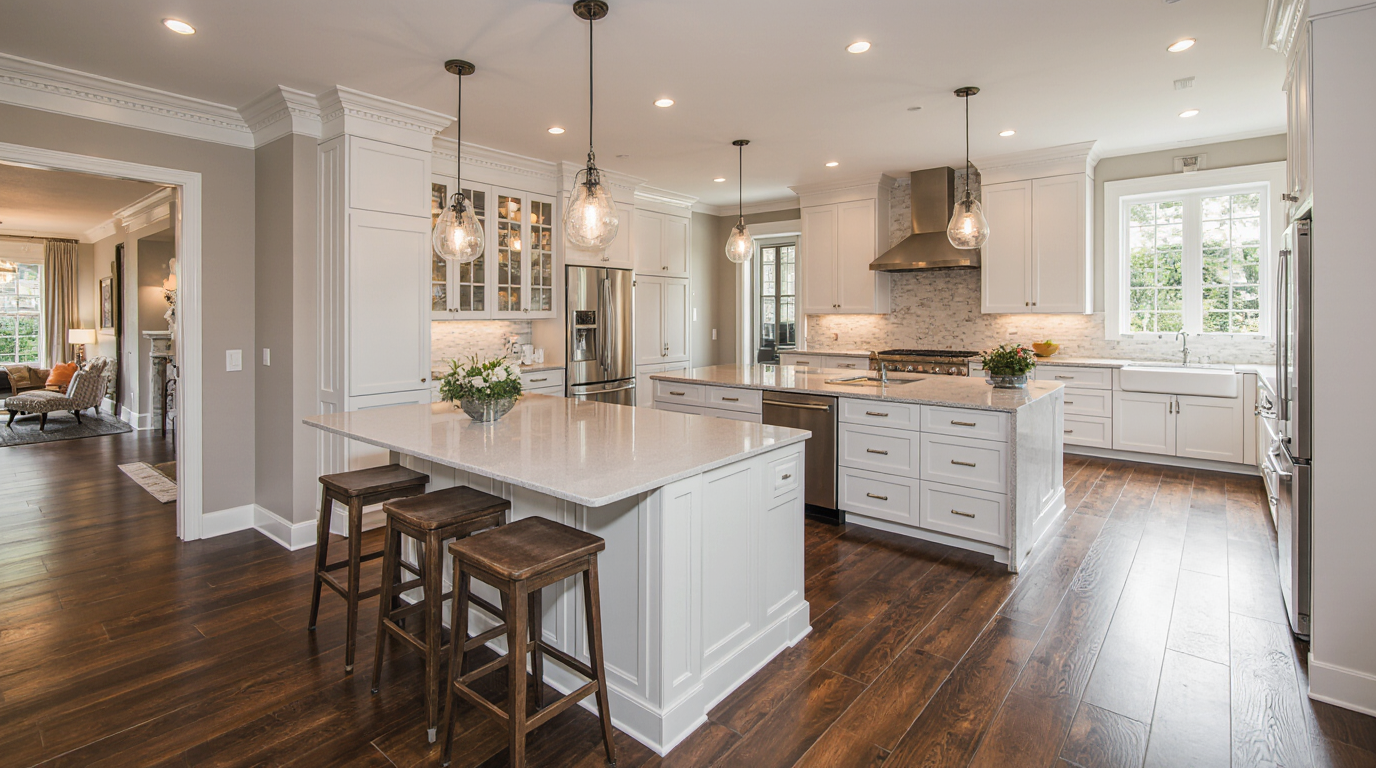
- Countertop Remnants: For a small kitchen remodel with island, check with local granite and quartz fabricators in the warehouse districts off 301. They often have high-quality remnants from larger luxury projects that are perfect for an island or small counter run at a fraction of the cost.
- Appliance Scratch-and-Dent: Look for scratch-and-dent appliance outlets. A minor, often hidden, cosmetic flaw can save you 30-50% on major brands that perform just as well.
- Permitting Strategy: Keep the renovation within the existing footprint. Moving walls, plumbing, or major electrical work triggers more complex and expensive permits from the Sarasota County Building Department, adding hundreds, if not thousands, to the cost.
Comparing Budget Approaches: Where Your Money Really Goes
Understanding the trade-offs between different cost-saving strategies is crucial. A DIY approach saves on labor but can lead to costly mistakes, while a managed budget reno offers peace of mind but requires careful contractor vetting. The choice depends on your skills, time, and risk tolerance.
| Strategy | Upfront Cost | Long-Term Durability (Sarasota Climate) | Required Homeowner Involvement |
|---|---|---|---|
| Full DIY (Using Big-Box Materials) | Lowest | Low to Moderate | Very High (Skill Dependent) |
| Refinish/Reface Existing Cabinets | Low | High (If original boxes are solid wood/plywood) | Moderate |
| Managed Budget Reno (Pro Install, Smart Sourcing) | Moderate | Very High | Low to Moderate (Mainly in planning) |
When a Phased Renovation is the Smarter Choice
A full, gut renovation isn't always the best budget approach. If your cash flow is limited but your kitchen layout is functional, a phased approach is often wiser. Focus on one major upgrade at a time—for instance, new countertops and backsplash this year, and cabinet refacing or new appliances next year. This breaks the complete kitchen renovation cost into manageable pieces and allows you to save for higher-quality components, avoiding the debt and compromises of a rushed, underfunded project.
A Realistic Checklist for an Affordable Sarasota Remodel
To ensure your project stays on budget without sacrificing quality, you need a checklist that addresses our specific local challenges. This goes beyond generic advice and focuses on the realities of renovating in this part of Florida.
- Verify Contractor's License and Insurance: Use the Florida DBPR (Department of Business and Professional Regulation) portal to verify their license is active and they carry General Liability and Worker's Comp. This is non-negotiable.
- Request a Humidity-Specific Material Spec Sheet: Your contract should explicitly state the materials being used for cabinet boxes (e.g., “3/4-inch marine-grade plywood”) and countertop substrates. Vague terms like “wood cabinets” are a red flag.
- Check HOA/Condo Association Rules First: Many Sarasota communities, especially condos downtown or in master-planned areas, have strict rules on renovation hours, debris disposal, and even color palettes. Get a copy of the architectural guidelines before you get a single quote.
- Confirm a Fixed-Price Contract: For a budget project, avoid “cost-plus” contracts. A fixed-price contract protects you from unexpected labor overages, provided you don't make changes (change orders).
- Discuss Hurricane Code Compliance: Even for interior work, ensure any new window or exterior door replacements as part of the reno meet Florida Building Code requirements for wind-borne debris. This impacts insurance and safety.
- Get a Clear Payment Schedule: A standard, fair schedule is a small deposit (e.g., 10%), followed by progress payments tied to milestones (e.g., demolition complete, cabinets installed), with a final 10-15% held back until punch-list completion.
Decisions That Dictate the Success of Your Budget Reno
The success of a budget-conscious renovation is determined by a few key decisions made long before the first hammer swings. The pattern I’ve observed is that homeowners who achieve the best results for the lowest long-term cost are those who prioritize structural integrity over cosmetic perfection. They understand that good paint can cover average drywall, but no amount of paint can fix a warped cabinet door.
The Moment Most People Get it Wrong
The critical mistake happens during the material selection phase. Overwhelmed by choices in tile, colors, and hardware, homeowners delegate the most important decision—the cabinet box material—to their contractor, often accepting the default, cheapest option to save money for a faucet or light fixture. You must personally specify and verify the use of plywood cabinet boxes. Ask to see the material before it's assembled. This single decision is the dividing line between a kitchen that looks good for a year and one that performs for a decade or more in Sarasota.
Practical Answers for Renovating in Sarasota
Navigating the local specifics of a renovation can be frustrating. Here are direct answers to common operational hurdles that can impact your timeline and budget.
What's the Realistic Timeline for HOA Approval?
For communities like Lakewood Ranch or Palmer Ranch with active HOAs, do not underestimate the design review process. Submitting your plan, including material samples and contractor information, can take anywhere from 30 to 60 days for approval. Starting any work before receiving a formal approval letter can result in fines and a stop-work order. Factor this administrative time into your project schedule from day one.
Do I Need a Permit for Minor Kitchen Upgrades?
In Sarasota County, you generally do not need a permit for cosmetic changes like painting, replacing a faucet, or installing new countertops if the sink location doesn't move. However, the moment you move plumbing, alter electrical wiring (like adding new outlets for an island), or change the footprint of the walls, a permit is required. Attempting to do this work without a permit can lead to significant fines and problems when you eventually sell your home. A licensed contractor will know precisely when a permit is triggered.
How Do I Manage Waste and Debris Affordably?
Disposing of construction debris is an often-overlooked cost. For a full kitchen tear-out, you will need a dumpster. However, for smaller projects focused on cheap kitchen upgrades, you can save money. Sarasota County offers bulk waste collection for items like old appliances. For smaller amounts of construction debris, you can haul it yourself to the Central County Solid Waste Disposal Complex on Knights Trail Road for a fee based on weight, which is often cheaper than renting a small dumpster for several days.