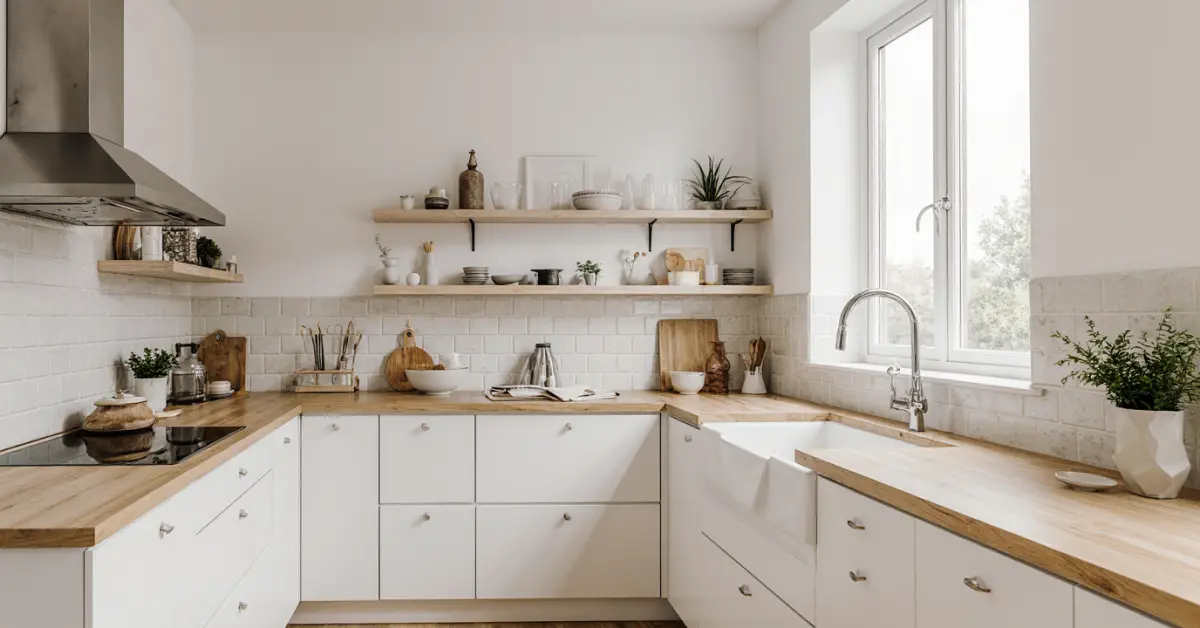
I was standing in a beautifully renovated condo on Lido Key, looking at a kitchen that was less than three years old. The homeowner had sourced what he thought were fantastic discount cabinets online. From a distance, they looked great. Up close, the thermofoil was peeling near the dishwasher, the particleboard substrate had swollen at the sink base, and a fine layer of rust was visible on the cheap hinges. His 'great deal' had become a teardown project, a perfect illustration of the central conflict for Sarasota homeowners: finding affordability that can actually survive our coastal climate.
Executive Summary: Sourcing Smart, Affordable Cabinets in Sarasota
From my years managing remodels in the Sarasota area, I can state that the cheapest cabinet on the invoice is rarely
From my years managing remodels in the Sarasota area, I can state that the cheapest cabinet on the invoice is rarely the most affordable one over a five-year span. True value comes from understanding how our specific environmental pressures—relentless humidity and salt air—attack common budget materials. Success hinges on prioritizing specific, climate-resistant features over superficial aesthetics or the absolute lowest upfront price. It's a strategic balance, not just a shopping trip.
- Material Priority: For affordable options, all-plywood construction (APC) boxes are superior to particleboard or MDF, which swell with moisture. Look for RTA (Ready-to-Assemble) lines that offer this as an upgrade.
- Finish Durability: A factory-baked-on finish or a high-quality conversion varnish will outperform cheap thermofoil or laminate, which can peel in high humidity.
- Hardware Specification: Insist on stainless steel or zinc-coated hardware. Standard steel hinges and drawer glides will rust, often within the first 18-24 months in homes near the water.
- Local Sourcing Insight: Local RTA suppliers and cabinet liquidators often provide better long-term value than national big-box stores, as their stock is sometimes better curated for the Florida market.
The Most Common Budget Cabinet Planning Failures
The biggest mistakes I see with affordable kitchen remodels in Sarasota happen long before the first cabinet is ordered. They are planning failures rooted in a misunderstanding of what 'value' means in a coastal environment. Homeowners focus on the door style and color while ignoring the box construction and hardware, which are the components that actually fail here.
The Most Expensive Failure: Ignoring the 'Invisible' Components
The most costly error is choosing a cabinet based on the door's appearance while accepting a standard particleboard box. A client remodeling a 1970s home in the South Gate neighborhood opted for a sleek, modern laminate cabinet from a big-box store to save about $2,000. Within two years, a minor, slow leak under the sink caused the particleboard base to swell and disintegrate, forcing an emergency replacement of the entire sink cabinet and countertop section. The $2,000 savings evaporated into a $4,500 repair because the cabinet's core couldn't handle a common household mishap in our humid air, which prevents materials from ever fully drying out.
How Budget Cabinet Sourcing Works in Practice
Finding genuinely durable, inexpensive kitchen cabinets in Sarasota is not about one-stop shopping. It is a process of vetting materials and suppliers. The most common routes are Ready-to-Assemble (RTA) cabinets from local distributors, stock cabinets from home improvement stores, or finding deals at cabinet surplus and liquidation warehouses.
The process typically involves getting a layout from a designer or the supplier, selecting a door style, and then critically questioning the cabinet's specifications. Assembly and installation are key; even a good RTA cabinet will fail if assembled poorly or installed without proper shimming and sealing in a humid Florida home. In Sarasota County, cabinet installation that involves plumbing or electrical work requires a licensed contractor and may need a permit, a step many trying to save money dangerously overlook.
Selection Criteria for Sarasota Homeowners
- Verify Plywood Construction: Ask for the spec sheet. If it says 'furniture board,' 'MDF,' or 'particleboard' for the box, understand the risk. An all-plywood box is the single best upgrade for longevity in Florida.
- Check for I-Beam Construction: Better quality RTA and stock cabinets use plywood I-beams to connect the front and back of the base cabinets. This adds rigidity and prevents sagging in our heavy, humid air.
- Assess the Warranty for Climate-Related Damage: Read the fine print. Many low-cost cabinet warranties explicitly exclude damage from humidity or moisture. A warranty that is void in our climate is worthless.
- Inspect the Corner Brackets: Look for solid wood or metal corner brackets inside the cabinets. Plastic brackets become brittle and can fail, especially with the temperature fluctuations in a seasonal residence.
Comparing Affordable Cabinet Options
The term 'cheap' can mean many things. The decision comes down to balancing upfront cost, installation complexity, and long-term durability against Sarasota's specific environmental challenges. Making the right choice requires looking beyond the price per linear foot.
| Option | Typical Upfront Cost | Durability in High Humidity | Installation Complexity |
|---|---|---|---|
| Big-Box Store Stock Cabinets | Low | Low (Often particleboard cores) | Low (Pre-assembled) |
| Online RTA Cabinets | Lowest | Variable (Plywood upgrade is key) | High (Requires skilled assembly) |
| Local Cabinet Liquidators | Low to Medium | Variable (Inspect each piece) | Low to Medium |
| Local RTA Distributors | Low to Medium | Good (Often carry plywood lines) | High (Assembly required) |
When a 'Cheap' Cabinet Is the Wrong Choice
A budget cabinet is not the right choice for a waterfront property on Longboat Key or any home with high-end appliances and stone countertops. The weight of a 3cm granite or quartz slab can tax the construction of a cheap cabinet box over time, leading to sagging. Furthermore, placing a low-cost, disposable product in a high-value home can negatively impact its resale value, making it a poor financial decision despite the initial savings.
A Safe Hiring and Purchasing Checklist
To ensure your affordable cabinet project doesn't turn into a costly mistake, a strict verification process is necessary. This is about protecting your investment from both product failure and installation errors.
- Obtain a detailed specification sheet for the cabinets. Confirm the materials for the box, shelves, doors, and drawer fronts.
- Request a sample door, but more importantly, a sample of the cabinet box material to see the core.
- Verify the installer is licensed and insured in the state of Florida. Ask for their license number and check it on the Florida Department of Business and Professional Regulation (DBPR) website.
- If the project involves moving walls, electrical, or plumbing, confirm who is pulling the necessary permits from Sarasota County. Do not let a contractor tell you a permit isn't needed for this scope.
- For condos, get written approval from your Homeowners Association (HOA) before ordering materials. HOAs in places like Palmer Ranch have strict rules on renovation hours and debris removal.
- Ask for stainless steel hardware options. Even if it's a small upcharge, typically 10-15%, it is the most cost-effective upgrade you can make for a kitchen in Sarasota.
- Ensure the installation quote includes sealing all raw wood edges, especially at the sink base cutouts, to prevent moisture wicking.
Decisions That Determine the Outcome
The success of a budget-friendly kitchen remodel in this city comes down to a few key decisions that separate savvy homeowners from those who end up with regrets. I've observed that the most successful projects are not led by the person who got the lowest price, but by the person who asked the most informed questions about materials and construction before signing a check.
The Exact Moment the Majority Gets It Wrong
The critical mistake happens when the homeowner receives two quotes for RTA cabinets that look identical online. One is 15% cheaper. Without hesitation, they choose the cheaper one. The problem is they never asked for the spec sheet. The cheaper option used 1/2" particleboard sides, while the more expensive one used 3/4" plywood. The decision should be to always pay the premium for the all-plywood construction box. That 15% difference is the price of avoiding cabinet swelling, delamination, and premature failure in Sarasota's climate. It is the cheapest insurance policy you can buy for your kitchen.
Practical Answers About Cabinet Projects in Sarasota
Navigating an affordable kitchen project involves more than just picking cabinets. It means dealing with local regulations, building constraints, and logistics that are unique to our area.
Do I Need a Permit for Just Replacing Cabinets?
If you are doing a direct, same-footprint replacement of cabinets with no changes to plumbing, electrical, or walls, Sarasota County generally does not require a permit. However, the moment you move a sink, add an outlet for an appliance, or alter a wall, you trigger the need for a permit. The typical permit fee for a minor interior remodel in Sarasota County can start around $100 but increases with the project's total value. Always verify with the permitting office before starting work.
How Do Condo Association Rules Impact Cabinet Choices?
In the numerous condo towers downtown or along the coast, the HOA or Condo Association is as powerful as the building department. They often dictate approved contractors, working hours (typically 9 AM to 4 PM, weekdays only), and material specifications, sometimes even requiring certain levels of soundproofing. Their design review can add 30 to 60 days to your project timeline, a critical factor for seasonal residents. Ignoring these rules can result in fines and work-stoppage orders.
Are There Special Installation Rules for Hurricane Zones?
Yes. The Florida Building Code, which is strictly enforced in our wind-borne debris region, has implications for cabinet installation. While the code focuses more on the building envelope, upper cabinets must be securely anchored to structural members (studs) to prevent them from becoming projectiles in a high-wind event. A competent installer will use longer, structural-grade screws and ensure every attachment point hits solid wood, a practice sometimes skipped by unqualified handymen trying to finish a job quickly.