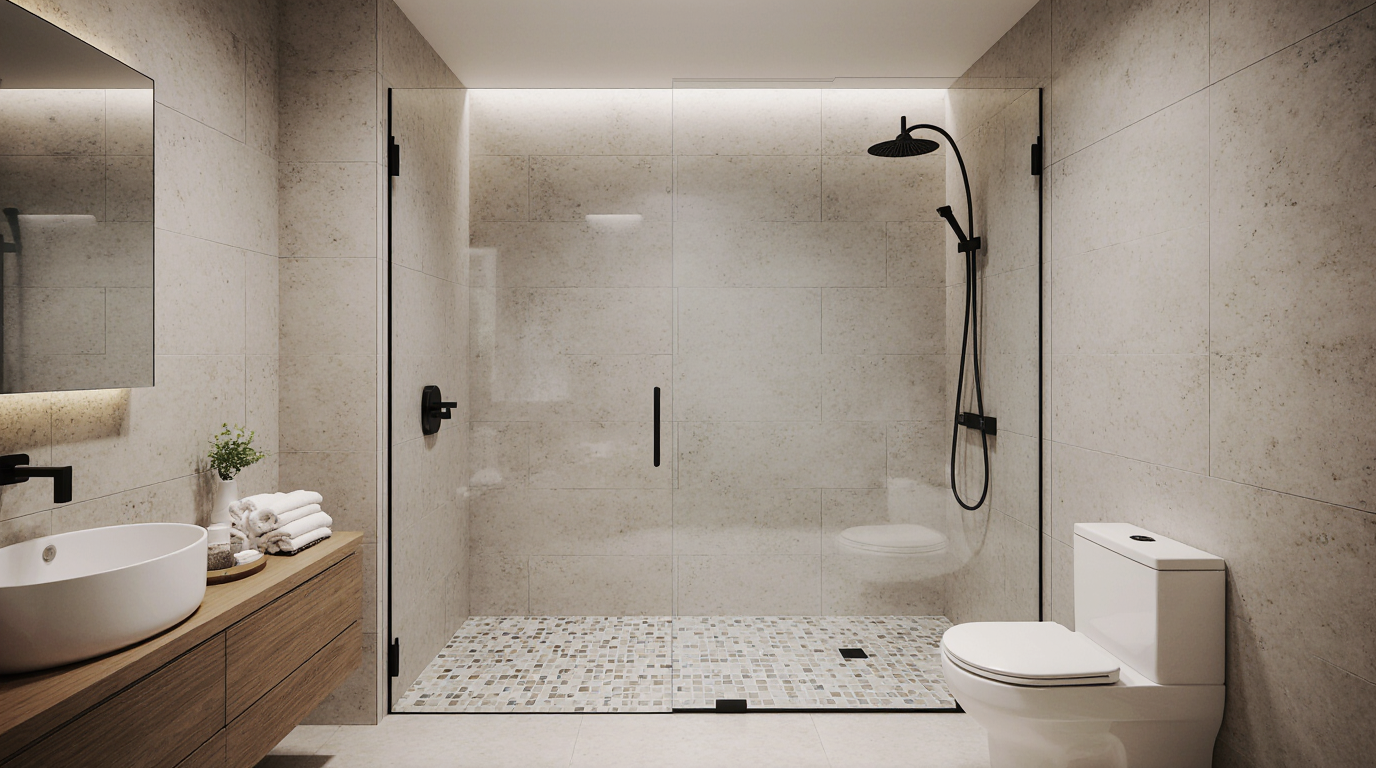
Spatial Diagnostics and Bespoke Shower Integration
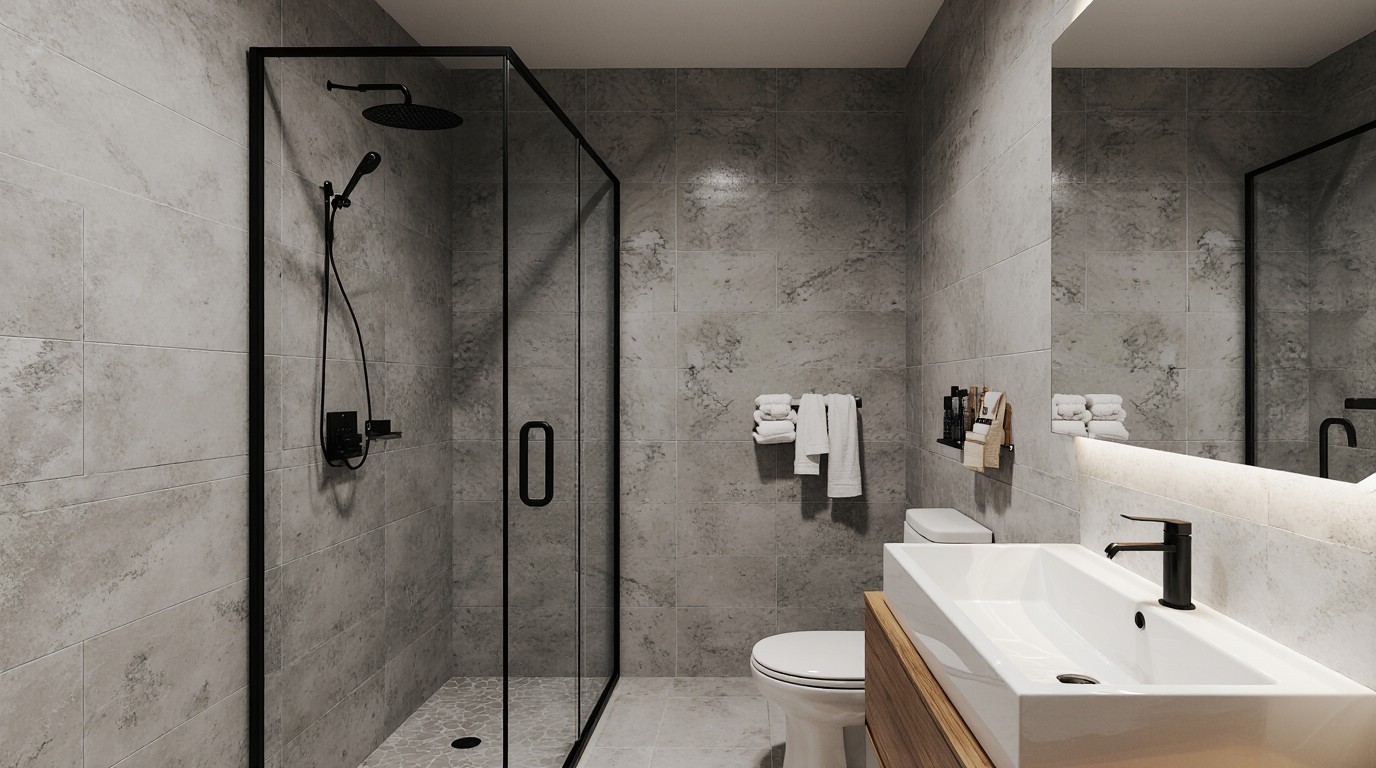
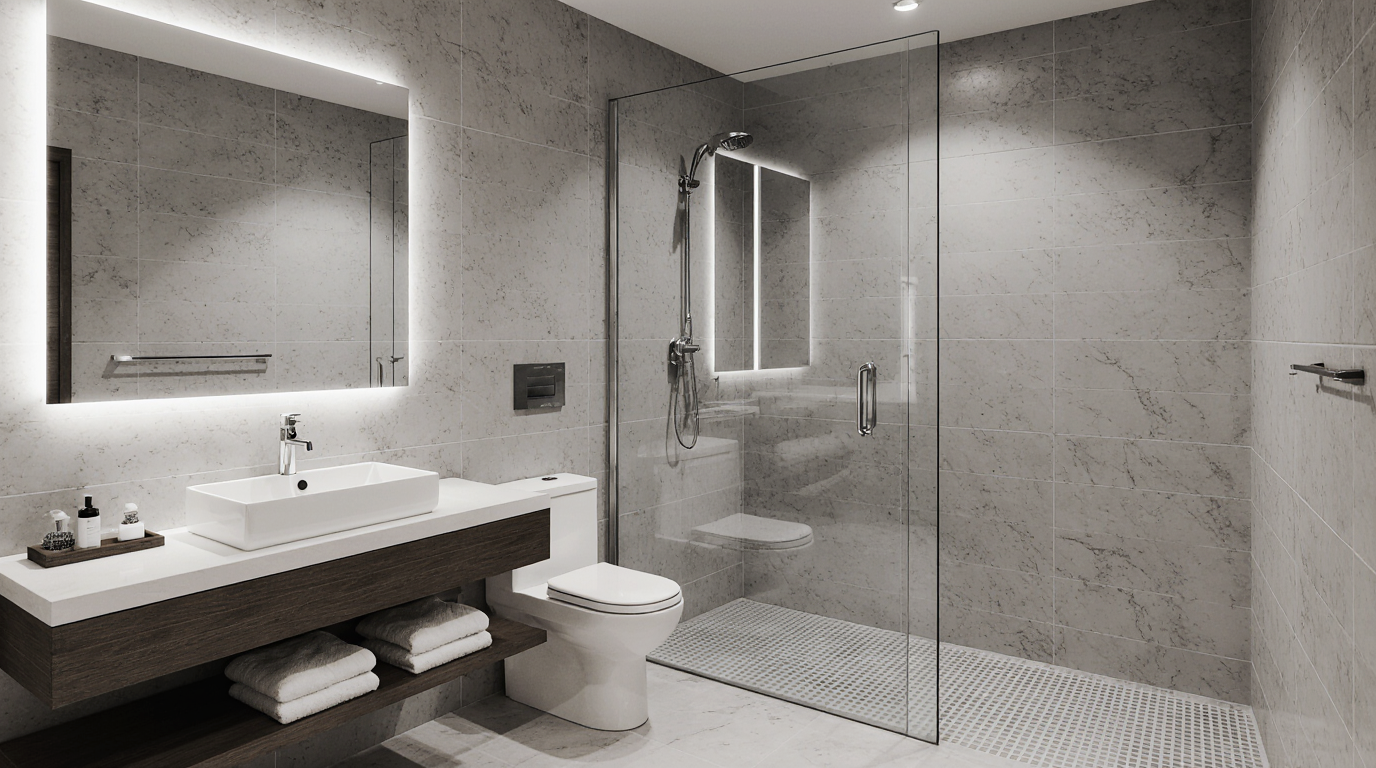
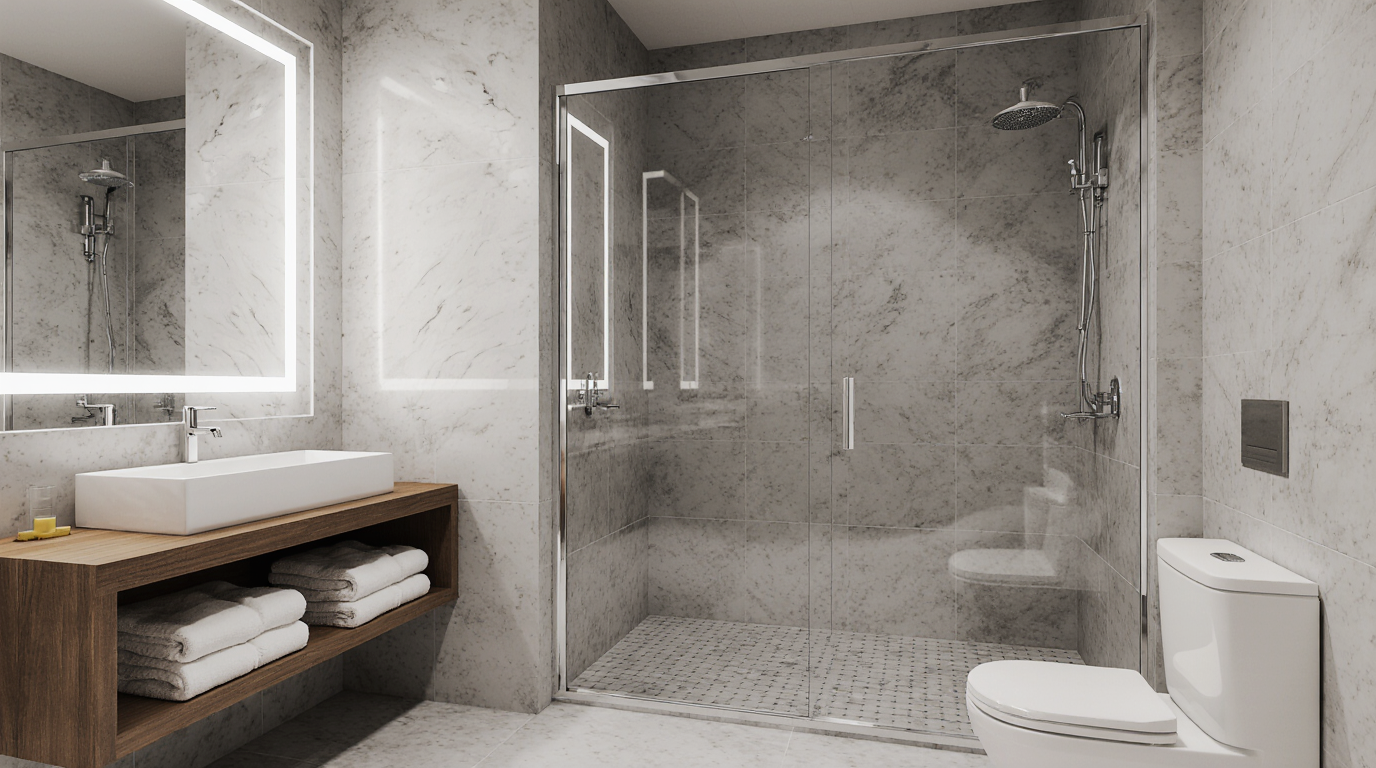
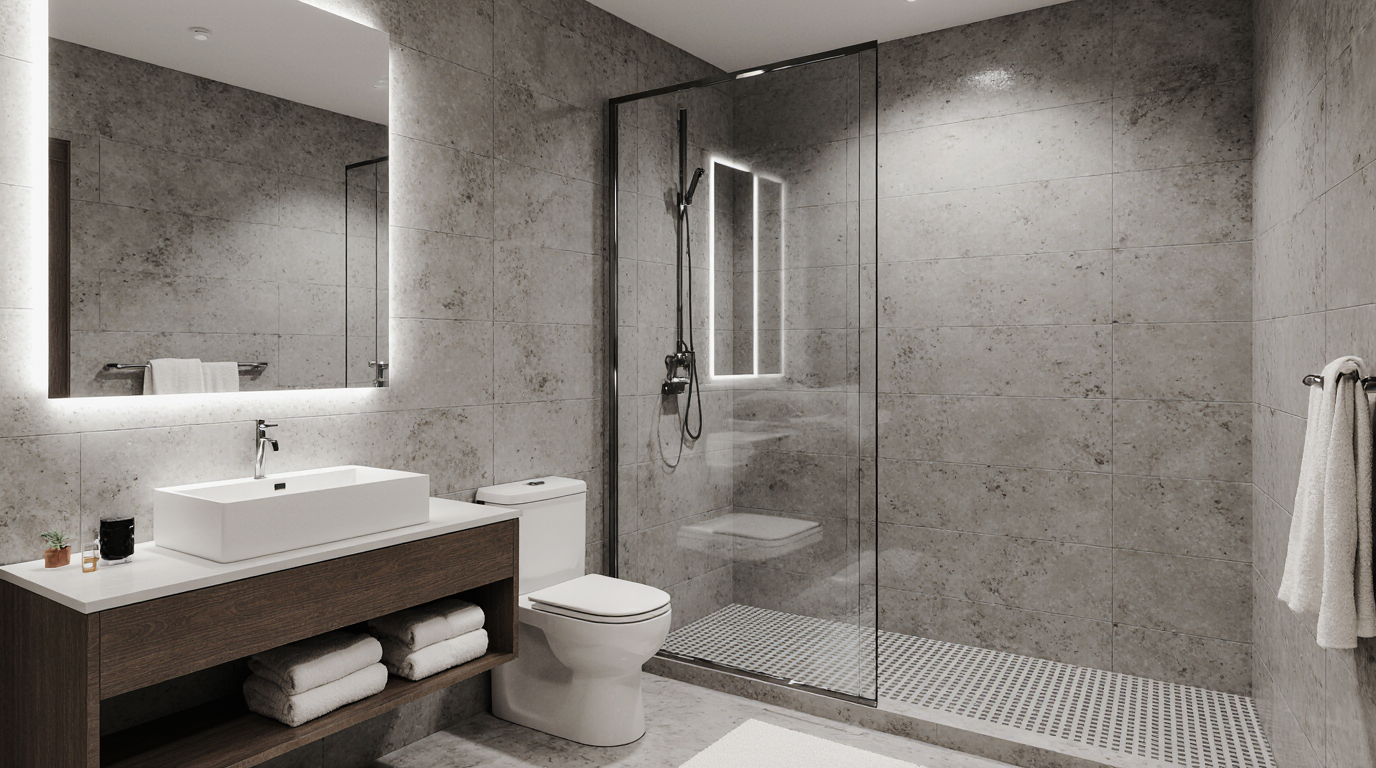
Before any material is cut, my process begins with a rigorous analysis of the bathroom's architectural footprint and its intended use. In many of the luxury condos downtown, maximizing perceived space is as critical as storage. I focus on how the shower's design—whether a curbless walk-in or a glass-enclosed alcove—will integrate with the vanity and any linen towers. The goal is to create a single, cohesive visual line. This often means designing floating vanities to enhance floor visibility or engineering tall, narrow cabinetry that draws the eye upward, giving an illusion of height in spaces with standard ceiling heights.
The Core Material Matrix for Humid Environments
While the description touched on the importance of a water-resistant core, the specific material selection is a science in itself. Not all water-resistant panels are created equal. I have found that a phenolic-bonded marine-grade plywood offers superior structural integrity and screw-holding power compared to even the best composite boards, especially for larger, heavier vanity drawers. The adhesive used in its lamination is cross-linked and waterproof, preventing the layer separation I've seen in lower-quality plywood exposed to constant steam. The finish is just as crucial; I exclusively use a post-catalyzed conversion varnish, which chemically cures into a harder, more impenetrable shell than standard lacquer, providing up to 50% more resistance to chemicals and moisture.
- Marine-Grade Plywood: Maximum structural stability and moisture impermeability, ideal for drawer boxes and cabinet carcasses.
- High-Density Composite Board: Excellent for flat, stable door panels that require a flawless paint finish. Less prone to warping than solid wood.
- Solid Wood: Used sparingly for specific accent pieces, but must be properly kiln-dried and sealed on all six sides to survive the Sarasota climate.
Fabrication and Assembly Protocols for a Zero-Failure Rate
The transition from design to physical object is where durability is truly forged. My workshop’s assembly process is built around eliminating moisture entry points. All cabinet joinery is based on methods like dado and rabbet joints, which provide more surface area for glue adhesion than simple butt joints. After the initial sealing of raw edges, we use a waterproof PVA glue for assembly. Furthermore, all hardware mounting points are pre-drilled and then sealed with a small amount of silicone before the screws for hinges or drawer slides are inserted. This tiny detail prevents moisture from wicking into the core through the hardware penetrations—a common and often overlooked point of failure.
Precision Installation and Climate-Specific Tolerances
The final stage is installing the cabinetry with an understanding of Sarasota's environment. In a new construction project in Lakewood Ranch, for example, the HVAC system may not be running consistently, leading to significant humidity fluctuations. I account for this by building in slightly larger tolerances—often just 1/16 of an inch—between doors and frames to allow for natural, minor expansion without causing binding. Every piece of cabinetry that touches a wall or floor is isolated with a high-quality, mold-resistant silicone sealant, creating a final barrier against any potential water intrusion from the structure itself. This level of meticulous installation ensures the cabinetry performs flawlessly, regardless of the challenging coastal conditions.
Considering the intense humidity and salt air your home endures, is your current bathroom cabinetry truly engineered with these microscopic tolerances and sealing protocols in mind, or is it simply waiting for the first sign of failure?