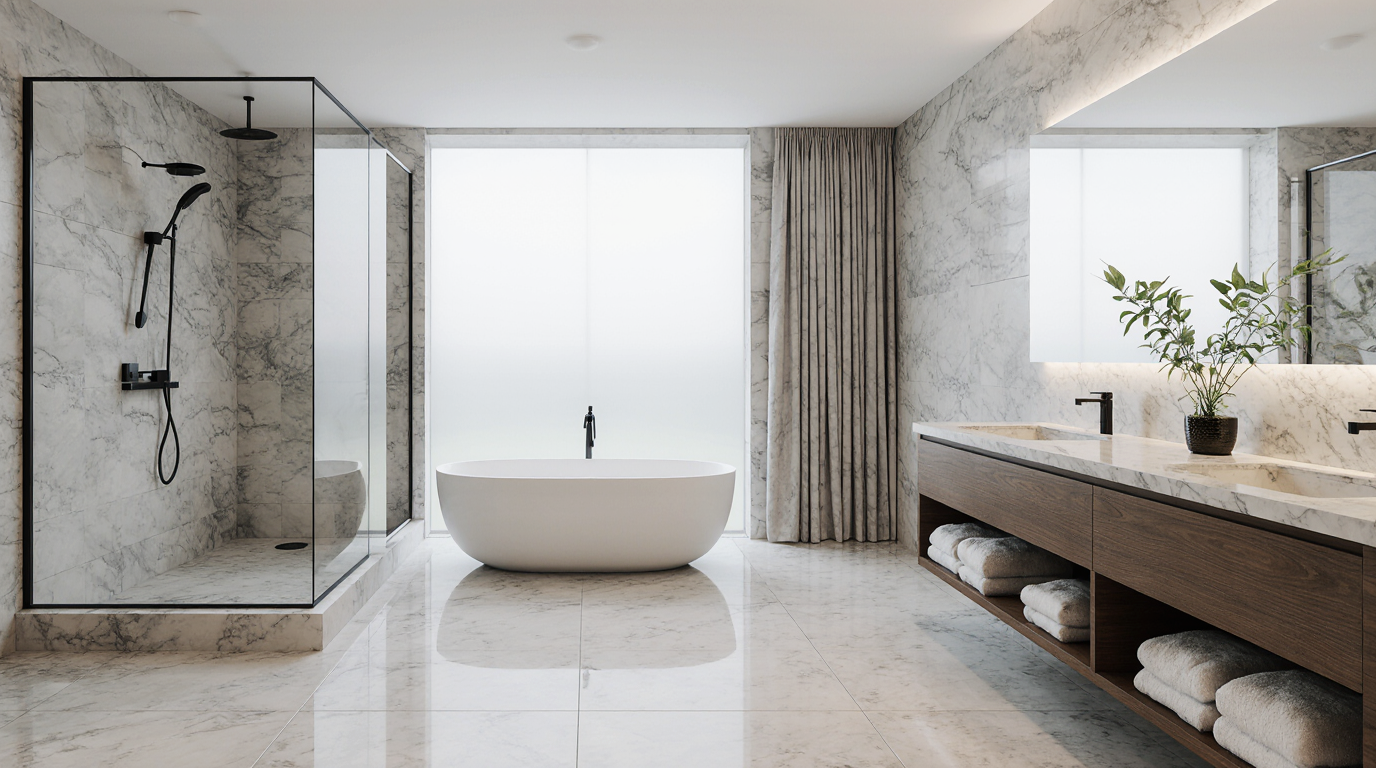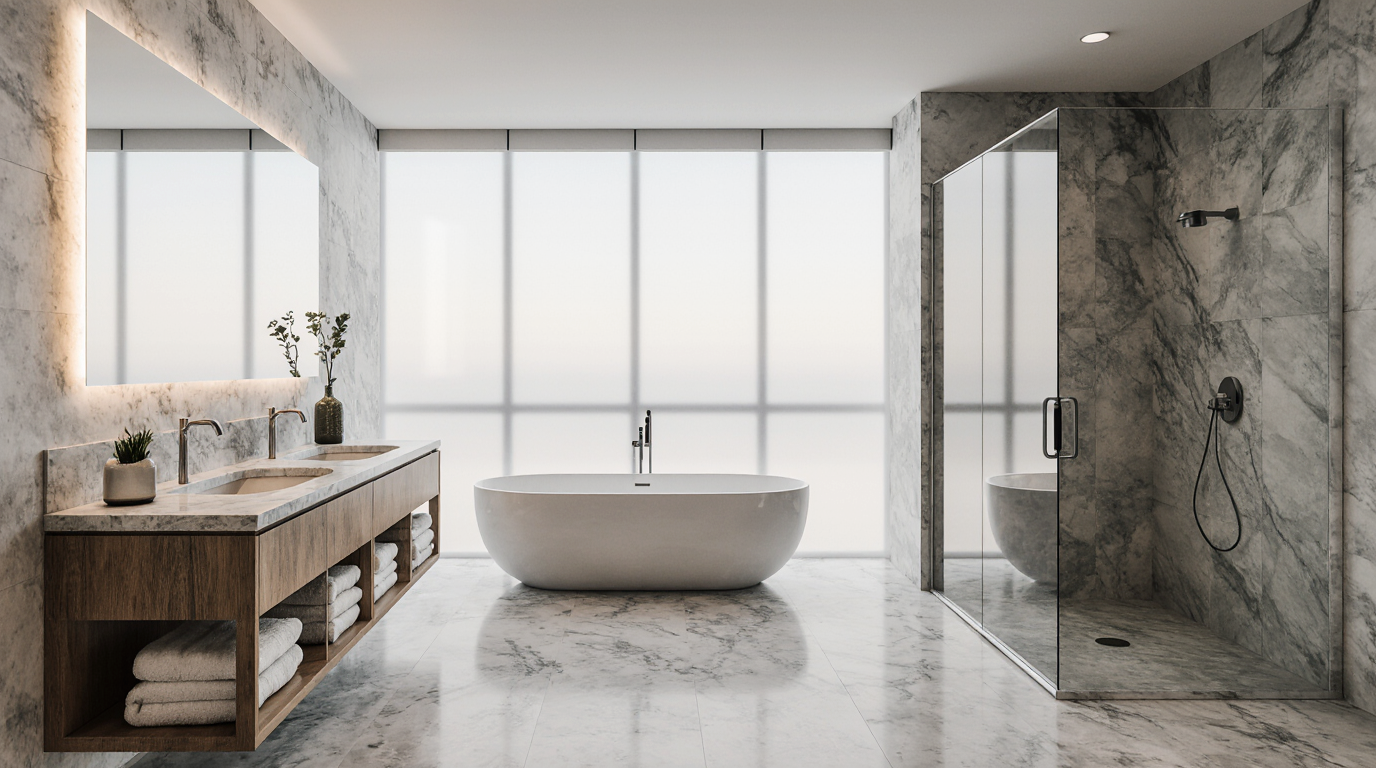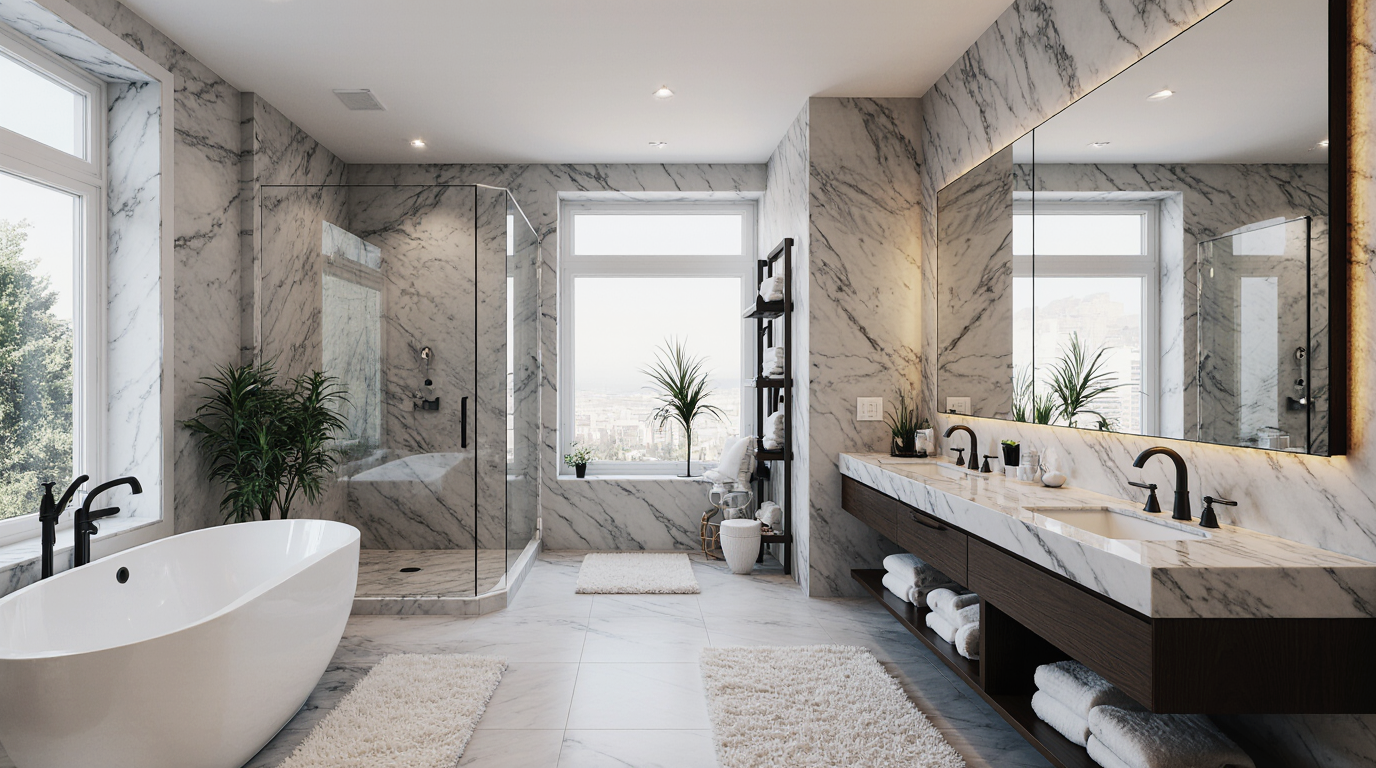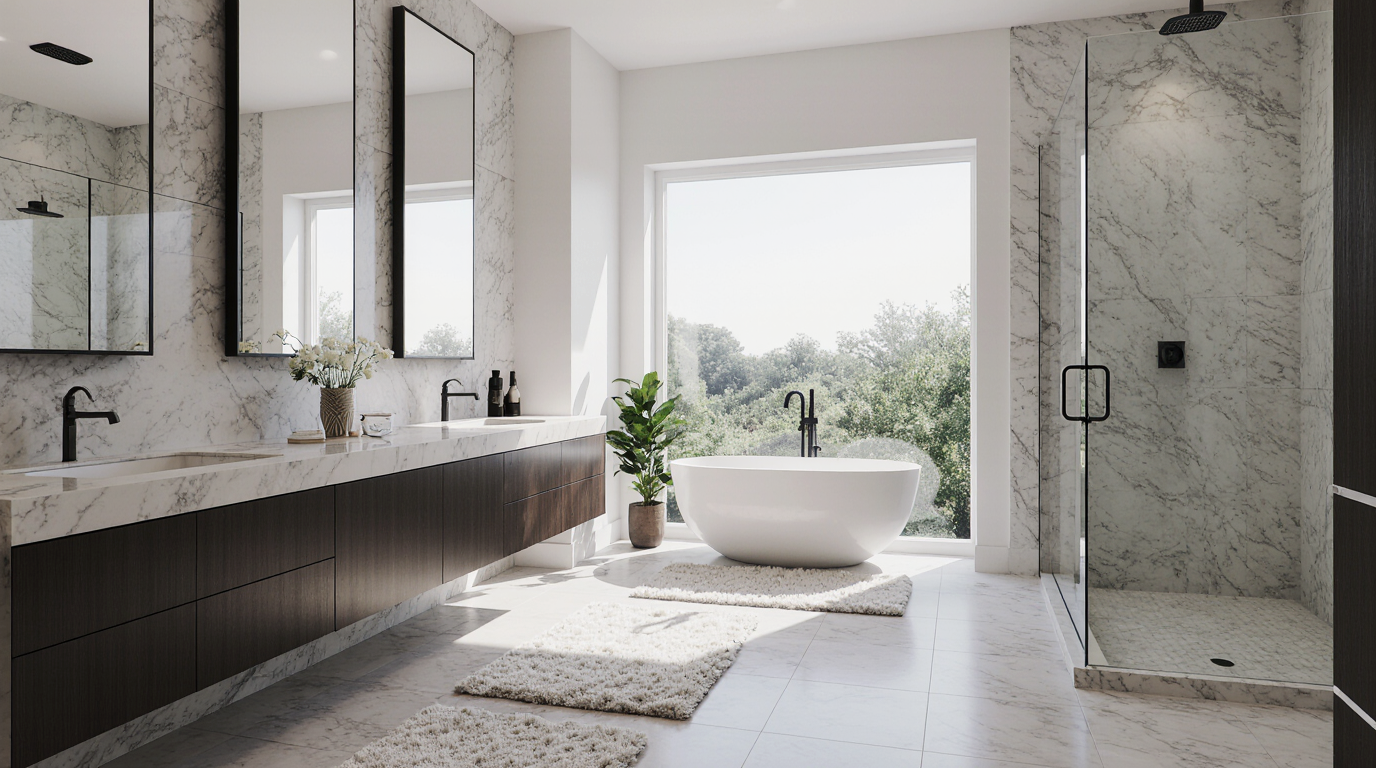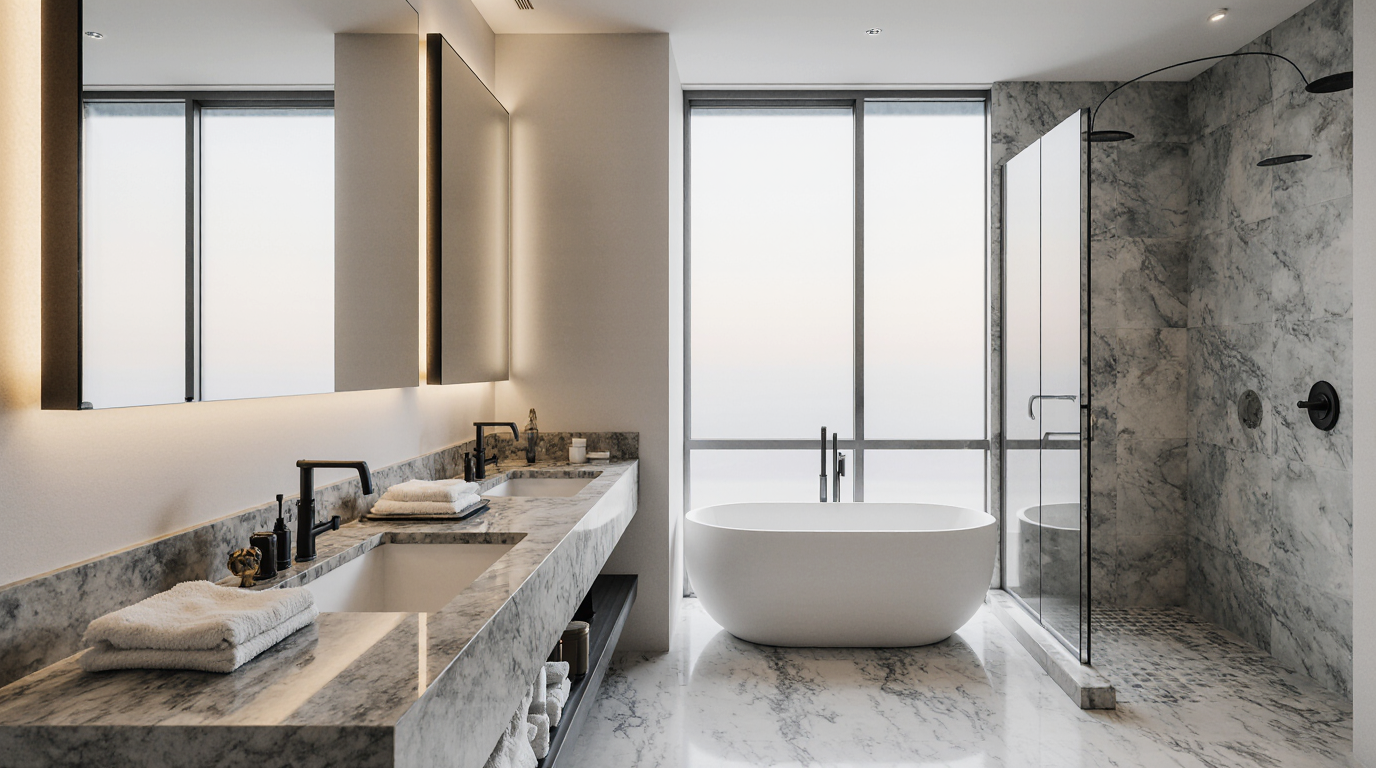
The client was set on a beautiful, dark-stained oak vanity for their master bathroom remodel on Lido Key. They showed me magazine photos, and the look was stunning. I had to explain that without a specific marine-grade finish and an upgraded, humidity-sensing ventilation system, that same vanity would likely start to delaminate within three years. The core issue wasn't their taste; it was designing for a magazine instead of for the real conditions of a Sarasota barrier island.
Executive Summary: Redesigning for Sarasota's Coastal Reality
From my years executing bathroom remodels in this area, the central challenge is not aesthetics but engineering for
From my years executing bathroom remodels in this area, the central challenge is not aesthetics but engineering for humidity and potential storm-related issues. A successful Sarasota bathroom redesign prioritizes moisture management, durable materials that resist salt air corrosion, and compliance with stringent local building codes, especially in wind-borne debris zones. The most beautiful design will fail if it’s not built to withstand our specific climate. An effective project here is a masterclass in preventative construction.
- Ventilation is non-negotiable: A standard builder-grade fan is insufficient. A properly sized, humidity-sensing exhaust fan vented directly outside is the first line of defense against mold.
- Material selection is climate-driven: Prioritize porcelain tile, quartz countertops, solid-surface materials, and marine-grade plywood for vanities to prevent warping and moisture damage.
- Waterproofing is paramount: A topical waterproofing membrane system (like Schluter-KERDI) behind tile in showers and wet areas is critical to protect the structure.
- Code compliance is strict: Projects often require permits from the City of Sarasota or Sarasota County, and work on condos requires navigating complex HOA design review board approvals.
The Planning Failures I See Most Often
The most significant mistakes in a Sarasota bathroom project happen long before a hammer is swung. They stem from underestimating our environment. Clients often focus on fixtures and tile colors while overlooking the foundational elements that ensure longevity. This leads to premature failures like peeling paint, warped cabinet doors, and, worst of all, hidden mold growth within the walls.
The Most Expensive Failure: Under-specifying Ventilation
The pattern I've observed is that homeowners, especially those moving from drier climates, treat bathroom ventilation as an afterthought. They approve a basic, low-CFM (cubic feet per minute) exhaust fan because it's the standard option. In a high-humidity environment like ours, this is a catastrophic error. I was called to a project in the Laurel Park neighborhood where a beautiful, year-old bathroom remodel already had mildew spotting on the ceiling. The cause was an undersized fan that couldn't handle the moisture load, trapping damp air and creating a perfect breeding ground for mold. The remediation and replacement cost nearly 20% of the original remodel budget.
How a Bathroom Remodel Works in Practice Here
A properly structured bathroom remodel in this region is a multi-stage process heavily influenced by local regulations. It begins with a detailed design phase where every material is specified for coastal durability. Once a plan is set, we move to permitting with the appropriate municipal body—either the city or county, depending on your address. This step can take anywhere from three to six weeks, a critical timeline factor many homeowners don't anticipate.
Selection Criteria for a Sarasota-Based Team
- Verifiable Waterproofing Expertise: Ask for specific proof of certification or extensive experience with modern waterproofing systems like Schluter or Laticrete. Generic tile-setting skill is not enough.
- Experience with Local HOAs: If you live in a condo on Longboat Key or a community like Lakewood Ranch, your contractor must have a documented process for submitting plans and gaining approval from architectural review boards.
- Knowledge of Wind-Load Requirements: For any window replacement within the bathroom, the contractor must understand the specific requirements of the Florida Building Code for our wind-borne debris region.
- Established Relationships with Local Suppliers: A team with strong local ties can better navigate supply chain issues for specialized materials like impact-rated windows or marine-grade cabinetry, preventing costly delays.
Comparing a Full Redesign with Lighter Alternatives
A full gut-and-remodel isn't always the only option, but it's often the only way to address underlying moisture issues. Lighter makeovers, like replacing a vanity or fixtures, can provide a fresh look but won't solve problems lurking behind the walls. Homeowners need to weigh the upfront investment against the risk of future, more expensive repairs.
| Indicator | Full Redesign (Gut Remodel) | Partial Makeover (Fixtures/Vanity) | Refinishing (Tub/Tile Glazing) |
|---|---|---|---|
| Moisture & Mold Mitigation | Excellent. Allows for new waterproofing, insulation, and proper ventilation. | Poor. Does not address any issues behind drywall or under flooring. | None. Can trap existing moisture and hide underlying problems. |
| Longevity in Coastal Climate | 15-20+ years when using appropriate marine-grade and waterproof materials. | 3-7 years, as new items are still exposed to the old, unmitigated environment. | 1-3 years before peeling or chipping becomes a high risk in our humidity. |
| Typical Upfront Cost | High ($20,000 - $60,000+ for a master bath) | Moderate ($5,000 - $15,000) | Low ($1,000 - $2,500) |
When a Full Redesign is Not the Right Choice
A full remodel is overkill if your primary goal is a quick cosmetic update before selling a property that is otherwise in good structural shape. If you have no signs of water damage and simply want to modernize the look for a faster sale, a partial makeover focusing on paint, a new vanity, and modern lighting often provides a better return on investment without the lengthy timeline and permitting process of a gut renovation.
A Safe Hiring Checklist for Your Project
Hiring the right team is the single most important decision you'll make. A low bid often signals shortcuts in areas you can't see, like waterproofing. Verifying credentials and experience specific to our coastal environment is essential to protect your home and investment.
- Verify their Florida Certified General Contractor (CGC) or Certified Building Contractor (CBC) license is active and in good standing on the state's DBPR portal.
- Confirm they carry both General Liability and Workers' Compensation insurance. Ask for the certificates and call the provider to ensure they are current.
- Request at least three local references for bathroom projects completed within the last two years, preferably in a similar type of home (e.g., waterfront, historic, condo).
- Review their standard contract to ensure it includes a clear scope of work, a payment schedule, and a process for handling change orders.
- Ask specifically about their waterproofing methods and the brands they use. A knowledgeable contractor will be able to explain their process in detail.
- For condo owners, demand proof of experience working with building management and HOAs on Lido or Siesta Key; their rules are notoriously strict.
- Discuss their plan for dust and debris management, especially if you will be living in the home during the renovation.
Decisions That Determine the Outcome
The success of a bathroom redesign hinges on a few key decisions made early in the process. The choice of materials is foremost. Opting for a cheaper, standard MDF vanity over marine-grade plywood might save a thousand dollars upfront, but it will cost you five times that in replacement and remediation when it swells and fails in our humid air. This is a trade-off I see people regret constantly.
The Exact Moment When Most Homeowners Get It Wrong
The critical mistake happens during the material selection phase, when a homeowner falls in love with a product that is fundamentally unsuited for our climate. The corrective action is to finalize your ventilation and waterproofing plan before you even look at tile or vanities. This forces the conversation to focus on performance first. Once the 'unseen' systems are properly budgeted and specified, you can then choose aesthetic finishes that fit within the remaining budget and are compatible with the high-performance core you've designed.
Practical Answers About Operations in Sarasota
Navigating the local bureaucracy and physical constraints is a huge part of any remodel here. Understanding these processes prevents delays and budget overruns. It's about knowing the system, from permit office quirks to the logistics of getting materials onto a barrier island during peak tourist season.
What is the Permitting Process Really Like?
Any bathroom remodel that involves moving plumbing, electrical, or walls requires a permit from either the City of Sarasota or Sarasota County Building Department. A simple pull-and-replace of fixtures often doesn't. The typical process for a permitted remodel involves submitting architectural drawings, which takes about 4-6 weeks for review and approval. The total permit fees for a mid-range bathroom remodel can range from $400 to over $1,000, depending on the project's valuation.
How Do Condo Association Rules Impact the Project?
Condo associations, especially along Gulfstream Avenue or on the Keys, have their own extensive set of rules that are often stricter than the city's. They typically require a full design review, proof of contractor insurance ($1M to $2M liability is common), and have strict limits on working hours (e.g., 9 AM to 4 PM, no weekends). This approval process can add another 30 to 60 days to your pre-construction timeline and must be completed before a city permit can even be pulled.
Are There Special Requirements for Waterfront Homes?
Yes. Homes located in designated flood zones or V-zones (Velocity Hazard Areas), common on our barrier islands, have additional requirements. While a second-floor bathroom remodel may not trigger flood-proofing rules, any work that impacts the exterior envelope, like replacing a window, must meet stringent impact-resistance and water-penetration standards outlined in the Florida Building Code. This means using more expensive, specialized products and installation methods, a crucial factor in your overall budget.