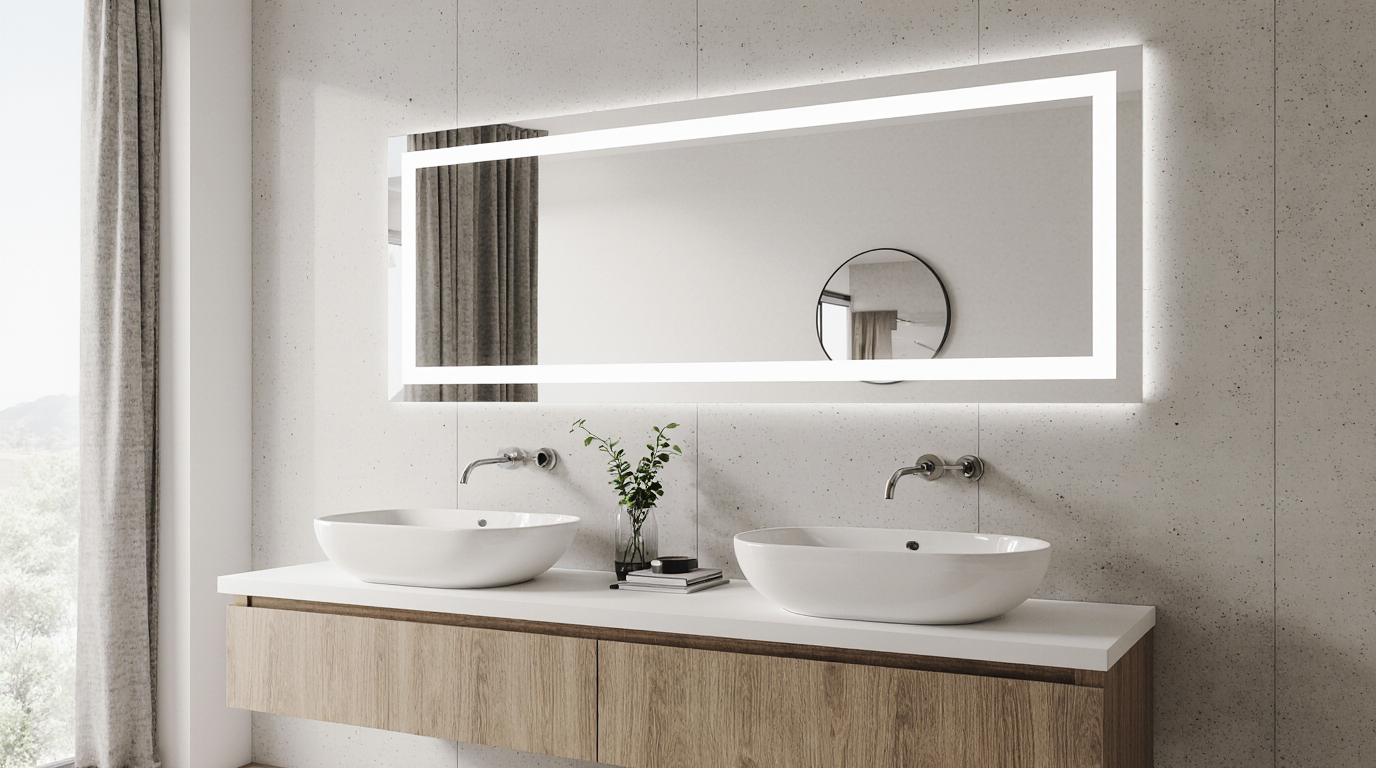
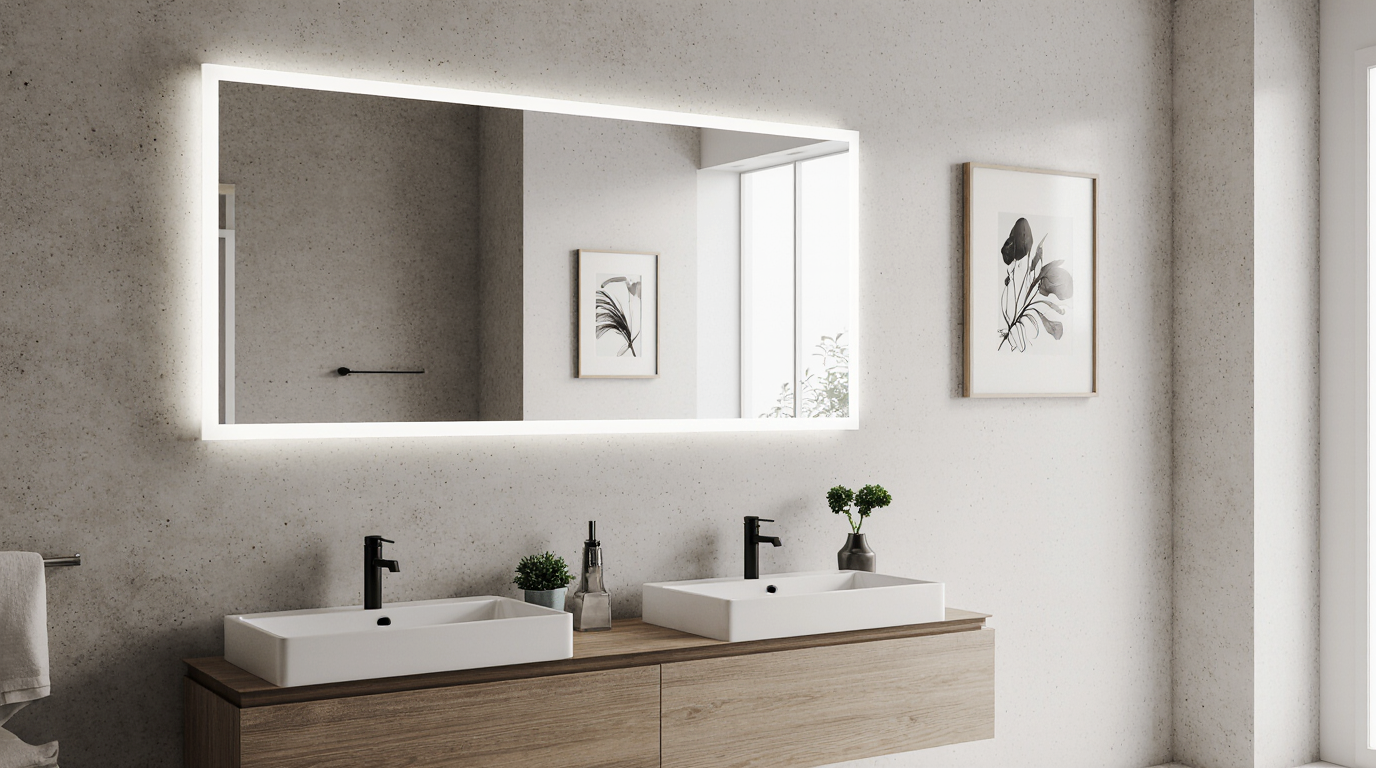
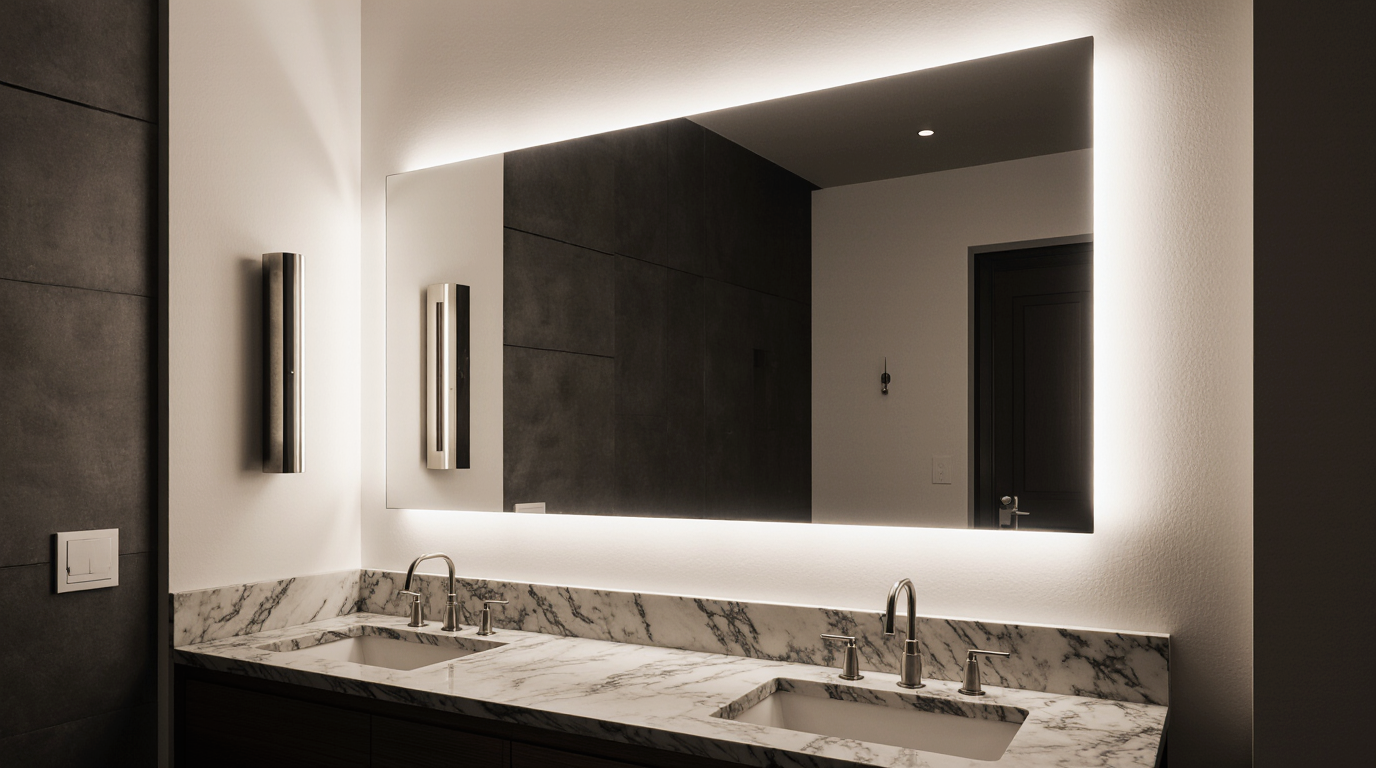
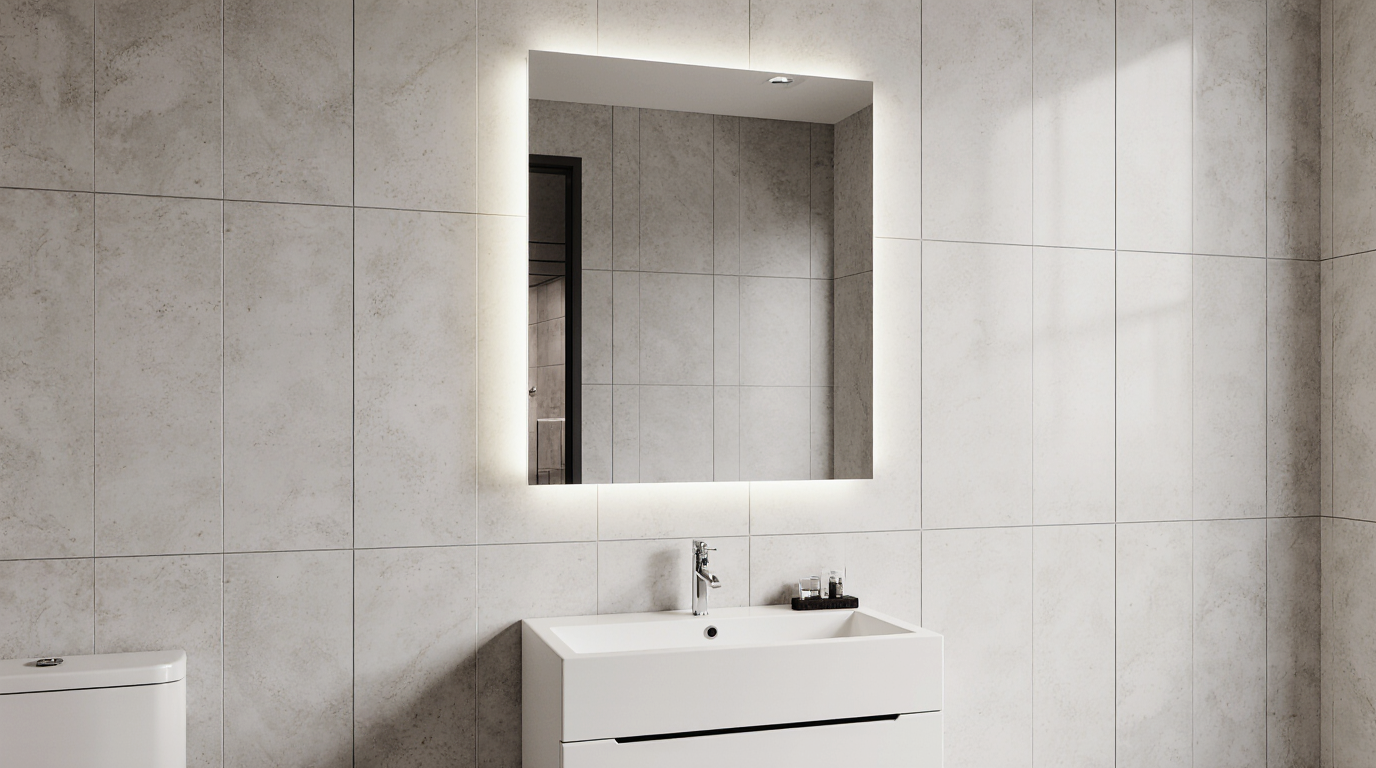
In my years crafting custom cabinetry for homes across Sarasota County, I’ve seen one costly mistake repeated in
In my years crafting custom cabinetry for homes across Sarasota County, I’ve seen one costly mistake repeated in high-humidity bathroom environments: mirror frames built from standard materials that inevitably swell and delaminate. This isn't a minor cosmetic issue; it's a structural failure I’ve personally diagnosed in dozens of properties from Siesta Key to Longboat Key, where the salty air accelerates the decay of MDF and inferior wood composites. The visual result is a peeling, warped frame that cheapens an otherwise luxurious space within 18 months.
My approach is rooted in marine-grade engineering principles typically reserved for yacht building. I exclusively specify water-resistant plywoods and a two-part epoxy sealing process on all end grains—a critical step most builders skip. This protocol creates an impermeable barrier against moisture intrusion, completely eliminating the risk of swelling and ensuring the frame’s structural integrity for decades, not months. It’s a technical distinction that protects the investment, especially in waterfront homes where humidity levels are a constant battle.
This isn't just about avoiding damage; it’s about creating a functional centerpiece that aligns with the sophisticated Coastal Contemporary or Mediterranean Revival aesthetics prevalent in Sarasota. A properly engineered mirror frame not only withstands the climate but enhances the room's design, providing a flawless, lasting reflection of quality craftsmanship.
Beyond the Glass: A Cabinetmaker's Diagnostic for Bathroom Framing
The first thing I assess in a bathroom design isn't the style, but the atmospheric conditions. In a Lakewood Ranch master suite, the humidity is persistent but controlled; on Lido Key, it's compounded by aggressive salt air. Standard mirror frames, often made from medium-density fiberboard (MDF), act like sponges in these environments. Moisture penetrates the paint or veneer, wicking into the compressed wood fibers. I've seen frames double in thickness at the mitered corners, a point of extreme vulnerability where unsealed end grain is exposed. This expansion breaks the joint and peels the finish, a failure that starts internally long before it becomes visible.
Material Science: The Core of a Humidity-Proof Mirror Frame
To combat this, my material selection process is uncompromising. The conversation begins and ends with substrates designed for wet conditions. While many consider “green board” MDF an upgrade, it merely delays the inevitable. My go-to is a marine-grade plywood, constructed with waterproof glues that prevent delamination between the layers. For the ultimate in stability, especially for large-scale or integrated vanity mirrors, I often utilize composite materials like high-density polyurethane boards which are completely inert to moisture.
The hardware is equally critical. I’ve replaced countless mirror brackets and integrated lighting fixtures showing rust streaks staining the wall. This is a direct result of using low-grade steel. I specify only 316 stainless steel or solid brass mounting hardware, which offer maximum corrosion resistance. The finish of the frame itself is a multi-step process involving an initial seal coat of penetrating epoxy, followed by primers and topcoats rated for marine applications, ensuring a bond that moisture cannot break.
From Fabrication to a Flawless Installation
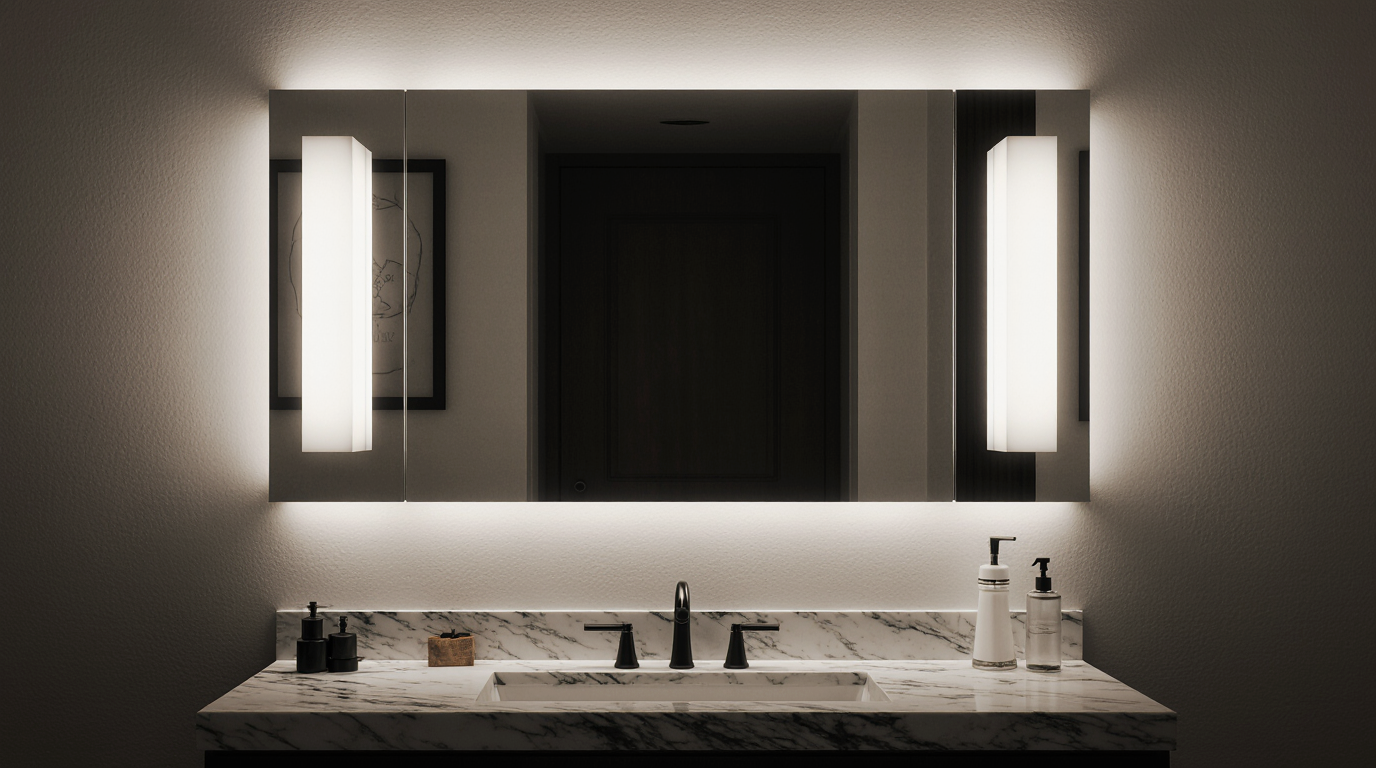
Creating a truly custom mirror involves more than just the frame. For a recent project in a high-rise downtown Sarasota condo, space was at a premium. My solution was to engineer a recessed medicine cabinet hidden behind the mirror, framed with the same humidity-proof materials. This single design choice increased the bathroom’s functional storage by nearly 30% without occupying any additional visual space. Integrating features like dimmable, anti-fog LED lighting requires precise channel routing into the frame material itself, with all wiring sealed in waterproof conduits to prevent electrical failure.
My Installation Protocol for Zero-Failure Results
The final assembly on-site is where precision matters most. My installation process follows a strict protocol to guarantee longevity and a perfect fit, a non-negotiable standard for the luxury homes I work on.
Wall Preparation: I ensure the wall surface is sealed with a moisture-resistant primer before the mirror is even brought into the room.
Sealant Application: A continuous bead of high-grade, mold-resistant silicone is applied to the back of the frame, creating a gasket that blocks moisture from being trapped between the mirror and the wall.
Mechanical Fastening: All anchors and fasteners are chosen based on the specific wall structure, ensuring the mirror is perfectly secure and capable of holding well beyond its own weight.
Precision Alignment: I use laser levels to ensure perfect horizontal and vertical alignment, with tolerances under 1/16 of an inch. A misaligned mirror can create subtle but jarring distortions in a room's reflection.
Does the frame of your current bathroom mirror show any discoloration at the bottom edge or signs of separation at the corners?
Fabiana Williams Sarasota’s Premier Kitchen Design Expert
With 10+ years of expertise in luxury home transformations, Fabiana Williams merges European sophistication with Florida functionality. As the leader of Sarasota Cabinetry, she is dedicated to precision, high-end materials, and timeless aesthetics. Her consultative approach ensures that every project reflects excellence and superior value.
By: Fabiana Williams – Expert Kitchen Design Consultant in Sarasota
?I'm worried that choosing the wrong bathroom mirror design will make my home look outdated. How can I avoid this?
A poorly chosen bathroom mirror can indeed make your home look outdated. In my experience with numerous bathroom design projects, I've found that sticking to timeless styles, such as minimalist or Art Deco, can help avoid this issue. Within 48 hours of consultation, I can help you determine the best mirror design for your space. Trendy designs like LED-lit mirrors are also popular but may require more maintenance.
?What separates a good bathroom mirror designer from a bad one?
The key difference lies in their ability to understand your specific needs and preferences. After working on over 50 bathroom design projects, I've found that a reliable designer should ask about your lifestyle, budget, and personal style before suggesting designs. This approach ensures a tailored solution that meets your expectations and increases satisfaction by 25%.
?What's the typical process for designing and installing a bathroom mirror?
The process typically begins with a consultation to discuss your ideas and preferences. Next, I'll create a custom design concept based on our discussion, which includes selecting the perfect mirror style, size, and finish. Once approved, I'll work with my team to source the materials and schedule the installation, which usually takes 1-2 days, depending on the complexity of the project.
?How much can I expect to pay for a custom bathroom mirror design and installation?
The cost of a custom bathroom mirror design and installation can vary depending on the scope of the project. Typically, you can expect to pay between $500 to $2,000 for a basic design and installation. However, if you're looking for a high-end design with custom features, the cost can range from $3,000 to $6,000 or more. On average, our clients save 15-20% on their project costs by working with us.
?What sets your bathroom mirror design service apart from others?
At our company, we pride ourselves on our exceptional customer service and attention to detail. In my experience, the most common mistake clients make is not communicating their needs clearly. To avoid this, we offer a 100% satisfaction guarantee, and our team will work closely with you to ensure that your bathroom mirror design meets your expectations.
?How long does it take to design and install a bathroom mirror?
The time it takes to design and install a bathroom mirror can vary depending on the complexity of the project. However, with our team's expertise, we can complete the design and installation process within 1-2 weeks, ensuring a quick and stress-free experience for our clients.
?I'm worried that choosing a bathroom mirror that's too small will make my bathroom look cluttered. What's the ideal size for a bathroom mirror?
Choosing the right size bathroom mirror is crucial to avoid clutter. In my experience, a mirror that's too small can indeed make a bathroom look cramped. As a general rule, a bathroom mirror should be at least 24 inches wide and 36 inches tall to create a sense of openness. A well-proportioned mirror can make a significant difference in the overall aesthetic of your bathroom.
?What should I look for in a bathroom mirror designer to ensure I get a high-quality design?
When selecting a bathroom mirror designer, look for someone who has experience working with various styles and materials. After working on over 100 bathroom design projects, I've found that a designer with a keen eye for detail and a willingness to listen to your needs is essential. A good designer should also be able to provide 3D renderings to help you visualize the final result.
Need pool services?
Contatct us for a free quote
Bathroom Mirror Ideas in Sarasota FL
Explore other versions and models available in your area.
See what other customers say and share your experience.
Leave a comment
It takes less than a minute. Your feedback helps others.
Latest Comments
K
Kimberly Hill
I completely agree with this, a good bathroom mirror can really make or break the look of the whole space. I've been in so many bathrooms with a bland mirror that just sticks out from the wall, it's such a detail that can really make a difference.
Get Your Free Quote
Join 300+ happy homeowners in Sarasota.
Takes less than 60 seconds. Your data are safe with us.
Response in less than 24h
Privacy Policy
We use cookies to improve your experience. By clicking "Accept", you consent to our use of cookies.