Exploring Custom Bathroom Cabinet Costs: Key Determinants of Price and Excellence
In the realm of custom bathroom cabinetry, homeowners frequently encounter a diverse spectrum of costs, finishes, and design options, aware that investing in custom cabinetry affects not only style but also structural longevity, practical use, and the holistic worth of the renovated space. Understanding the true cost of custom bathroom cabinets means acknowledging the intricate craftsmanship, meticulous design precision, and personalized details required to tailor a space to individual needs. Unlike stock cabinets, bespoke designs conform seamlessly to your bathroom’s dimensions, organizational demands, and visual ambitions with extraordinary precision.
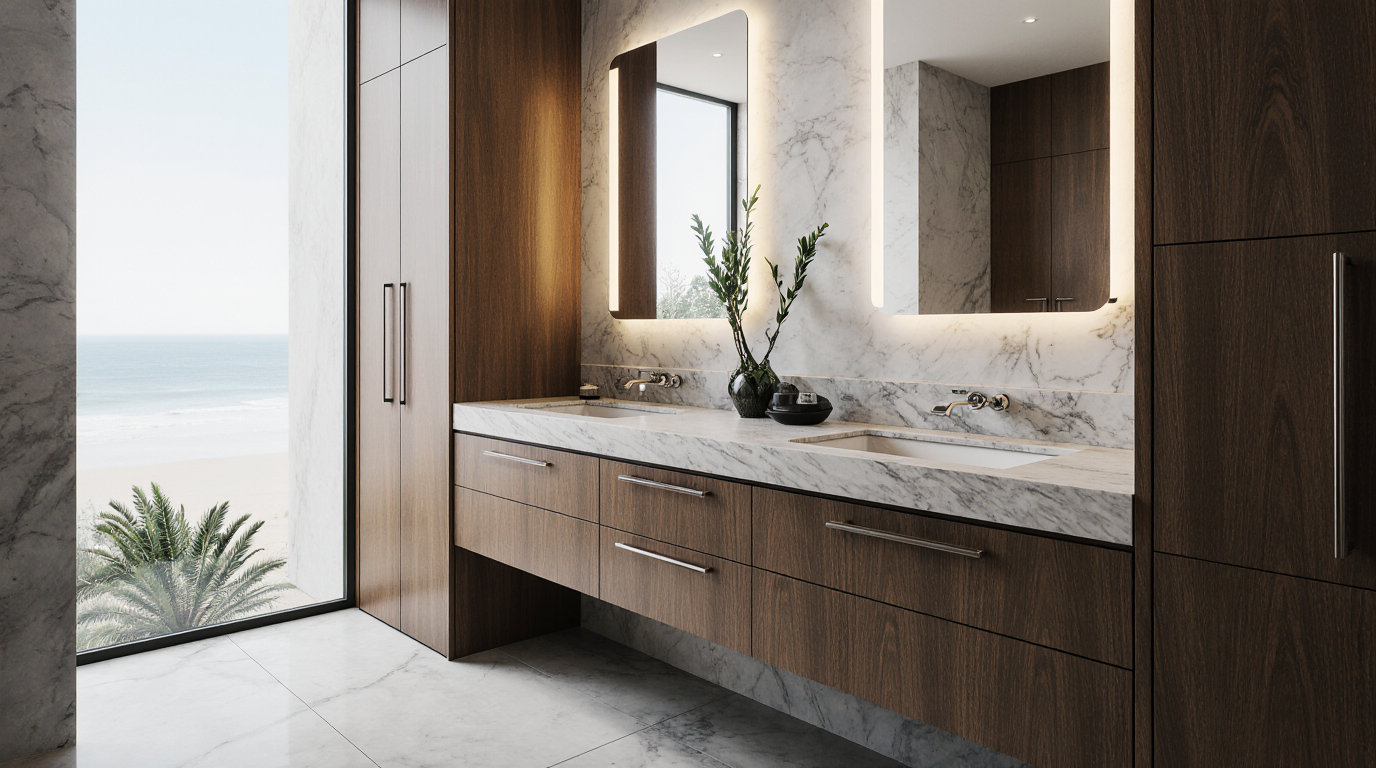
Among the foremost determinants of cabinet pricing is the choice of high-quality materials, with high-end options such as solid wood, walnut, cherry, or maple elevating costs due to superior durability, longevity, and luxurious finishes. Conversely, engineered materials such as MDF or plywood offer versatility and aesthetic options while maintaining budget-conscious pricing. The choice of materials dictates both pricing and longevity, particularly in damp spaces where moisture-resistant compositions preserve both form and function.
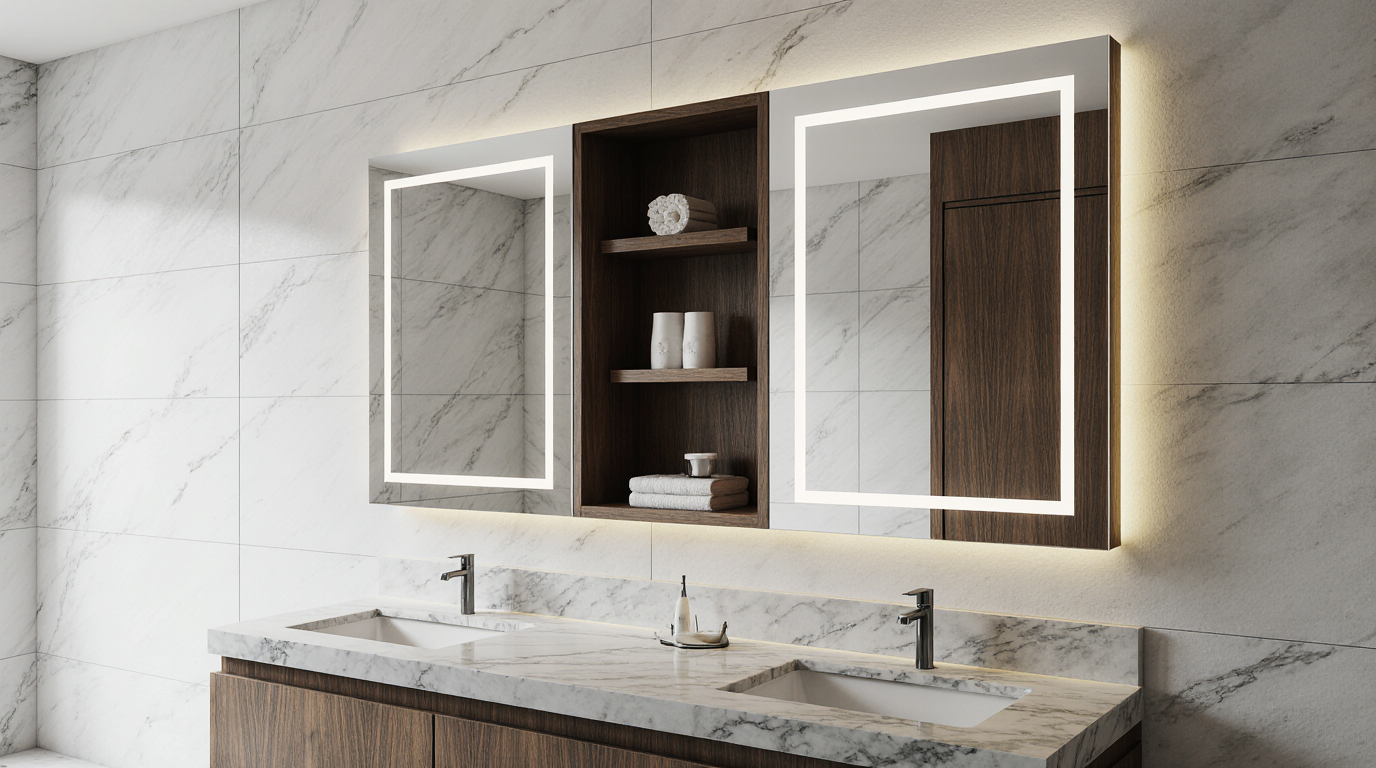
The degree of customization is another substantial contributor to the total cost of custom bathroom cabinets, with fully custom cabinets designed from scratch according to exact specifications and capable of including built-in hampers, drawer organizers, under-sink pullouts, or integrated lighting. These design elements add both convenience and a polished, designer-quality finish. Semi-custom cabinets, on the other hand, offer moderate flexibility in sizing and finishes at lower cost but lack the meticulous attention to detail of fully bespoke designs. Choosing fully tailored solutions allows exact alignment with the homeowner’s aesthetic and practical priorities, creating a bathroom that is truly unique.
The choice of finish significantly affects custom bathroom cabinet pricing, with hand-painted or stained finishes raising costs due to labor intensity and material quality. Lacquered surfaces provide a sleek modern appearance but necessitate expert application for flawless results. Applying custom tints, distressed effects, or protective sealants for humid environments may add to total costs. Investing in superior finishes ensures durability and an elevated look, turning functional spaces into elegant sanctuaries.
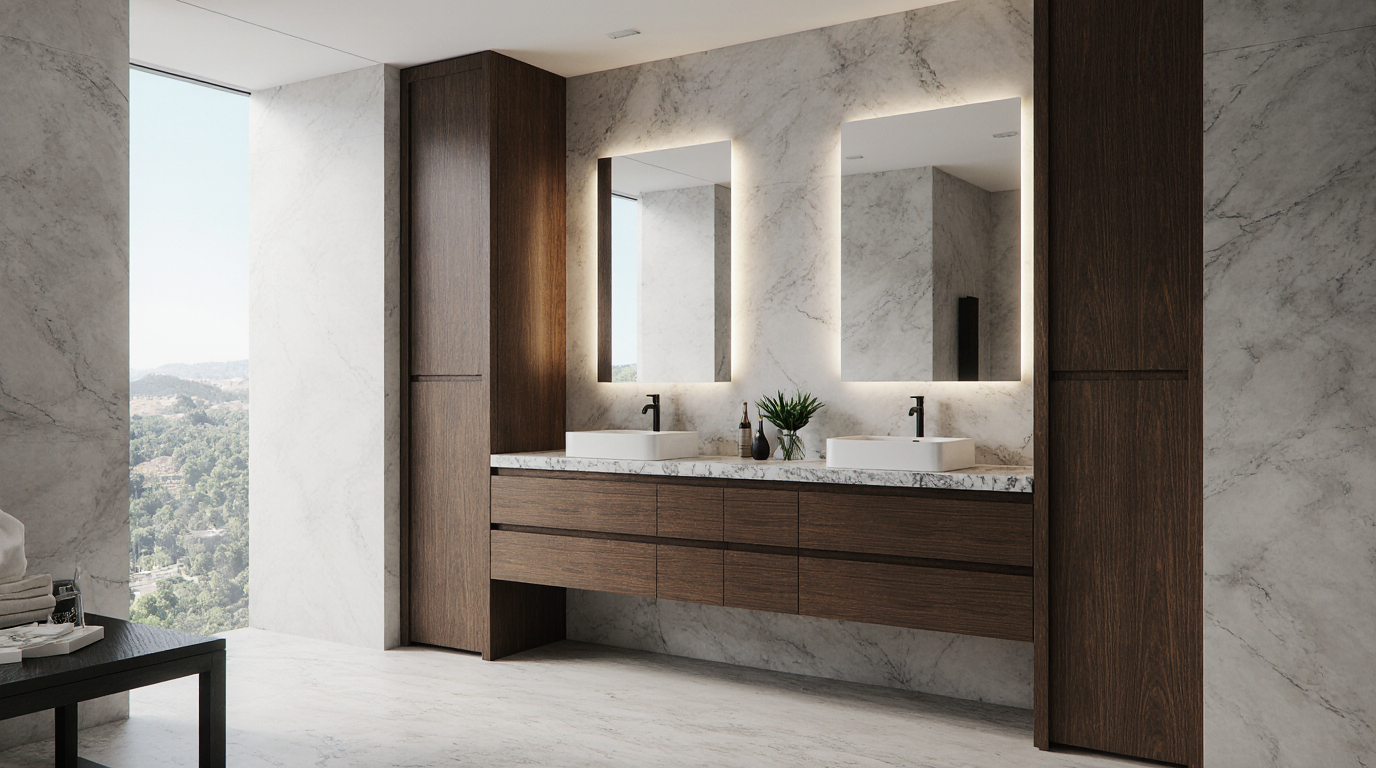
Complex design elements significantly affect the investment required for bespoke cabinets, cabinet features such as sophisticated moldings, rounded corners, or inset designs necessitate more intensive work and higher expenditure. Even modern, flat-front styles demand careful execution to ensure flawless alignment and finish. Floating, built-in, or extensive cabinetry systems increase labor and material demands, influencing final pricing. For many homeowners, these enhancements justify the investment, converting functional spaces into luxurious, spa-inspired retreats.
Labor is another major cost factor for custom cabinetry, with professional artisans guaranteeing that each component aligns with precise quality benchmarks. Work encompasses detailed planning, cutting, surface finishing, and accurate fitting. Metropolitan regions often experience higher labor rates, while smaller locales may reduce costs. Investing in experienced craftsmen provides enduring beauty, precise finishes, and reliable functionality.
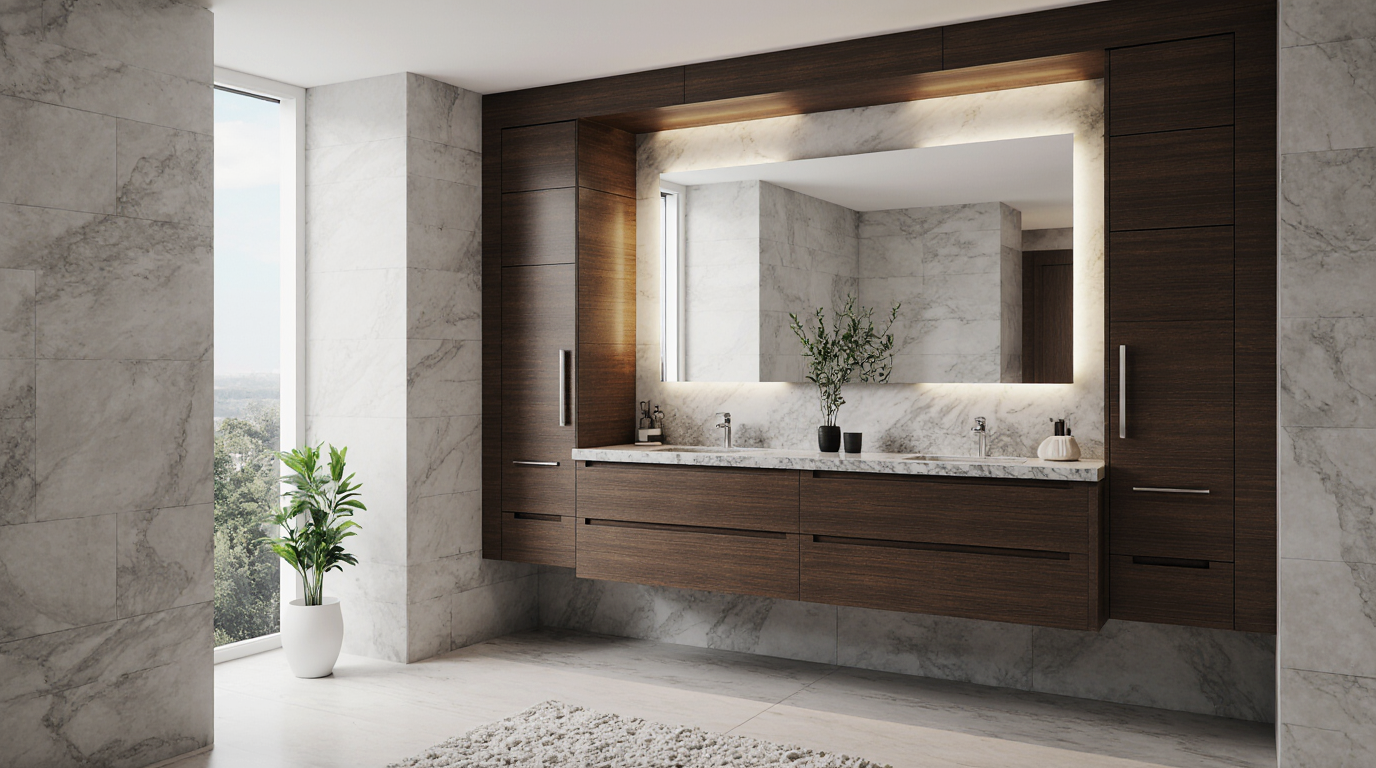
The scale of the bathroom and the amount of cabinetry required influence final investment, compact bathrooms typically demand a single vanity, whereas master suites often include extensive cabinetry and organizational features. More cabinetry translates to higher costs in materials, labor, and coordination. In extensive renovations, detailed collaboration ensures cabinetry accommodates plumbing, lighting, and ventilation systems efficiently. Professional guidance in design and planning secures flawless execution and financial efficiency.
Geography and project scale affect custom cabinet costs, with metropolitan areas typically seeing higher labor rates and material markups. Adjustments to utilities during renovation contribute additional costs. Sustainable cabinetry options elevate upfront costs while improving durability, indoor air quality, and ecological responsibility.
Choosing high-quality hardware can noticeably influence total investment, hardware quality directly affects smooth operation, tactile experience, and long-term durability. Bespoke hardware options provide tailored elegance, integrating seamlessly with design schemes. Even minor investments in top-grade hardware yield substantial improvements in function and style.
Considering cost brackets aids in realistic financial planning for cabinetry. Location, intricate design, and artisanal skill all influence costs. Collaborating with reputable designers ensures functional, beautiful bathrooms that remain within budget.
Assessing the lasting benefits of bespoke cabinetry adds perspective, beyond visual appeal, they increase perceived luxury and home value. Bespoke solutions provide superior storage, intuitive layouts, and ergonomic use, enhancing daily life. Selecting classic styles and long-lasting materials secures enduring appeal and function.
In the end, cost comprehension requires recognizing factors influencing both expenditure and functionality, spanning materials, finishing techniques, intricate designs, and expert labor. While prefabricated options may seem tempting, the true value of custom cabinetry lies in transforming a standard bathroom into a uniquely personal sanctuary. Those prioritizing both practicality and design excellence find that custom cabinetry delivers unmatched long-term value.