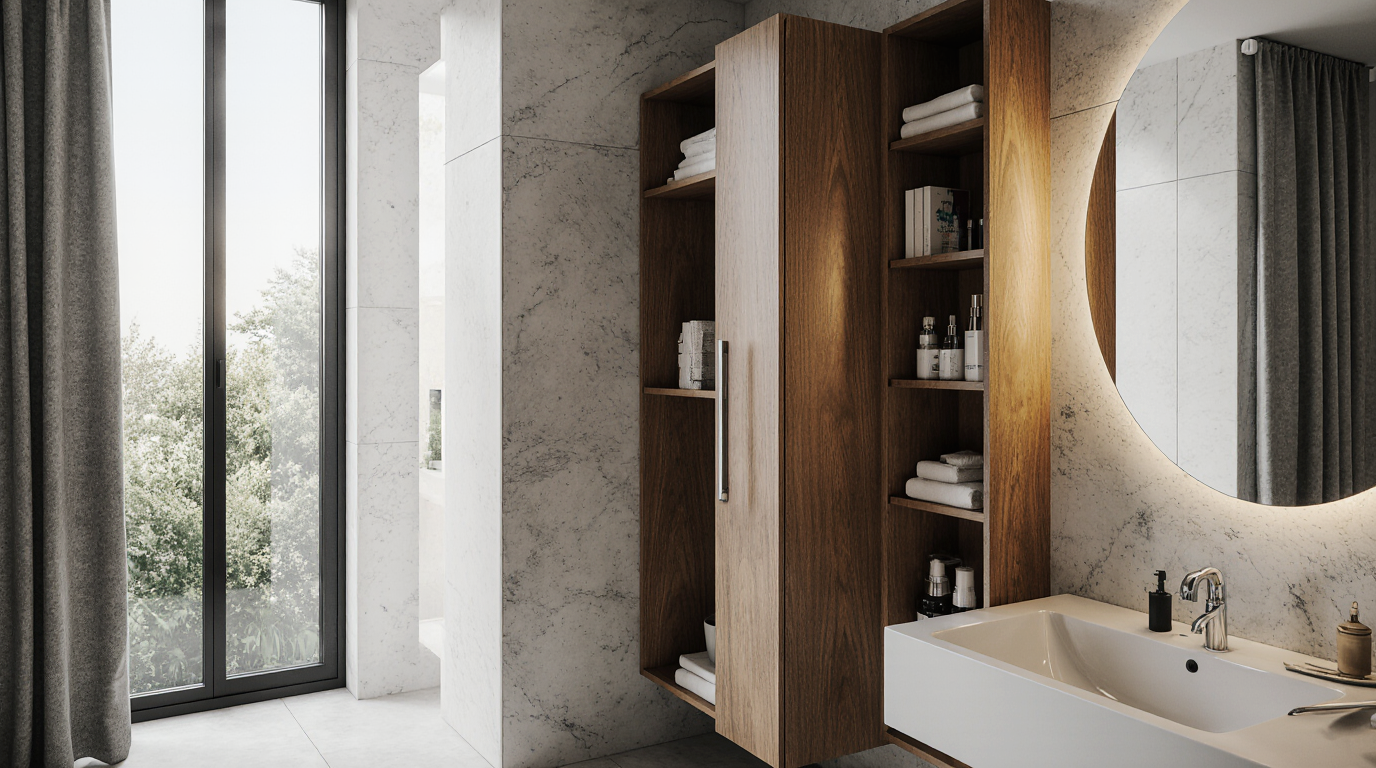
Diagnosing the Space: My Moisture Defense Blueprint
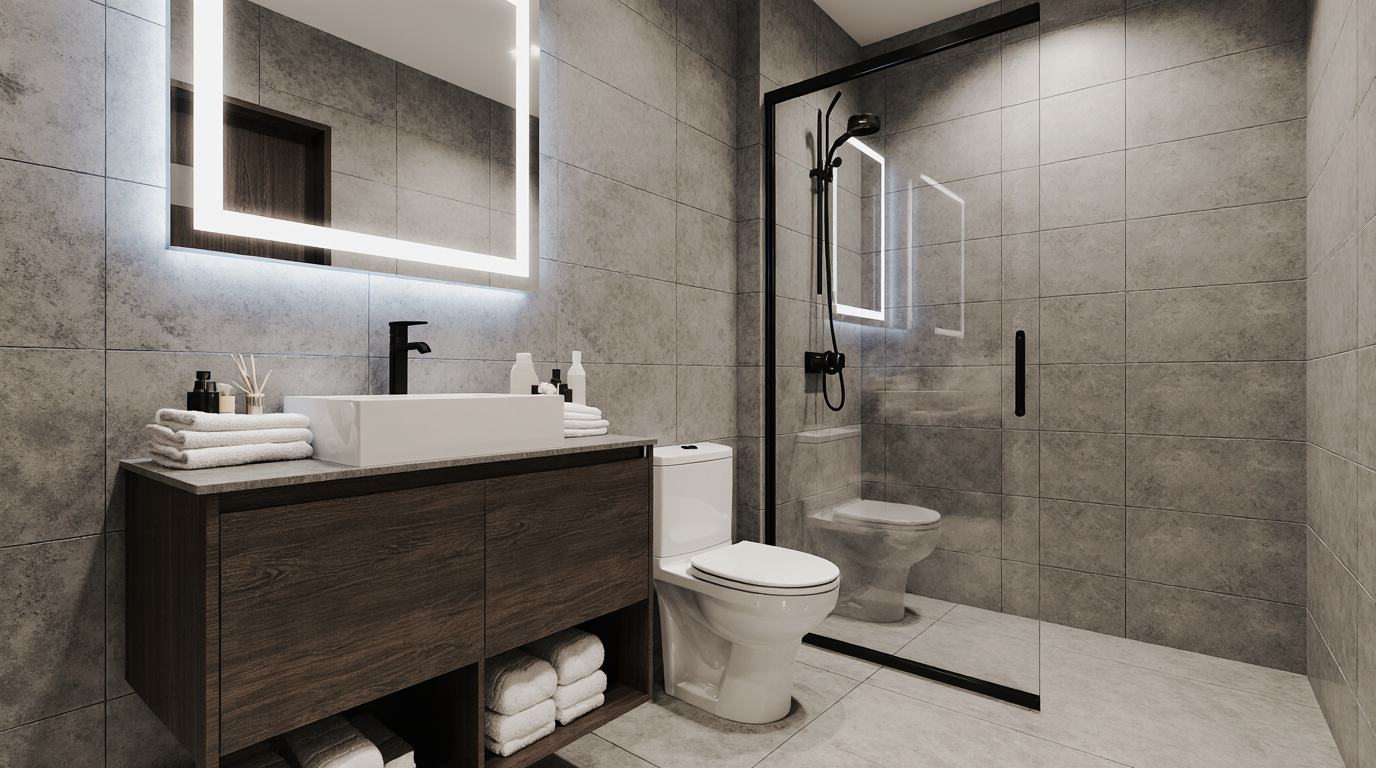
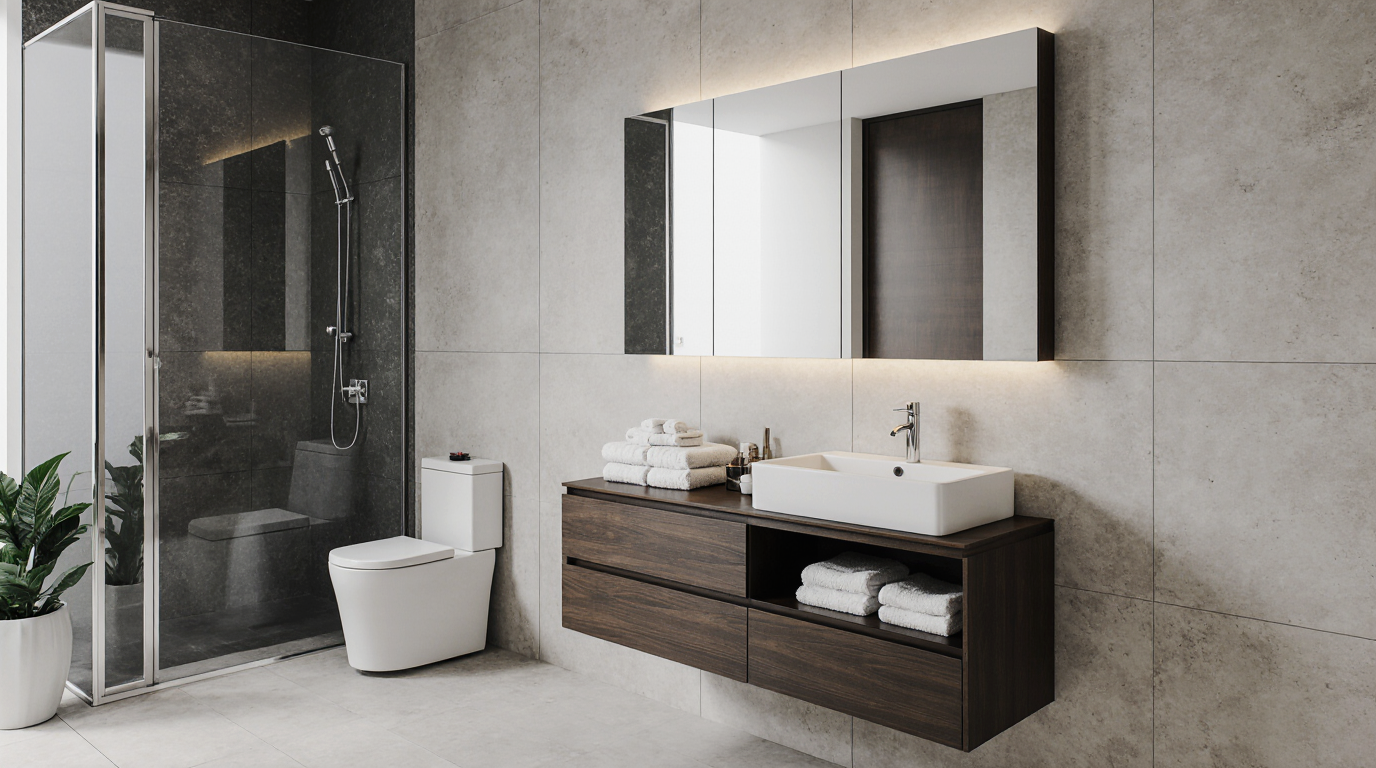
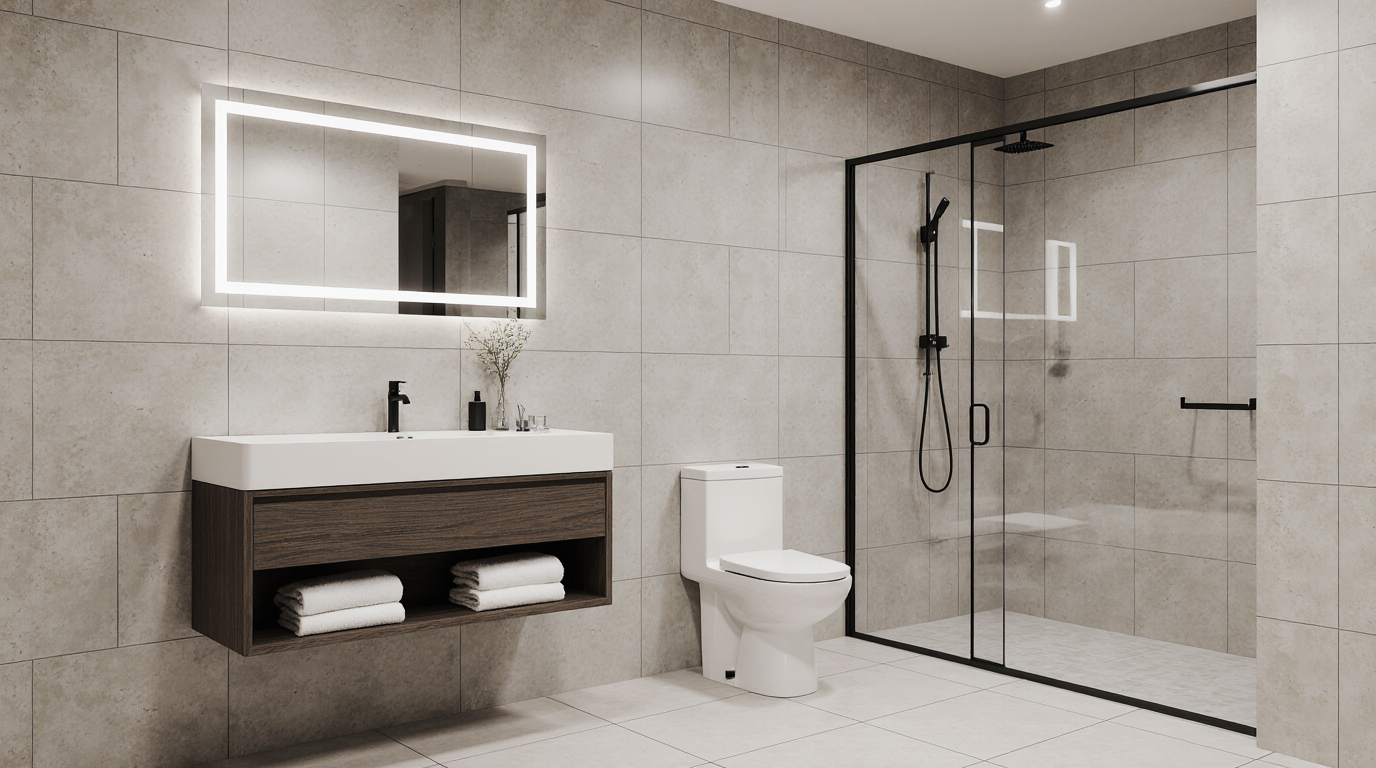
Before any design is sketched, my process begins with a technical assessment of the specific bathroom environment. A master bath in a Lakewood Ranch estate faces different challenges than a guest bath in a high-rise condo overlooking Sarasota Bay. I analyze airflow, proximity to the shower, and existing ventilation to create what I call a Moisture Defense Blueprint. This plan dictates the specific sealing protocols and material thicknesses required. For instance, a vanity placed against an exterior wall with less insulation may require an additional vapor barrier and a specialized back panel to prevent moisture transfer from the wall cavity, a detail often overlooked in standard installations.
Core Material & Hardware Deep Dive: Beyond the Surface
While the description mentioned my core materials, the specifics are what truly guarantee longevity. When I specify water-resistant plywood, I am referring to panels where every ply is bonded with waterproof glue, ensuring there are no internal pockets for moisture to exploit. This is fundamentally different from particle board which acts like a sponge. The choice of finish is equally critical; I utilize a post-catalyzed conversion varnish, applied in multiple coats, which creates a hardened, non-porous shell far superior to common lacquer or paint in blocking humidity.
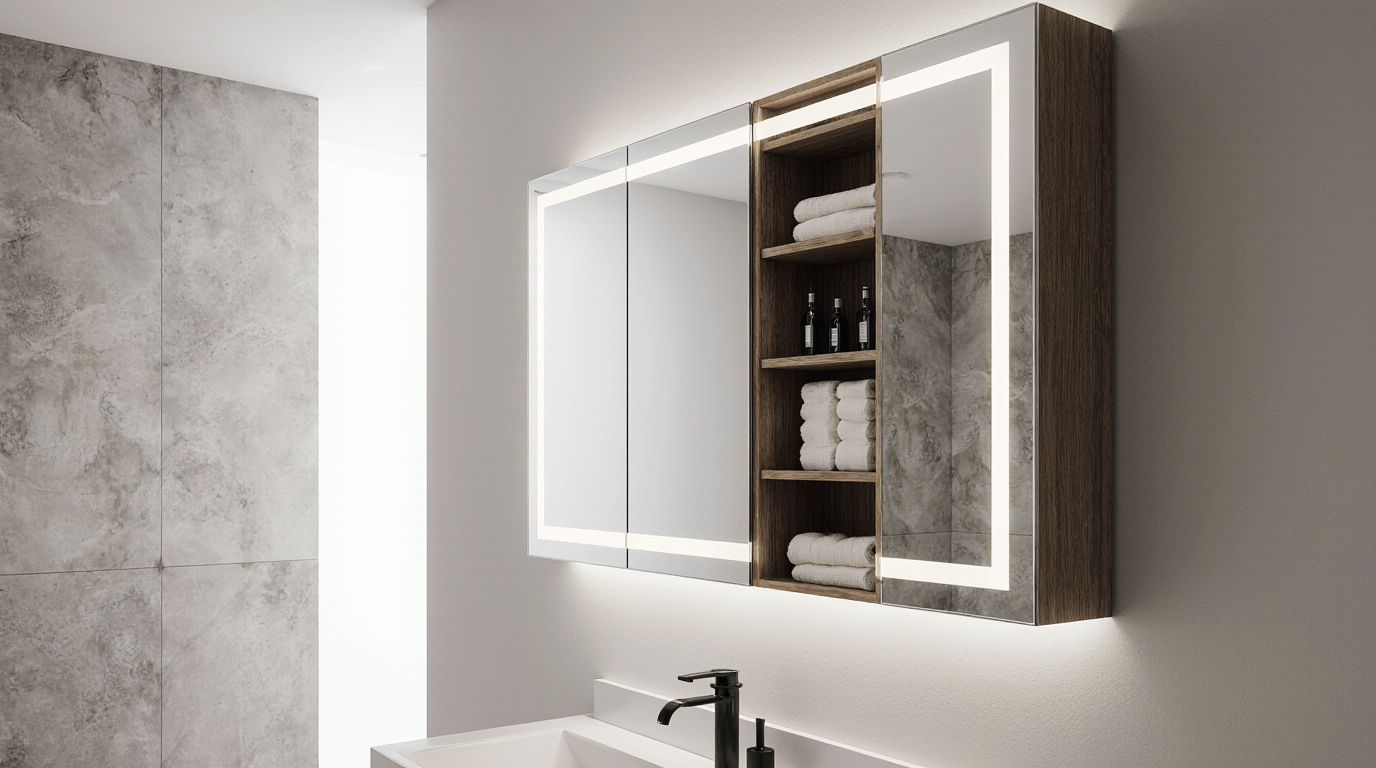
For hardware, the choice of 316 stainless steel is non-negotiable, but the mechanism itself is just as important. I integrate concealed, soft-close hinges and drawer slides that have been tested to withstand thousands of cycles in a salt-spray chamber. This ensures the smooth, silent operation you expect from high-end cabinetry doesn't degrade over time. It's this combination of a resilient core, an impenetrable finish, and corrosion-proof hardware that forms the foundation of a truly durable bathroom cabinet.
The Fabrication & Installation Protocol
Building a cabinet to withstand Sarasota's climate requires a precise, multi-stage process that goes far beyond simple assembly. My workshop follows a strict protocol for every piece destined for a high-humidity zone:
- Edge Sealing Before Assembly: Every single cut edge of the plywood is sealed with a waterproof primer *before* the cabinet box is constructed. This is a critical step that prevents moisture from wicking into the raw edges, which is the most common point of failure.
- Waterproof Assembly Adhesives: All joints are bonded with polyurethane-based adhesives, not just standard wood glue. This creates a permanent, waterproof bond that adds to the overall structural rigidity of the cabinet and ensures joints will never separate due to humidity.
- Ventilated Installation: During on-site installation, I ensure the cabinet is not installed flush against the wall without consideration for air movement. We use subtle spacers and ensure the toe-kick design allows for minimal, but essential, cross-ventilation to prevent stagnant, moist air from being trapped behind and underneath the vanity.
Precision Alignment & Long-Term Tolerances
The final stage of my process is about obsessive precision. In a coastal environment, materials can subtly shift. My installation standards account for this, with a focus on perfect reveals and door alignments that hold a tolerance of less than 1/16th of an inch. After installation, I perform a final check on all seals, especially around plumbing cutouts, applying a high-grade silicone sealant to ensure a watertight barrier. This meticulous attention to detail guarantees that the cabinet not only looks perfect on day one, but that its structural integrity and flawless appearance endure for years, even in the most demanding waterfront properties on Lido Key.
Now, look at your own bathroom cabinetry. Are the lower edges of the doors perfectly crisp, or are they showing the very first signs of swelling?