Modern Bathroom-Laundry Integration: Creative Space Solutions
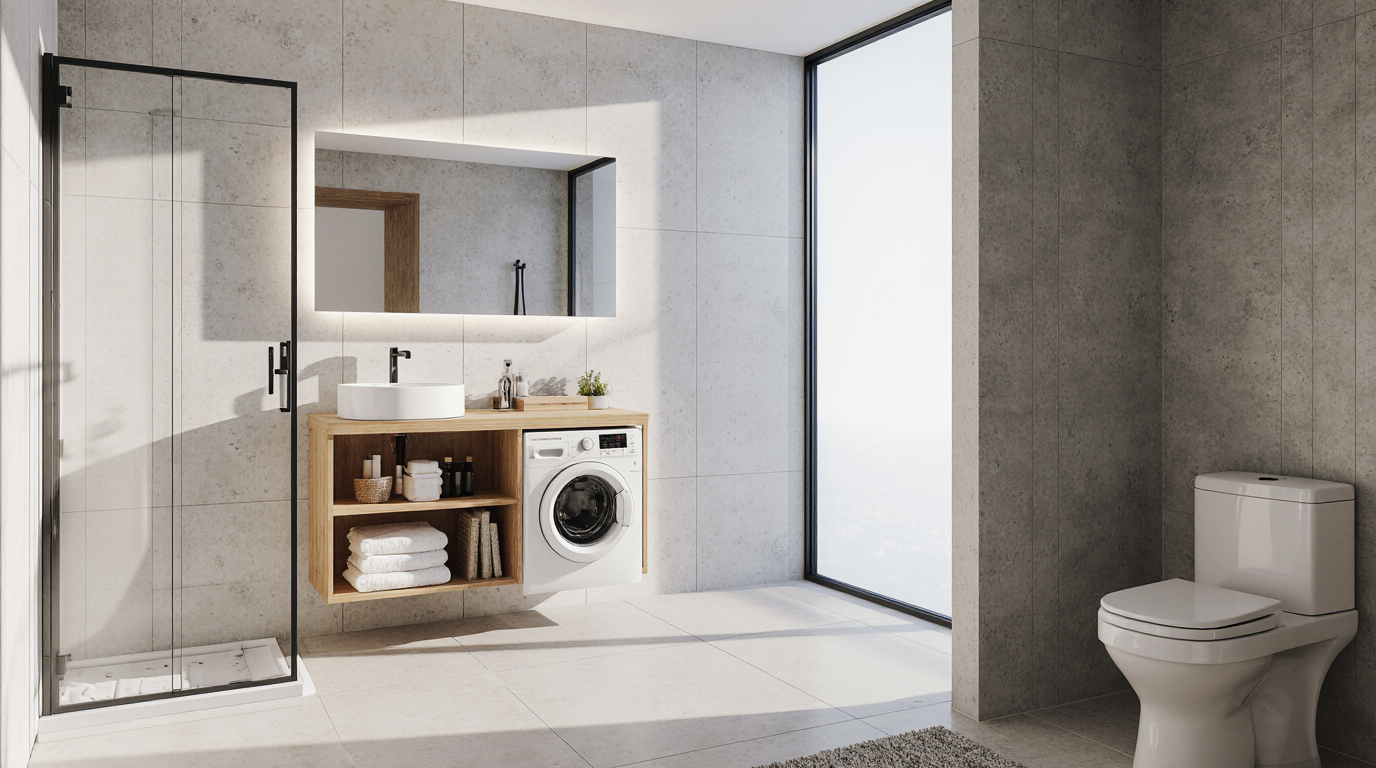
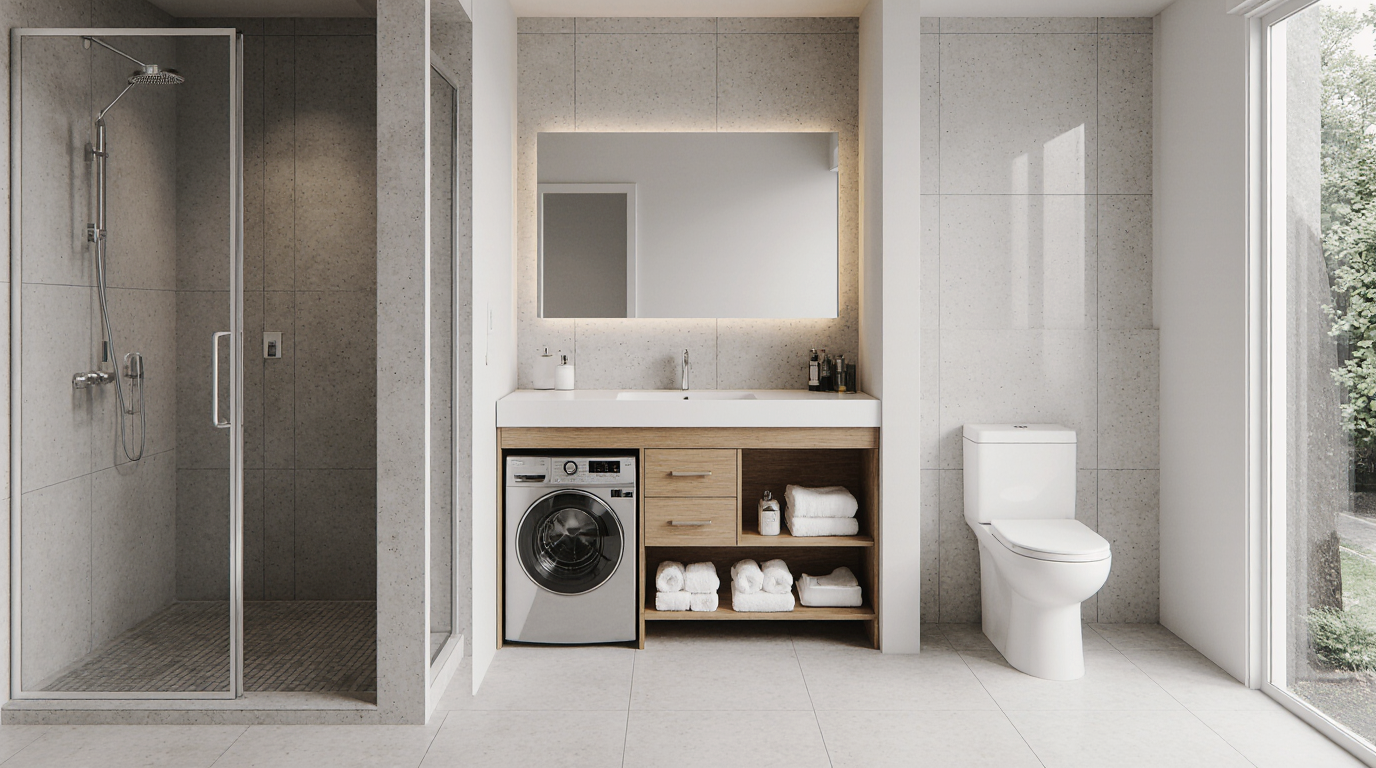
Creating a functional yet stylish space in a home can be a challenging task, notably when integrating two fundamentally different yet essential spaces like a bathroom and a laundry room. This dual-purpose design concept has surged in popularity within contemporary home planning, since it offers an innovative solution to space limitations while maintaining a visually pleasing environment. When carefully designed, such a combo integrates convenience, functionality, and refined design to enhance everyday life, transforming ordinary tasks into streamlined, pleasurable experiences.
Spatial planning remains the cornerstone of an efficient bathroom-laundry combo, Professionals in bathroom design emphasize the importance of layout optimization, which involves careful consideration of plumbing, ventilation, and storage solutions. The placement of appliances, such as a washing machine and dryer, must not interfere with the flow of the bathroom, and vice versa. Designers often recommend stacking machines or using compact models to maintain a spacious feel. With strategic layout and storage, even small areas can become highly functional without feeling cramped.
Storage solutions play a pivotal role in this integrated space. Both areas require well-planned storage for necessities ranging from personal care items to laundry products. Contemporary built-ins and bespoke shelving elegantly hide machines yet offer generous space. Stacked or floor-to-ceiling cabinets are often implemented to fully exploit vertical space. Every detail, from concealed drawers to compartmentalized shelves, contributes to a harmonious, functional design.
Aesthetics are equally crucial when designing a bathroom-laundry combo, Blending finishes and palettes carefully elevates the dual-purpose environment. Neutral palettes, such as whites, beiges, and soft grays, often work well to make a small space feel larger and more open. Functional yet decorative tiling options protect surfaces while amplifying style. Patterned or textured tiles can add depth and interest, creating an atmosphere that is both inviting and refined. Even small touches, like accent tiles behind the sink or subtle mosaic designs, can elevate the visual impact of the room.
The right lighting dramatically influences both aesthetics and functionality. Well-planned lighting supports chores, prevents accidents, and accentuates design features. Layered lighting strategies combining overhead lights, task lighting near the mirror, and subtle under-cabinet lighting create a versatile environment. For example, LED strips under shelves or cabinets not only add a modern touch but also improve practicality when performing chores like folding clothes or preparing personal care routines. Maximizing daylight enhances comfort, energy efficiency, and the perception of space.
Ventilation is another critical component of a bathroom-laundry room combo. The presence of moisture from both the shower and laundry appliances requires careful planning to prevent mold, mildew, and unpleasant odors. Advanced ventilation systems or operable windows regulate moisture effectively. Modern ventilation integrates humidity and thermal control for durability and comfort. In some cases, designers integrate dehumidifiers or moisture-resistant wall panels to ensure the space remains comfortable and hygienic.
Efficiency and sustainability are growing trends in modern bathroom design, particularly in multi-functional areas. Water-saving fixtures, such as low-flow faucets and dual-flush toilets, reduce water consumption without sacrificing performance. Sustainable appliances support both operational economy and green living standards. Smart integration empowers users to manage routines, reduce waste, and enhance comfort. Eco-friendly and tech-forward strategies offer both practicality and sophistication.
Efficient task flow enhances usability in multi-purpose rooms. Optimizing work zones improves daily tasks and supports organization. Multipurpose surfaces integrate storage, prep, and folding areas effectively. Designers often recommend open shelving for frequently used items, paired with hidden storage for less-accessed supplies. By anticipating daily routines and user habits, the space becomes more than just functional—it transforms into a practical yet elegant hub that supports an organized lifestyle.
Ensuring safety is a priority when integrating bathrooms and laundry areas. Wet floors, electrical outlets near water sources, and heavy appliances require careful attention to design standards and building codes. Anti-slip flooring, waterproof outlets, and proper appliance anchoring are vital to prevent accidents. Protective measures are elegantly integrated to preserve the room’s beauty. Homeowners benefit from reassurance and functionality through integrated safety.
Personalization is key to creating a space that resonates with the homeowner's lifestyle. Personal touches, including bespoke furniture, distinctive materials, and creative decor, enhance character. Distinctive hardware and visually striking features enrich both function and ambiance. Thoughtful color coordination, coordinated textiles, and integrated design elements ensure that the dual-purpose space does not feel chaotic but rather curated and harmonious.
Dual-purpose design ensures long-term functionality and value. Modern housing trends favor multi-functional, space-saving solutions. Strategic modular solutions sustain usability and elegance over time. A well-designed combo space demonstrates that functionality and beauty are not mutually exclusive—they coexist to create a room that enhances everyday living in meaningful ways.
Creating a cohesive dual-purpose area relies on meticulous attention to every detail from spatial flow to decorative touches. Professional input guarantees that layout, materiality, and usability form a seamless whole. When executed correctly, the space merges efficiency, comfort, and style, turning chores into a streamlined, aesthetically pleasing activity.