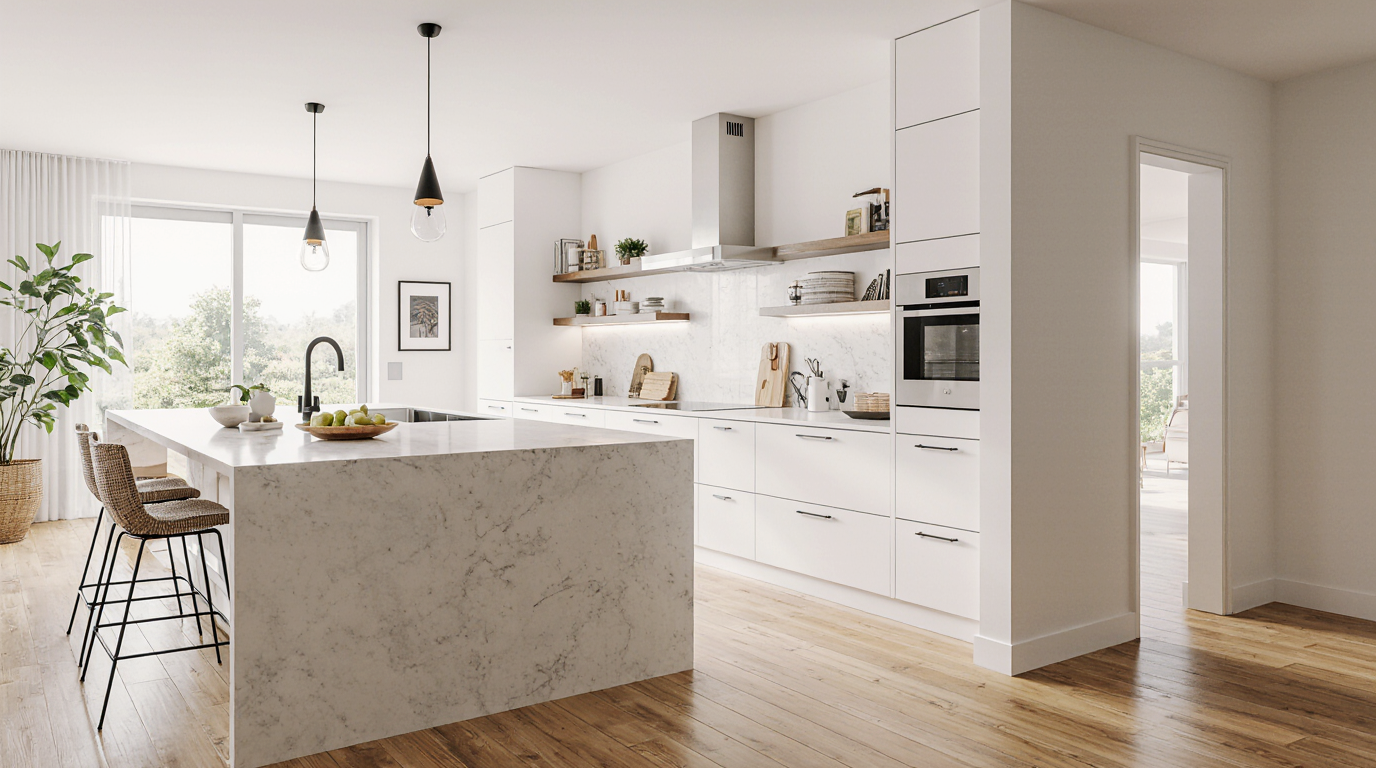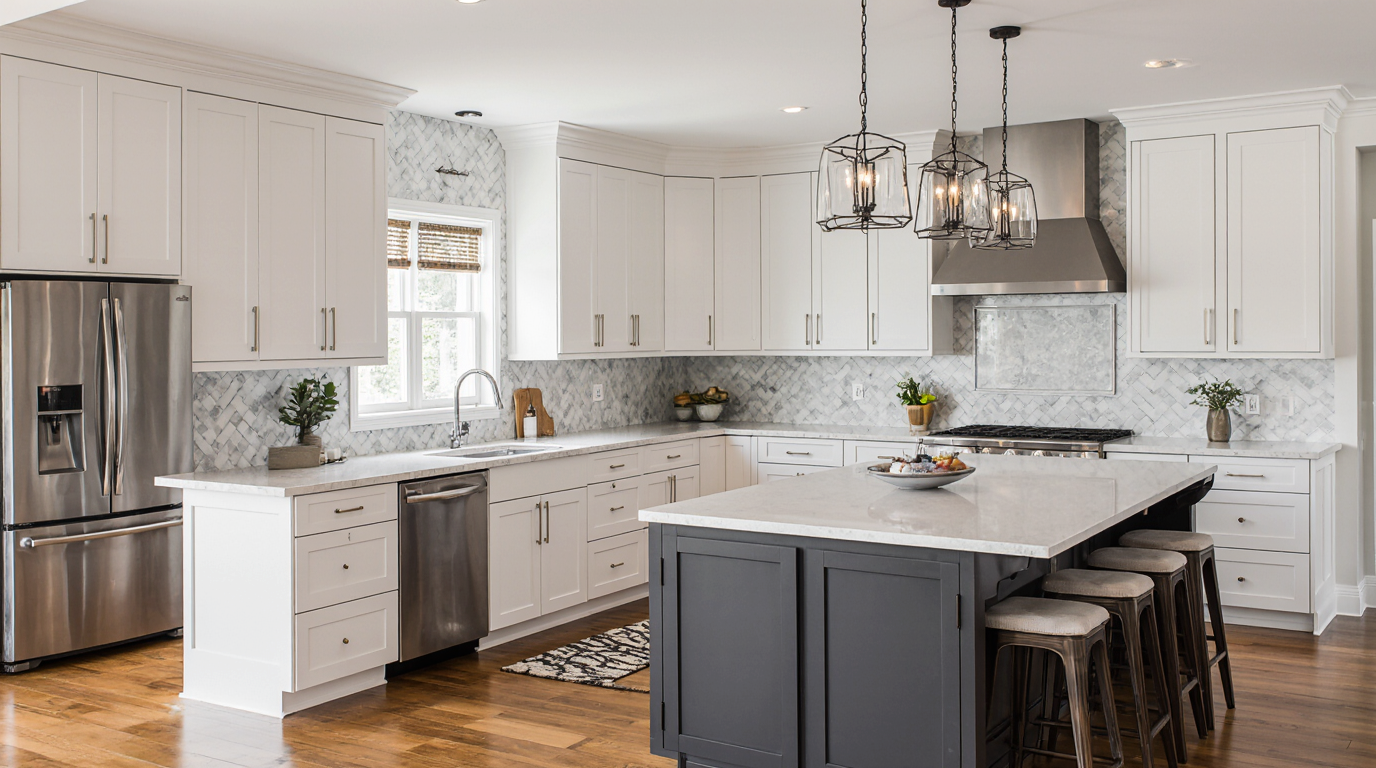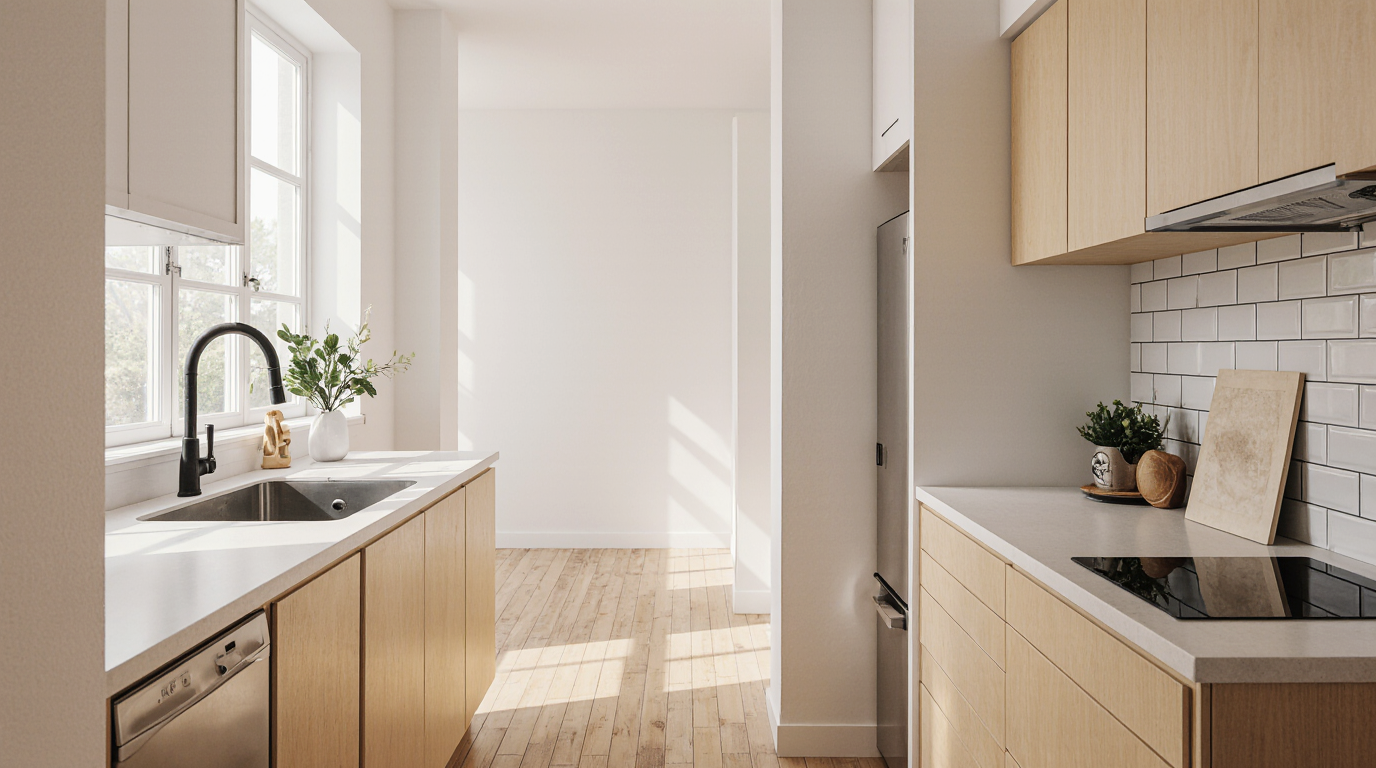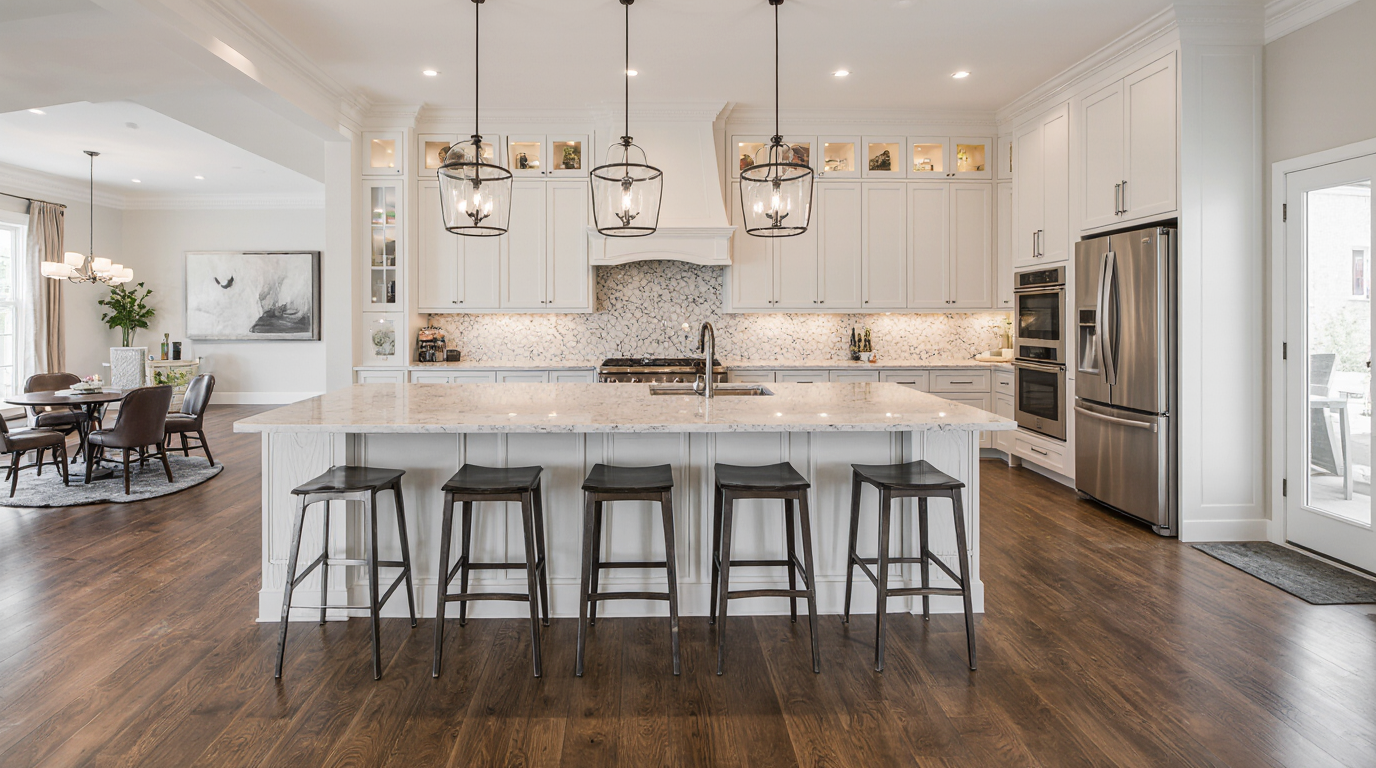
In Sarasota County, a seemingly simple kitchen renovation permit can take anywhere from 4 to 8 weeks for review, and that’s before any HOA design committee even sees your plans. For many homeowners, especially seasonal residents, this timeline isn't just an inconvenience; it’s the difference between a finished project and living in a construction zone for an entire season. The secret to an affordable kitchen renovation here isn't just about labor costs or material discounts; it’s about front-loading the planning to sidestep the costly delays baked into our local system.
Executive Summary: The Sarasota Approach to Affordable Renovations
From my 15 years of hands-on work in the Sarasota area, I've learned that a truly affordable kitchen renovation is one
From my 15 years of hands-on work in the Sarasota area, I've learned that a truly affordable kitchen renovation is one that won't require expensive fixes in five years. The key is balancing initial cost with long-term durability against our coastal climate. It's a strategic process of investing in the unseen elements—like moisture-resistant substrates and corrosion-proof hardware—while using clever design and material choices for the visible surfaces. This isn't about finding the cheapest contractor; it's about finding a partner who understands how to build for longevity in a high-humidity, salt-air environment.
- Focus on Substrates: Prioritize moisture-resistant materials like marine-grade plywood for cabinet boxes in areas with any potential water exposure.
- Hardware is Non-Negotiable: Always specify stainless steel or specially coated hardware to prevent rust and corrosion, a common failure point I see in coastal homes.
- Code & HOA Navigation: Factor in time and potential design constraints from the Florida Building Code's wind-load requirements and local HOA architectural review boards.
- Strategic Surface Selection: Utilize high-quality laminates, quartz, or even well-sealed butcher block to achieve a premium look without the cost and maintenance of porous natural stones like marble.
The Budget-Killing Mistakes I See in Sarasota Kitchens
The most common financial blunders in Sarasota renovations stem from a misunderstanding of our environment. Homeowners, often guided by national design trends or big-box store advice, make choices that are functionally inappropriate for our climate. The initial savings are quickly erased by the cost of remediation.
A frequent error is opting for standard MDF (medium-density fiberboard) core cabinets with thermofoil or cheap laminate finishes. While budget-friendly upfront, I've been called to replace these systems within three to five years. The high humidity causes the MDF to swell, and the laminate begins to peel at the seams, creating an eyesore that's impossible to repair. The real affordability comes from choosing materials that won’t degrade.
The Most Expensive Failure: Underestimating Humidity's Impact
The single most expensive mistake I consistently observe is ignoring the cumulative effect of humidity on everything from cabinet construction to flooring. A client in a beautiful home west of the Trail insisted on standard-grade particleboard cabinet boxes to save a couple of thousand dollars on their initial quote. Two years later, a minor leak under the sink, amplified by the ambient moisture, caused the cabinet base to swell and delaminate, forcing a full tear-out of the sink base and adjacent units. The repair cost them nearly three times their initial savings and required a messy, disruptive process they thought they were done with.
How a Smart, Affordable Renovation Unfolds in Practice
A successful, budget-conscious kitchen renewal project follows a clear, structured path that anticipates local hurdles. The process is not just about demolition and installation; it's heavily weighted toward meticulous planning that respects Sarasota's specific environmental and regulatory landscape. This prevents the scope creep and surprise costs that plague many projects.
The first step is always a deep dive into the home's specific conditions—its proximity to the water, existing ventilation, and any HOA covenants. From there, we develop a design that prioritizes a robust material palette. Once materials are locked in, we secure all necessary permits from Sarasota County and, if applicable, submit the design package to the homeowner's association. Only when all approvals are in hand do we order materials and schedule demolition. This sequence prevents costly materials from sitting in a garage while waiting on a bureaucratic green light.
Key Selection Criteria for a Sarasota Project
- HOA Experience: The contractor must have a documented history of successful submissions to major local HOAs, such as those in Palmer Ranch or Lakewood Ranch, to avoid design rejection and delays.
- Climate-Appropriate Material Sourcing: They should have established relationships with suppliers who stock marine-grade plywood and corrosion-resistant hardware, not just standard big-box inventory.
- Licensed and Insured for Coastal Work: Verification of proper licensing and, crucially, liability insurance that covers work in high-value coastal properties is essential.
- Transparent Change Order Process: A clear, written process for how unforeseen issues (like discovering mold behind old cabinets) are handled and priced must be in the contract.
Comparing Renovation Approaches for the Sarasota Homeowner
Choosing the right path for your kitchen update depends on your budget, timeline, and tolerance for disruption. A full-gut, affordable renovation is just one option. Understanding the trade-offs with alternatives like cabinet refacing or a DIY approach is critical for making a financially sound decision in this market.
Each path has distinct implications for cost, durability, and property value. The table below outlines the key differences I've observed in my projects across the region, from condos on Siesta Key to single-family homes in The Meadows.
| Indicator | Affordable Full Renovation | Cabinet Refacing / Refinishing | DIY / Big-Box Store Package |
|---|---|---|---|
| Upfront Cost | Moderate to High | Low to Moderate | Lowest |
| Durability in FL Climate | High (with proper materials) | Variable (depends on existing box condition) | Low to Moderate |
| Return on Investment | Highest | Moderate | Low |
| Project Timeline | 4-8 weeks (post-permitting) | 1-2 weeks | Highly variable; often prolonged |
When a Full Renovation Isn't the Right Choice
A full, albeit affordable, renovation is not the best path if your primary goal is a quick, cosmetic update for an immediate sale or if your existing kitchen layout is perfectly functional. In these cases, the expense and disruption of moving plumbing, electrical, and tearing out perfectly good cabinet boxes don't provide a proportional return. For a homeowner in a Southgate neighborhood with solid, well-built original cabinets, professional cabinet refinishing combined with new countertops and a backsplash can deliver 80% of the visual impact for less than half the cost and in a fraction of the time. It's a pragmatic choice when the 'bones' of the kitchen are sound.
A Safe Hiring Checklist for Your Kitchen Project
Hiring the right team is the single most important factor in the success of your renovation. In Florida, the barrier to entry for contractors can be low, so rigorous vetting is essential to protect your investment. This checklist goes beyond checking for a license; it focuses on verifying competence for our specific coastal conditions.
- Verify their Florida Certified General Contractor (CGC) or Certified Building Contractor (CBC) license is active and complaint-free on the Florida Department of Business and Professional Regulation (DBPR) portal.
- Request and contact at least three local references for kitchen projects completed within the last 18 months, specifically asking about budget adherence and communication.
- Confirm they carry General Liability and Workers' Compensation insurance, and ask for the certificate of insurance to be sent directly from their provider.
- Review their standard contract for clauses on material specifications. It should explicitly state the grade of plywood, hardware material (e.g., 304 stainless steel), and finish details.
- Ask for their specific protocol for dealing with Sarasota County permit submissions and HOA architectural review boards. An experienced local professional will have a streamlined process.
- Inquire about their suppliers. A reliance on local, specialized suppliers over national big-box stores often indicates a better understanding of climate-appropriate materials.
- Discuss their warranty, specifically what it covers regarding material failure like warping or finish peeling due to humidity.
Decisions That Separate a Good Outcome from a Great One
After overseeing hundreds of projects, I can pinpoint the decisions that consistently lead to a superior result. It's rarely about spending more money. Instead, it's about allocating the budget intelligently and trusting a process that prioritizes function and durability over fleeting trends.
The most successful projects are those where the homeowner invests time in the planning phase. They resist the urge to start demolition until every single selection—from the cabinet pulls to the grout color—is finalized and on-site or confirmed for delivery. This disciplined approach eliminates decision fatigue during construction and prevents the costly ripple effects of a single delayed item, which can halt all progress and throw the schedule off by weeks.
The Exact Moment Most Homeowners Get It Wrong
The critical mistake happens right at the beginning: homeowners fall in love with a countertop or a backsplash tile and try to design the entire kitchen around it. This is a backward approach. The most functional and cost-effective kitchens start with the layout—the work triangle, appliance placement, and storage needs. Finalize your layout and cabinet plan first. This decision dictates your electrical, plumbing, and structural needs, which are the most expensive elements to change. Only after the functional core is locked in should you focus on the aesthetic finishes. This sequence saves an enormous amount of time and money on revisions and change orders.
Practical Answers for Kitchen Renos in Sarasota
Navigating the local bureaucracy and operational details is often the most frustrating part of a renovation. Understanding these specific hurdles is key to a smooth, predictable, and genuinely affordable project.
How Do HOA Rules in Communities Like Lakewood Ranch Impact Design?
In master-planned communities, the Homeowners Association (HOA) Architectural Review Committee (ARC) has significant power. For a kitchen project, their purview can extend to window replacements, exhaust vent locations on exterior walls, and even noise from demolition. A typical ARC submission requires detailed plans, material samples, and contractor information. The review process can add 30-45 days to your pre-construction timeline. Failing to get approval before starting work can result in fines and a stop-work order, a costly and stressful scenario.
What Does the Florida Building Code Require for Kitchens in Wind-Borne Debris Regions?
Sarasota is in a Wind-Borne Debris Region, which has implications beyond just windows and doors. The Florida Building Code (FBC) has requirements for how cabinetry, especially heavy upper cabinets and pantry units, are anchored to the structure to resist forces during a high-wind event. This may require more robust fasteners or additional blocking within the walls. While it’s a minor cost increase, ensuring your contractor understands and implements these anchoring standards is a critical, non-negotiable safety measure that a less experienced or out-of-state designer might overlook.
Are There Hidden Costs in Sarasota County Permitting?
Yes. Beyond the base permit fee, which is calculated based on the project's value, homeowners are often surprised by impact fees or other municipal charges, especially if the renovation is part of a larger addition. More commonly, the hidden cost is time. If the permit application is incomplete or the drawings are unclear, the Sarasota County permitting office will issue comments, and the review clock resets upon resubmission. Each cycle can add weeks. A contractor who knows the local examiners and what they look for can often get a permit through on the first submission, saving invaluable time.