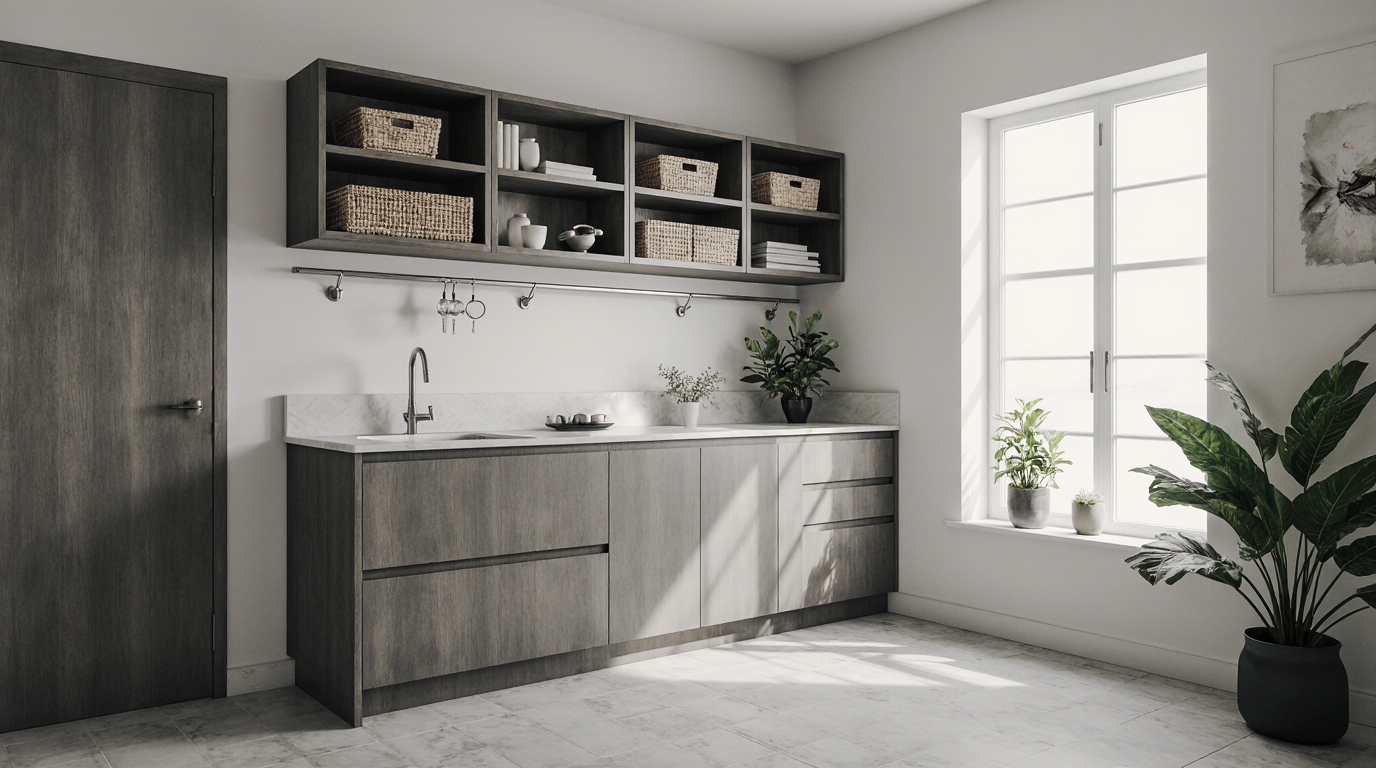
Washer Dryer Closet Ideas: Maximizing Space and Style in Your Laundry Area
Elevating a mundane laundry area into a harmonious, practical, and aesthetically pleasing environment relies on strategic washer dryer closet planning. By carefully integrating the washer and dryer into a purpose-built closet, homeowners gain both practical organization and a polished, stylish look. Creating a dedicated laundry closet ensures efficiency, tidiness, and easy access for regular laundry chores. The key lies in balancing style, accessibility, and organization, ensuring that every element in the space serves a purpose without sacrificing elegance.
One of the most popular trends in laundry room design involves custom cabinetry that surrounds the washer and dryer. By integrating discreet compartments for cleaning products and baskets, these cabinets maintain visual harmony and order. By choosing cabinetry that complements the rest of your home décor, you transform what might otherwise be a utilitarian space into a sophisticated focal point. Opting for neutral tones, like soft grays or creamy whites, ensures versatility, while adding bold handles or metallic accents introduces a touch of personality.
Maximizing height in a laundry closet ensures optimal storage and functional efficiency. Overhead storage accommodates seasonal or bulk items, keeping them accessible yet out of the way. Adjustable shelves allow flexibility to accommodate items of different sizes, while open shelving can display decorative baskets or labeled containers for a cohesive, stylish appearance. Strategic vertical storage enhances both usability and style, producing a neat and thoughtfully designed laundry area.
Sliding doors are a particularly effective feature in compact homes where space is limited. Unlike swinging doors that require clearance, sliding closet doors provide easy access to your washer and dryer without intruding into the surrounding area. Frosted glass panels or louvered doors can add a decorative element while maintaining privacy and hiding the appliances when not in use. Integrating closet doors with the home’s broader interior style allows for a cohesive, unified appearance.
Lighting plays a crucial role in washer dryer closet design. Adequate illumination ensures that laundry tasks can be completed efficiently while also enhancing the ambiance of the space. Layering ceiling and under-shelf lighting emphasizes design features, enhances visibility, and enlarges the perceived space. Task lighting is especially useful for folding areas or countertops installed above the washer and dryer, providing a dedicated space for sorting and treating garments.
Installing a surface over laundry machines transforms the area into a multifunctional workspace without compromising style. This surface can serve as a folding station or a temporary holding area for laundry baskets. Using high-quality, durable surfaces protects against wear while complementing the design aesthetic. A seamless countertop spanning the width of the closet creates visual continuity, tying together the cabinetry and appliances into a unified, modern aesthetic.
Smart storage solutions elevate convenience, efficiency, and functionality in a laundry closet. Pull-out hampers, built-in ironing boards, and hanging rods for air-drying delicate clothing are all features that elevate a washer dryer closet beyond mere utility. These innovations allow you to perform multiple tasks within a single area, reducing clutter and streamlining the laundry process. A thoughtfully designed closet can even include specialized compartments for shoes, cleaning tools, or pet accessories, making it a versatile addition to the home.
High-end hardware and surface finishes elevate the perceived quality and sophistication of a laundry closet. Premium finishes like polished metals and matte textures create a sense of intentional luxury. A carefully selected backsplash enhances aesthetics, safeguards surfaces, and personalizes the laundry environment. Subtle accents and finishes communicate luxury and intentional design without compromising utility.
Minimizing sound elevates comfort and usability in laundry spaces. Insulated doors or panels help contain the sound of running machines, creating a more serene home environment. Rubberized mats under the appliances minimize vibration and reduce noise transfer, an important factor in multi-story homes or apartments. By addressing these practical elements, a laundry closet becomes a discreet, efficient, and enjoyable space for daily chores.
When designing your washer dryer closet, it is also essential to consider ventilation and moisture control. Circulation and moisture control preserve surfaces, prevent fungal growth, and extend the functionality of the laundry area. Installing a vent fan or leaving small gaps for natural circulation helps maintain a healthy environment, while moisture-resistant materials like treated wood or waterproof laminate prolong the lifespan of the closet. These technical considerations reflect a professional approach to laundry design, blending functionality with long-term durability.
Layering hues and surfaces enhances depth, atmosphere, and visual interest in the laundry area. Neutral backgrounds increase perceived space, while striking details add character and contrast. Matte finishes reduce glare and fingerprints, maintaining a polished look even with heavy daily use. Integrating multiple textures produces a dynamic, attractive, and practical environment for laundry tasks.
A well-planned laundry closet aligns harmoniously with the home’s architectural and interior style. Proper positioning and integration make the closet look deliberate, elegant, and fully functional. Uniform finishes, coordinated trims, and careful appliance alignment provide both aesthetic consistency and operational efficiency. Through meticulous design and coordination, a laundry closet becomes both functional and luxurious, turning everyday tasks into enjoyable rituals.
Incorporating these strategies ensures that your washer dryer closet is not only functional but also visually engaging. Attention to every component, including materials, layout, and visual accents, elevates even the most modest laundry area. By combining thoughtful design, durable materials, and strategic layout, even small spaces can become elegant, functional, and highly enjoyable.