Optimized Small Laundry Room: Blending Functionality with Modern Aesthetic
Designing a small laundry room layout requires a delicate balance of functionality, organization, and aesthetic appeal. With limited square footage in today’s homes, carefully designed laundry layouts elevate ordinary chores into organized, satisfying routines. Every inch of space in a small laundry room counts, and thoughtful planning ensures that storage solutions, workflow, and style seamlessly coexist. An optimized layout considers ergonomics, accessibility, and the environment’s ambiance, beyond mere appliance positioning.
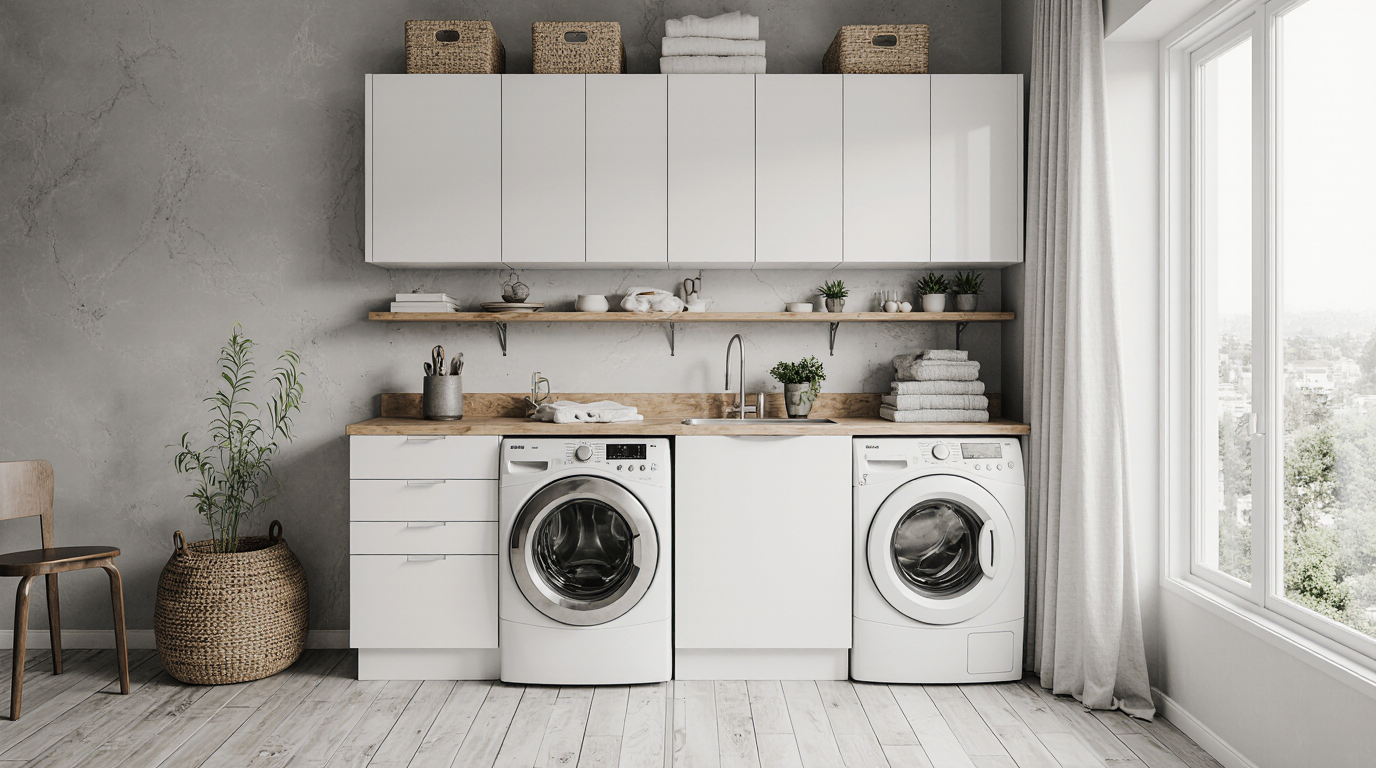
Optimizing small laundry functionality starts with strategic appliance choice and positioning. Front-loading washers and dryers are particularly advantageous in small laundry rooms due to their ability to be stacked vertically, conserving valuable floor space. Side-by-side placement with overhead counters supports ergonomic use and creates convenient folding stations. Energy-efficient models are another critical consideration, as they minimize utility costs while promoting environmentally conscious living. Thoughtful spatial arrangement ensures seamless progression from washing to drying to folding, enhancing efficiency and reducing clutter.
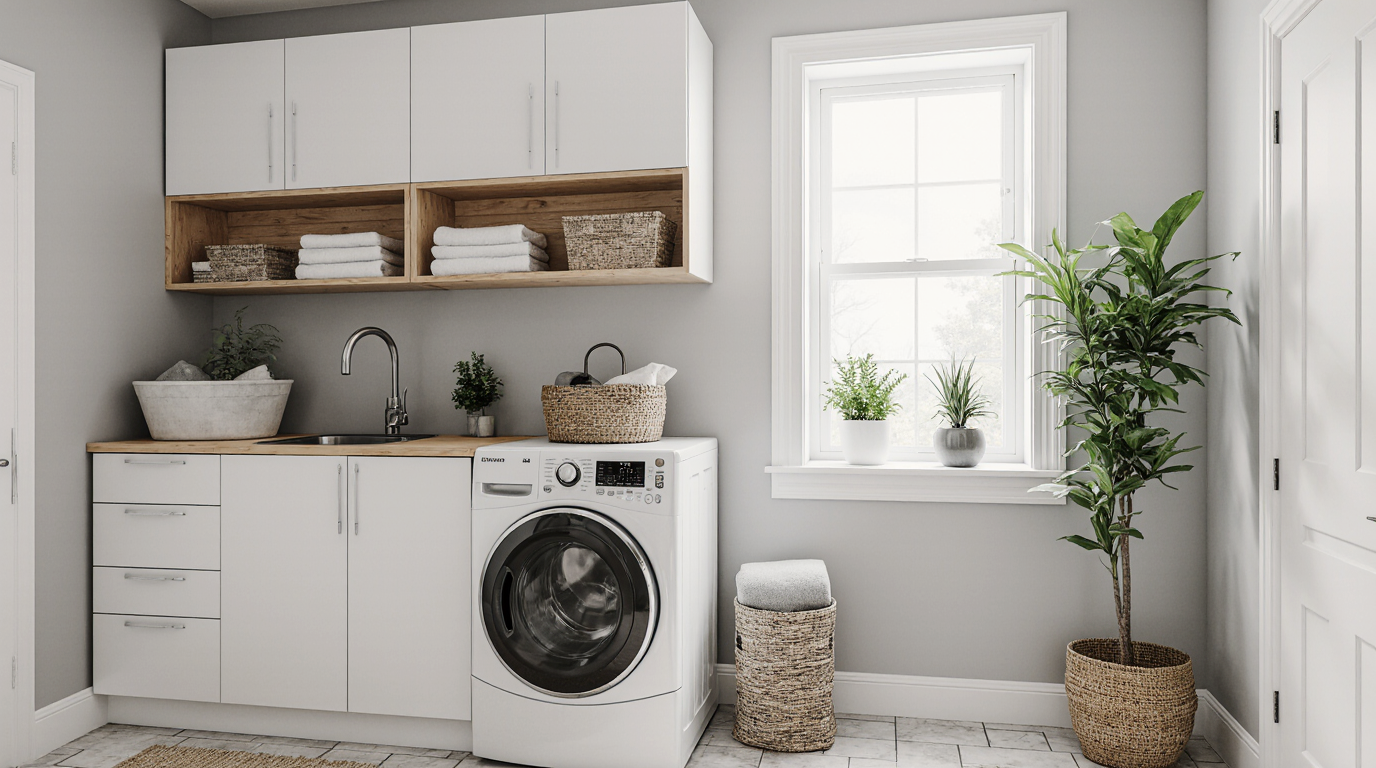
Storage optimization is a cornerstone of a functional small laundry room. Custom storage solutions, including vertical cabinets and shelves, ensure every inch is utilized effectively. Elevated storage cabinets optimize limited square footage, storing detergents, tools, and laundry accessories efficiently. Open shelving with organized bins allows functional convenience without compromising style. Custom-built storage units can be designed to fit irregular spaces, such as corners or narrow wall segments, ensuring that no area goes underutilized.
Thoughtful lighting design enhances both practicality and ambiance in small laundry rooms. Correct illumination enhances work efficiency and elevates the space’s aesthetic. Bright, layered lighting, including ceiling lights and under-cabinet illumination, can prevent shadows in critical work areas and make the space feel larger than it is. Daylight introduces warmth and enhances the perception of space, limiting artificial lighting needs. Creative manipulation of light-reflective materials compensates for the lack of natural sources, visually enlarging the area.
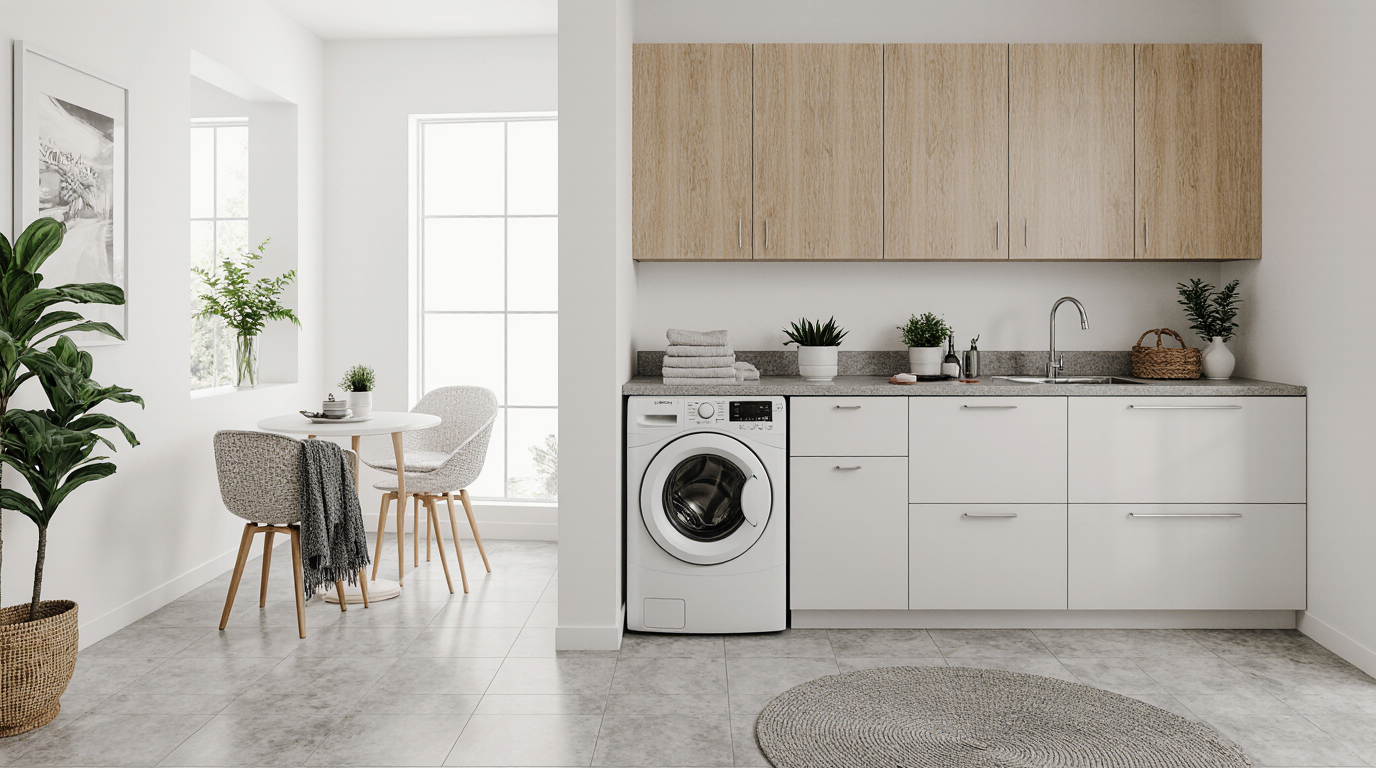
Selecting resilient flooring and work surfaces ensures durability without sacrificing design. Since laundry rooms endure high traffic and occasional spills, selecting water-resistant, easy-to-clean materials is paramount. Durable surface materials balance style with practicality, maintaining beauty under constant use. Selecting tough, low-maintenance counters enhances functionality and longevity. Smart countertop solutions include retractable boards and drying racks to maximize efficiency in small areas.
Strategic palette and material selection influence spatial perception and mood. Pale color schemes visually expand areas, whereas accent hues inject personality. Incorporating sleek cabinetry, modern hardware, and cohesive textures creates a cohesive aesthetic that elevates the room from a purely utilitarian area to a visually appealing environment. Subtle contrasts between cabinets, walls, and accent textures enhance both usability and visual interest.
A thoughtfully designed small laundry room layout also considers workflow efficiency. Separating tasks into defined areas reduces unnecessary steps and improves productivity. Space-saving hanging and drying systems preserve compact floor layouts. Adding a utility basin optimizes versatility while maintaining compact efficiency. Even the placement of hooks, magnetic strips, or pegboards for organizing tools and supplies contributes to a smoother, more intuitive laundry process.
Comfort-focused design is essential to prevent strain in small laundry areas. Ensuring that appliances, counters, and shelves are positioned at accessible heights can prevent strain during laundry tasks. Flexible storage solutions enable convenient access to frequently used products. Counter-level folding areas paired with movable hampers optimize efficiency and spatial organization. Attention to detail transforms compact spaces into highly functional, user-friendly environments.
Ventilation is another critical element in a small laundry room design. Efficient ventilation mitigates humidity buildup and associated problems. Targeted exhaust and air circulation mechanisms maintain healthy, odor-free laundry environments. Eco-conscious ventilation paired with resilient materials promotes longevity and environmental responsibility.
Decorative elements, though secondary to function, enrich the user experience in a compact laundry room. Adding artwork, potted plants, or even a stylish rug can create a more inviting atmosphere. Decorative yet functional containers improve organization while enhancing visual appeal. Thoughtful decor elevates mundane tasks, fostering an environment of comfort and organization. Attention to both practicality and visual appeal ensures a laundry room that is efficient, organized, and stylish.
Effective compact laundry designs demand strategic thought, innovative storage, and design precision. Through thoughtful appliance selection, spatial planning, and style integration, small laundry rooms can reach maximum functionality and appeal. Careful design choices turn compact laundry rooms into practical, elegant extensions of the home. Integrating planning, lighting, ventilation, and style creates compact laundry spaces that maximize usability and pleasure.