Compact Laundry Room Design: Enhancing Efficiency, Style, and Usability
Creating a compact laundry room demands a meticulous combination of efficiency, orderliness, and visual sophistication. Given the constraints of contemporary living spaces, maximizing a small laundry room’s layout turns routine washing into a streamlined, pleasant experience. When every corner matters, intelligent design merges appliance placement, storage innovation, and aesthetic coherence. An optimized layout considers ergonomics, accessibility, and the environment’s ambiance, beyond mere appliance positioning.
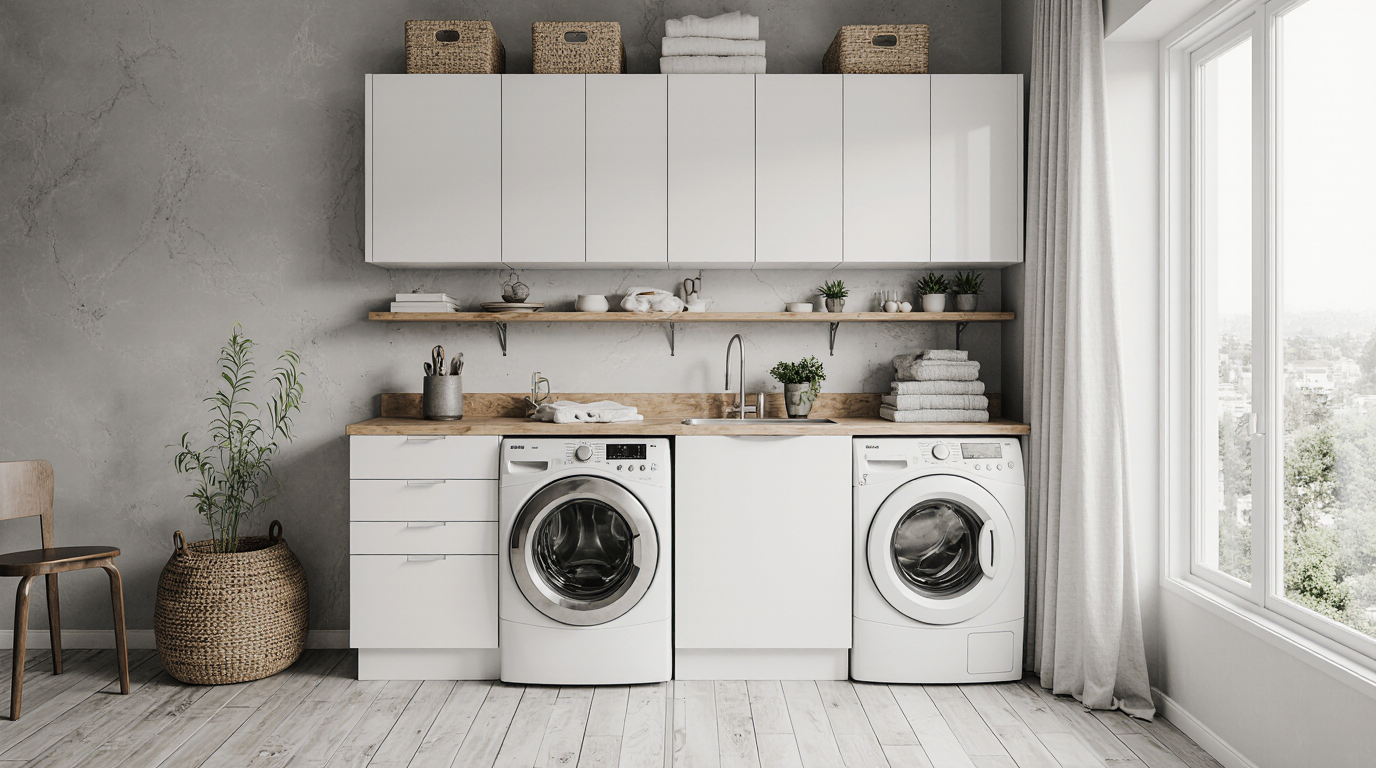
The cornerstone of an effective compact laundry layout is thoughtful appliance integration. Using vertically stackable front-load washers and dryers conserves floor area while maintaining operational efficiency. For homeowners who prioritize ergonomics, installing appliances side by side with a countertop above provides both operational comfort and a surface for folding clothes. Selecting energy-conscious appliances reduces long-term expenses and supports sustainable practices. Thoughtful spatial arrangement ensures seamless progression from washing to drying to folding, enhancing efficiency and reducing clutter.
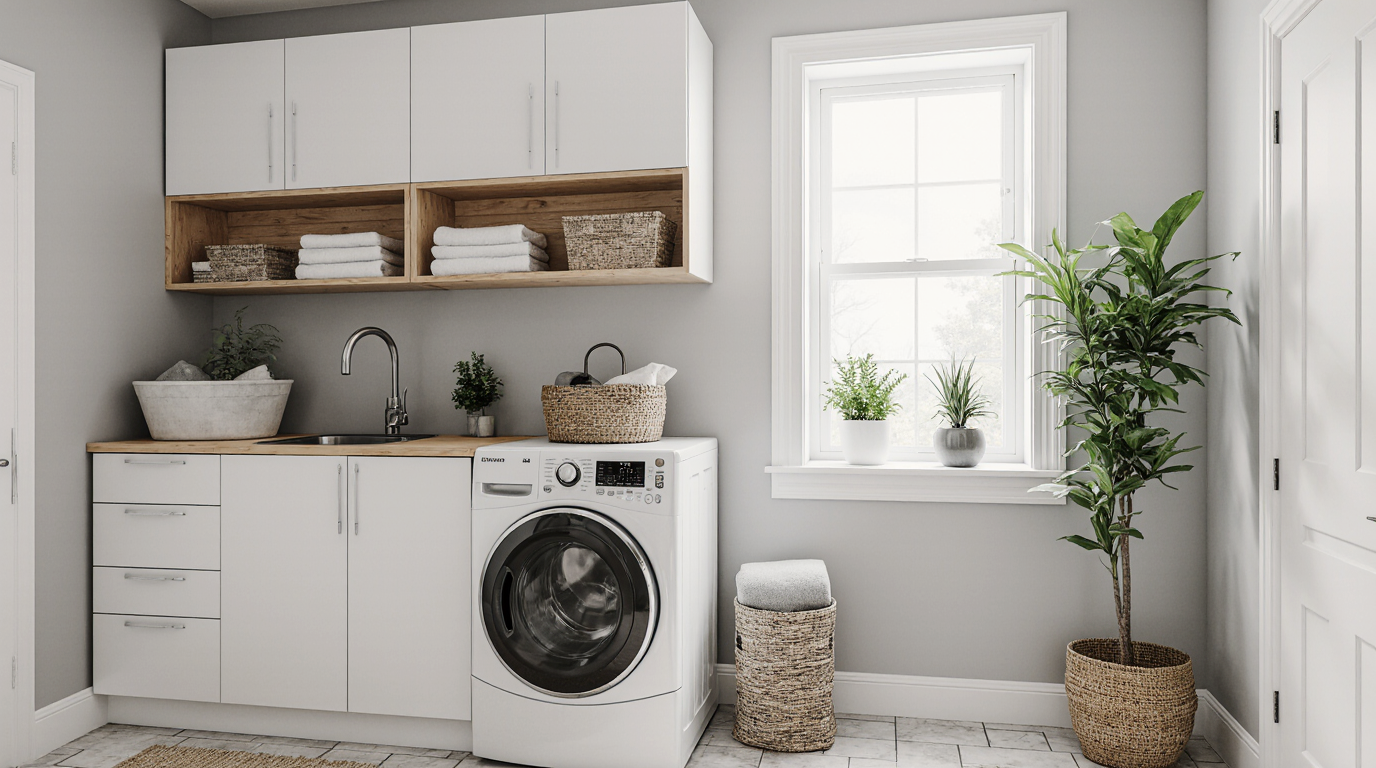
Maximizing storage potential defines the success of compact laundry spaces. Adapted shelving, cabinetry, and cubbies maximize space and functionality in tight laundry areas. Elevated storage cabinets optimize limited square footage, storing detergents, tools, and laundry accessories efficiently. Open shelving with organized bins allows functional convenience without compromising style. Irregular spaces are optimized through bespoke cabinets and shelves, maximizing utility and maintaining visual harmony.
Effective illumination plays a vital yet frequently underestimated role in compact laundry spaces. Correct illumination enhances work efficiency and elevates the space’s aesthetic. Layered lighting strategies, including overhead and under-shelf lights, optimize visibility and spatial perception. Integrating windows or skylights brightens the room and minimizes electrical consumption. Creative manipulation of light-reflective materials compensates for the lack of natural sources, visually enlarging the area.
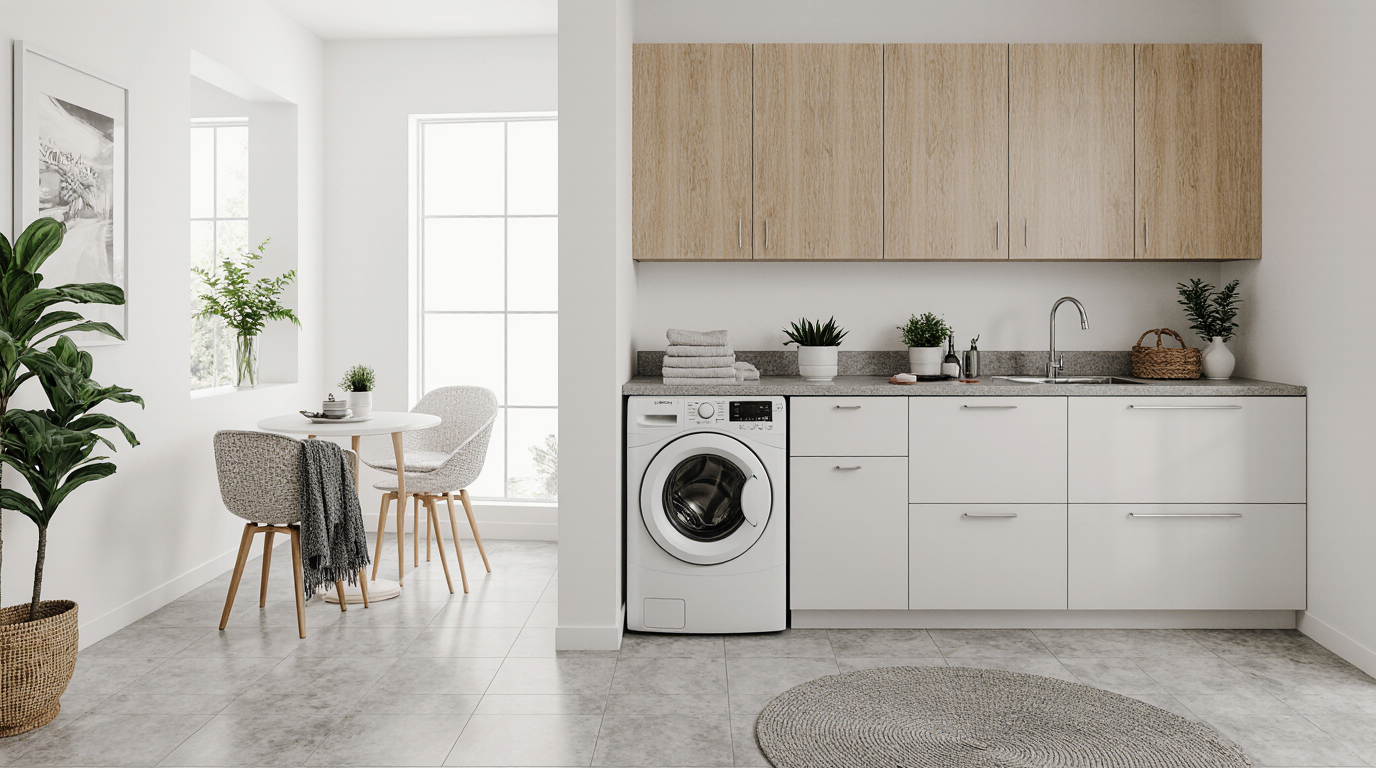
Selecting resilient flooring and work surfaces ensures durability without sacrificing design. Since laundry rooms endure high traffic and occasional spills, selecting water-resistant, easy-to-clean materials is paramount. Tiles, luxury vinyl planks, or sealed concrete are excellent choices, providing durability while complementing the room’s design. Counter surfaces must resist water, wear, and staining while supporting daily chores. Multifunctional work surfaces expand usability while maintaining a clean, organized layout.
Strategic palette and material selection influence spatial perception and mood. Soft neutrals broaden the sense of space, complemented by bolder elements for character. Incorporating sleek cabinetry, modern hardware, and cohesive textures creates a cohesive aesthetic that elevates the room from a purely utilitarian area to a visually appealing environment. For example, pairing white cabinetry with soft gray walls or warm wood accents can generate a sense of harmony, ensuring that the laundry room complements the overall home design while maintaining its identity as a functional workspace.
Optimizing workflow is critical in compact laundry spaces. Creating designated zones for washing, drying, folding, and ironing minimizes movement and streamlines chores. Vertical storage solutions facilitate drying without reducing usable floor area. Incorporating a small utility sink can provide a convenient area for hand-washing delicate items or treating stains, enhancing the practicality of the room. Strategically positioned hooks and organizers streamline laundry routines and reduce clutter.
Ergonomics are often underestimated in compact laundry rooms but are vital for long-term comfort and ease of use. Correct heights for appliances and surfaces reduce physical fatigue and improve workflow. Flexible storage solutions enable convenient access to frequently used products. Additionally, folding stations at counter height, combined with pull-out hampers for sorting laundry, streamline the workflow while maintaining a clutter-free environment. Attention to detail transforms compact spaces into highly functional, user-friendly environments.
Airflow management is essential to prevent moisture issues. Efficient ventilation mitigates humidity buildup and associated problems. Integrating ventilation systems and vented appliances safeguards both indoor air quality and household infrastructure. For homeowners seeking a holistic approach, integrating eco-friendly solutions, such as energy-efficient ventilation systems and moisture-resistant materials, contributes to a sustainable and durable laundry space.
Aesthetic touches elevate the room without compromising usability. Decor accents transform the laundry area into a welcoming and personalized space. Functional decor, like aesthetically pleasing storage baskets or decorative jars for detergents, blends utility with design sophistication. Thoughtful decor elevates mundane tasks, fostering an environment of comfort and organization. Attention to both practicality and visual appeal ensures a laundry room that is efficient, organized, and stylish.
Effective compact laundry designs demand strategic thought, innovative storage, and design precision. By prioritizing efficiency, selecting appropriate appliances, optimizing vertical space, and incorporating both functional and aesthetic elements, homeowners can achieve a laundry room that is both practical and visually engaging. Such layouts streamline household chores while enriching the home’s design coherence. Integrating planning, lighting, ventilation, and style creates compact laundry spaces that maximize usability and pleasure.