Quartzite Countertops Cost: A Complete Guide to Pricing and Value
Knowing the investment needed for quartzite countertops helps homeowners balance sophistication with long-lasting functionality This natural stone is prized for extreme hardness, heat resistance, and eye-catching patterns that elevate any space By blending marble’s visual sophistication with granite’s robustness, quartzite ensures a premium surface that withstands daily wear Several variables affect quartzite pricing, including stone provenance, slab thickness, surface finishing, and labor intensity Careful consideration of each cost component ensures homeowners optimize both budget and long-term value.
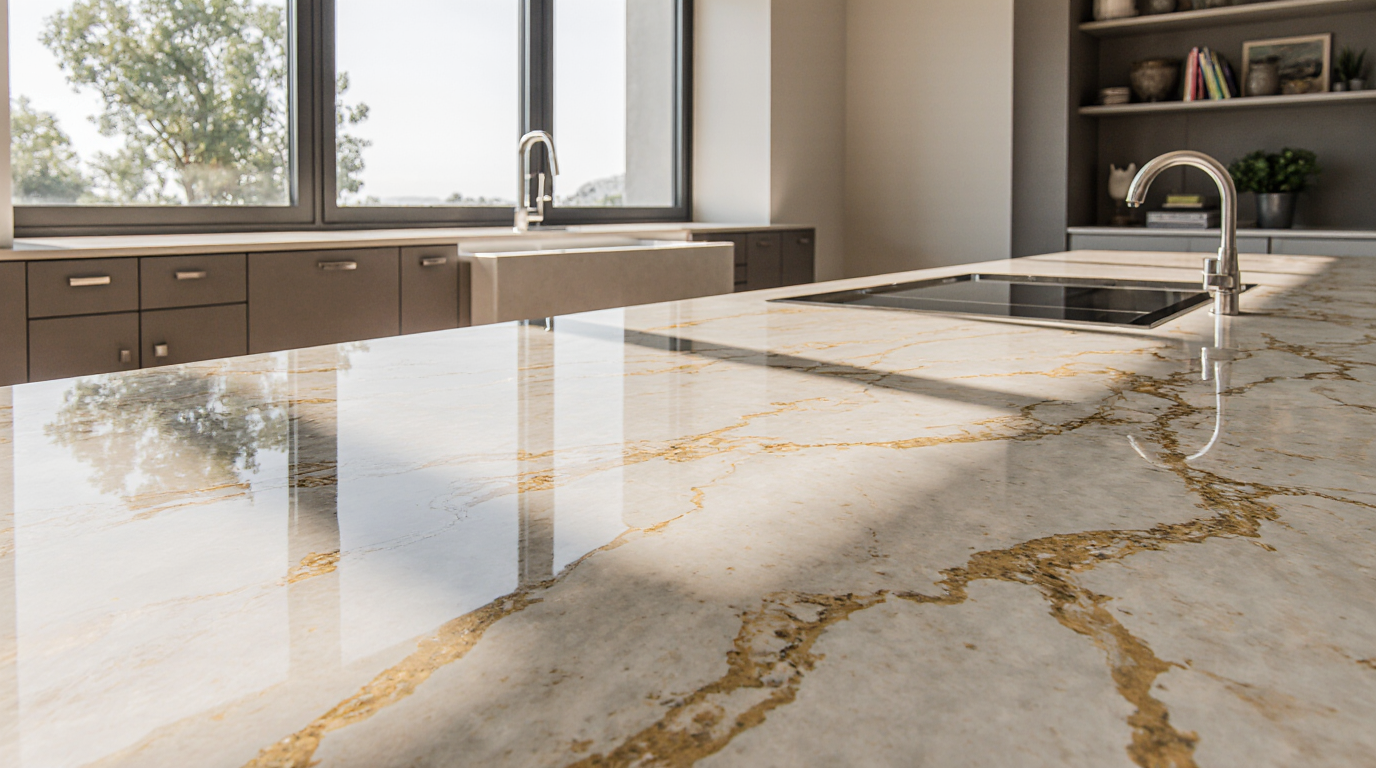
Choice of quartzite species is a major determinant in pricing considerations Rarer stones, including Taj Mahal or White Macaubas, carry higher costs because of their limited supply and visually unique patterns Typically, quartzite pricing spans $70–$200 per square foot when factoring in professional fabrication and installation Internationally sourced quartzite is more expensive due to shipping, handling, and thorough quality inspections Domestic quartzite options are usually more affordable but may still exceed the cost of granite, reflecting the stone’s superior hardness and scratch resistance.
Thickness is another crucial element that influences the overall investment in quartzite countertops While 2 cm is standard, 3 cm slabs are often chosen for their heft and enhanced visual impact While a thicker slab provides a stronger and more durable surface, it also increases costs significantly Labor and equipment requirements for 3 cm slabs increase installation complexity and overall investment Homeowners should balance aesthetic preferences with practical considerations, ensuring the choice aligns with their kitchen’s functionality and budget.
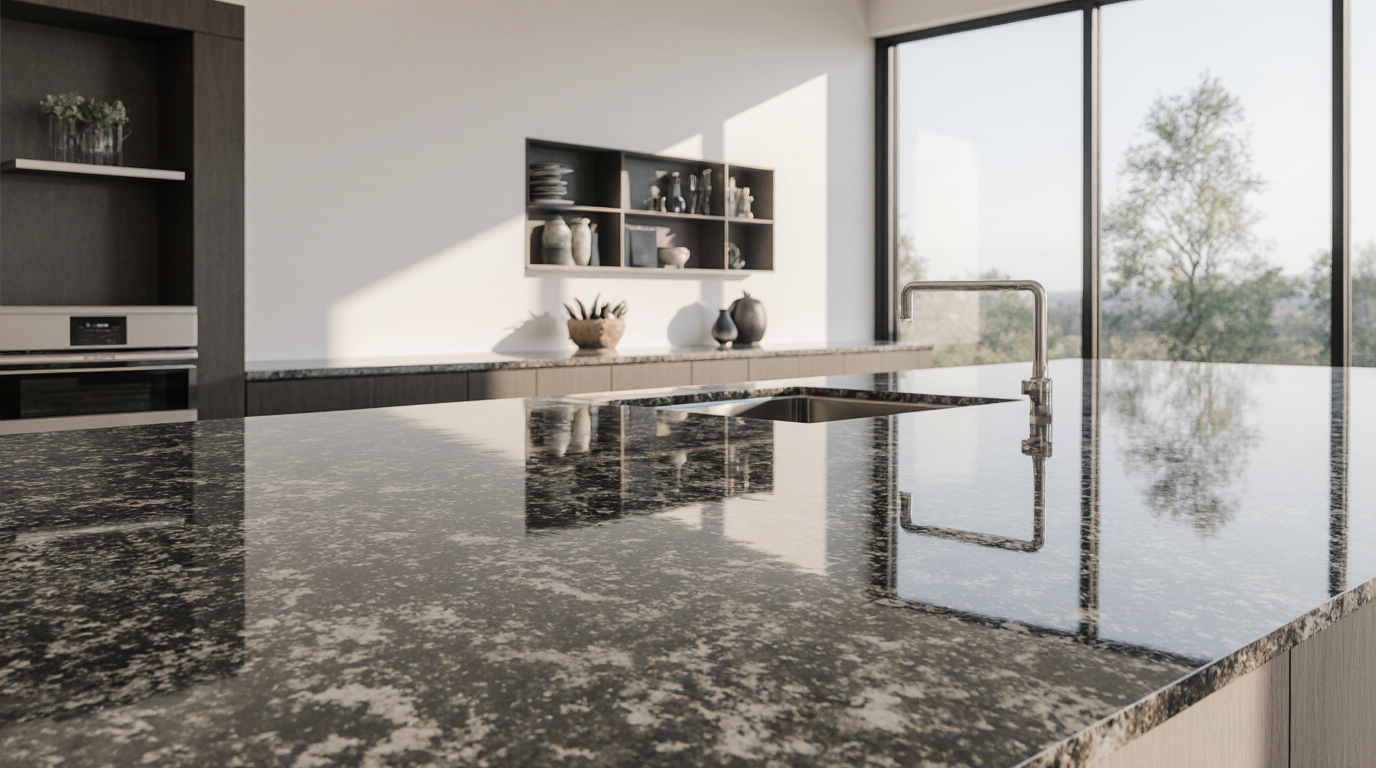
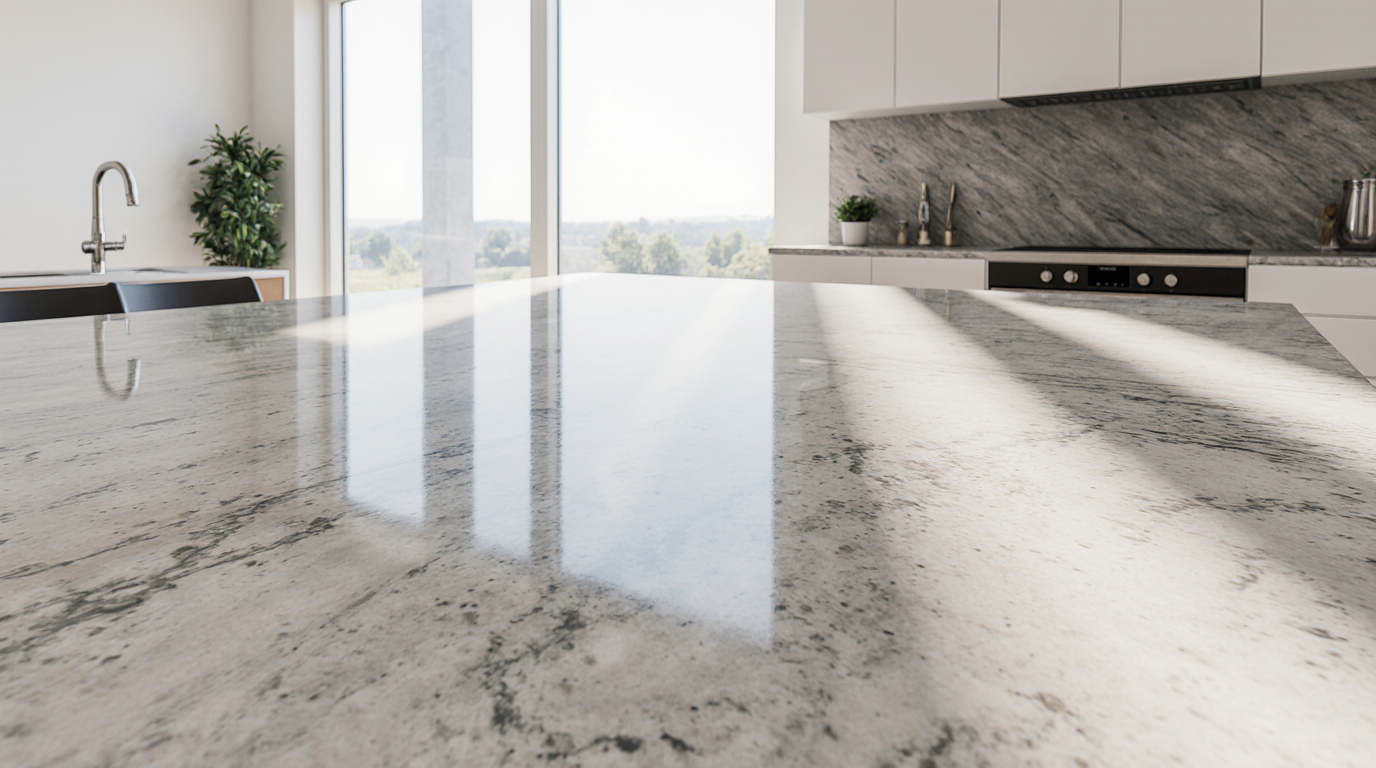
Quartzite pricing is influenced by the type of finish applied Polished quartzite offers a glossy, reflective surface that enhances the natural veining, but it requires precise finishing to prevent chipping Honed finishes, which produce a smooth, matte surface, are slightly less expensive but still provide exceptional elegance Elaborate edge shaping increases fabrication effort and, consequently, countertop cost Finishing choices can significantly shift total investment, balancing beauty and functional durability.
Installation is a significant component of the overall quartzite countertop cost Factors like project size, layout, and intricacy drive installation fees Complex kitchen geometries demand additional labor, precision cuts, and custom solutions, all elevating installation expense Proper installation is critical to prevent future problems such as cracking or uneven surfaces Many homeowners consider the higher initial investment worthwhile, as professionally installed quartzite countertops can last for decades with minimal maintenance.
Ongoing care and lifespan considerations influence the perceived value of quartzite Though inherently robust, sealing enhances quartzite’s resistance to stains and daily wear Consistent care through sealing preserves both beauty and functionality While sealing is an added expense, it ensures that the investment in quartzite countertops delivers long-term value The long-term resilience of quartzite compensates for initial expenses, offering cost efficiency over time.
Location and supplier choices further influence the cost of quartzite countertops Local stone distributors and fabricators may offer competitive pricing, reducing shipping and handling expenses Showroom visits enable homeowners to assess color, pattern, and quality while receiving expert recommendations E-commerce options may appear cheaper but often include hidden costs like freight and damage risk Reliable suppliers safeguard both quality and installation outcomes, crucial for premium quartzite purchases.
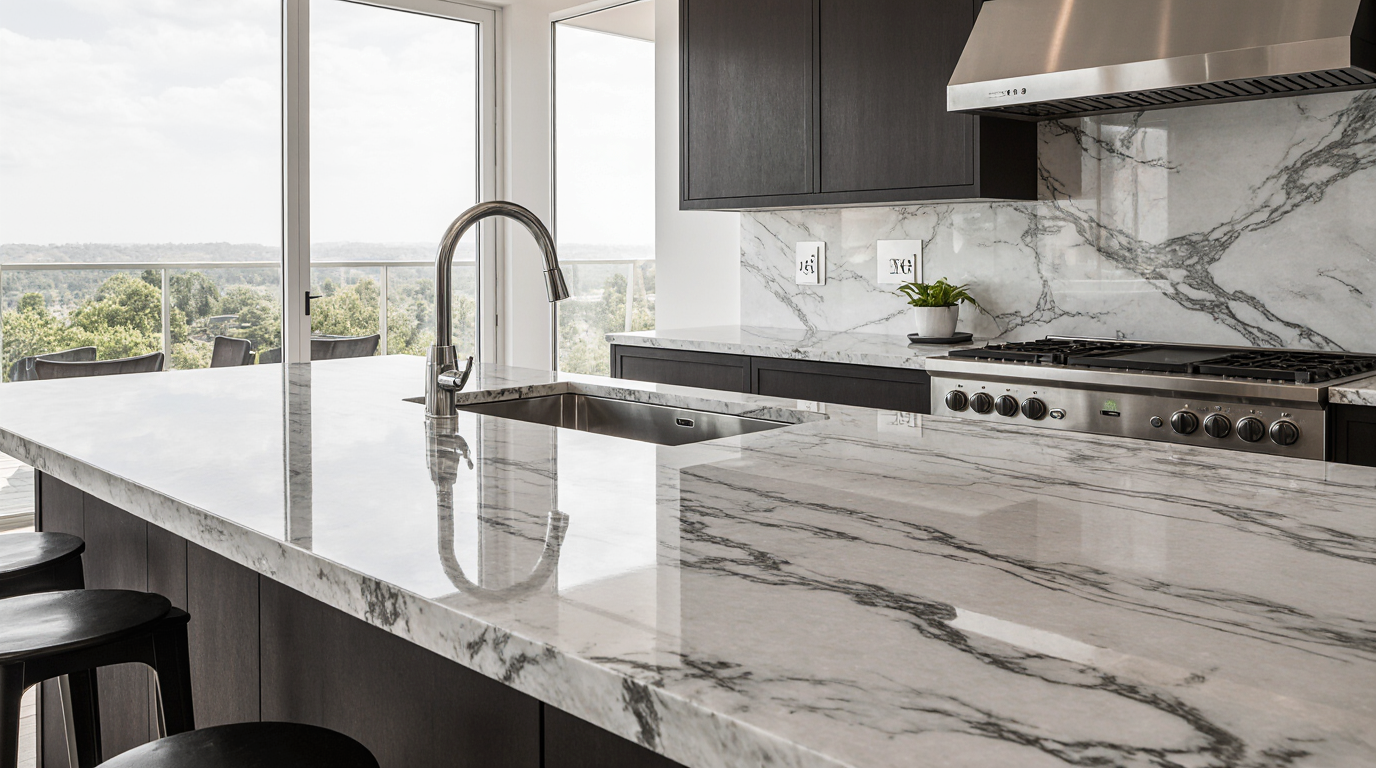
Tailored designs and additional features can substantially alter total cost Homeowners who request matching backsplashes, integrated sinks, or intricate cutouts for appliances should expect higher costs due to additional labor and fabrication time Such design enhancements elevate both visual appeal and resale potential Quartzite’s versatility allows for endless design possibilities, from traditional to modern, ensuring that the final installation aligns perfectly with personal style and functional needs.
Comparing quartzite with other countertop materials highlights its value Although granite is cheaper, it cannot match quartzite’s aesthetic flexibility or durability against acids and scratches Marble offers elegance but requires frequent care due to susceptibility to damage Quartzite offers a premium balance of durability, aesthetics, and low maintenance, justifying its higher price point for discerning homeowners Homeowners seeking durability, beauty, and ROI often find quartzite the most prudent choice.
Budgeting for a quartzite countertop requires careful planning For a standard kitchen, homeowners should anticipate spending between $3,000 and $10,000, depending on slab quality, thickness, installation complexity, and finishing details Larger or more intricate kitchens may exceed this range, but the results are unmatched in terms of elegance, durability, and resale appeal Budget-friendly options include domestic stones, simpler edges, and limited custom features.
Overall, quartzite pricing is shaped by multiple interrelated factors, including material, design, labor, and sourcing Although pricier initially, quartzite ensures long-lasting elegance, minimal care requirements, and exceptional resilience By choosing premium slabs, hiring qualified professionals, and maintaining the surface, homeowners secure functional and luxurious countertops for the long term Quartzite provides the perfect synergy of sophistication and function, delivering instant aesthetic appeal and lasting worth.
This article provides an in-depth understanding of pricing considerations, helping homeowners make informed decisions about one of the most sophisticated and resilient countertop options available.