Cost of Marble Countertops: Factors, Quality, and Investment Insights
For homeowners planning kitchen or bathroom upgrades, marble countertops represent a statement of refined sophistication and enduring beauty. The price of marble countertops can vary significantly, influenced by factors such as material quality, slab origin, thickness, and complexity of installation. Unlike standard surfaces, marble offers unique veining patterns and a natural beauty that cannot be replicated, making it a preferred choice for homeowners looking to blend aesthetic charm with functional durability. Selecting marble demonstrates an investment in craftsmanship, timeless style, and enduring property value.
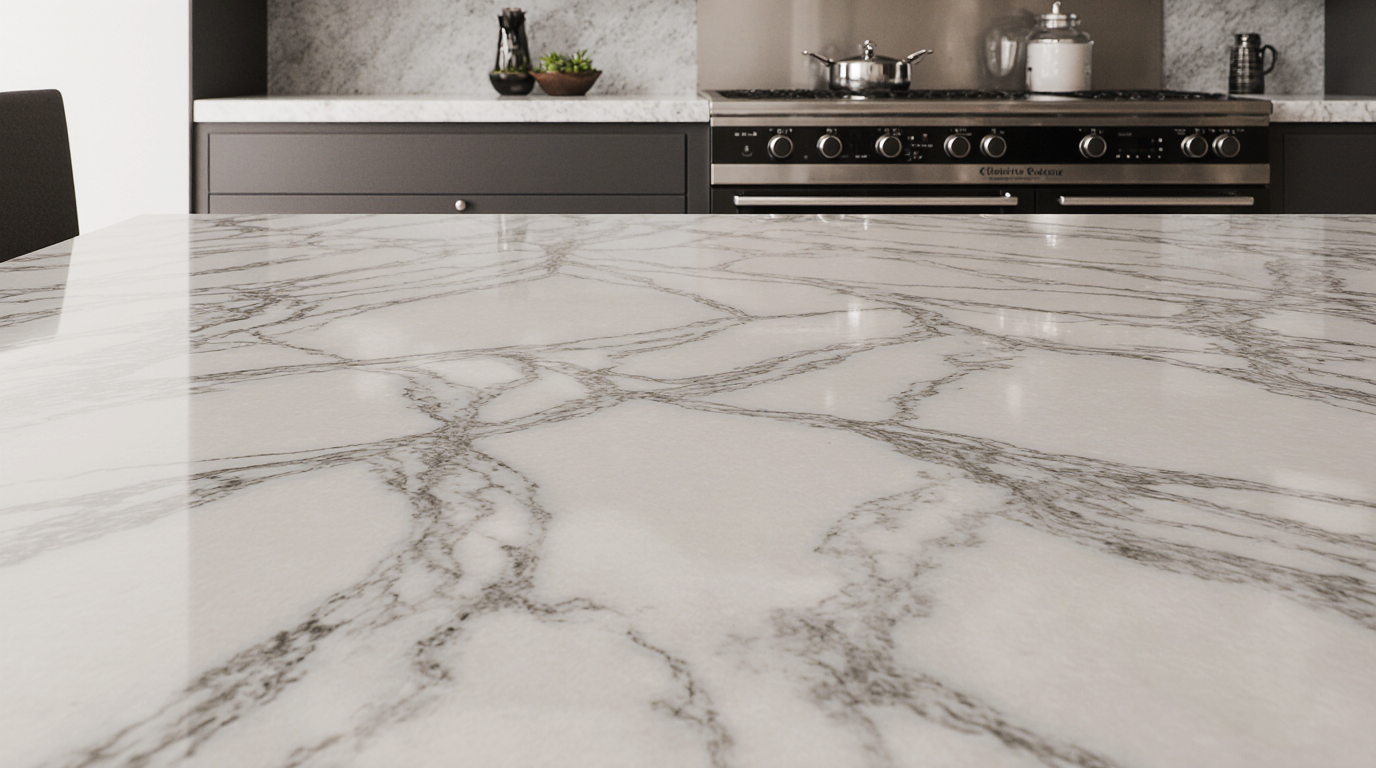
High-grade marble slabs are sourced from renowned quarries around the world, each with distinctive characteristics. For instance, Carrara marble from Italy is celebrated for its soft, elegant grey veining against a white backdrop, while Calacatta marble features bolder, dramatic patterns that instantly elevate any interior space. The origin of the marble plays a crucial role in determining the overall price, as some rare stones are imported at higher costs due to transportation, extraction complexity, and limited availability. Knowing the source of marble helps homeowners strategically weigh beauty against financial considerations.
The dimensions and surface treatments of marble slabs are major cost determinants. Typical countertop slabs range from 2–3 cm, but larger thicknesses elevate expenses due to the stone volume. The type of finish—polished, honed, or leathered—adds another layer of cost, showcasing technique and sophistication. Honed finishes deliver gentle texture and muted tones, contrasting with the brilliance of polished marble. Leathered marble, offering tactile depth and understated glamour, has become a contemporary favorite.
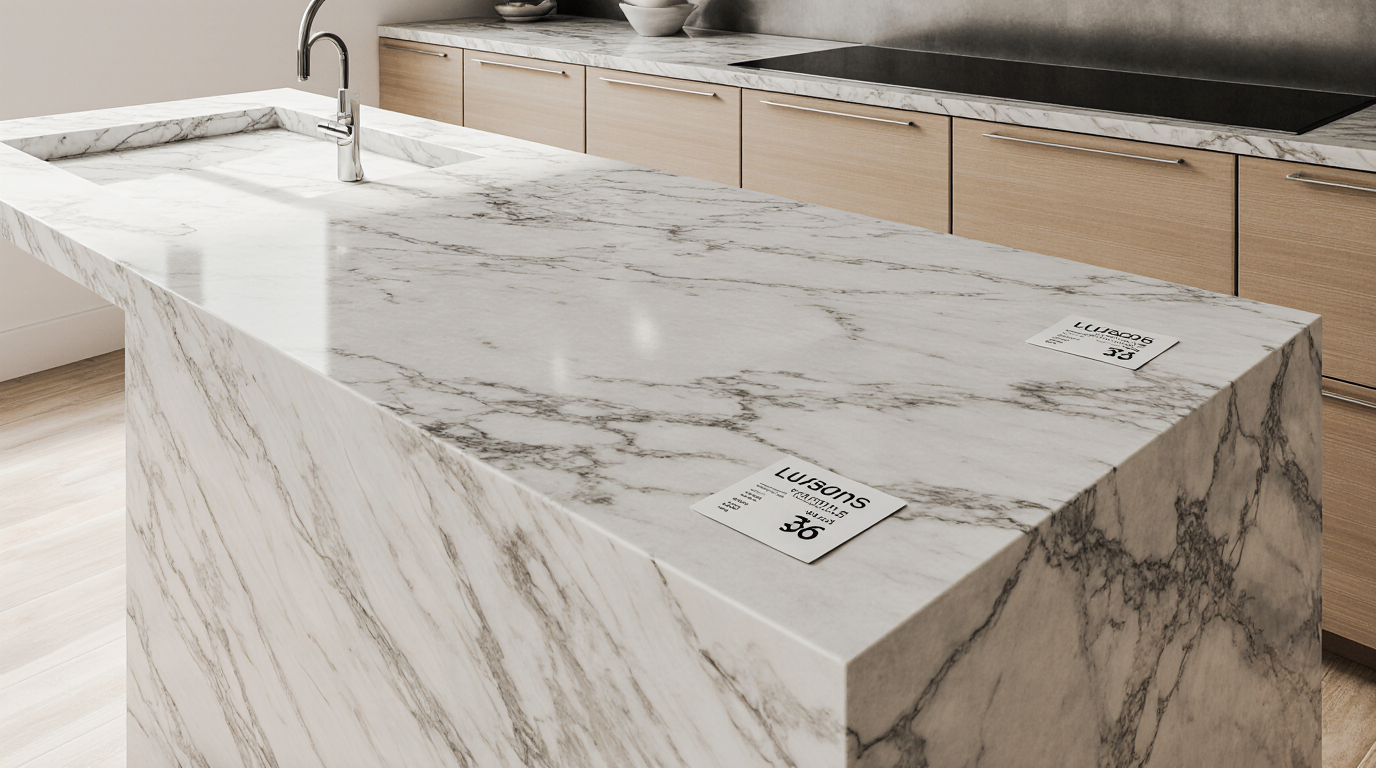
Professional marble installation significantly affects overall countertop cost. Marble installation demands specialized skills, careful handling, and precision cutting, unlike more forgiving materials. Customization, such as creating intricate edges, integrated sinks, or waterfall designs, can elevate installation costs but adds exceptional value to the space. Professional installers consider the stone’s weight, the need for proper support, and the delicate handling required to avoid cracks or damage, making skilled labor a critical component of the overall investment.
Long-term care is a key factor in evaluating marble countertop costs. Despite its durability, marble is porous and can be marked by acidic spills, requiring mindful maintenance. To preserve its pristine appearance, sealing is recommended regularly, typically every six to twelve months, depending on use. Ongoing maintenance, including sealant application, must be considered in financial planning. Even accounting for upkeep, marble’s beauty and utility justify its premium, particularly for discerning homeowners.
Contrasting marble with granite, quartz, or solid surfaces reveals its singular appeal. While quartz, granite, or solid surface countertops may offer more uniformity and lower maintenance, they cannot replicate the natural elegance and individuality of marble. The individuality of marble surfaces transforms interiors into luxurious, personalized environments. Therefore, the price of marble countertops is not merely a monetary figure—it reflects the combination of rarity, craftsmanship, and visual impact that few other materials can match.
Tailoring marble countertops adds both expense and distinctive elegance. Selecting from beveled, bullnose, ogee, or chiseled edges shapes the countertop’s visual story. Integrated backsplashes, artistic inlays, and layered surfaces enhance customization, increasing both appeal and cost. Collaboration with skilled designers guarantees that marble features harmonize with overall aesthetics and usability. Custom touches elevate both design sophistication and functional performance, validating added expense.
Regional availability and logistical factors significantly shape marble pricing. Proximity to marble sources reduces transportation expenses, whereas distant locations incur additional import costs. Supply-demand dynamics, seasonal remodeling trends, and architectural fashions further dictate marble pricing. Knowledge of market trends enables homeowners to make informed purchases, balancing cost, quality, and aesthetic goals.
Decision-making around marble involves integrating aesthetics, durability, and investment planning. Lighter marble tones create a sense of spaciousness and brightness, ideal for compact kitchens or bathrooms, whereas darker marbles evoke sophistication and drama, complementing high-end interior designs. Integrating marble countertops into a space is a transformative investment, as it elevates the overall ambiance while maintaining resale value. Prospective buyers often recognize the inherent quality and luxurious appeal, making marble not only a design choice but also a long-term financial asset.
Determining marble pricing necessitates attention to quality, provenance, dimension, finish, installation, maintenance, personalization, and supply-demand dynamics. Although initially costly, marble’s enduring beauty, distinctiveness, and refinement offer long-term benefits. A well-chosen marble countertop can redefine a space, offering unparalleled beauty and functional durability that lasts for decades. For those prioritizing elegance, uniqueness, and timeless design, marble remains an unsurpassed option.
Blending high-quality stone, expert fitting, and maintenance highlights marble’s enduring value and opulent appeal. From vein to finish, each marble slab embodies nature’s artwork and human ingenuity, creating spaces of unique character, luxury, and style.