Marble Countertop Price: Understanding Costs, Quality, and Investment Value
In the realm of home renovations, choosing marble countertops signifies both opulence and classic aesthetic charm. Marble countertop pricing fluctuates due to variables like stone grade, provenance, slab dimensions, and the intricacy of fitting and finishing. Unlike standard surfaces, marble offers unique veining patterns and a natural beauty that cannot be replicated, making it a preferred choice for homeowners looking to blend aesthetic charm with functional durability. Selecting marble demonstrates an investment in craftsmanship, timeless style, and enduring property value.
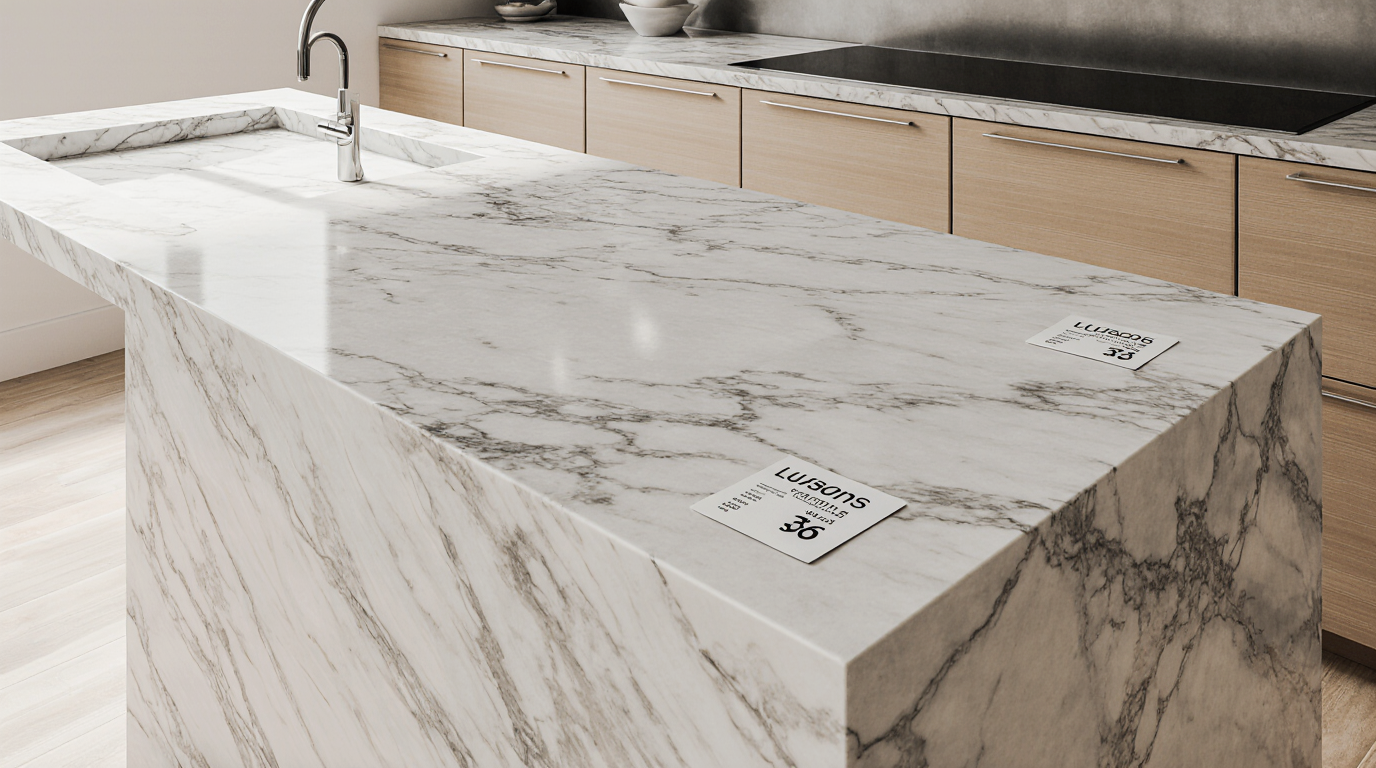
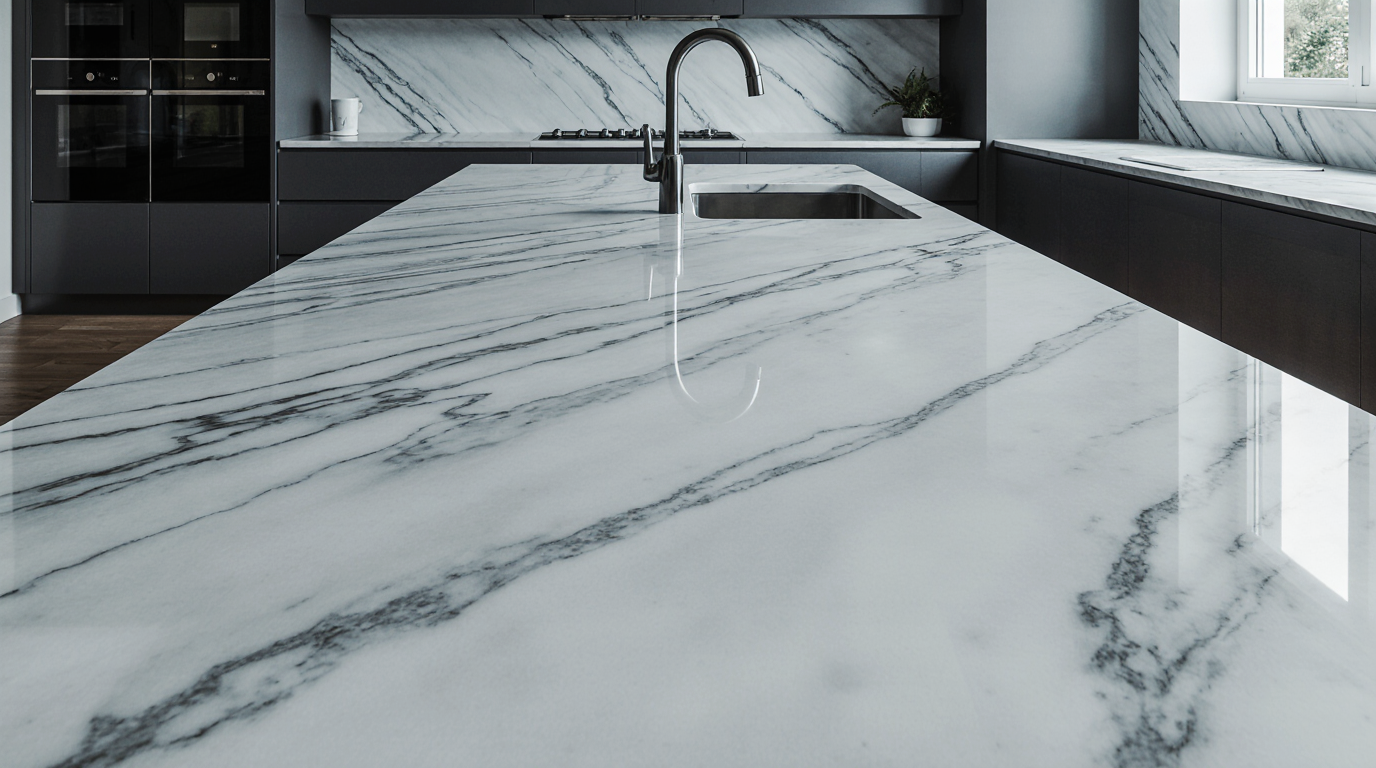
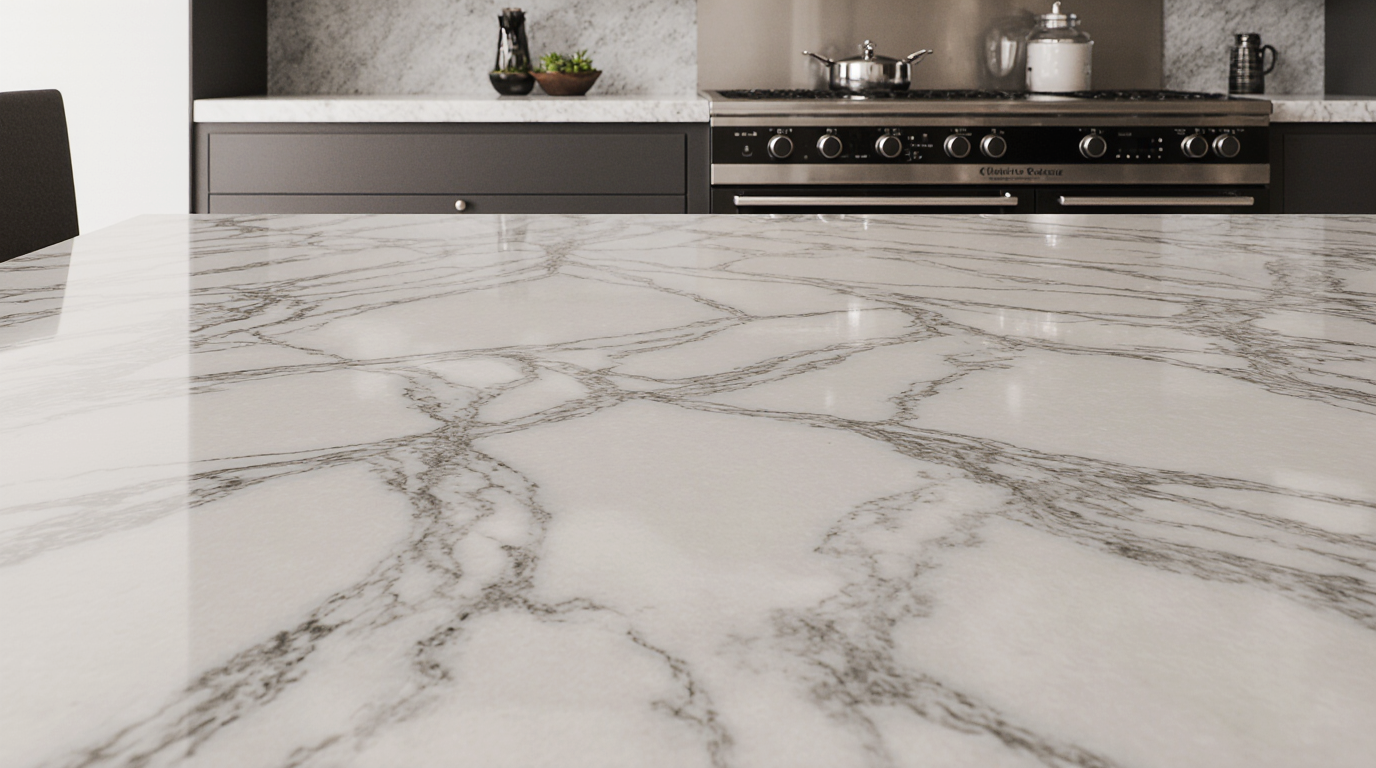
Premium marble is extracted from globally recognized quarries, each offering unique textures and veining patterns. For instance, Carrara marble from Italy is celebrated for its soft, elegant grey veining against a white backdrop, while Calacatta marble features bolder, dramatic patterns that instantly elevate any interior space. Where marble comes from affects its cost, with rare imports demanding higher prices because of shipping challenges, labor-intensive extraction, and scarcity. Knowing the source of marble helps homeowners strategically weigh beauty against financial considerations.
Thickness and finishing techniques also significantly impact the cost of marble countertops. Common marble slabs measure 2–3 cm, yet thicker cuts increase costs as they require more raw material. Additionally, specialized finishes such as polished, honed, or leathered surfaces can increase the final investment. Honed finishes deliver gentle texture and muted tones, contrasting with the brilliance of polished marble. Leathered finishes, with their tactile, textured appeal, are increasingly popular for creating a warm, modern look while maintaining the luxurious nature of marble.
The process of fitting marble slabs considerably influences total investment. Installing marble necessitates exact measurements, expert labor, and careful handling, differentiating it from synthetic surfaces. Customization, such as creating intricate edges, integrated sinks, or waterfall designs, can elevate installation costs but adds exceptional value to the space. Expert installers assess marble’s weight, structural support, and fragility to prevent damage, emphasizing labor importance.
Ongoing upkeep affects the overall valuation of marble surfaces. While marble is a durable and long-lasting material, it is porous and susceptible to staining from acidic substances like wine, citrus, or vinegar. Regular sealing, usually semi-annually to annually, is crucial for protecting marble from stains and preserving its aesthetic. The added expense of sealants and care should be factored into the long-term budget. Despite these considerations, the aesthetic and functional benefits of marble often outweigh the ongoing maintenance, especially for homeowners seeking a sophisticated and enduring addition to their property.
Evaluating marble alongside other countertop options emphasizes its unmatched elegance. Synthetic or engineered surfaces may be practical, but they lack the authenticity and artistry inherent in marble. Every slab carries unique veining, creating a space imbued with character, style, and sophistication. The cost of marble represents an amalgam of exclusivity, design mastery, and visual splendor, setting it apart from alternatives.
Tailoring marble countertops adds both expense and distinctive elegance. Edge detailing, from beveled to ogee, influences both price and design sophistication. Adding multi-tier surfaces, inlays, and seamless backsplashes transforms a space into a tailored luxury setting. Collaboration with skilled designers guarantees that marble features harmonize with overall aesthetics and usability. Custom touches elevate both design sophistication and functional performance, validating added expense.
Geographic location and availability of materials also affect pricing trends for marble countertops. Regions closer to quarries may have lower shipping costs and wider selection, while remote areas might face higher prices due to logistics and import fees. Additionally, market demand fluctuates based on trends, home renovation seasons, and architectural popularity, influencing the cost per square foot. Knowledge of market trends enables homeowners to make informed purchases, balancing cost, quality, and aesthetic goals.
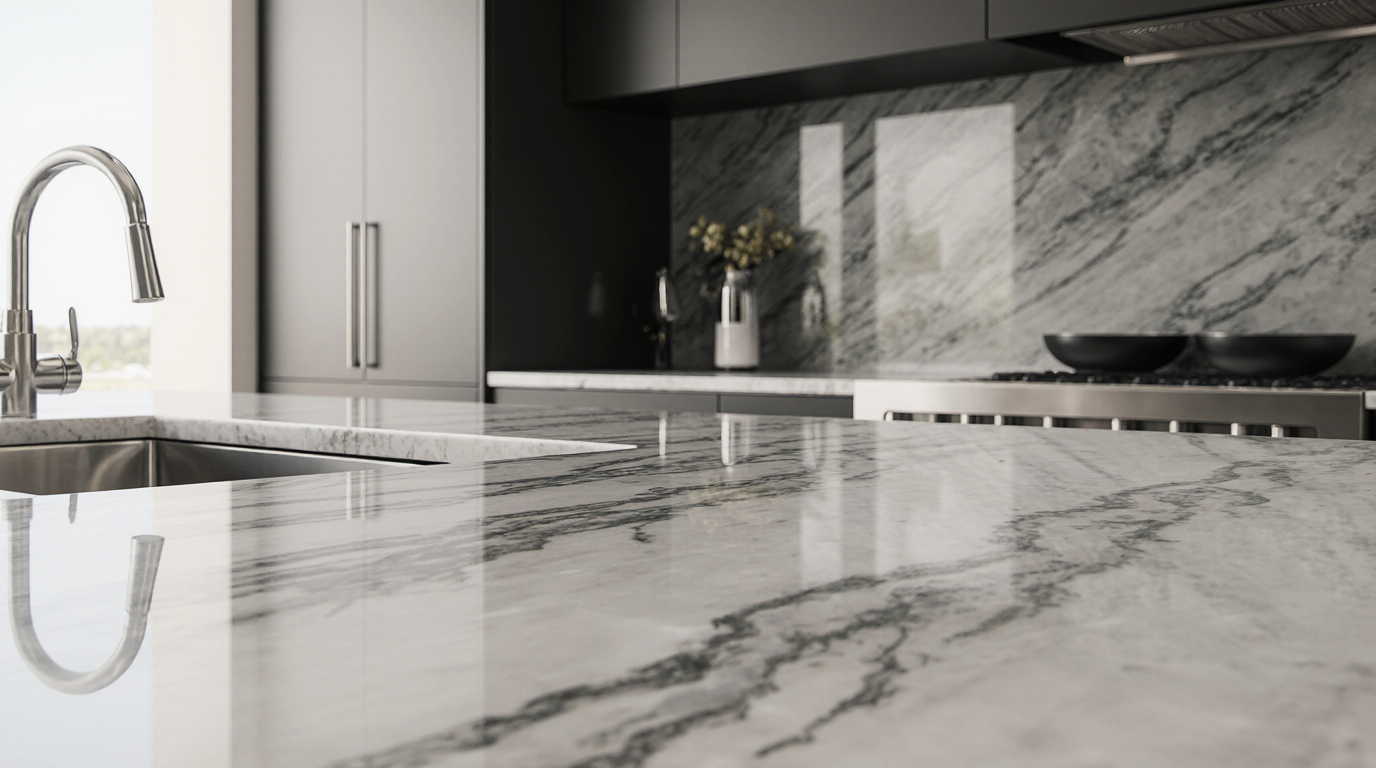
Selecting marble requires harmonizing appearance, practicality, and financial considerations. Lighter marble tones create a sense of spaciousness and brightness, ideal for compact kitchens or bathrooms, whereas darker marbles evoke sophistication and drama, complementing high-end interior designs. Integrating marble countertops into a space is a transformative investment, as it elevates the overall ambiance while maintaining resale value. Marble’s unmistakable quality is acknowledged by future owners, reinforcing its value beyond aesthetics.
Assessing marble costs involves examining stone grade, origin, slab size, surface finishing, installation precision, upkeep, bespoke elements, and market conditions. Marble’s premium cost is balanced by its unique charm, timeless sophistication, and transformative impact. A well-chosen marble countertop can redefine a space, offering unparalleled beauty and functional durability that lasts for decades. For those prioritizing elegance, uniqueness, and timeless design, marble remains an unsurpassed option.
The combination of premium material, professional installation, and ongoing care underscores the long-term value of marble countertops, making them a symbol of both luxury and smart investment. From vein to finish, each marble slab embodies nature’s artwork and human ingenuity, creating spaces of unique character, luxury, and style.