Cost of Marble Countertops: Factors, Quality, and Investment Insights
In the realm of home renovations, choosing marble countertops signifies both opulence and classic aesthetic charm. The price of marble countertops can vary significantly, influenced by factors such as material quality, slab origin, thickness, and complexity of installation. The individuality of marble veining and inherent visual appeal ensures it remains a top selection for homeowners seeking both beauty and lasting performance. Investing in a marble countertop is not just about the surface itself; it reflects a commitment to quality, prestige, and long-term value in interior design.
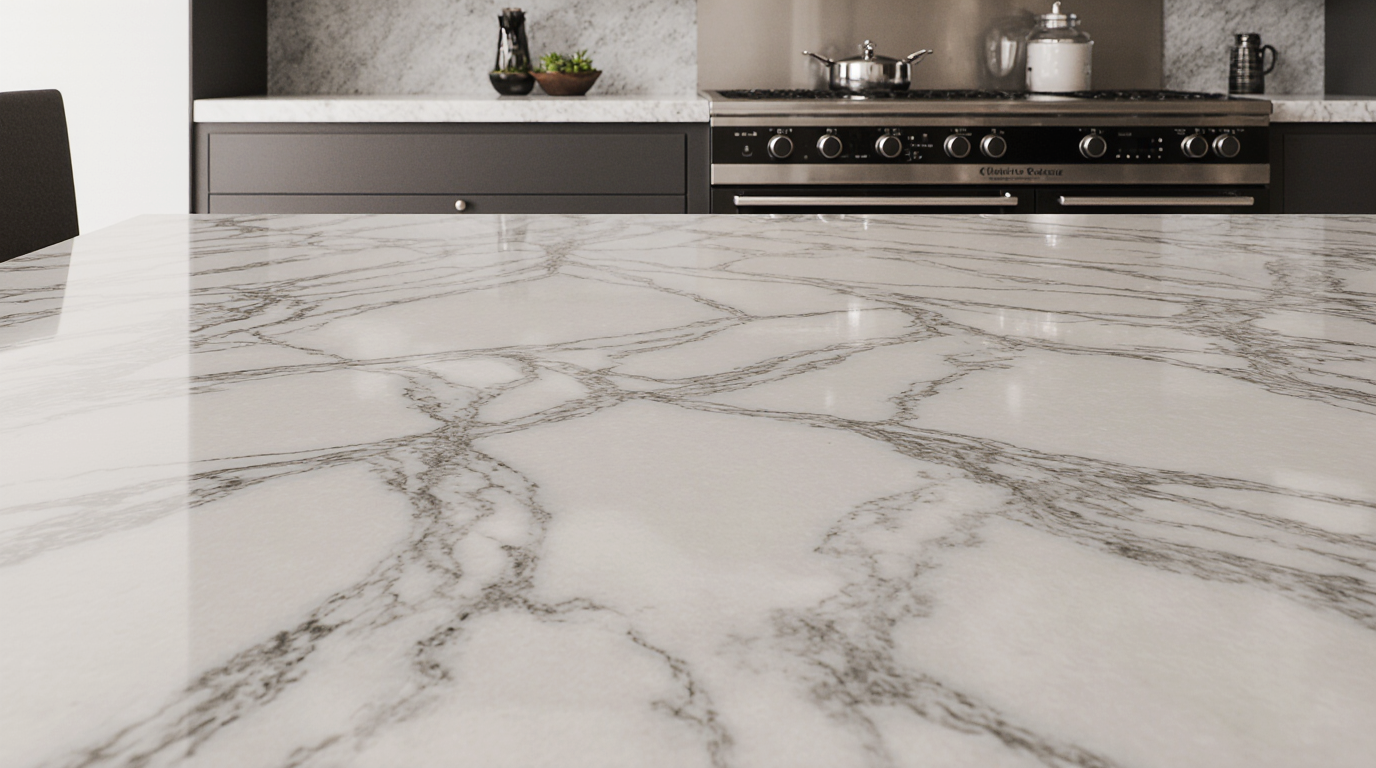
High-grade marble slabs are sourced from renowned quarries around the world, each with distinctive characteristics. Italian Carrara marble is known for gentle grey veining, while Calacatta offers intense, artistic patterns that transform interiors. The origin of the marble plays a crucial role in determining the overall price, as some rare stones are imported at higher costs due to transportation, extraction complexity, and limited availability. A deeper understanding of the marble’s provenance allows homeowners to make informed decisions when balancing aesthetics and budget.
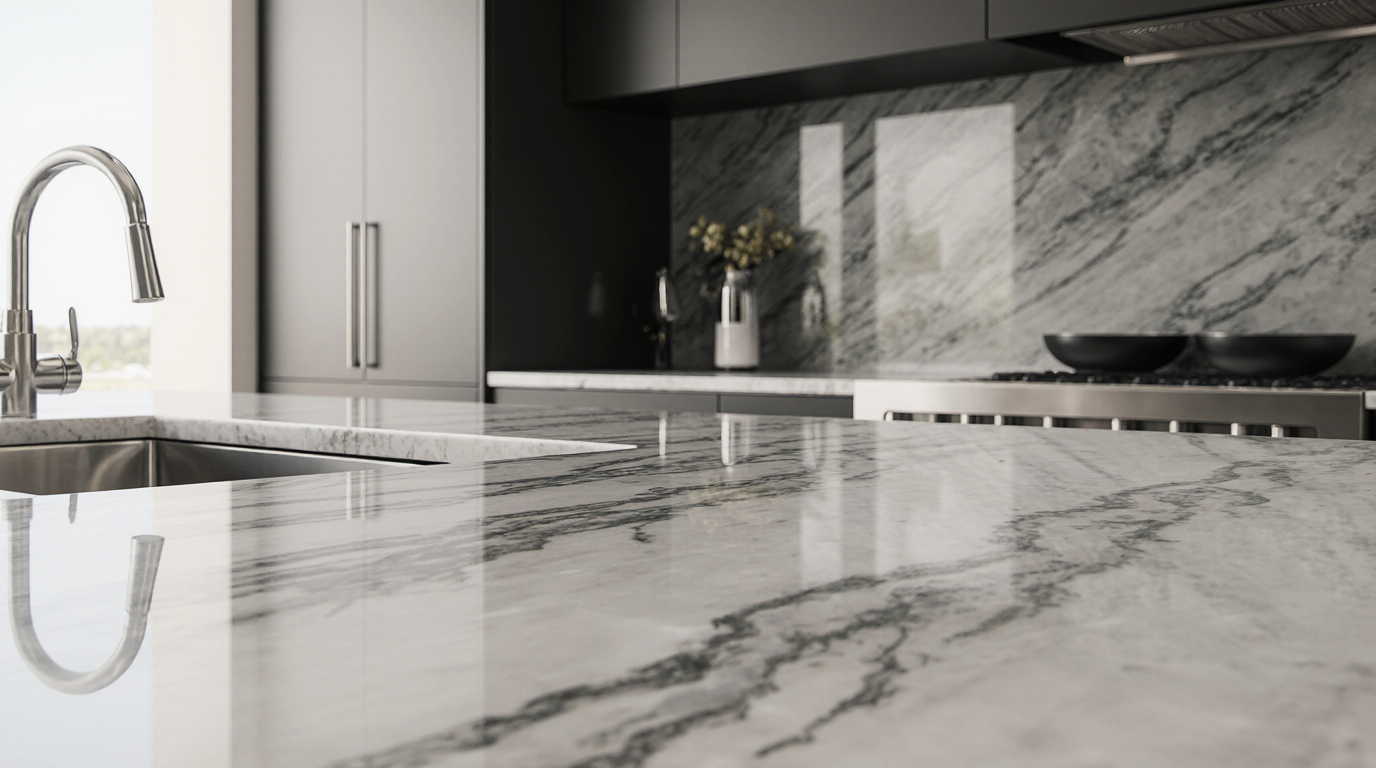
The dimensions and surface treatments of marble slabs are major cost determinants. Standard countertops are typically 2 to 3 centimeters thick, with thicker slabs naturally demanding higher prices due to the larger quantity of raw stone. Additionally, specialized finishes such as polished, honed, or leathered surfaces can increase the final investment. Honed finishes deliver gentle texture and muted tones, contrasting with the brilliance of polished marble. Leathered marble, offering tactile depth and understated glamour, has become a contemporary favorite.
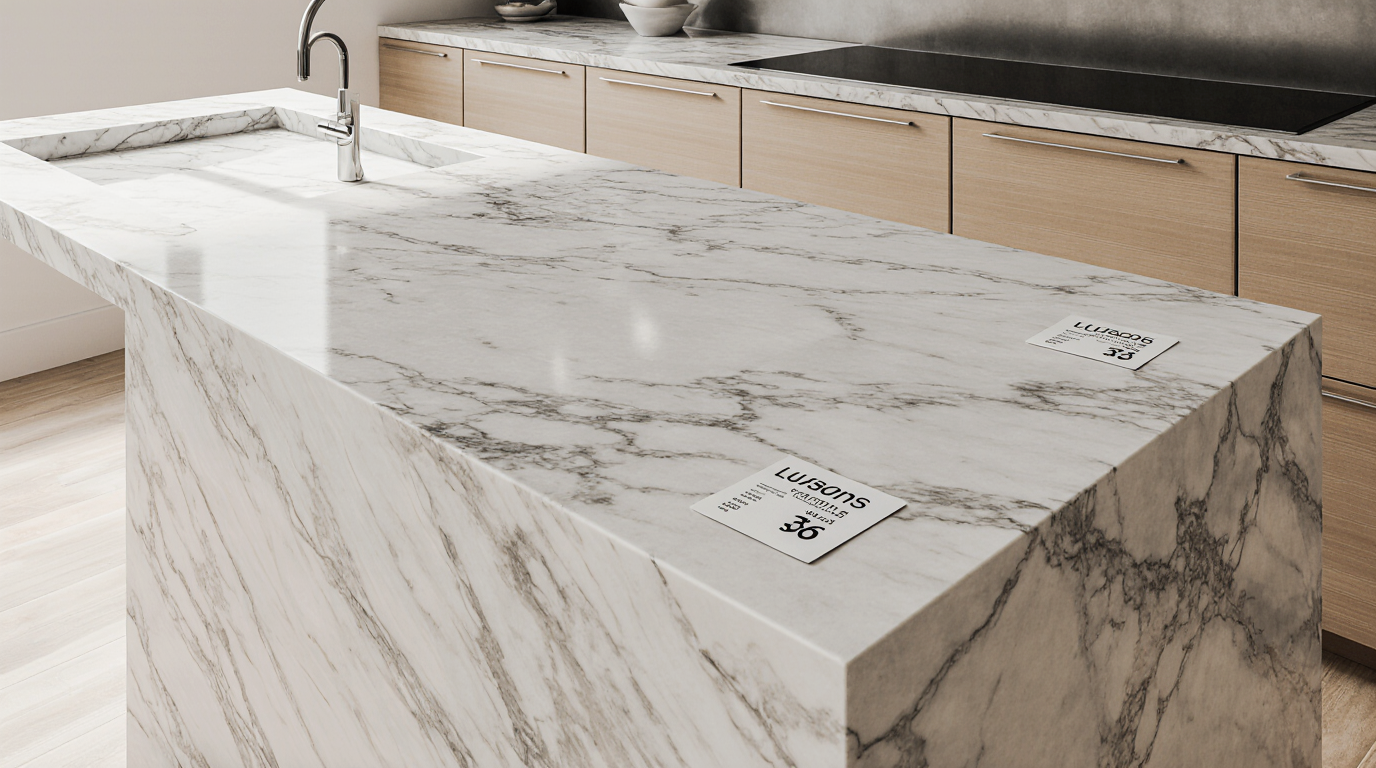
Installation is another factor that contributes heavily to the marble countertop price. Installing marble necessitates exact measurements, expert labor, and careful handling, differentiating it from synthetic surfaces. Customization, such as creating intricate edges, integrated sinks, or waterfall designs, can elevate installation costs but adds exceptional value to the space. Expert installers assess marble’s weight, structural support, and fragility to prevent damage, emphasizing labor importance.
Maintenance requirements also play a role in understanding the true cost of marble countertops. While marble is a durable and long-lasting material, it is porous and susceptible to staining from acidic substances like wine, citrus, or vinegar. Applying sealant periodically, every six to twelve months, safeguards marble’s appearance and longevity. The added expense of sealants and care should be factored into the long-term budget. Despite these considerations, the aesthetic and functional benefits of marble often outweigh the ongoing maintenance, especially for homeowners seeking a sophisticated and enduring addition to their property.
Evaluating marble alongside other countertop options emphasizes its unmatched elegance. Alternatives like granite or quartz provide consistency, yet they fail to match marble’s distinctive patterns and refined charm. The individuality of marble surfaces transforms interiors into luxurious, personalized environments. Marble pricing encapsulates scarcity, artisanal effort, and aesthetic influence, rather than being just a number.
Tailoring marble countertops adds both expense and distinctive elegance. Homeowners can choose from various edge profiles such as beveled, bullnose, ogee, or chiseled, each contributing to the overall design narrative. Integrated backsplashes, artistic inlays, and layered surfaces enhance customization, increasing both appeal and cost. Working with experienced designers ensures that every detail aligns with the intended style, functionality, and flow of the space. Custom touches elevate both design sophistication and functional performance, validating added expense.
Where a homeowner resides and stone accessibility influence countertop costs. Proximity to marble sources reduces transportation expenses, whereas distant locations incur additional import costs. Trends, seasonal demand, and design popularity directly affect the per-square-foot cost of marble. Knowledge of market trends enables homeowners to make informed purchases, balancing cost, quality, and aesthetic goals.
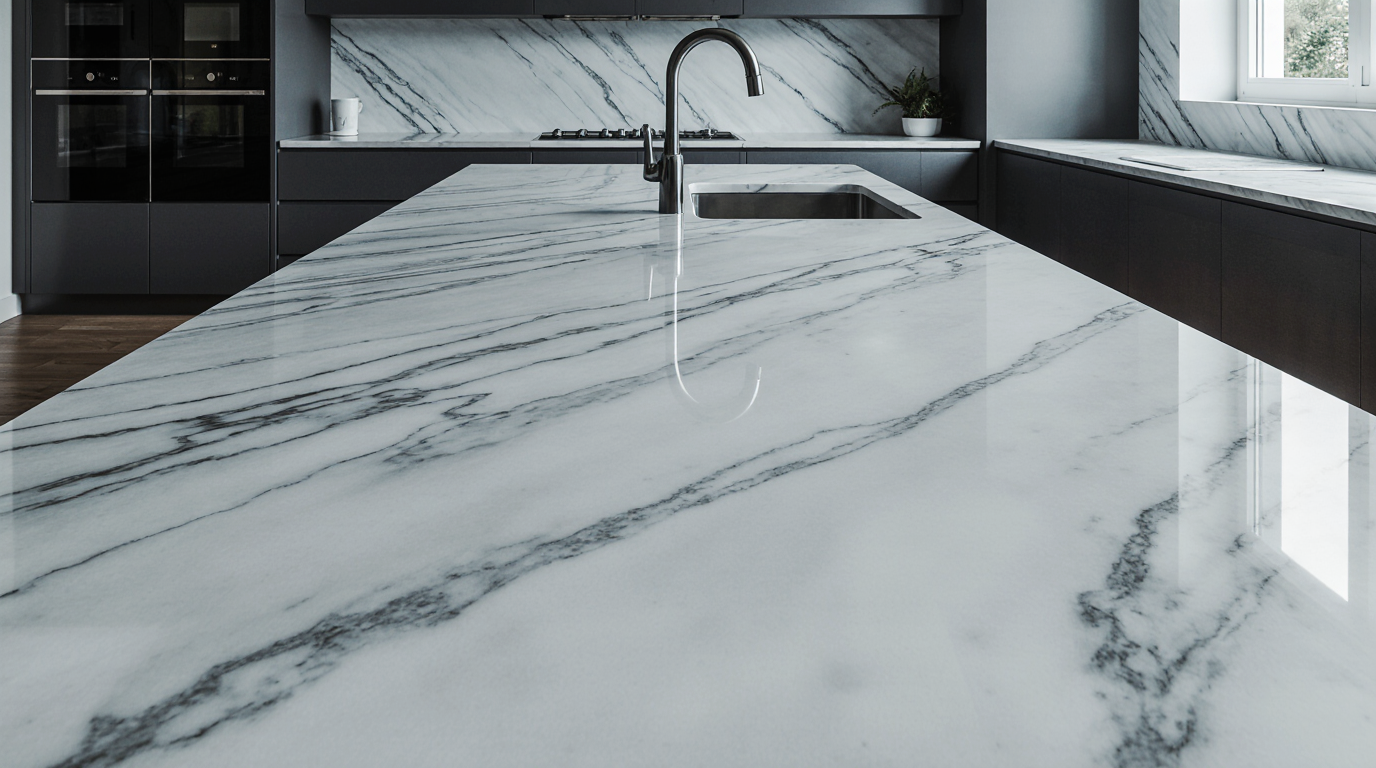
Decision-making around marble involves integrating aesthetics, durability, and investment planning. Lighter marble tones create a sense of spaciousness and brightness, ideal for compact kitchens or bathrooms, whereas darker marbles evoke sophistication and drama, complementing high-end interior designs. Marble integration enhances room ambiance and boosts long-term property worth. Prospective buyers often recognize the inherent quality and luxurious appeal, making marble not only a design choice but also a long-term financial asset.
Assessing marble costs involves examining stone grade, origin, slab size, surface finishing, installation precision, upkeep, bespoke elements, and market conditions. Although initially costly, marble’s enduring beauty, distinctiveness, and refinement offer long-term benefits. Investing in marble provides exceptional style and longevity, reshaping interiors with lasting appeal. Homeowners seeking sophistication, individuality, and enduring style find marble an unmatched choice that truly enhances the heart of the home.
Marble’s lasting allure is achieved through superior material, skilled craftsmanship, and diligent upkeep, marking it as a wise investment. Every marble piece narrates a tale of geological artistry and design finesse, transforming mundane interiors into bespoke showcases of elegance.