Small Laundry Room Layout: Maximizing Functionality and Style in Compact Spaces
Planning a small laundry space involves harmonizing practicality, strategic organization, and elegant design. Given the constraints of contemporary living spaces, maximizing a small laundry room’s layout turns routine washing into a streamlined, pleasant experience. Every inch of space in a small laundry room counts, and thoughtful planning ensures that storage solutions, workflow, and style seamlessly coexist. An optimized layout considers ergonomics, accessibility, and the environment’s ambiance, beyond mere appliance positioning.
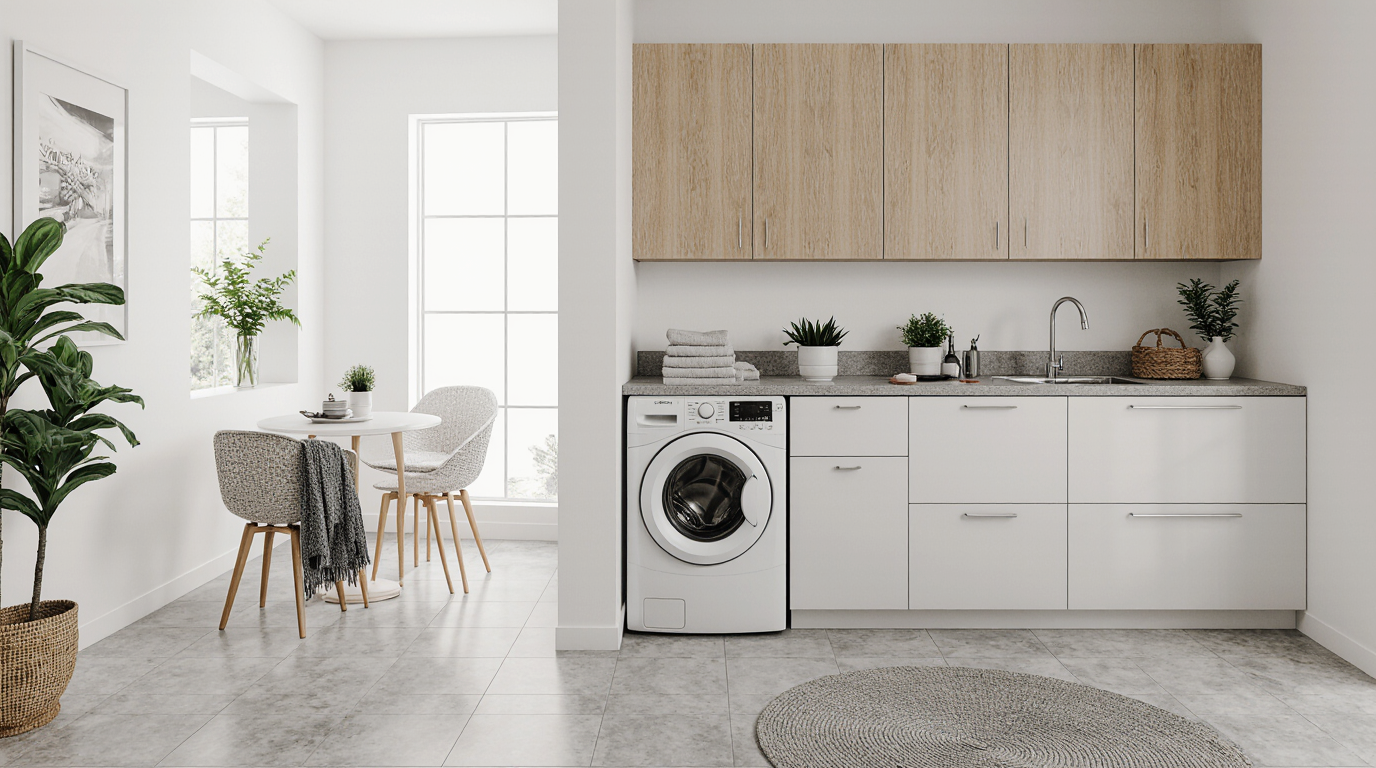
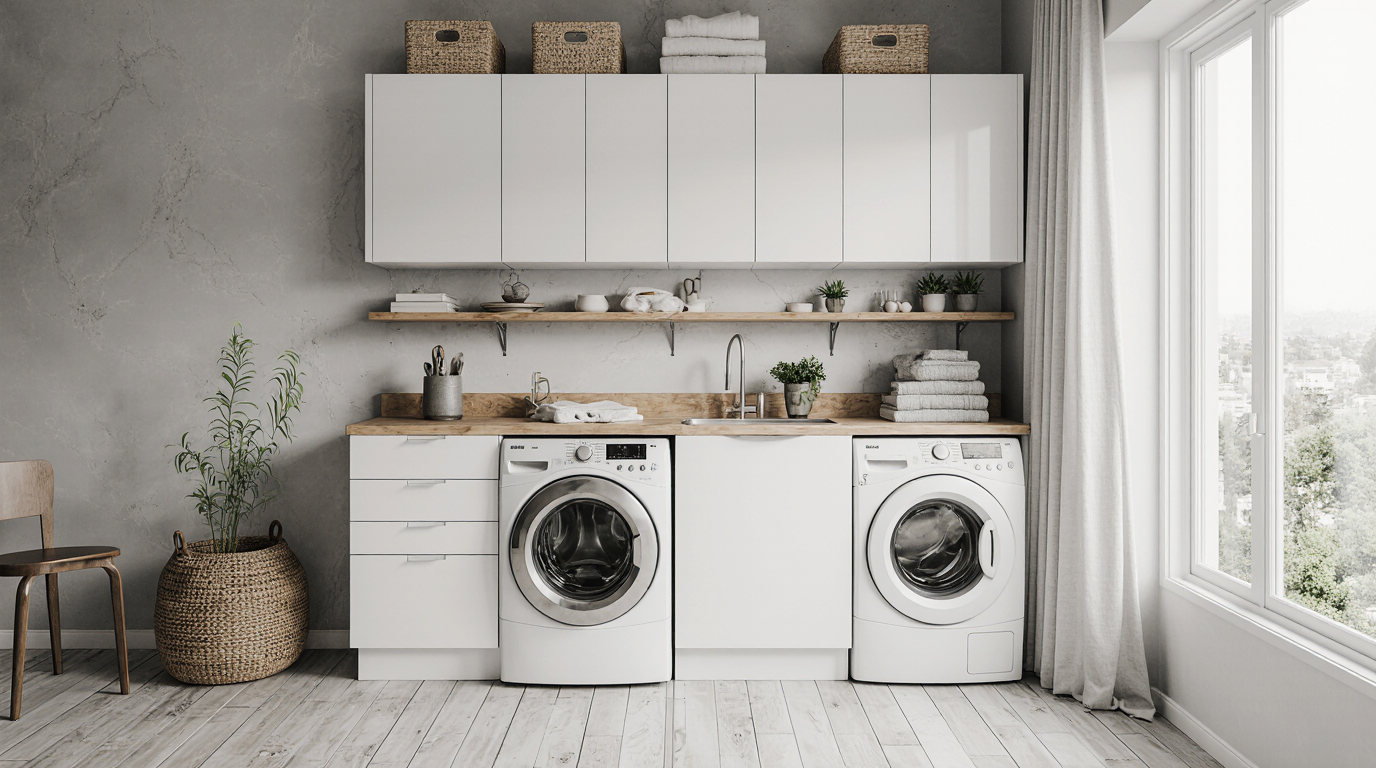
Optimizing small laundry functionality starts with strategic appliance choice and positioning. Front-loading washers and dryers are particularly advantageous in small laundry rooms due to their ability to be stacked vertically, conserving valuable floor space. For homeowners who prioritize ergonomics, installing appliances side by side with a countertop above provides both operational comfort and a surface for folding clothes. Energy-efficient models are another critical consideration, as they minimize utility costs while promoting environmentally conscious living. Organized appliance positioning establishes a logical workflow that minimizes effort and maximizes output.
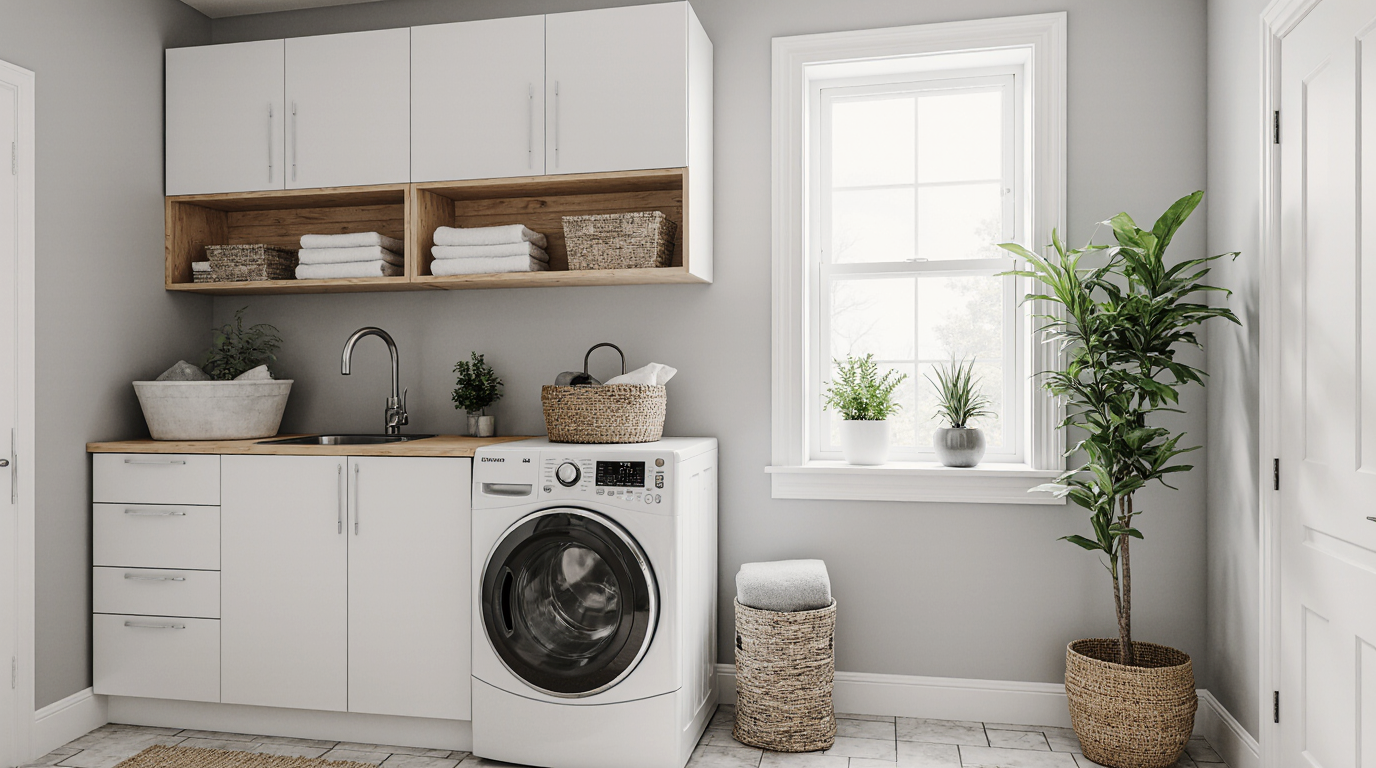
Storage optimization is a cornerstone of a functional small laundry room. Cabinets, shelves, and cubbies should be tailored to fit the room’s dimensions while maximizing vertical space. Wall-mounted cabinets allow for ample storage of detergents, cleaning supplies, and laundry accessories without occupying the floor area, which is crucial in compact spaces. Open shelving with organized bins allows functional convenience without compromising style. Custom-built storage units can be designed to fit irregular spaces, such as corners or narrow wall segments, ensuring that no area goes underutilized.
Thoughtful lighting design enhances both practicality and ambiance in small laundry rooms. Correct illumination enhances work efficiency and elevates the space’s aesthetic. Layered lighting strategies, including overhead and under-shelf lights, optimize visibility and spatial perception. Daylight introduces warmth and enhances the perception of space, limiting artificial lighting needs. Reflective finishes, pale colors, and mirrors in enclosed rooms create an illusion of spaciousness and light.
Water-resistant and long-lasting materials are key to maintaining both function and visual appeal. Materials like tiles, luxury vinyl, or sealed concrete withstand moisture and heavy use. Tiles, luxury vinyl planks, or sealed concrete are excellent choices, providing durability while complementing the room’s design. Countertops should also be resilient, resistant to moisture, and easy to maintain. Multifunctional work surfaces expand usability while maintaining a clean, organized layout.
Strategic palette and material selection influence spatial perception and mood. Soft neutrals broaden the sense of space, complemented by bolder elements for character. Incorporating sleek cabinetry, modern hardware, and cohesive textures creates a cohesive aesthetic that elevates the room from a purely utilitarian area to a visually appealing environment. Combining light cabinetry, neutral walls, and wood highlights balances aesthetics with practical function.
Optimizing workflow is critical in compact laundry spaces. Organizing areas by task type promotes smooth operation and time efficiency. Utilizing vertical space for hanging rods or retractable drying racks allows garments to air-dry without encroaching on floor space. Adding a utility basin optimizes versatility while maintaining compact efficiency. Small organizational accessories improve accessibility, workflow, and task coordination.
Ergonomics are often underestimated in compact laundry rooms but are vital for long-term comfort and ease of use. Thoughtful placement of functional elements supports comfort and operational efficiency. Flexible storage solutions enable convenient access to frequently used products. Additionally, folding stations at counter height, combined with pull-out hampers for sorting laundry, streamline the workflow while maintaining a clutter-free environment. Every design choice contributes to a smoother, more enjoyable laundry routine.
Proper ventilation preserves both room quality and appliance longevity. Air circulation solutions protect against dampness, odors, and structural damage. Integrating ventilation systems and vented appliances safeguards both indoor air quality and household infrastructure. For homeowners seeking a holistic approach, integrating eco-friendly solutions, such as energy-efficient ventilation systems and moisture-resistant materials, contributes to a sustainable and durable laundry space.
Aesthetic touches elevate the room without compromising usability. Adding artwork, potted plants, or even a stylish rug can create a more inviting atmosphere. Functional decor, like aesthetically pleasing storage baskets or decorative jars for detergents, blends utility with design sophistication. Incorporating such elements creates a space that is both efficient and pleasurable to use. Balancing functional and aesthetic priorities results in a harmonious, user-friendly laundry room.
Optimal small laundry layouts depend on careful planning, resourceful storage, and aesthetic consideration. Through thoughtful appliance selection, spatial planning, and style integration, small laundry rooms can reach maximum functionality and appeal. A well-designed small laundry space not only simplifies daily routines but also enhances the overall functionality and beauty of the home. Thoughtful consideration of workflow, lighting, ventilation, and design choices ensures that even a compact laundry room becomes a space that is organized, efficient, and enjoyable to use.