Optimized Small Laundry Room: Blending Functionality with Modern Aesthetic
Creating a compact laundry room demands a meticulous combination of efficiency, orderliness, and visual sophistication. Given the constraints of contemporary living spaces, maximizing a small laundry room’s layout turns routine washing into a streamlined, pleasant experience. When every corner matters, intelligent design merges appliance placement, storage innovation, and aesthetic coherence. A well-executed layout addresses not only the placement of appliances but also enhances usability, accessibility, and the overall ambiance of the space.
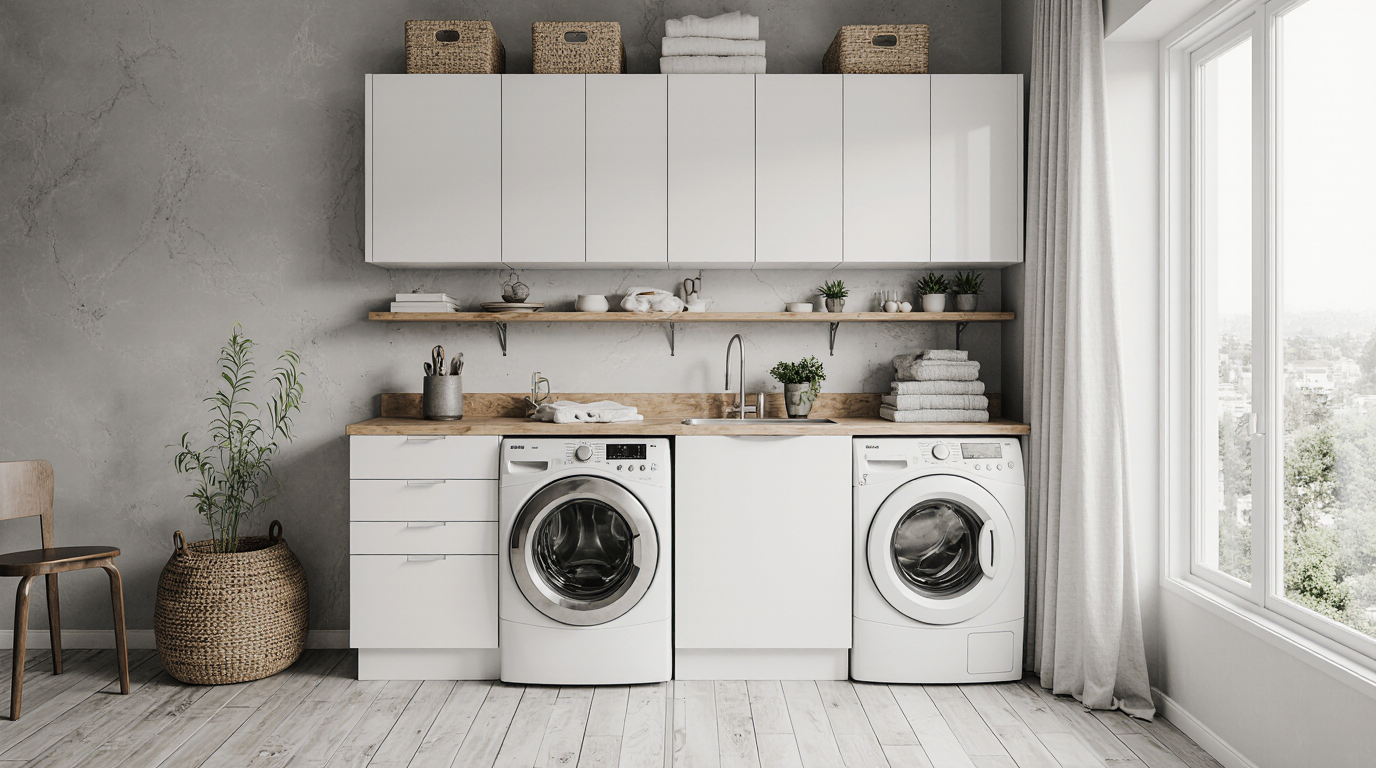
The cornerstone of an effective compact laundry layout is thoughtful appliance integration. Stackable front-loading machines maximize vertical space, providing room-saving solutions in tight laundry areas. For homeowners who prioritize ergonomics, installing appliances side by side with a countertop above provides both operational comfort and a surface for folding clothes. Selecting energy-conscious appliances reduces long-term expenses and supports sustainable practices. Organized appliance positioning establishes a logical workflow that minimizes effort and maximizes output.
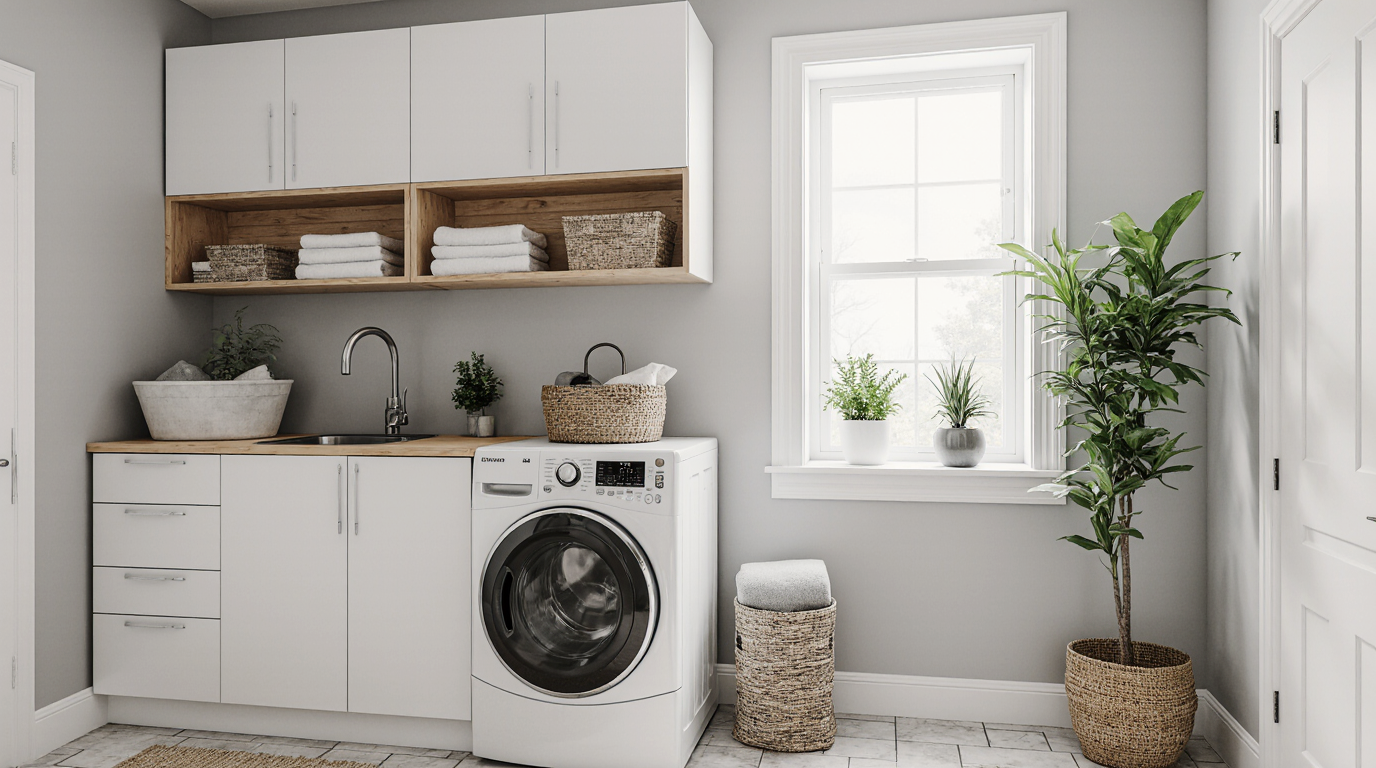
Efficient storage planning underpins both functionality and aesthetic appeal in small laundry areas. Cabinets, shelves, and cubbies should be tailored to fit the room’s dimensions while maximizing vertical space. Wall-mounted cabinets allow for ample storage of detergents, cleaning supplies, and laundry accessories without occupying the floor area, which is crucial in compact spaces. Open shelving with organized bins allows functional convenience without compromising style. Custom-built storage units can be designed to fit irregular spaces, such as corners or narrow wall segments, ensuring that no area goes underutilized.
Thoughtful lighting design enhances both practicality and ambiance in small laundry rooms. Proper lighting not only improves visibility but also enhances the room’s ambiance. Bright, layered lighting, including ceiling lights and under-cabinet illumination, can prevent shadows in critical work areas and make the space feel larger than it is. Natural light, when available, adds warmth and reduces reliance on artificial sources. Reflective finishes, pale colors, and mirrors in enclosed rooms create an illusion of spaciousness and light.
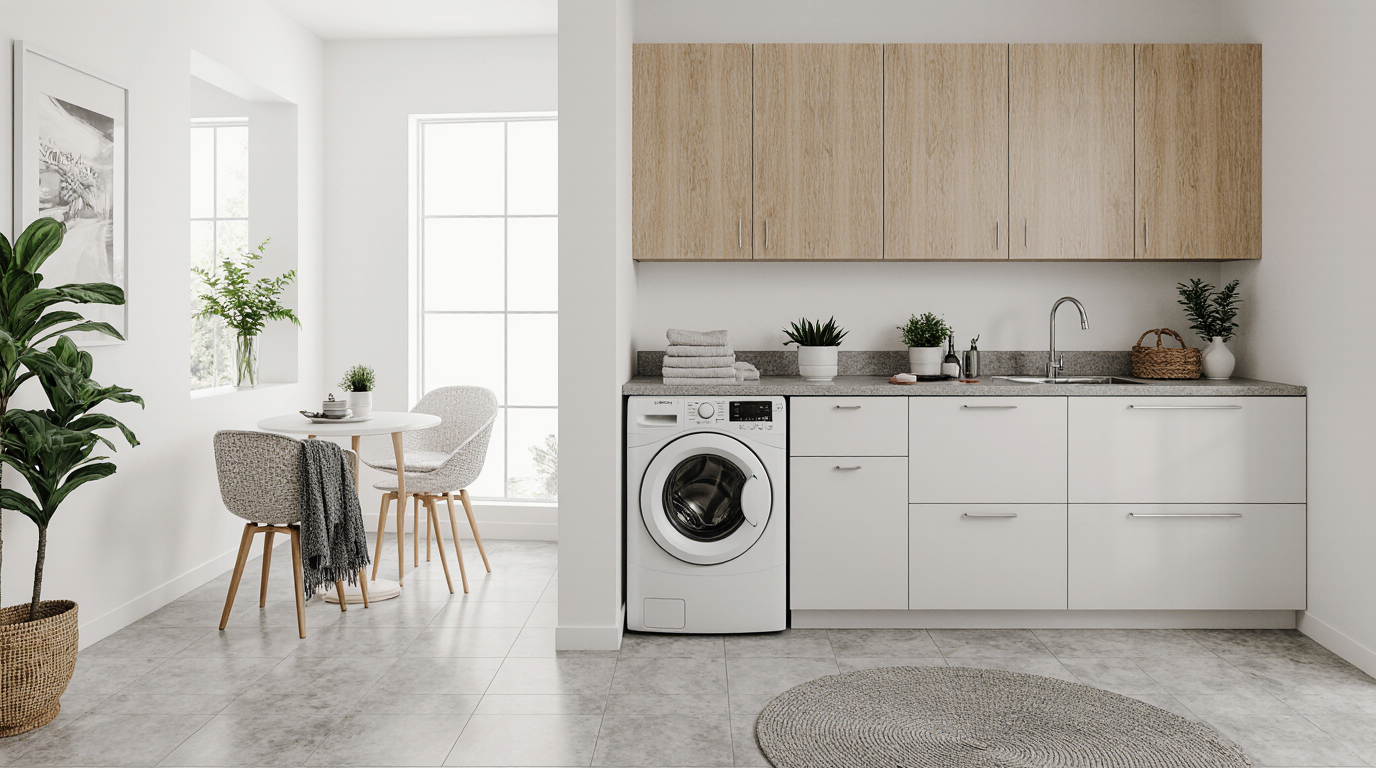
Selecting resilient flooring and work surfaces ensures durability without sacrificing design. Since laundry rooms endure high traffic and occasional spills, selecting water-resistant, easy-to-clean materials is paramount. Durable surface materials balance style with practicality, maintaining beauty under constant use. Selecting tough, low-maintenance counters enhances functionality and longevity. Multifunctional work surfaces expand usability while maintaining a clean, organized layout.
Color and material choices play a significant role in shaping the perception of a small laundry room. Soft neutrals broaden the sense of space, complemented by bolder elements for character. Consistency in cabinet design, finishes, and textures ensures elegance without sacrificing function. Subtle contrasts between cabinets, walls, and accent textures enhance both usability and visual interest.
Optimizing workflow is critical in compact laundry spaces. Organizing areas by task type promotes smooth operation and time efficiency. Space-saving hanging and drying systems preserve compact floor layouts. Even a compact sink expands the room’s functionality for stain treatment and hand washing. Small organizational accessories improve accessibility, workflow, and task coordination.
Comfort-focused design is essential to prevent strain in small laundry areas. Ensuring that appliances, counters, and shelves are positioned at accessible heights can prevent strain during laundry tasks. Flexible storage solutions enable convenient access to frequently used products. Incorporating adjustable folding and sorting stations improves ergonomics and operational flow. Attention to detail transforms compact spaces into highly functional, user-friendly environments.
Airflow management is essential to prevent moisture issues. Air circulation solutions protect against dampness, odors, and structural damage. Exhaust fans, vented dryers, and strategically placed vents help maintain optimal air quality, protecting both the appliances and the home’s structural integrity. Sustainable design incorporates energy-saving vents and moisture-proof finishes.
Decorative elements, though secondary to function, enrich the user experience in a compact laundry room. Visual enhancements like framed prints, greenery, or designer rugs make chores more enjoyable. Functional decor, like aesthetically pleasing storage baskets or decorative jars for detergents, blends utility with design sophistication. Incorporating such elements creates a space that is both efficient and pleasurable to use. Attention to both practicality and visual appeal ensures a laundry room that is efficient, organized, and stylish.
A small laundry room layout requires meticulous planning, creative storage solutions, and attention to detail. By prioritizing efficiency, selecting appropriate appliances, optimizing vertical space, and incorporating both functional and aesthetic elements, homeowners can achieve a laundry room that is both practical and visually engaging. A well-designed small laundry space not only simplifies daily routines but also enhances the overall functionality and beauty of the home. Thoughtful consideration of workflow, lighting, ventilation, and design choices ensures that even a compact laundry room becomes a space that is organized, efficient, and enjoyable to use.