Small Laundry Room Layout: Maximizing Functionality and Style in Compact Spaces
Planning a small laundry space involves harmonizing practicality, strategic organization, and elegant design. Given the constraints of contemporary living spaces, maximizing a small laundry room’s layout turns routine washing into a streamlined, pleasant experience. Every inch of space in a small laundry room counts, and thoughtful planning ensures that storage solutions, workflow, and style seamlessly coexist. An optimized layout considers ergonomics, accessibility, and the environment’s ambiance, beyond mere appliance positioning.
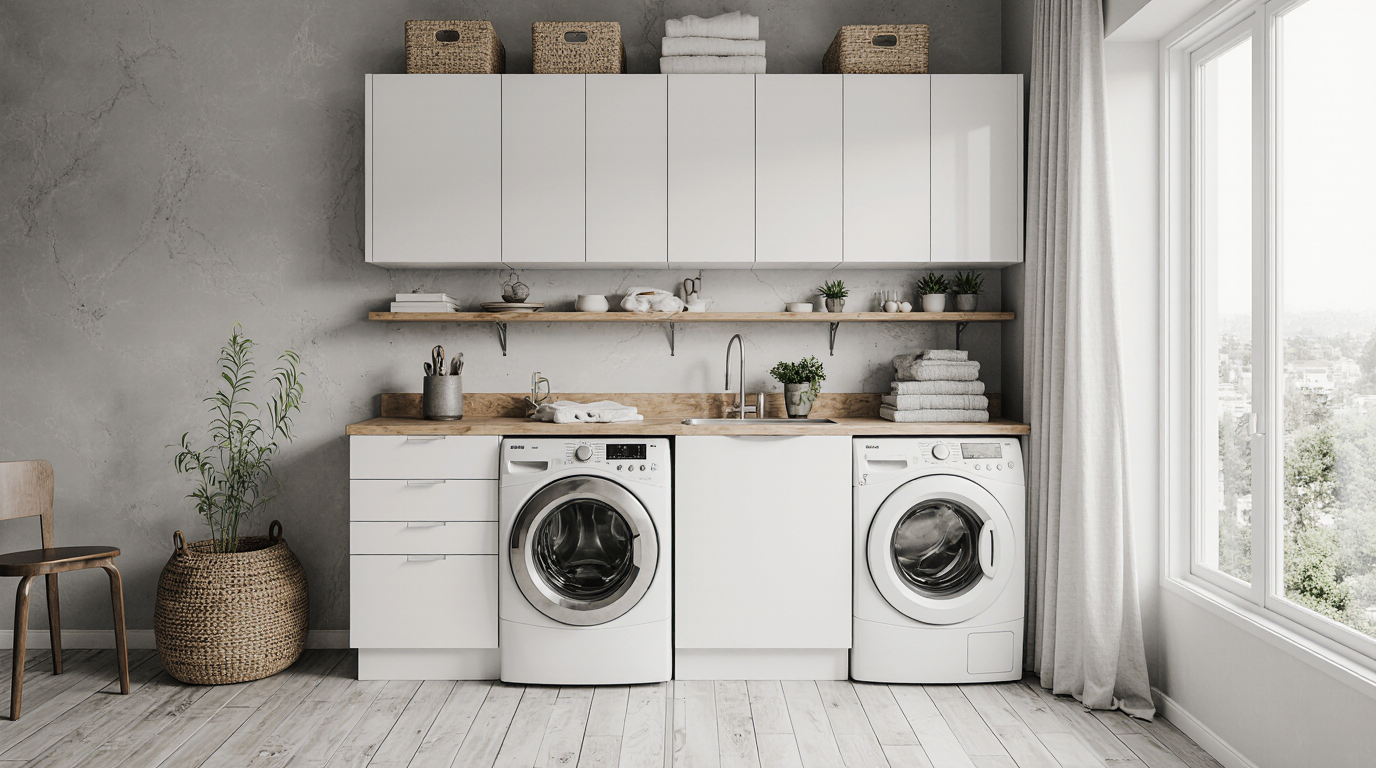
Optimizing small laundry functionality starts with strategic appliance choice and positioning. Front-loading washers and dryers are particularly advantageous in small laundry rooms due to their ability to be stacked vertically, conserving valuable floor space. For homeowners who prioritize ergonomics, installing appliances side by side with a countertop above provides both operational comfort and a surface for folding clothes. Energy-efficient models are another critical consideration, as they minimize utility costs while promoting environmentally conscious living. Thoughtful spatial arrangement ensures seamless progression from washing to drying to folding, enhancing efficiency and reducing clutter.
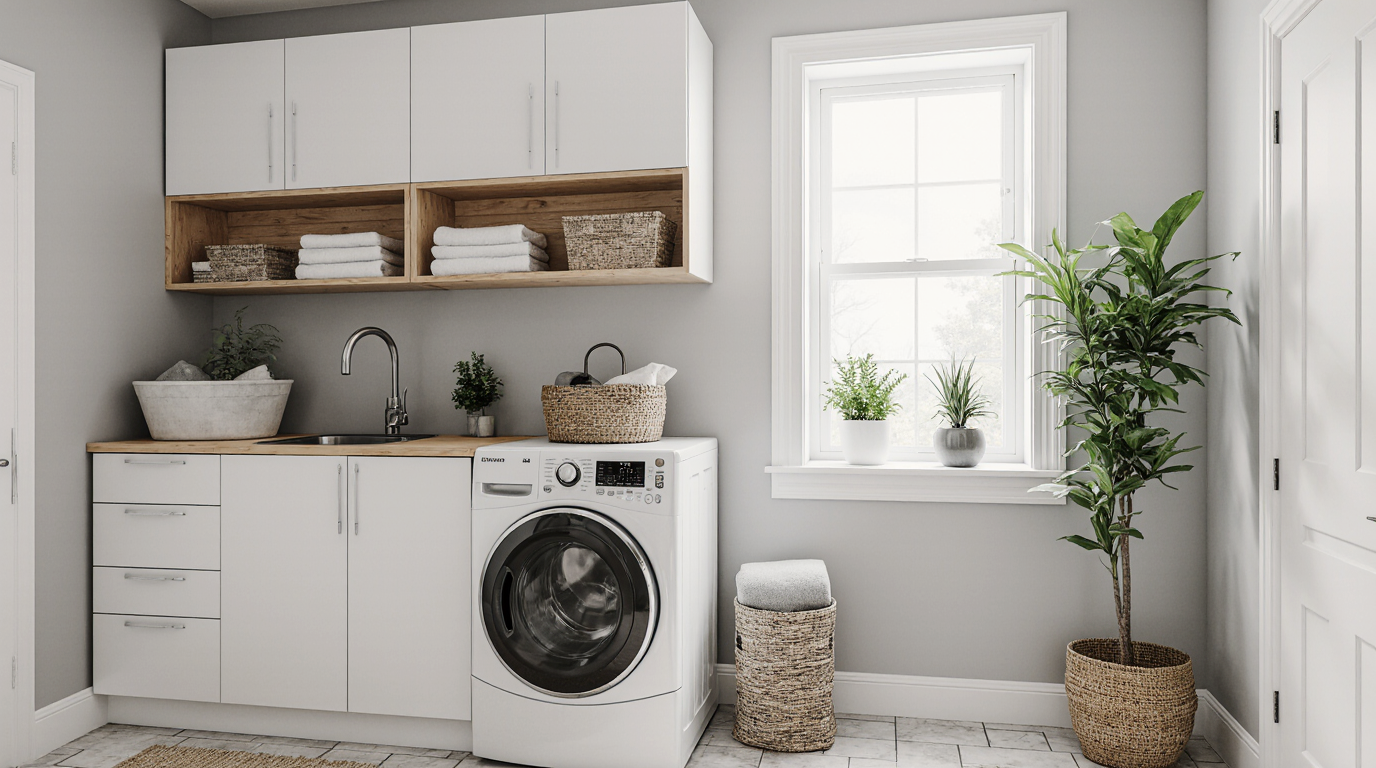
Storage optimization is a cornerstone of a functional small laundry room. Adapted shelving, cabinetry, and cubbies maximize space and functionality in tight laundry areas. Wall-mounted cabinets allow for ample storage of detergents, cleaning supplies, and laundry accessories without occupying the floor area, which is crucial in compact spaces. Open shelving offers easy access to frequently used items, while labeled bins and baskets can keep smaller necessities organized and aesthetically pleasing. Tailored storage solutions adapt to awkward corners or tight walls, leaving no space wasted.
Effective illumination plays a vital yet frequently underestimated role in compact laundry spaces. Proper lighting not only improves visibility but also enhances the room’s ambiance. Bright, layered lighting, including ceiling lights and under-cabinet illumination, can prevent shadows in critical work areas and make the space feel larger than it is. Integrating windows or skylights brightens the room and minimizes electrical consumption. Reflective finishes, pale colors, and mirrors in enclosed rooms create an illusion of spaciousness and light.
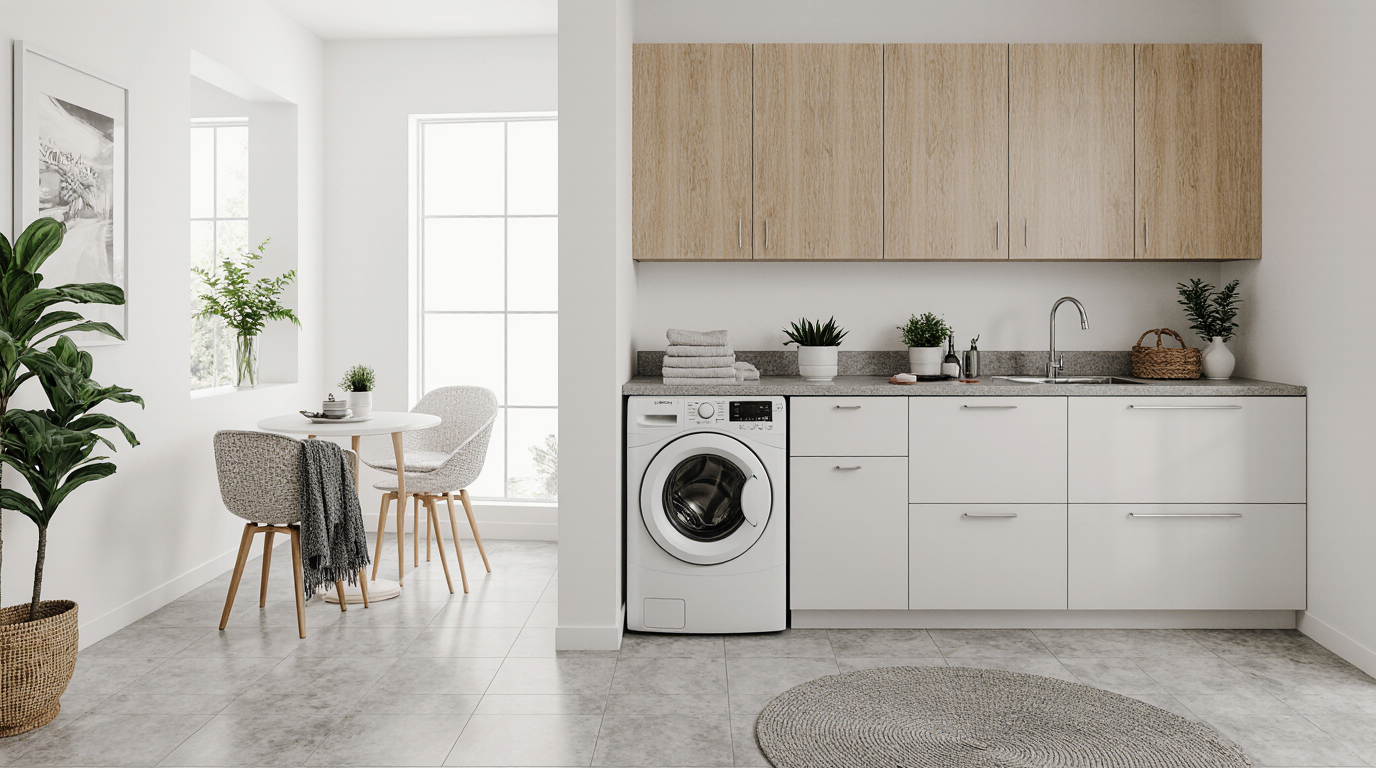
Flooring and durable surfaces are essential components that blend both practicality and style. Since laundry rooms endure high traffic and occasional spills, selecting water-resistant, easy-to-clean materials is paramount. Durable surface materials balance style with practicality, maintaining beauty under constant use. Counter surfaces must resist water, wear, and staining while supporting daily chores. Smart countertop solutions include retractable boards and drying racks to maximize efficiency in small areas.
Color and material choices play a significant role in shaping the perception of a small laundry room. Soft neutrals broaden the sense of space, complemented by bolder elements for character. Harmonizing materials, finishes, and hardware elevates the laundry room’s visual appeal. Subtle contrasts between cabinets, walls, and accent textures enhance both usability and visual interest.
Optimizing workflow is critical in compact laundry spaces. Organizing areas by task type promotes smooth operation and time efficiency. Utilizing vertical space for hanging rods or retractable drying racks allows garments to air-dry without encroaching on floor space. Even a compact sink expands the room’s functionality for stain treatment and hand washing. Small organizational accessories improve accessibility, workflow, and task coordination.
Ergonomics are often underestimated in compact laundry rooms but are vital for long-term comfort and ease of use. Thoughtful placement of functional elements supports comfort and operational efficiency. Flexible storage solutions enable convenient access to frequently used products. Counter-level folding areas paired with movable hampers optimize efficiency and spatial organization. Attention to detail transforms compact spaces into highly functional, user-friendly environments.
Proper ventilation preserves both room quality and appliance longevity. Proper airflow prevents excess moisture, mildew, and odors from accumulating, which is particularly important in confined spaces. Targeted exhaust and air circulation mechanisms maintain healthy, odor-free laundry environments. For homeowners seeking a holistic approach, integrating eco-friendly solutions, such as energy-efficient ventilation systems and moisture-resistant materials, contributes to a sustainable and durable laundry space.
Functional decor enhances both style and efficiency. Visual enhancements like framed prints, greenery, or designer rugs make chores more enjoyable. Decorative yet functional containers improve organization while enhancing visual appeal. Thoughtful decor elevates mundane tasks, fostering an environment of comfort and organization. Attention to both practicality and visual appeal ensures a laundry room that is efficient, organized, and stylish.
A small laundry room layout requires meticulous planning, creative storage solutions, and attention to detail. Focusing on workflow, appliance choice, vertical storage, and visual harmony creates an ideal compact laundry area. Careful design choices turn compact laundry rooms into practical, elegant extensions of the home. Integrating planning, lighting, ventilation, and style creates compact laundry spaces that maximize usability and pleasure.