Creative Small Laundry Room Designs: Turning Limited Areas Into Elegant and Efficient Spaces
Designing a compact laundry space involves balancing efficiency with practical solutions while maintaining a cohesive look. When space is tight, designing a small laundry room requires strategic organization so that every inch is optimized. A thoughtfully designed compact laundry area does more than just accommodate washing machines and dryers; it transforms a utilitarian space into a functional, organized, and even inspiring part of the home. The key is to embrace clever layouts, multi-purpose solutions, and smart storage that maximize the room’s potential without sacrificing style.
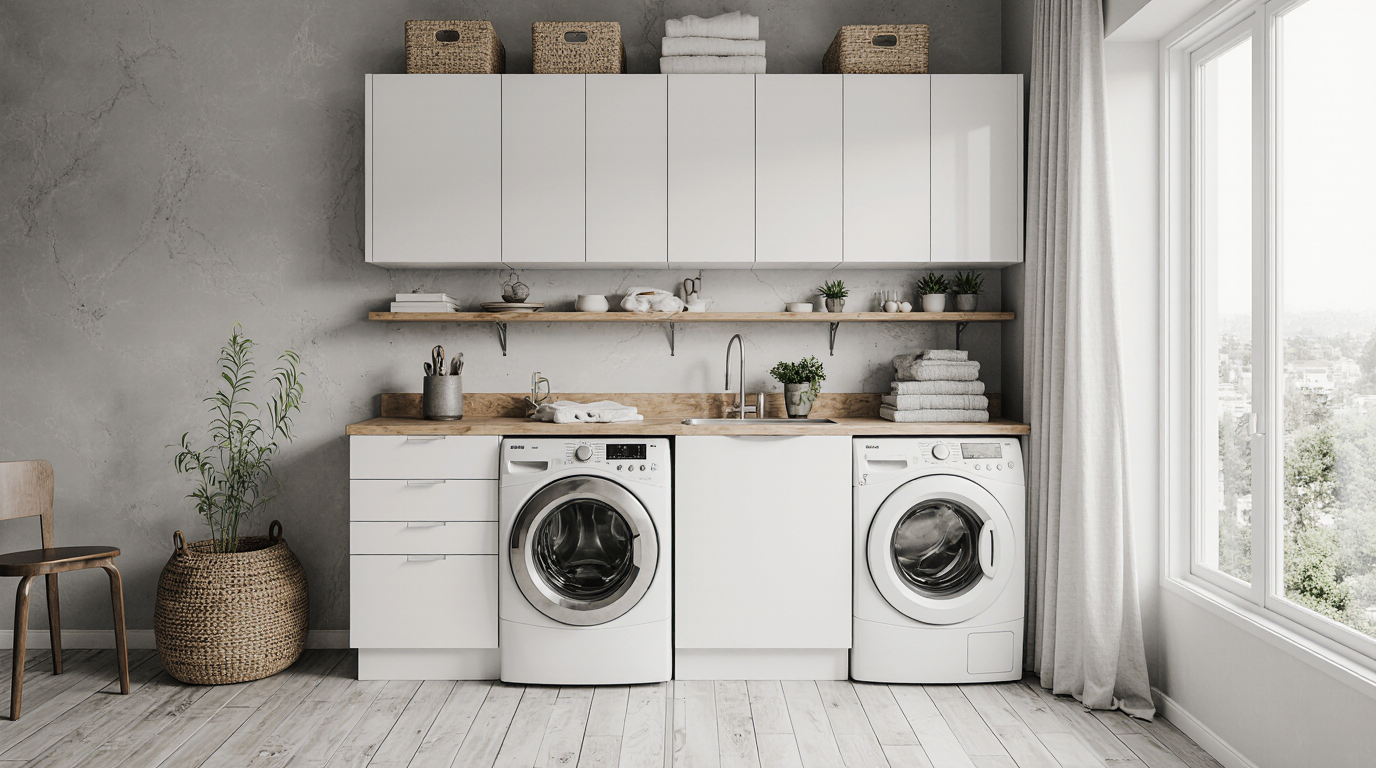
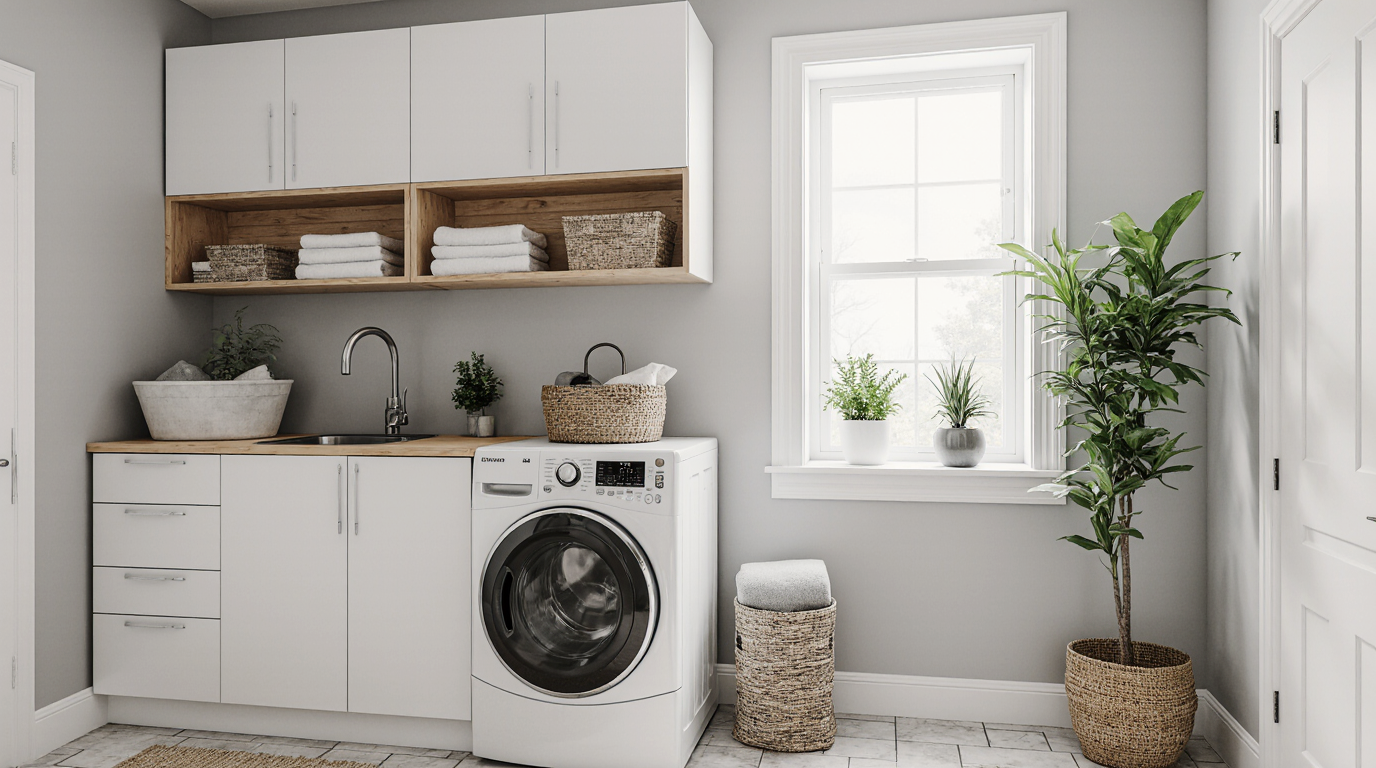
Maximizing vertical space is essential in compact laundry design. While floors may be cramped, vertical surfaces frequently offer untapped storage opportunities. Wall-mounted shelves, hanging organizers, or overhead cabinets maximize utility for cleaning supplies, laundry detergents, and everyday necessities. Open shelving not only creates easy access but also adds an element of design, allowing homeowners to display attractive containers or baskets. Floating or wall-mounted shelves enhance modern design and maintain easy reach without crowding the room.
Selecting appropriate machines is fundamental for compact laundry areas. For tight spaces, compact or stackable washer-dryer units are essential. By utilizing space-saving machines, homeowners open up areas for storage, folding, or organizing tasks. Front-load washers allow extra workspace when topped with durable counters or work areas. Choosing energy-efficient appliances not only reduces environmental impact but also enhances the functionality of the room by minimizing noise and vibration, which can be a concern in smaller spaces.
Lighting is often underestimated but plays a pivotal role in small laundry room design. Strategically installed lighting brightens confined areas, giving the illusion of a larger, comfortable space. Blending overhead illumination with task-specific lights optimizes visibility for laundry activities. Where possible, maximize sunlight to brighten the room and uplift its ambiance. A well-lit laundry room not only improves visibility for daily chores but also enhances the overall mood of the space, making laundry a more pleasant task rather than a mundane chore.
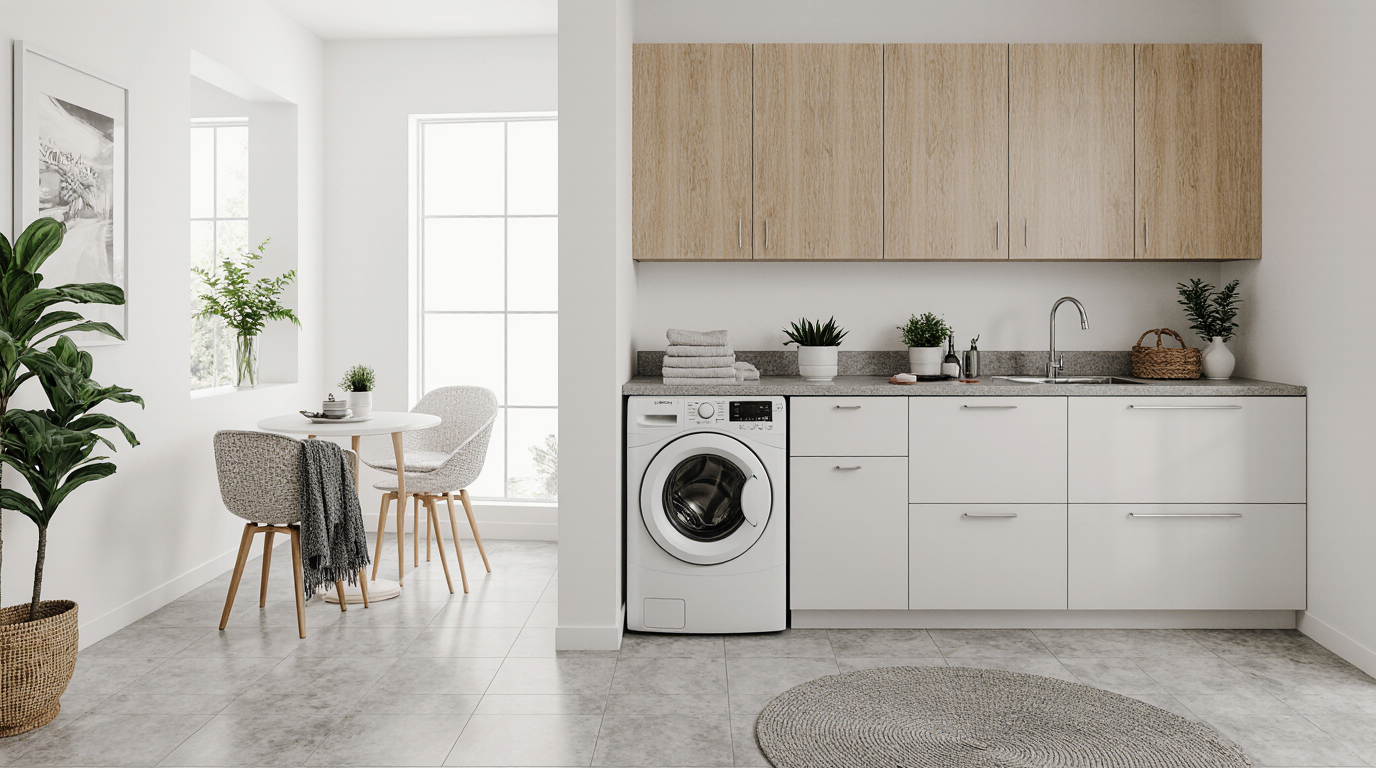
Color choices significantly influence how a small laundry space is perceived. Lighter shades, such as whites, soft grays, or pastel tones, create the illusion of openness and cleanliness. Contrasting accents, like dark handles, tiles, or backsplash patterns, can add depth and interest without overwhelming the room. Using a consistent color palette across walls, cabinetry, and accessories ensures the design feels cohesive, visually enlarging the space while keeping it stylish. Bright accent colors make a statement while ensuring usability and organization.
Smart storage planning ensures functionality in tight laundry rooms. Pull-out hampers, sliding shelves, and built-in cabinets optimize every inch of available space. Employing corner solutions and rolling carts enhances room efficiency while keeping pathways clear. Tailored cabinetry includes hidden compartments, maximizing storage and maintaining aesthetic appeal. Effective storage solutions allow easy reach.
Countertop space is often limited in smaller laundry rooms, yet it is crucial for folding and sorting clothes. A robust countertop enhances workspace when placed over appliances or integrated as fold-out units, optimizing room utility. Durable surfaces in high-quality materials maintain long-term functionality. Properly selected surfaces maximize efficiency in tight laundry rooms. Slim counters along walls support laundry organization, improving workflow in confined laundry rooms.
Adding dual-functional components enhances the small laundry room, making it a highly functional workspace. Wall-mounted drying racks, retractable ironing boards, or foldable folding tables can add functionality without permanent intrusion. Equipping the room with hooks, rails, and portable carts allows flexible organization, sorting laundry with ease. Using ergonomic furniture guarantees efficient utilization of every inch in compact laundry areas.
The choice of flooring blends durability and aesthetic appeal. Durable, water-resistant flooring like ceramic tiles, luxury vinyl planks, or waterproof laminate ensures that the room withstands frequent spills, humidity, and heavy foot traffic. Using decorative surfaces adds depth, while pale shades open up the perception of space. Additionally, a well-chosen rug or mat in front of the machines can provide comfort underfoot while adding a decorative element that complements the overall design theme.
Small details and decorative accents elevate a utilitarian laundry space into an inspiring and welcoming area. Selecting cohesive storage containers balances organization with visual appeal. Incorporating personalized elements, such as wall art or small greenery, brings character and softness to the laundry room. Subtle design accents elevate the look and feel of a compact laundry room.
Ergonomic planning is essential in small laundry room layouts. Proper placement of machines, countertops, and storage at comfortable heights reduces strain during routine tasks. A thoughtfully planned layout ensures smooth workflow from sorting to washing, drying, and folding. Prioritizing ergonomics optimizes task flow, reducing fatigue and improving the overall laundry experience. Using customizable racks and shelves maximizes accessibility and convenience in tight spaces.
Effective small laundry design relies on innovative storage solutions and clever use of overlooked areas. Above-door shelves, narrow vertical cabinets, or under-sink compartments can house supplies discreetly. Even small niches can become valuable storage zones when equipped with custom shelves or baskets. Maintaining a balance of accessibility, concealment, and organization creates an elegant and efficient laundry room.
Incorporating these elements—strategic storage, smart appliances, thoughtful lighting, cohesive color schemes, and ergonomic layouts—ensures that a small laundry room is both functional and stylish. Merging utility with aesthetics allows the smallest laundry rooms to become organized, stylish, and highly functional. With careful planning and attention to detail, small laundry design ideas can turn a cramped, utilitarian room into a beautifully organized, inspiring, and highly efficient part of the home.