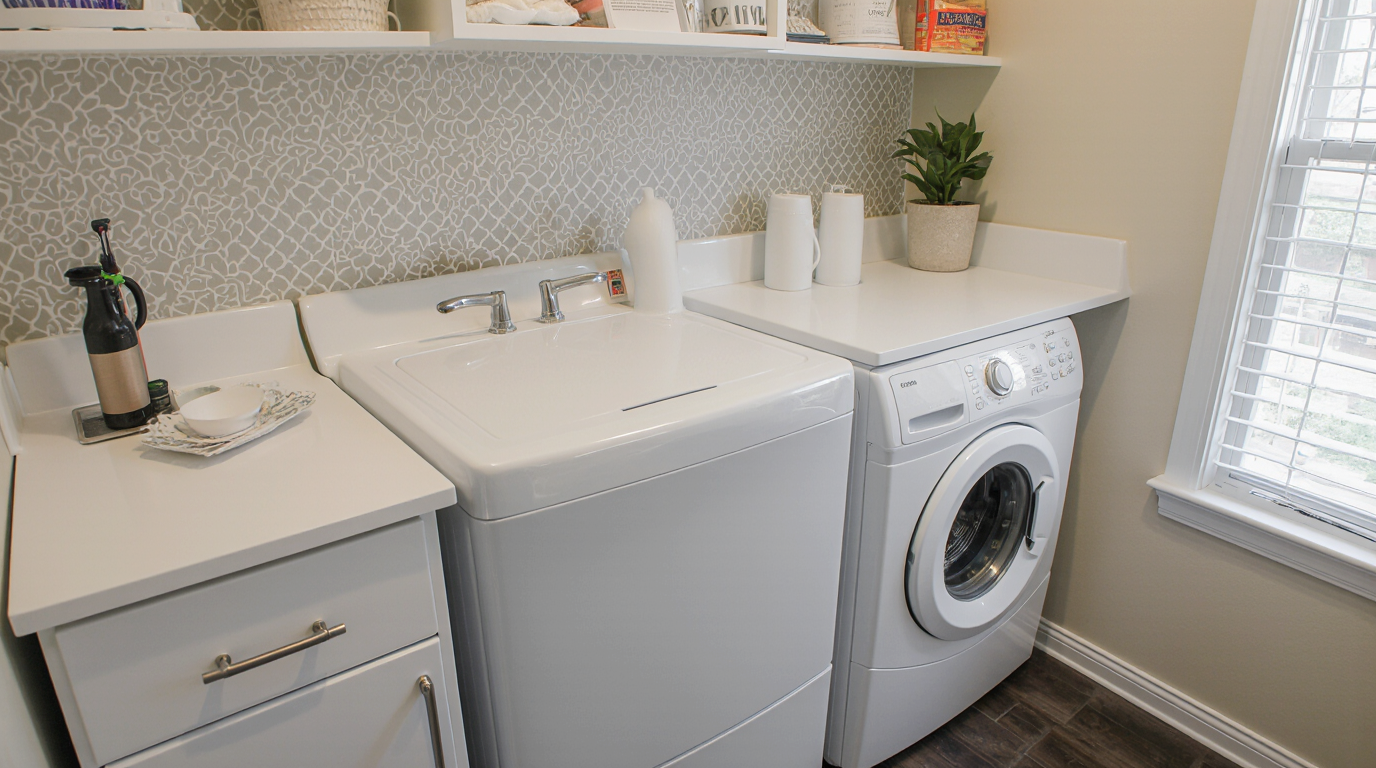
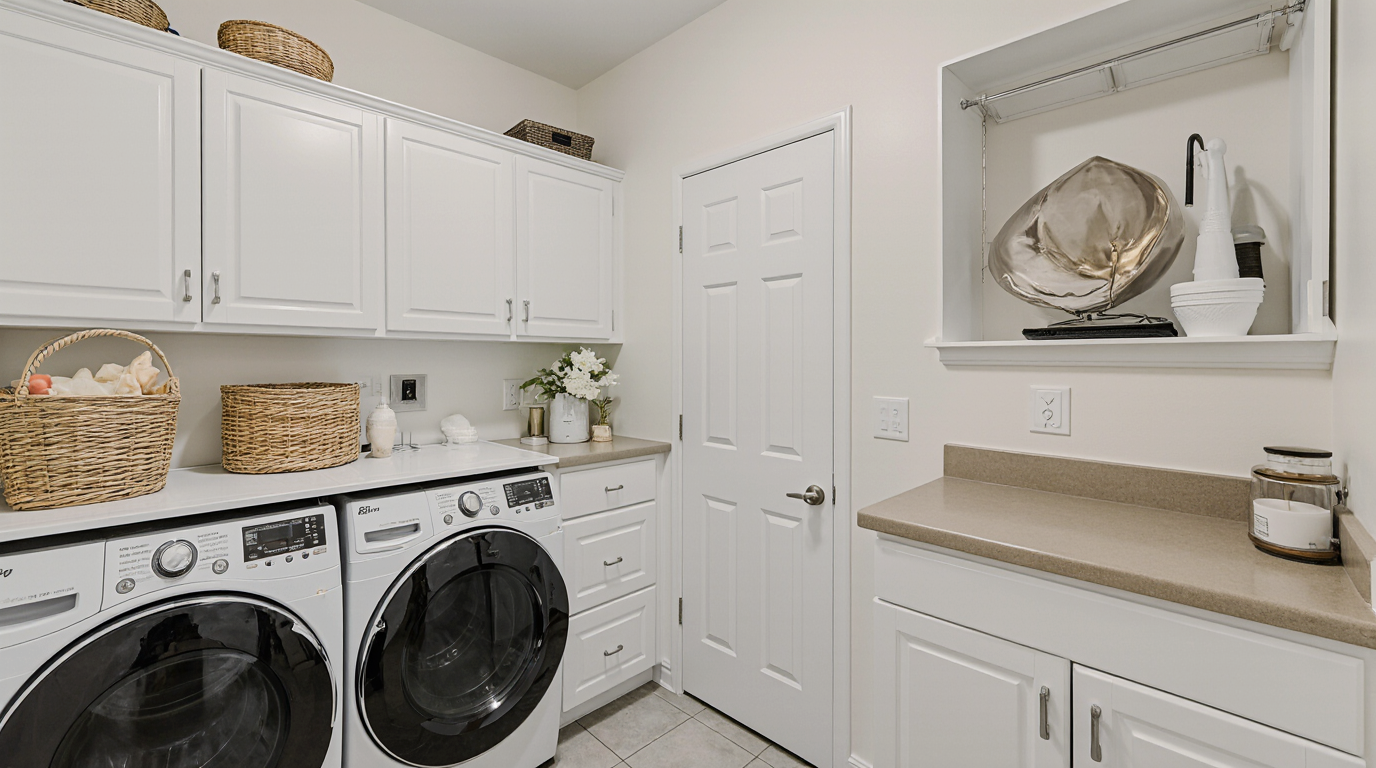
The laundry room, once a forgotten dark corner, is evolving into a efficient and attractive component within the modern home. Integral to this evolution is the countertop, which functions as the main area for the ongoing duties of sorting garments, folding, and addressing spills. Picking the ideal surface compound is a decision that balances sturdiness, upkeep requirements, and aesthetic cohesion. The perfect laundry room countertop must perform like a workhorse, capable of resisting spills, the weight of laundry baskets, and the infrequent warmth from a hand-held steamer or an iron, all while simultaneously contributing to a serene or vibrant atmosphere, depending upon your personal style. This is the point where aesthetics blend with the reality of domestic utility.
When examining potential options, man-made quartz often stands out as a prime contender for the astute homeowner. This material's renown is built upon its quality as a non-porous surface, which results in excellent anti-stain properties—a truly essential characteristic when dealing with common laundry chemicals, or strong detergents. As opposed to some stone options, many quartz countertops do not require periodic sealing, offering a major advantage in the realm of low-maintenance living. This cleverly engineered material can convincingly mimic the delicate patterns of marble or the granular texture of granite, offering a upscale aesthetic without the maintenance headache of complex upkeep. A key caveat, a critical point of caution for quartz is its vulnerability from extreme heat; though durable, placing a scorching iron directly on the surface for an long time could potentially compromise the resin binders, which could result in burning or color change. Experienced designers often recommend utilizing a heat-resistant pad, even on the most durable quartz, to help ensure its long lifespan.
For those homeowners seeking real organic warmth and a more approachable price point, laminated hardwood remains a popular selection, especially prominent in farmhouse style design schemes. The inherent grain of materials like hard maple, walnut, or bamboo introduces texture and a cozy vibe that manufactured materials frequently lack. The key challenge here is water avoidance. A properly installed and fastidiously maintained butcher block surface needs consistent treatment of food-safe mineral oil or a tough sealing finish—often marine-grade—to safeguard against warping, swelling, or bacterial growth from water seeping around the sink or from wet laundry. Should you expect a lot of water contact or if you would prefer a truly hassle-free routine, the sealing commitment for wood may very well shift your preference in favor of a stone alternative.
As we move into the realm of high-end durability and classic appeal, granite is an recognized powerhouse. Its natural composition makes it extremely resistant to heat and scratching, firmly establishing it as a truly indestructible surface for heavy-duty use. While the stone offers incredible visual depth, traditional granite necessitates regular sealing to maintain its ability to resist staining, especially from oils or colorful liquid spills common in a utility space. When cost is the primary concern, laminate countertops present a budget-friendly solution. Contemporary laminates now provide an astonishing variety of colors and patterns, even simulating stone or wood convincingly. The major drawback lies in their weakness to scratching and water infiltration at the seams or cut edges, which may cause bubbling or delamination over a period of time, thereby making them a less than ideal choice for areas experiencing intense wear or constant humidity.
Exploring innovative and on-trend options, solid surface materials—like those made from acrylic compounds—offer a unbroken look with non-porous qualities akin to quartz. These surfaces are usually repaired more easily than stone if they develop, making them a highly sensible choice for high-use areas. Moreover, the creative idea of mixed materials is gaining traction, in which a main durable surface like quartz works well with a secondary wood section situated the sink for a softer feel, or a distinctive material like epoxy coating is applied over a substrate to produce a one-of-a-kind, artistic finish that is both durable and visually impactful.
Configuration and workflow optimization must inform your material choice. For smaller spaces, installing a floating countertop directly above front-loading washers and dryers at once utilizes vertical real estate, effectively changing the machine tops into a dedicated folding station. In these specific scenarios, the countertop must be engineered to withstand potential machine vibrations, often requiring side supports attached to the adjacent cabinetry or walls rather than relying solely on the appliances for stability. On the flip side, laundry rooms with more square footage are enhanced greatly from the addition of a central island. This island, topped with a hard-wearing like stainless steel for a industrial feel or quartz for a immaculate look, instantly becomes the multi-functional hub for gift wrapping or detailed stain removal, thereby significantly enhancing the room's overall utility. Ultimately, the ideal laundry room countertop acts as the connecting point between practical need and personal retreat, mirroring thoughtful design decisions that support the household's rhythm and routine.