Laundry Closet Makeover: Advanced Strategies for Style and Practicality
Turning a laundry room closet into a highly functional yet visually appealing area is a meticulous process involving inventive storage ideas and thoughtful design principles. Optimizing a laundry closet enhances workflow while transforming routine chores into a more enjoyable and organized experience. Small or large, every laundry closet benefits from a design approach that merges practicality with a refined aesthetic. One of the key principles in modern laundry room closet design is optimizing vertical space. Installing full-height cabinets provides room for open shelving, concealed storage, and hanging racks, keeping essentials organized and within reach. Flexible shelving ensures your laundry closet can adapt dynamically to storage requirements, including bulky appliances, seasonal fabrics, or specialized cleaning items.
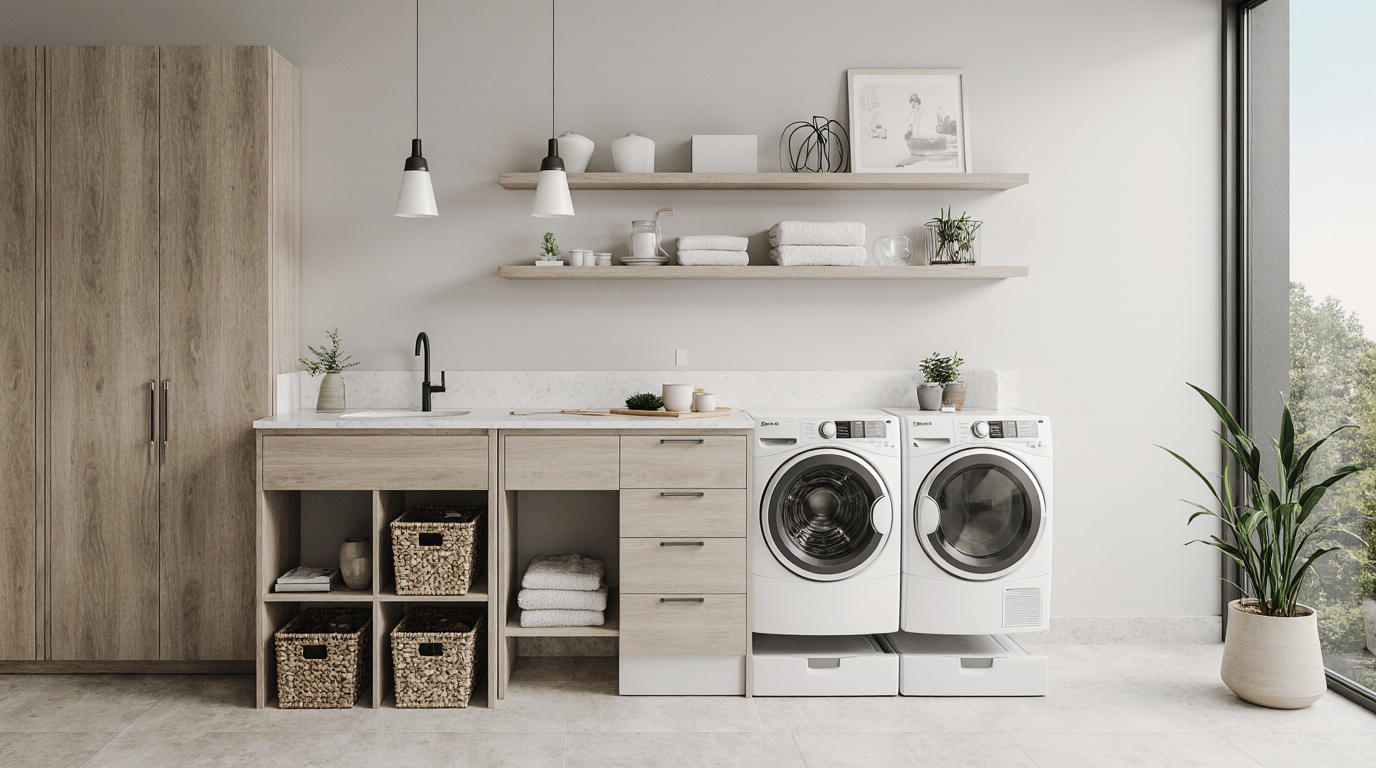
Strategically arranging a laundry closet can dramatically enhance its functionality. For instance, positioning the washer and dryer side by side creates a continuous work surface, ideal for folding clothes immediately after washing. On the other hand, stacking appliances is a smart solution for tight spaces, freeing up room for additional cabinetry or a built-in ironing station. Experts frequently advise hidden laundry hampers to streamline workflow and minimize visible clutter. These hidden compartments not only keep dirty laundry organized but also maintain a clean, uncluttered appearance. Custom cabinetry can be tailored to the exact dimensions of your appliances, ensuring every inch of the closet is utilized effectively without wasted space.
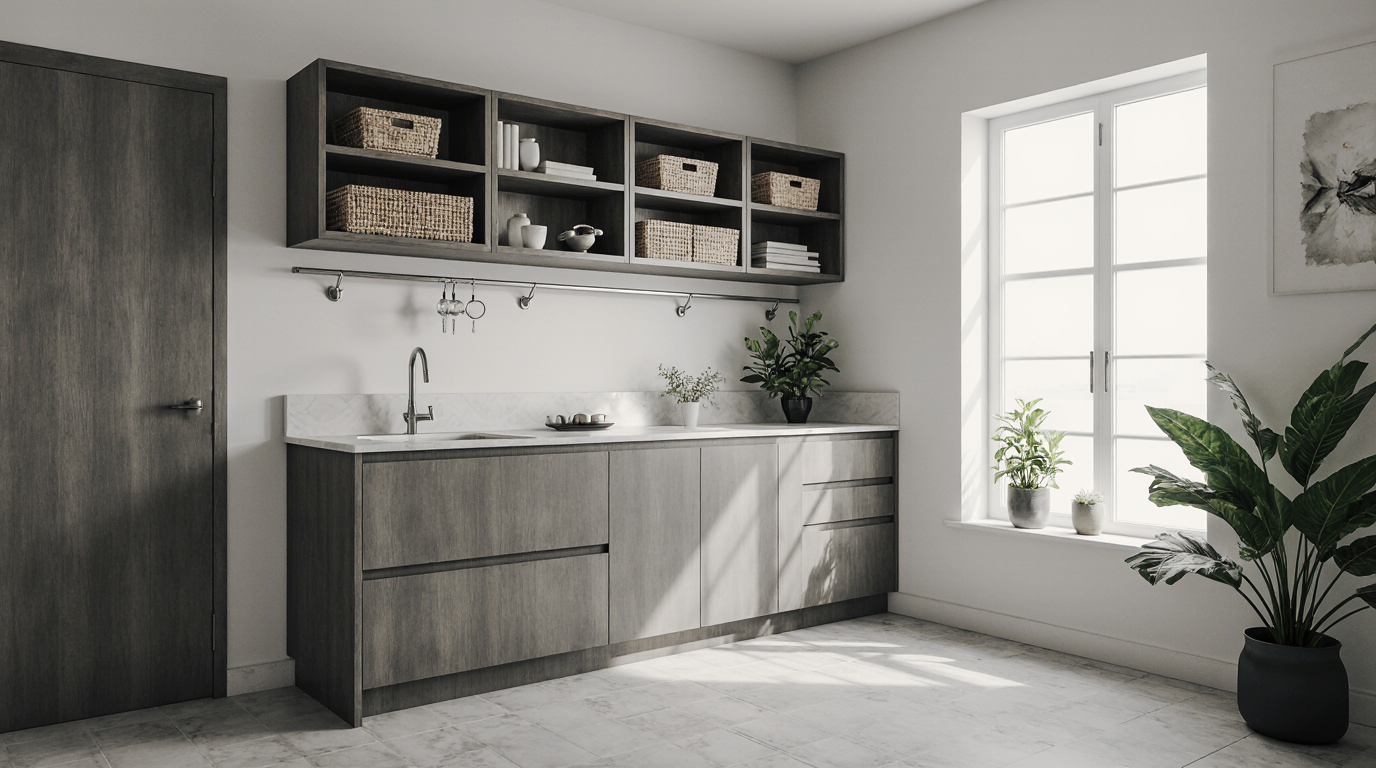
Adding a multi-use surface above appliances provides practical workspace and design cohesion. A durable surface above the washer and dryer can serve as a folding station, a temporary workspace for treating stains, or even a spot for sorting laundry into categories. Materials like quartz or laminate are particularly recommended for their resistance to moisture and stains, ensuring longevity even in a high-use environment. Countertop sinks enhance functionality, providing convenient washing and pre-treatment zones for a variety of fabrics. Effective lighting solutions transform the laundry closet, highlighting design elements while improving task efficiency. LED lighting accentuates workspaces, ensures no corner is overlooked, and elevates the aesthetic of cabinets and countertops.
Implementing inventive storage strategies enhances usability and elevates design. Adjustable rods facilitate immediate hanging, preserving the shape of delicate fabrics post-wash. Transparent storage containers simplify access and inventory management. Sliding or folding panels hide mess without disrupting the aesthetic flow. Compact areas gain functionality through concealed storage, magnetic organizers, and versatile hooks. Professional bathroom designers often suggest using a combination of open and closed storage to balance accessibility with a polished aesthetic, ensuring the space remains orderly without feeling sterile or overly utilitarian.
Choosing colors and materials strategically enhances both style and practicality. Balancing light and dark tones can simultaneously open up the room and introduce a sophisticated atmosphere. Protective finishes guard against humidity-related issues, extending the life of cabinetry. Textural elements bring warmth and continuity between rooms. Tiles, patterned floors, or accent walls contribute style without compromising workspace usability. Hardware choices tie together visual themes and add subtle sophistication.
Efficient laundry room closet design also considers the workflow and ergonomics of the space. Installing sliding drawers at waist level prevents unnecessary bending, while adjustable shelving ensures items are always within easy reach. Folding stations positioned near the appliances reduce steps and increase productivity, turning laundry tasks into a more manageable routine. Concealed ironing boards optimize space and keep the closet sleek. Ventilation is another critical factor; a properly ventilated closet prevents moisture buildup, protects cabinetry, and reduces odors, keeping the area fresh and hygienic. Subtle airflow solutions integrate seamlessly into the closet design, ensuring freshness and durability.
Smart systems streamline laundry processes while enhancing convenience. Smart laundry units provide control, customization, and convenience via mobile interfaces. Automation in lighting and water control improves efficiency and ease of use. Some homeowners incorporate smart storage solutions, such as labeled bins or automated dispensers for detergent and softeners, ensuring every item has its designated place and simplifying daily routines. Combining these technological innovations with customized cabinetry and layout planning results in a laundry closet that is efficient, modern, and tailored to the specific needs of the household.
Achieving cohesion with surrounding spaces involves strategic design choices and material selection. Careful alignment of textures, colors, and styles preserves a consistent interior flow. Open shelving can display neatly folded towels or decorative storage containers, while closed cabinets conceal bulkier or less attractive items. Reflective surfaces enhance brightness and expand perceived dimensions. Waterproof, durable flooring materials support daily use and maintain aesthetic consistency.
Strategic design converts laundry chores into an orderly, enjoyable, and practical experience. Integrated design elements ensure the closet is efficient, user-friendly, and stylish. Smart utilization of height, multi-use surfaces, concealed storage, and task lighting guarantees function meets aesthetics. Tech integration combined with thoughtful finishes enhances usability and design quality. This approach results in a laundry room closet that maximizes space, enhances workflow, and provides a visually cohesive and sophisticated environment, transforming the everyday chore of laundry into a streamlined, enjoyable experience.