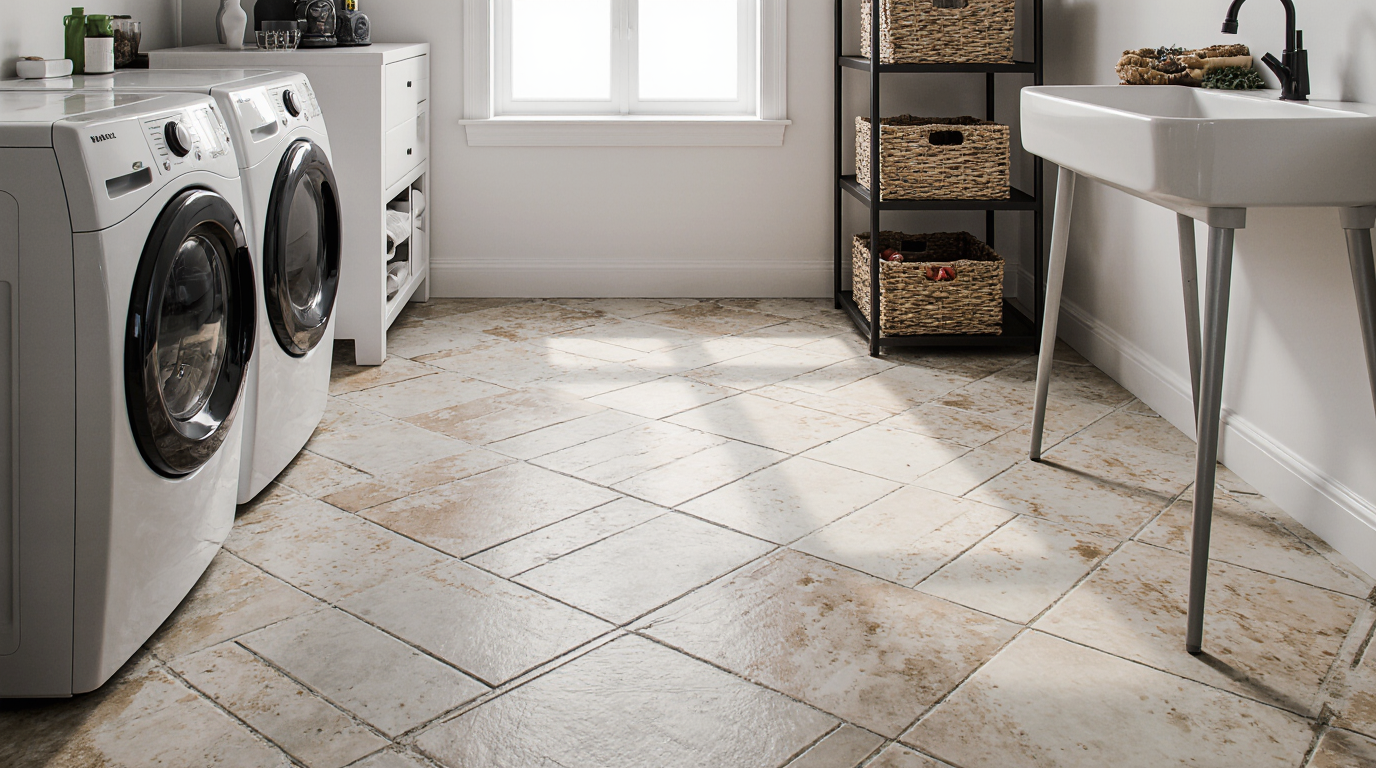
The contemporary laundry room has evolved beyond being simply a utilitarian closet; it is an seamless extension of the home, a space deserving of visual consideration the same as that of a kitchen or bathroom. Central to achieving this improved status is the flooring. The tiling selection must execute a vital dual role, mastering both superior functionality—tolerating moisture, vibration, and the weight of major appliances—and making a strong visual statement. Selecting the correct tile is perhaps the single most transformative design decision you will take for this vital hardworking space, setting the tone for everything from maintenance schedules to the room’s overall luminosity. The search for the ideal laundry floor demands a focused look at materials celebrated for their imperviousness and their design versatility, ensuring the space remains beautiful and operationally sound for decades.
Porcelain tile is often the pinnacle of consideration for discerning designers. This vitrified ceramic material is kiln-baked at intense heat, resulting in a density and low porosity that renders it practically impermeable—a non-negotiable feature where washing machine overflows and detergent splashes are a reality. Its inherent durability means it can handle being scratched by dropped lint rollers or scuffing from the constant movement of laundry baskets. For SEO impact and design versatility, consider large format porcelain tiles. These expansive pieces drastically reduce the number of grout lines, which are notorious collection points for dirt and water penetration. A floor covered in large format tiles offers a monolithic, uninterrupted look, lending an air of quiet sophistication and making routine cleaning exceedingly easy. Choosing a matte porcelain surface is a smart decision, as it provides superior slip resistance compared to highly polished surfaces, a crucial factor when dealing with wet spills. Furthermore, porcelain now perfectly mimics other high-end materials; you can find wood-look plank porcelain that offers the warmth of natural timber without any of the water damage concerns associated with real wood, or concrete-look porcelain for an industrial-chic foundation that speaks to modern minimalism.
When aiming for an undeniably opulent aesthetic, natural stone tile like slate or honed marble can be specified, though this choice requires a greater commitment to preventative sealing. Slate tiles offer an organic, naturally slip-resistant texture and a deep, moody color palette, perfect for anchoring a rustic or transitional design. Marble, while breathtakingly beautiful with its characteristic veining, is more porous and demands consistent application of penetrating sealers to guard against staining from everyday cleaning chemicals. If the design goal leans toward timeless sophistication, ceramic tile remains a reliable workhorse. While not quite as hard as its porcelain cousin, today's premium ceramic options is more than adequate for light-to-moderate use and is often more budget-friendly. A classic subway tile pattern, perhaps executed with a delicate grey or sharp white ceramic, offers a traditional country charm, and can be paired with a bold, unexpected color on the walls for contrast.
For the homeowner seeking pattern, the floor itself can become the primary design element. Encaustic-look porcelain tiles or actual cement tiles offer complex, vintage patterns—such as chevron layouts or striking geometric shapes—that inject tremendous personality. A black-and-white geometric pattern can anchor an area dominated by bright white appliances and cabinetry, ensuring the room doesn't appear overly clinical. For a more delicate surface interest, hexagon tiles are a perennial favorite. Installed in a single color with coordinating grout, they create a subtle, honeycomb texture that catches the light beautifully without feeling too busy. Contrasting grout with a colored hexagon tile, however, will actively highlight the pattern, creating a striking graphic effect that feels old-world yet modern.
The substrate discussion cannot ignore the utility factor of grout. The type and color of the grout significantly impact both maintenance and visual outcome. For a sleek, almost monolithic appearance that simplifies cleaning, a color-matched grout is advisable, as it minimizes the visibility of trapped dirt. However, for highly patterned or light-colored tile installations, a stain-resistant epoxy grout is the gold standard for longevity and stain-proofing, even if it demands a higher initial investment. Remember, even the most water-resistant tile is only as good as its perimeter sealing, so ensuring the tile meets the wall transitions correctly is paramount to moisture management.
Considering the underfoot experience, the hard nature of tile can be a disadvantage, leading to fatigue during folding marathons. This is where radiant in-floor heating can completely change the space from a cold service area into a comfortable sanctuary. Installing this feature beneath a tile floor not only adds a luxurious touch but also assists in quickly drying any minor spills, helping manage humidity levels. Alternatively, the choice between large format tiles and smaller mosaic tiles affects comfort; while mosaics introduce many grout lines, they can offer slightly more natural cushion underfoot than large, solid pieces. The ultimate triumph in laundry room floor design is the successful marriage of material science with intentional aesthetics, resulting in a durable foundation that elevates the entire chore experience.