Laundry Closet Design: Transforming Small Spaces into Functional Elegance
Creating a laundry closet that is both functional and stylish requires careful planning, attention to detail, and a deep understanding of modern bathroom and utility design principles. Although small, these closets hold immense potential, transforming routine chores into streamlined, attractive experiences with intentional design. By harmonizing storage solutions, visual appeal, and ease of use, the laundry closet elevates daily chores into a seamless and satisfying routine.
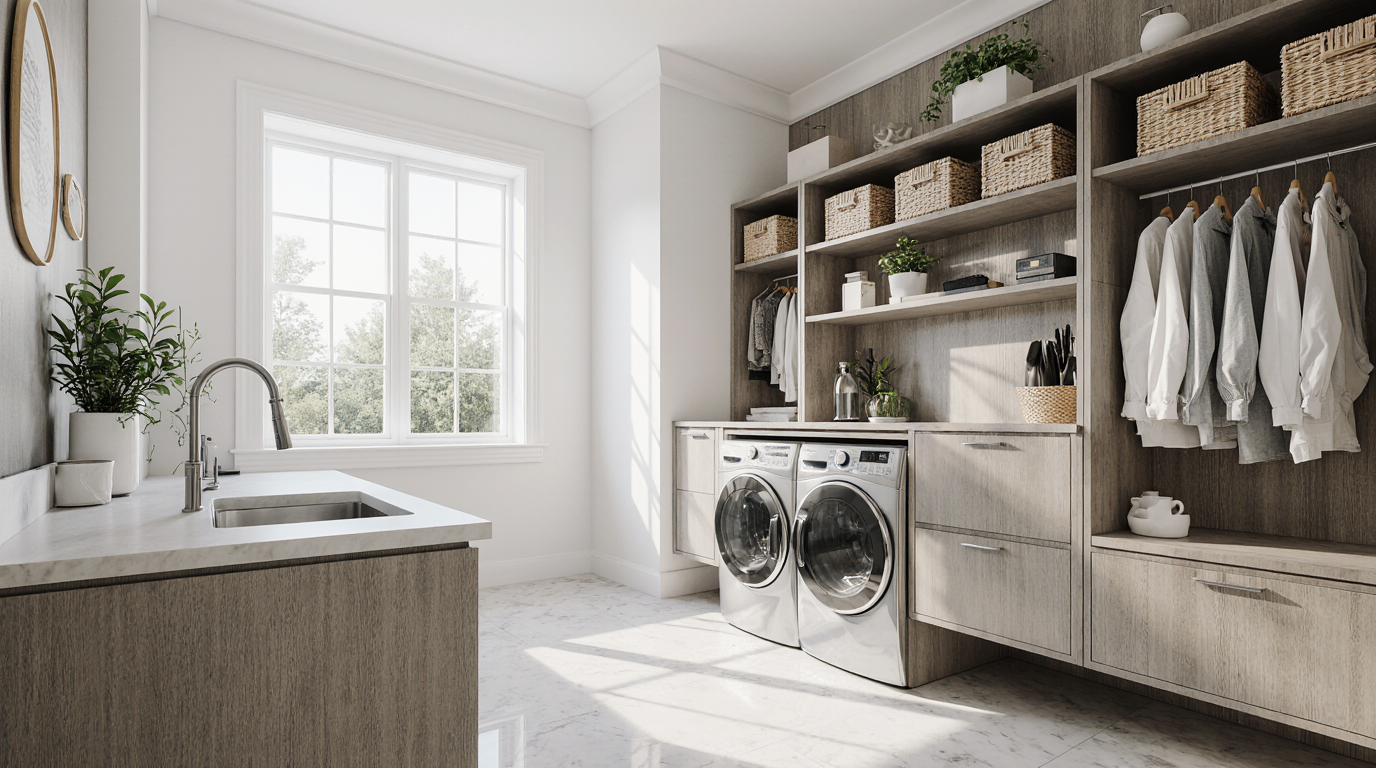
Optimizing limited space stands as a critical factor in creating a successful laundry closet. Compact homes demand inventive solutions to incorporate a complete laundry setup within restricted dimensions. Tailored cabinetry and storage solutions allow homeowners to exploit every available inch efficiently, creating an orderly and highly functional environment. Pull-out shelves, built-in hampers, and vertical storage compartments are essential features that allow homeowners to store detergents, fabric softeners, and laundry accessories neatly while keeping them easily accessible.
Thoughtful lighting selection is central to optimizing usability and enhancing the visual appeal of the space. Adequate light not only improves task efficiency but also elevates the overall atmosphere. Recessed LED lighting or under-cabinet lights can make a small space feel larger, brighter, and more inviting. Task lighting above the countertop or folding area ensures that laundry sorting, folding, and treatment tasks can be performed with precision. In addition, reflective surfaces, such as glass or glossy cabinetry, can amplify light and add a contemporary feel to the space.
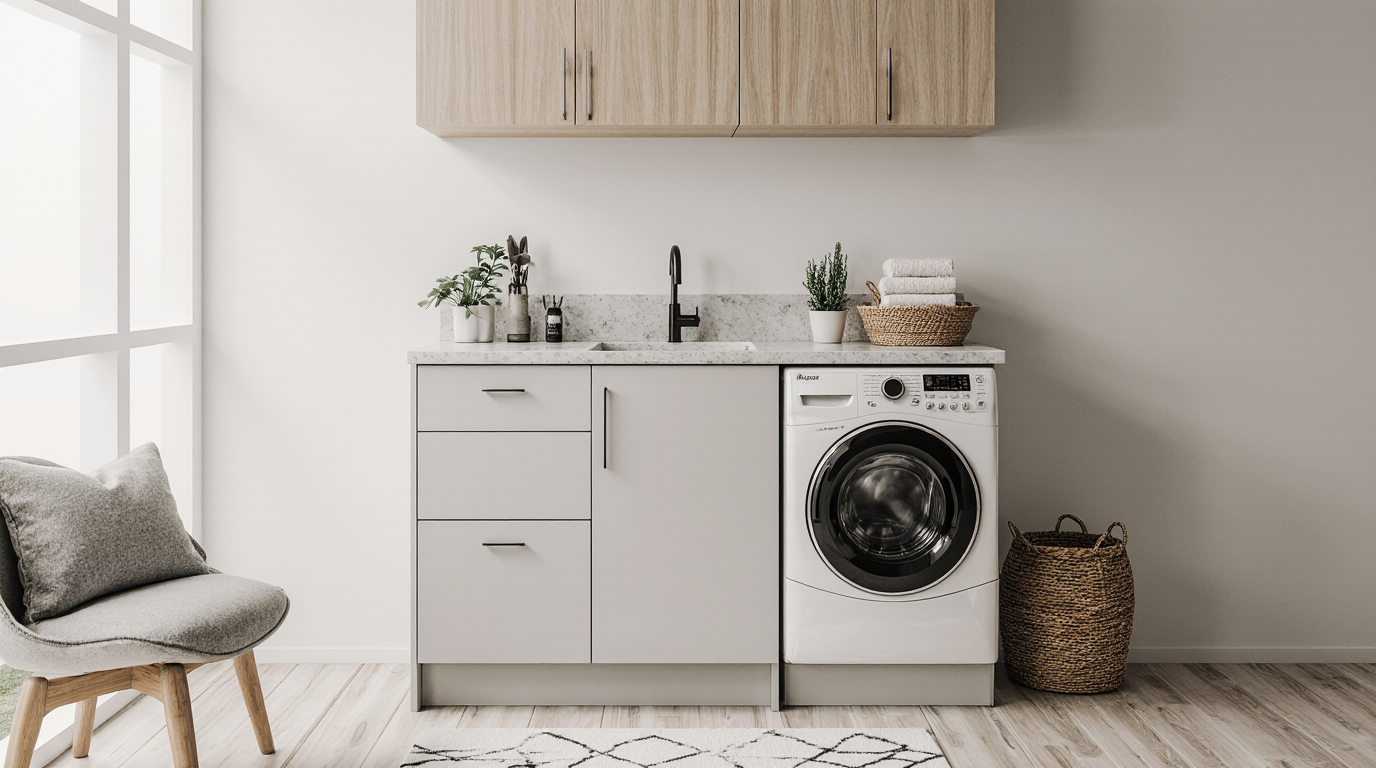
Appliances define both the utility and visual harmony of a laundry closet. Front-loading or stacked machines optimize small spaces and maintain an organized layout. Eco-friendly, low-energy appliances conserve resources and minimize operating costs. High-tech appliances provide features like steam treatments, remote control, and adaptive wash cycles, enhancing user convenience. Integrating appliances into built-in enclosures ensures a neat, cohesive look while saving valuable floor space.
Ventilation is a key factor often overlooked in laundry closet design. Air circulation is crucial to prevent condensation, maintain freshness, and prolong appliance life. High-performance vents or specially designed airflow cabinetry maintain cleanliness and comfort. In some cases, moisture-resistant finishes on walls and cabinetry, such as laminate or waterproof paint, can further protect the space from humidity-related damage. Specialists advocate for integrated airflow and design planning to achieve high functionality in confined spaces.
Designing a dedicated folding station adds functionality and workflow efficiency. Compact solutions like foldable counters or slide-out worktops improve usability. Including a functional workspace streamlines tasks and organizes daily chores. Retractable racks, hanging hooks, and sorting bins boost practicality without cluttering the aesthetic. Careful consideration of ergonomics guarantees comfort in tight spaces.
Storage solutions play a vital role in laundry closet design. Innovative options include sliding baskets, modular shelving, and pull-out drawers that maximize vertical space. Exposed shelves allow decorative organization while providing quick access to laundry items. Minimalist cabinets with hidden handles, soft-close features, and muted finishes combine elegance with practicality. Interior design experts emphasize the importance of harmonizing storage solutions with the overall style of the bathroom or adjacent space to achieve cohesion and sophistication.
Quality finishes and resilient surfaces define a long-lasting and attractive laundry closet. Materials resistant to humidity, stains, and wear extend the lifespan of the closet. Quartz, granite, or composite surfaces provide elegance and practical resilience. Durable cabinet coatings enhance both appearance and long-term usability. Low-maintenance, resilient finishes sustain the closet’s aesthetic and utility over the years.
Incorporating technology can elevate a laundry closet from practical to luxurious. Automation, sensor-driven features, and connected devices optimize workflow and usability. Space-saving tech features allow for ironing and steaming within the closet itself. These features not only improve functionality but also create a seamless integration of modern lifestyle needs into the design. Experts often stress technology’s impact in enhancing compact laundry areas.
Visual appeal is equally important as utility in small laundry spaces. Practicality can coexist with beauty through careful selection of hues, materials, and decorative touches. Light, neutral tones can make the area feel more spacious, while accent tiles, stylish handles, or decorative baskets can introduce personality and warmth. Marrying style with purpose guarantees both efficiency and visual pleasure.
Customizable layouts ensure that the closet meets unique household requirements. Laundry needs vary by household, demanding tailored solutions. Tailoring cabinetry, appliance placement, and storage solutions to meet these specific needs ensures optimal performance and long-term satisfaction. Flexible, modular systems accommodate growth, equipment updates, or workflow changes. Specialists emphasize bespoke solutions for maximum usability and elegance.
Investing in a meticulously planned laundry closet can dramatically improve daily routines while enhancing the overall appeal of a home. Integrated planning, sturdy surfaces, contemporary machines, and design details yield a refined, high-functioning space. From tiny corners to larger alcoves, careful design transforms the closet into a hub of organized, attractive activity. Design precision, professional insight, and methodical planning allow even small laundry closets to achieve remarkable efficiency and style.