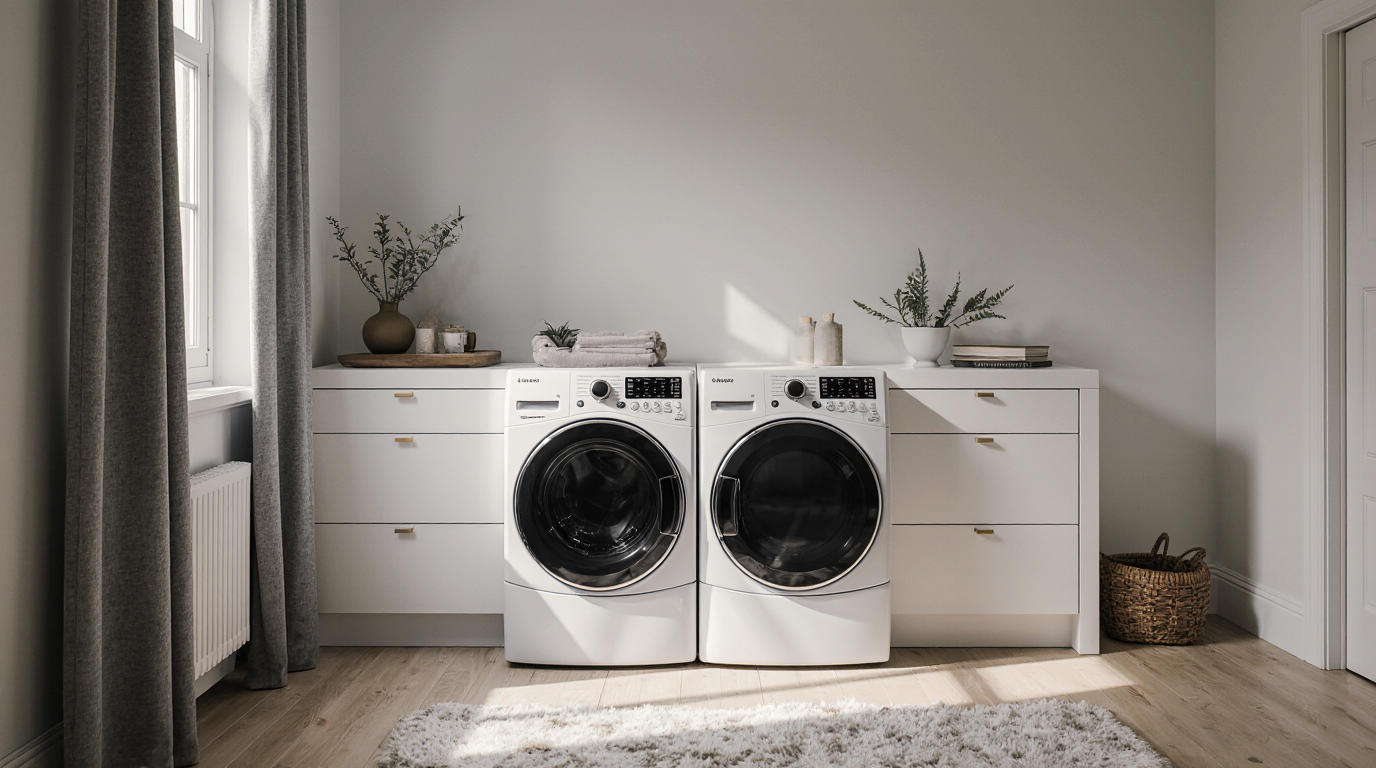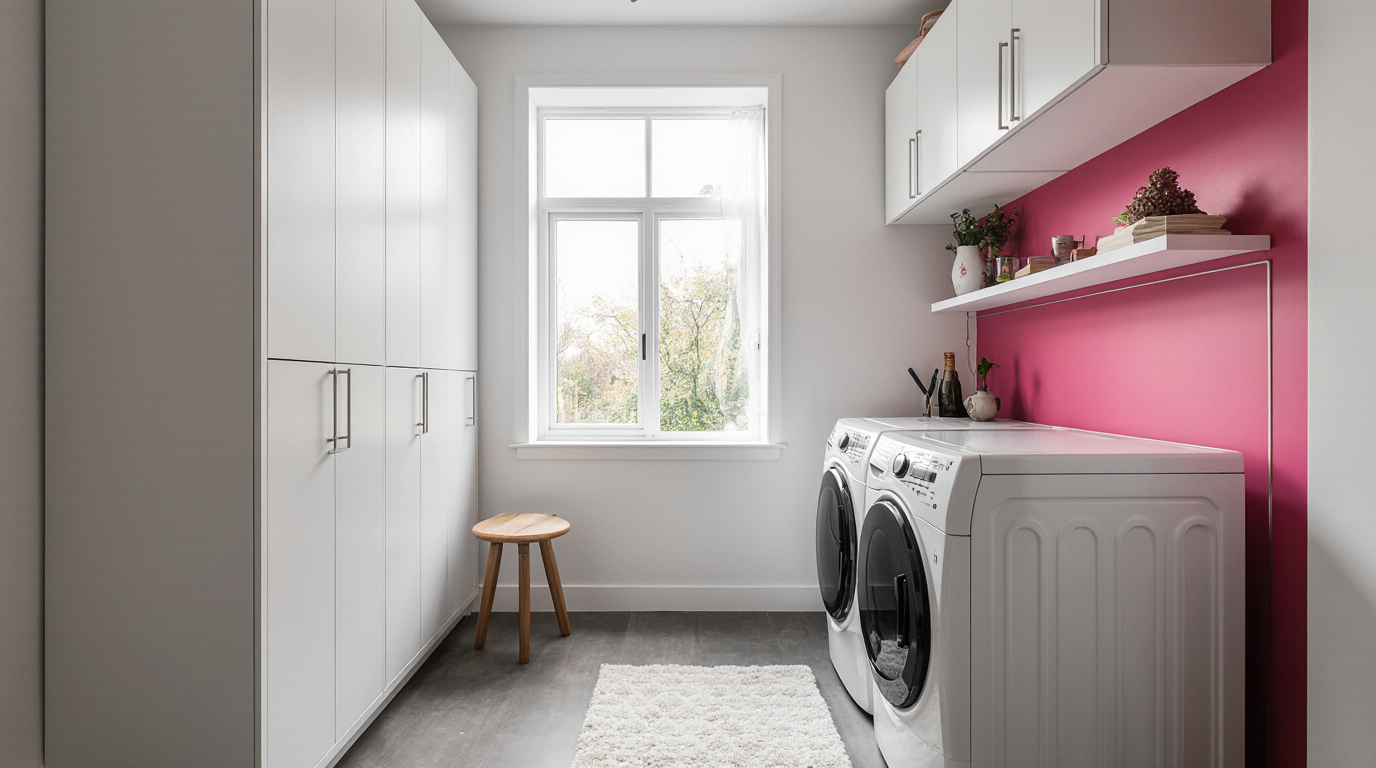
The latest laundry space is undergoing a remarkable metamorphosis, evolving from a utilitarian afterthought into a meticulously designed, multifunctional hub of streamlined living and personal well-being. No longer are we confined when this space was shoved into a gloomy, damp corner of the basement. Current trends integrate visual appeal and human-centered design to establish an environment where even the most tedious tasks are experienced as harmonious. Making this shift a reality requires a close look at tailored storage, advanced tech solutions, and a focus to sustainable material sourcing.
A cornerstone of superior laundry design is defined by workflow optimization. This is much more than about where the machines sit; it is about the complete process of a garment, from laundry pile to put-away readiness. Human engineering is key. A design flaw to avoid is the standard height of conventional countertops. In modern plans, we recommend counters set at a personalized waist level, often near 36 inches or even 1000 millimeters for those with greater stature, alleviating musculoskeletal strain associated with prolonged bending over folding surfaces. Furthermore, front-loading appliances should be lifted onto integrated joinery units, raising the drum opening to a convenient reach, eliminating the tiring, taxing crouch. The intentional layout of appliances should also ensure an open pathway—if implementing a two-wall plan, ensure doors swing clear of the central zone to maintain access and safety hazards during load transfer.
Intelligent storage solutions separate the experience between mess and order in a well-designed laundry. Modular storage systems are a rising trend for their versatility, empowering homeowners to change shelving as requirements evolve. We strongly support the use of concealed sorting bins or integrated sorting drawers directly beneath the countertop or flanking the machines. These systems, often equipped with distinct compartments for whites, colors, and delicates, simplify the pre-wash process and banish the eyesore of overflowing plastic bins. Vertical storage is crucial strategy in getting the most out of smaller footprints. Utilizing the space between the wall units and the ceiling with a uppermost section of fully enclosed cabinets tucks away infrequently used supplies like seasonal cleaning agents out of sight. For daily essentials—detergents, dryer balls, stain removers—natural wood supports provide accessible storage while introducing a layer of visual warmth, often in materials like raw white oak or walnut to complement contemporary palettes. For items that must air dry, look into using a retractable drying rack that disappears completely against the wall or ceiling when not in use, preventing the annoyance of a clunky, fixed rack.
The choice of designer fittings and fixtures transforms the room from functional to luxury utility. Think beyond standard chrome. The introduction of various metal finishes on cabinetry and faucets lends a refined, polished feel. Oversized farmhouse sinks, perhaps executed in durable materials like non-porous material rather than classic white clay, provide plenty of room for pre-soaking or hand-washing without soaking the surrounding surfaces. When selecting the wash basin, ensure it is sufficiently large but without forcing it makes people bend over too far to reach the bottom—sometimes a basin placed on the counter surface is more comfortable to a deeply recessed one.
Illumination planning is an element often undervalued but essential for both task efficacy and ambiance. A lone ceiling light is simply inadequate. A well-lit laundry incorporates layered lighting: general brightness from flush-mounted pot lights, focused illumination installed right below wall cabinets to eliminate shadows without shadow, and where appropriate decorative sconce lighting to create a refined look. The light quality is a key consideration; choosing a neutral to slightly warm white light (a daylight spectrum) allows that clothing colors are not distorted.
The latest palettes favor serene, nature-inspired tones that promote calm. Soft indigos, muted emeralds, and deep terra-cottas are taking the place of stark white or clinical gray. These colors work exceptionally well when set against the natural texture of hardwood flooring, a finish selection that brings a cozy atmosphere and a sense of home, though adequate sealing is critical for humidity control. A statement wall covering, featuring a detailed design or a textured array, draws the eye, providing visual interest in an otherwise practical space.
For true smart integration, expand your view past the appliances themselves. Consider incorporating Wi-Fi-enabled ventilation systems that sense and control dampness, making sure mold and mildew are proactively managed. The appliances ought to include advanced textile recognition capabilities that automatically fine-tune water levels and cycle times, aiding in conservation in household resources—a nod to sustainable living within the home.
The best-in-class designs combine utility with lifestyle. The laundry-mudroom hybrid is a top choice, in scenarios where or where functional overlap is beneficial. This demands clear separation: a bench for removing boots, durable, moisture-resistant tiles, strong pegs for coats and bags, and integrated storage for maintenance items and pet needs. Even without a mudroom function, incorporating a small, well-lit desk or a folding table permits multiple uses, making the most of every square foot. The crowning element involves personalization: hanging a favorite print, a comfortable low-pile rug, or selecting houseplants that thrive in moderate humidity, such as a Spider Plant or Fern, instantly changes the room's perceived purpose from a chore zone to a personalized retreat. This all-encompassing philosophy ensures the laundry room is not just efficient, but an inspirational domestic space.