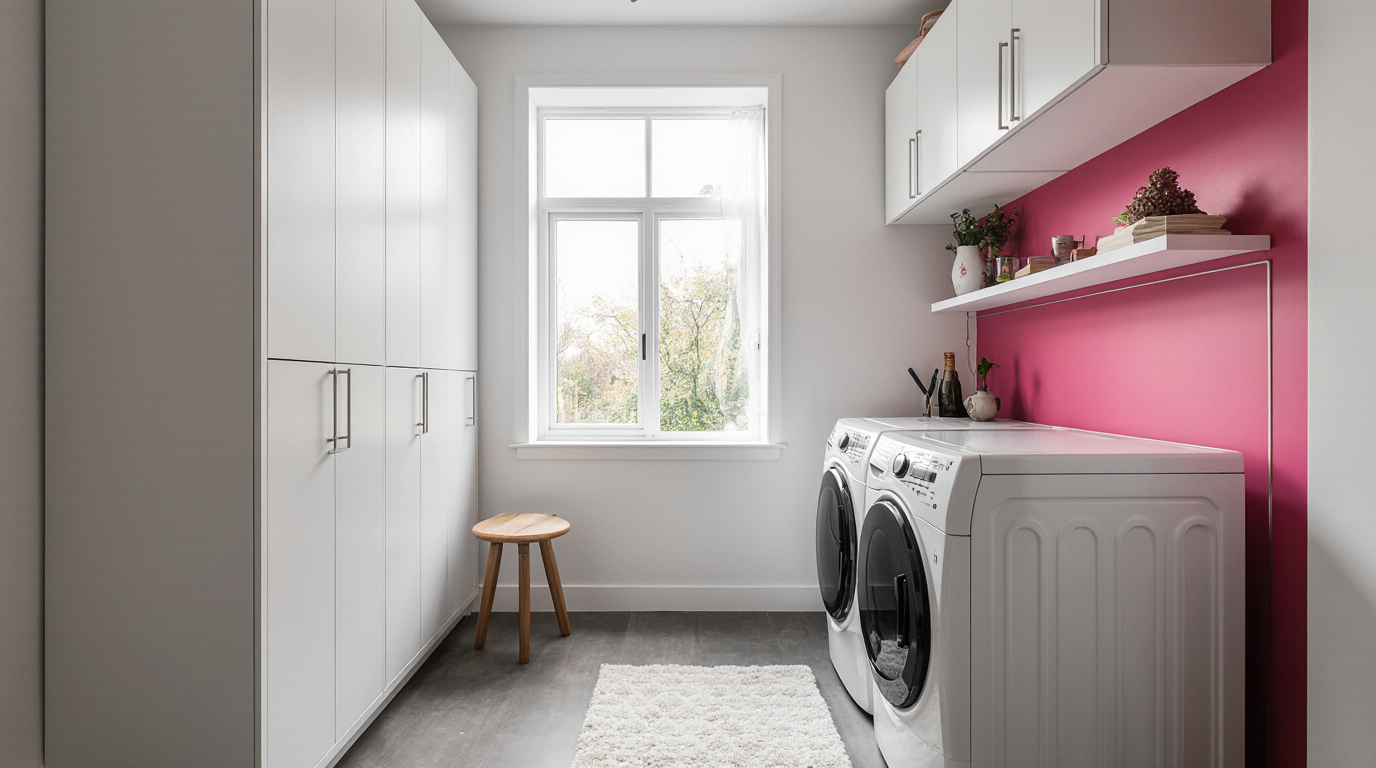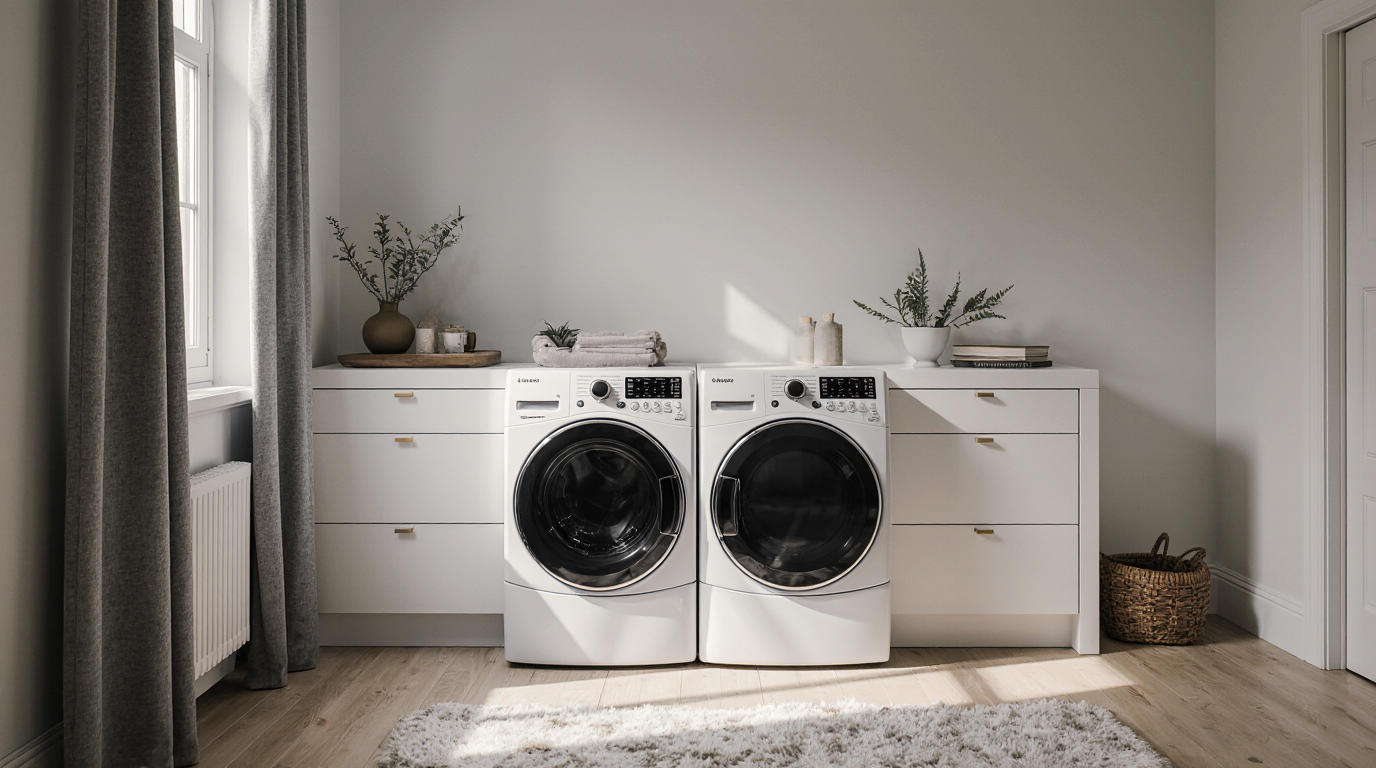
The modern utility space has become much more than a mere chore spot; it is decisively not just a small, noisy corner housing basic washers and dryers. Today, it stands as a vital hub of the modern home, a room requiring careful structural consideration and high-level aesthetic refinement. Creating a truly elegant laundry space means harmonizing peak functionality with premium design elements, making a routine chore feel like a genuinely enjoyable activity. This shift requires careful initial conceptualization, focused on the basics of efficient spatial layout and the thoughtful specification of durable, beautiful components.
A key distinguishing factor between a basic utility room and a truly refined one is the commitment to custom cabinetry. Forget flimsy, off-the-shelf shelving; an elite wash space boasts full-height storage solutions crafted from high-quality hardwoods or robust, specialized engineered wood with designer paint or veneer treatments. Imagine substantial, classic recessed panel doors, clever built-in laundry baskets that keep clothing out of sight, and thoughtfully compartmentalized storage for laundry essentials and garment care items in an tidy, protected configuration. The metal fixtures are vital for expressing the room's high value; specifying high-end accents in chrome, pewter, or oil-rubbed bronze adds an immediate layer of sophistication and richness.
The countertop selection is another area where practicality intersects with visual appeal. Although a laminated surface is budget-friendly, genuine luxury demands a solid material such as engineered stone, natural slate, or polished concrete, provided they are properly sealed against potential water damage. These surfaces offer durability, are simple to maintain, and create a broad, seamless area ideal for garment preparation—a crucial element for comfortable workflow. A deep, under-mount utility sink, perhaps featuring a high-arc, commercial-style faucet in a harmonizing metallic accent, contributes to a sense of competent design while ensuring a tidy, unencumbered appearance.
Lighting design is frequently underestimated but is essential for task performance and mood creation. A high-end utility space implements more than just a solitary, basic ceiling fixture. Rather, the design employs a combination of light sources. This usually starts with powerful, color-accurate recessed ceiling lights to ensure true color representation when sorting whites and colors. This is enhanced with subtle linear task lighting placed beneath the upper units to brighten the key working plane uniformly, preventing dark spots. For a touch of visual drama, think about suspending an elegant mini-chandelier over the utility area, making it a focal point of the design.
The choice of flooring dictates much of the room's overall feel. While practical considerations like water resistance are paramount, the design potential must be fully realized. Broad, expansive man-made tiles simulating marble veining or reclaimed timber, usually utilizing low-porosity, high-density construction, offer a clean, continuous flow across the floor. To infuse the space with a distinct, hand-finished quality, graphic encaustic tiles can introduce an eye-catching geometric or Moorish style that makes the floor a memorable design feature. The grout lines should be minimal or color-matched to the tile to support the seamless effect.
Appliance integration is where modern design truly shines. Moving away from the look of bulky, standalone units, opt to surround them with bespoke cabinetry for a refined, tailored look. If space planning is a priority, consider stacking high-efficiency units if space is a constraint, or selecting contemporary, eye-level models installed in a linear formation. The movement towards Wi-Fi connected machines featuring remote settings and usage trackers contributes not only to convenience but also to a more technologically advanced, curated environment.
Utilize the upward dimension to boost capacity. Going further than conventional overhead units, include a space-saving retractable clothesline system and is hidden completely when its function is complete. Dedicated hanging rods beneath upper cabinets facilitate the quick transfer of pressed or delicate garments, cutting down on necessary post-laundry finishing work—a major boost to task efficiency. For minor essentials, built-in compartments for lost socks, fabric softener sheets, and clips provide the ultimate touch of systematic arrangement.
The atmosphere of an elegant laundry room should promote a sense of calm, not chaos. This is established by a careful and intentional scheme of hues. Warm neutrals, soft grays, muted blues, or deep charcoal tones provide a backdrop of understated luxury. Accents can be introduced through textiles, such as a woven floor mat featuring an attractive print from a resilient, flat-weave fabric, or through the placement of sculptural containers crafted from organic materials such as rattan or jute. These components visually smooth the sharp angles of the equipment and storage units, adding textural depth and a touch of spa-like tranquility.
It is vital to incorporate small features that express individuality and embrace its function without being overtly utilitarian. A small, built-in ironing station that slides out from a narrow cabinet or a niche for the vertical fabric refresher with appropriate air circulation demonstrates a focus on comprehensive functionality. The inclusion of small, beautiful objects—a sculptural accessory, an essential oil infuser, or a miniature potted plant—indicates that the space has been styled with the same care as the main residential zones. This holistic approach, which merges functional engineering with high-level finishing, is the blueprint for creating a truly unforgettable and elegant laundry room that contributes significantly to the overall value of the home.