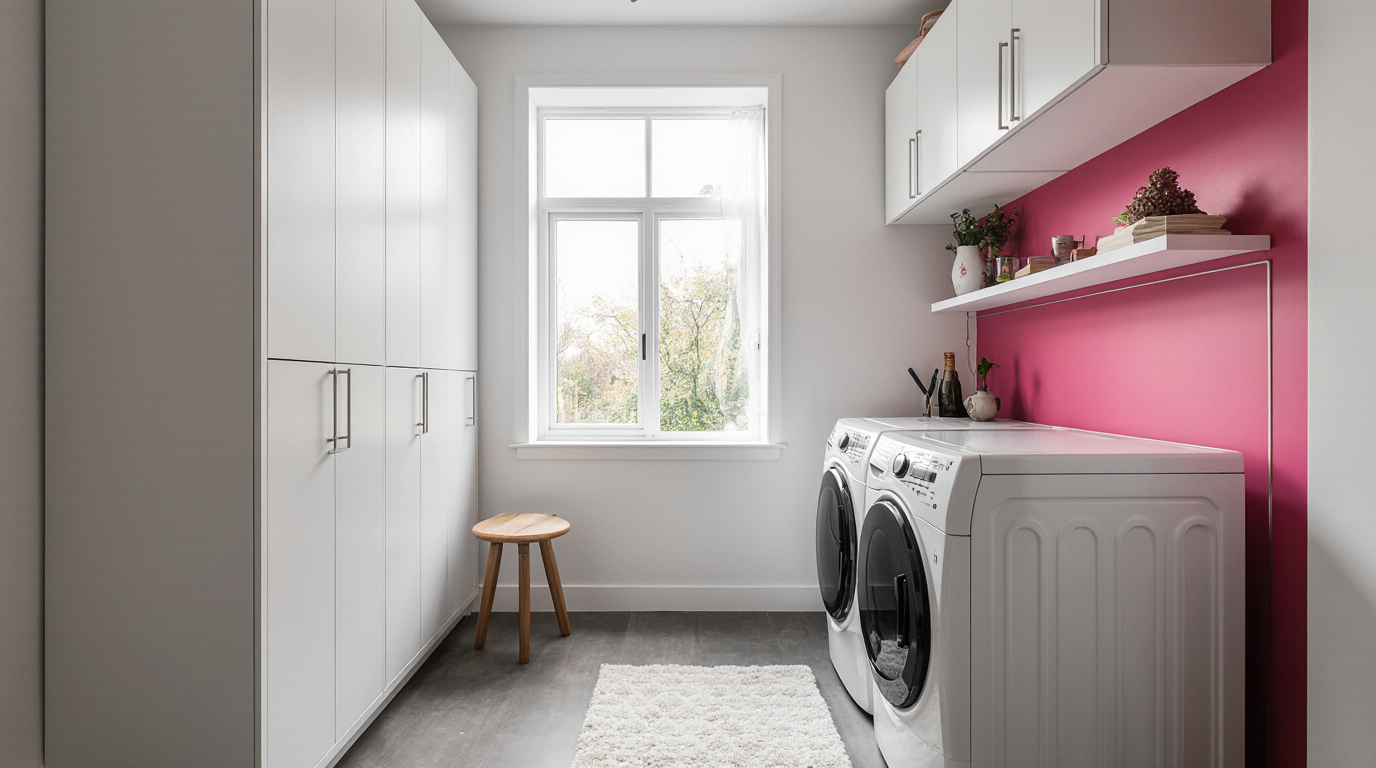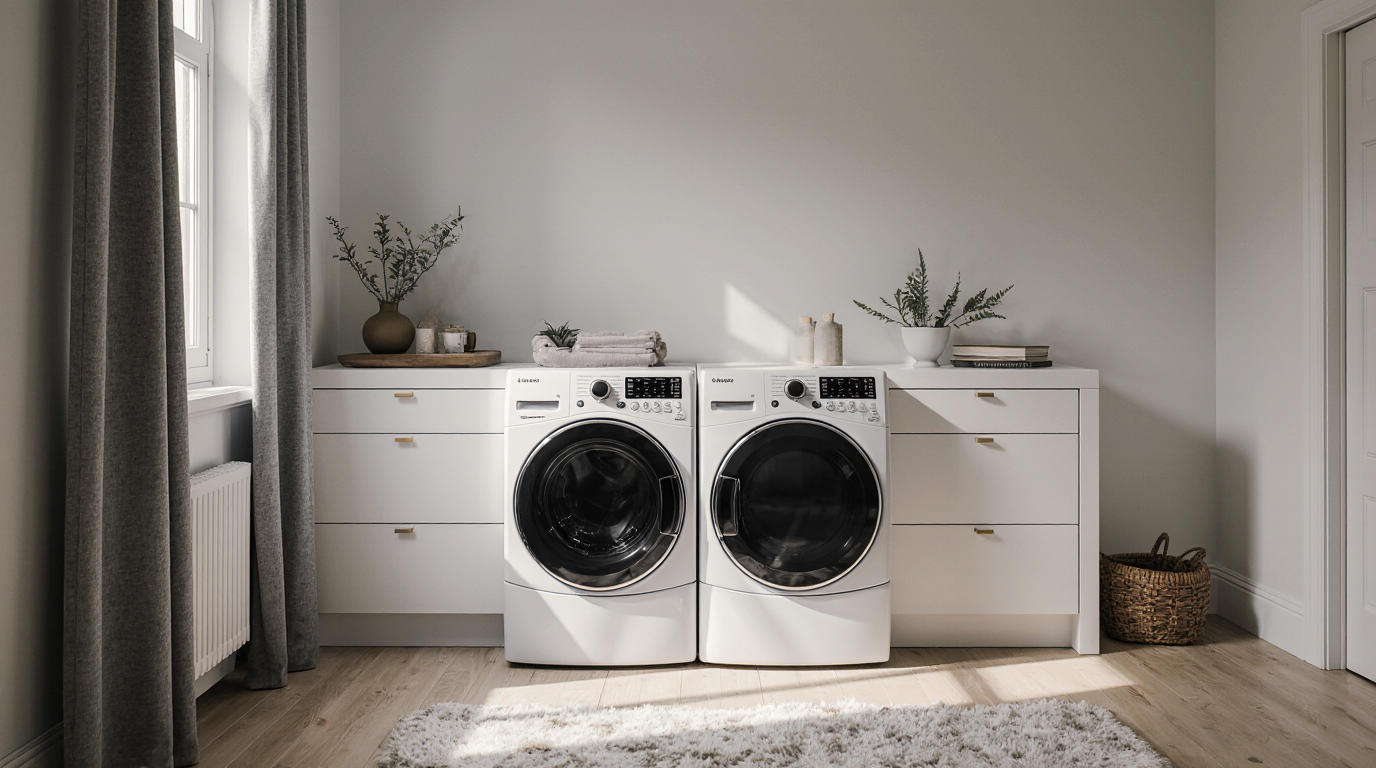
The contemporary laundry room has developed into a dedicated design statement; it is no longer merely a cramped closet housing standard machinery. Today, it stands as a vital hub of the modern home, a zone that calls for meticulous design harmony and sophisticated interior design. The goal for an upscale laundry area involves fusing ergonomic efficiency with luxurious visual appeal, turning a necessary task into a surprisingly pleasant experience. This transformation hinges on meticulous planning, focused on the basics of efficient spatial layout and the thoughtful specification of durable, beautiful components.
One of the primary differentiators between a basic utility room and a truly refined one is the dedication to bespoke millwork. Move beyond standard, mass-produced cabinets; an elite wash space boasts full-height storage solutions crafted from premium solid woods or resilient, water-safe composite material with refined exterior coatings. Consider clean-lined, contemporary flat-panel fronts, discreet, ventilated drawers designed to hide used textiles, and specialized drawers designed to hold detergents, stain removers, and ironing accessories in an organized, dust-free manner. The selection of knobs and pulls is instrumental in defining opulence; choosing sleek finishes like aged bronze, satin brass, or dark iron handles immediately enhances the overall aesthetic and perceived quality.
The countertop selection is another area where practicality intersects with visual appeal. Despite the low cost of composite tops, real refinement requires natural or engineered stone such as engineered stone, natural slate, or polished concrete, provided they are properly sealed against potential water damage. Solid tops provide excellent resilience, are effortless to wipe down, and provide an expansive, uninterrupted plane for folding clothes—a key component of ergonomic design. A deep, under-mount utility sink, often paired with an industrial-inspired, gooseneck tap in a matching hardware tone, brings an element of high-functioning utility while maintaining a clean, streamlined look.
Lighting design is frequently underestimated but is essential for task performance and mood creation. A truly elegant laundry room moves beyond a single, harsh overhead bulb. Rather, the design employs a combination of light sources. This usually starts with powerful, color-accurate recessed ceiling lights to facilitate accurate visual inspection of fabrics and stains. This is supplemented by under-cabinet LED strip lighting to brighten the key working plane uniformly, removing visual obstructions. For a moment of aesthetic interest, integrate an attractive, statement fixture above the wash basin, treating it as a jewel in the room.
The flooring decision shapes the foundational aesthetic of the space. Even though durability and moisture-proof qualities are non-negotiable, the aesthetic impact cannot be ignored. Oversized ceramic planks designed to replicate the texture of quarry stone or dark wood, frequently specified in highly durable synthetic compositions, deliver an uninterrupted visual plane that makes the room feel larger. For homeowners seeking a more artisanal touch, graphic encaustic tiles can introduce an eye-catching geometric or Moorish style that elevates the room to a new level of style. The joins between the tiles should be thin or blend in with the surrounding color to ensure a uniform appearance.
Concealing the technical aspects is the hallmark of high-end design. Rather than having freestanding machines dominate the visual field, consider housing them within custom millwork that creates a built-in furniture effect. To achieve the highest level of refinement, consider stacking high-efficiency units if space is a constraint, or choosing low-profile, horizontal machines positioned next to one another. The trend toward smart appliances that offer app-controlled cycles and energy monitoring provides value beyond simple operational simplicity but also to a future-forward, intentionally styled setting.
Maximize your height for optimal organization. In addition to typical wall-mounted storage, integrate an ingenious ceiling-mounted airer that descends on demand and retracts flush when not in use. Sturdy rails installed directly under the wall-mounted units facilitate the quick transfer of pressed or delicate garments, cutting down on necessary post-laundry finishing work—a noticeable enhancement to the chore process. For minor essentials, built-in compartments for lost socks, fabric softener sheets, and clips complete the meticulous planning of the interior space.
The design ethos must cultivate serenity and avoid the feeling of clutter. This is accomplished by selecting a well-thought-out range of tones. Subtle beiges, gentle taupes, pale greens, or rich navy shades create a foundation of quiet sophistication. Accents can be introduced through textiles, such as a woven floor mat featuring an attractive print from a resilient, flat-weave fabric, or through the inclusion of decorative baskets made of natural materials like wicker or woven seagrass. These elements soften the hard lines of the machinery and cabinetry, infusing the space with material variety and a sense of peaceful escape.
Crucially, never neglect the details that personalize the space and celebrate its use without appearing purely industrial. A clever, recessed pressing area that unfolds from the wall or a niche for the vertical fabric refresher with appropriate air circulation reflects an unwavering dedication to user experience. The introduction of intentionally chosen decorative items—a piece of artwork, a fragrant diffuser, or a small vase of fresh or high-quality faux botanicals—indicates that the space has been styled with the same care as the main residential zones. This comprehensive strategy, uniting practical design with premium material application, is the blueprint for creating a truly unforgettable and elegant laundry room that serves as a genuine asset to the residence.