The 21st-century laundry room has moved beyond its strictly utilitarian origins, transforming from a forgotten corner typically found in the basement to a essential, holistic space within the modern home's blueprint. As a expert in Laundry Room Design, I can confirm that the cabinetry is the absolute core of a well-designed room, determining workflow, storage capacity, and the style quotient. Moving far beyond mere appliance housing, well-conceived laundry cabinets are the essential component of laundry room luxury and operational efficiency. Our focused goal here is a comprehensive examination of expertly crafting this essential space, always adhering to principles that guarantee a people-first content approach and authoritative depth.
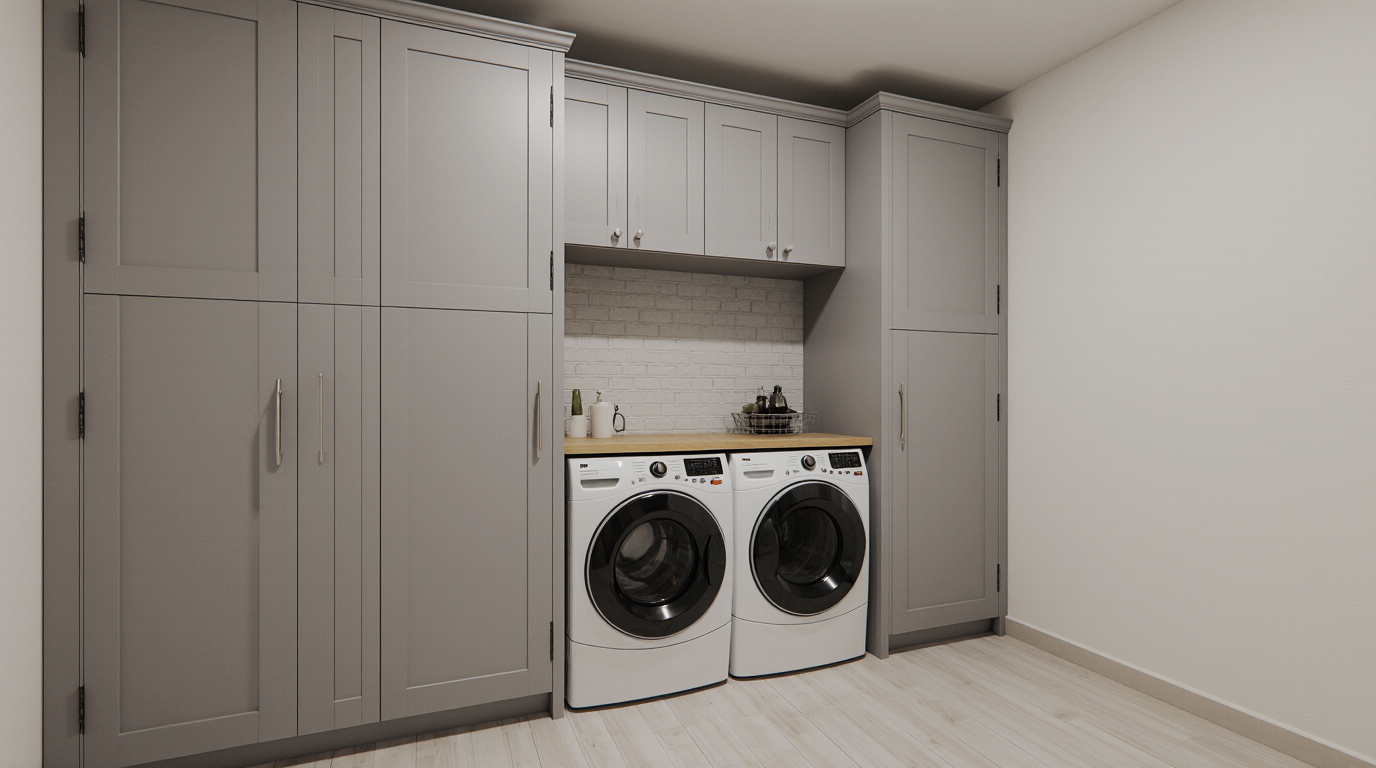
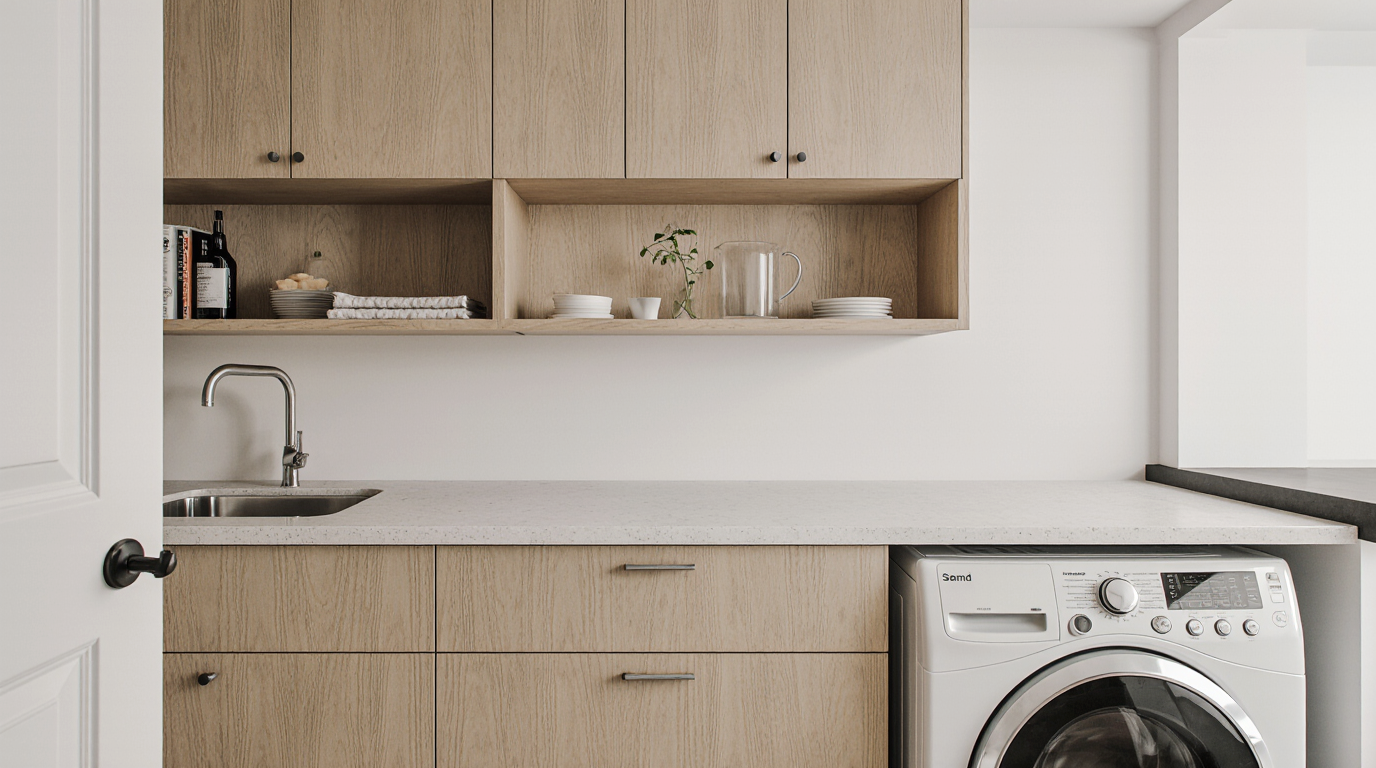
The critical journey commences with a rigorous assessment of the spatial constraints inherent to the room and the household’s specific laundering volume and practices. This initial phase is the point at which space planning transitions from purely theoretical to vitally important. Keep in mind the work triangle concept—a principle famously applied in kitchens; a virtually identical logic applies with equal force here: the necessary path from the dirty hamper to the washer to the sorting area to the dryer and ultimately to the folding/storage zone must be intelligently streamlined. Inadequate counter space available above the machines for the task of folding is a pervasive design pitfall. To alleviate this problem, consider specifying full-depth upper cabinetry as opposed to the reduced-depth units typically incorporated in sub-optimal designs. This design choice provides ample space for the concealment of clutter-inducing items—such as detergent pods, various stain removers, and small tools—while simultaneously helping to maintain a clean, uncluttered aesthetic.
Cabinet material selection is paramount for long-term resilience, mindful of the humid environment that is naturally associated with laundry tasks. While traditional particleboard is often considered budget-friendly, for a high-performance laundry space, opt for moisture-resistant MDF or, in the best-case scenario, solid wood construction treated with robust, moisture-resistant finishes. The specific choice of finish is just as important for managing the humidity challenge; thermofoil or a durable thermofoil application delivers excellent resistance to swelling and warping, often superior standard laminate in damp zones. For a high-end finish, consider incorporating lacquered cabinets, taking care they are meticulously sealed against moisture ingress at the seams and edges.
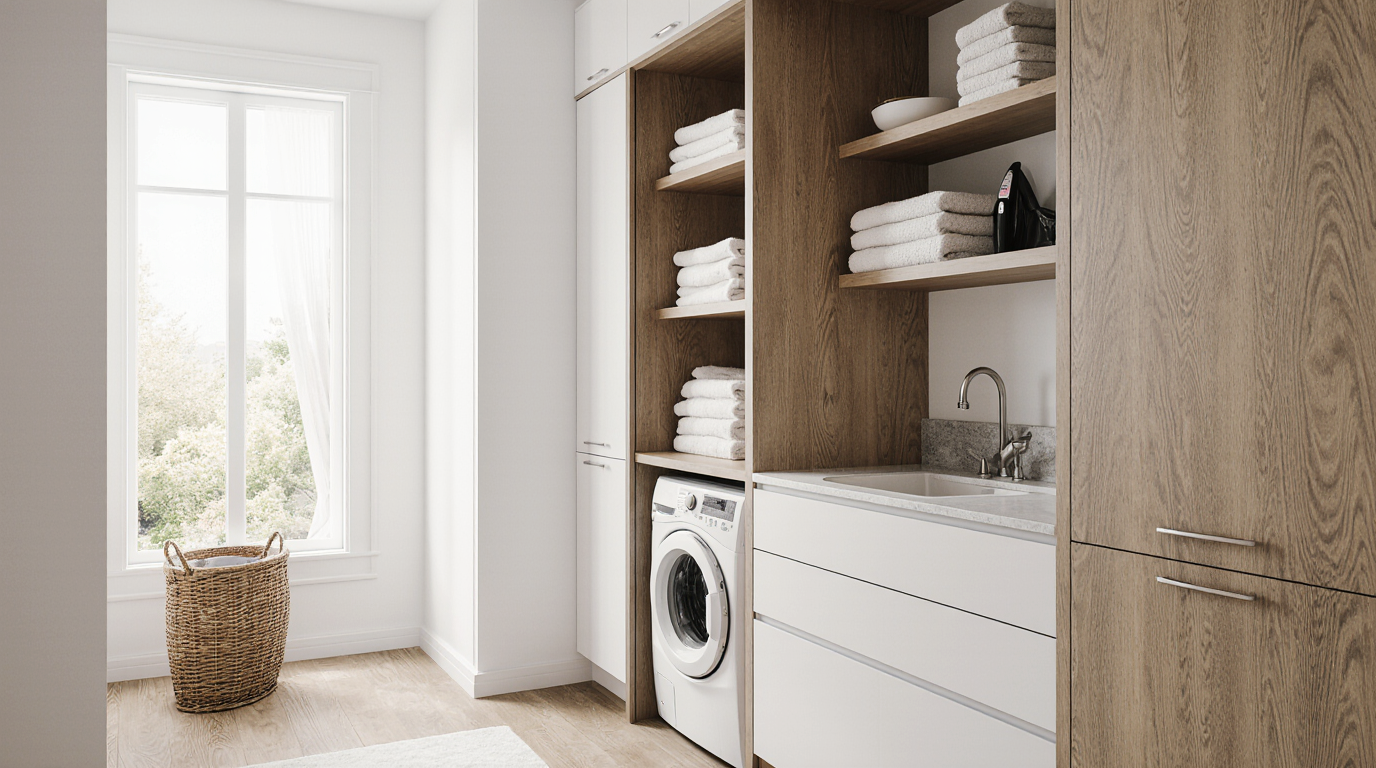
Storage is the area in which bespoke cabinet solutions make the biggest impact. Think vertically to leverage all available space. Tall utility cabinets provide fantastic vertical storage for items like brooms, ironing boards (sometimes featuring integrated ironing board drawers or custom interior fittings), and bulk supplies. For the base units, it's best to bypass standard deep shelving if feasible. The drawer system is the optimal choice. Deep, sturdy drawers allow for logical categorization: dedicate one to laundry additives (bleach, softeners, scent boosters), a second for rags and cleaning cloths, and perhaps a shallow drawer can be dedicated to organizing mesh bags meant for delicates. Implementing drawer organizers made for small bottles stops that inevitable avalanche as soon as a drawer is opened.
A defining element that significantly separates an average laundry room from an masterfully designed one is the dedicated folding station. If space generously allows, an extended countertop that stretches over the washer and dryer provides the essential surface. If the machines are stacked, this crucial surface must be securely cantilevered or supported by adjacent cabinetry. To further enhance this station, build in a pull-out sorting system. These are often heavy-duty wire baskets or bins, sometimes fitted glides, engineered to store three categories: Whites, Colors, and Delicates. This smart design strategy eliminates the need multiple freestanding hampers, significantly improving floor space utilization.
Additionally, consider the often-overlooked necessity of air-drying solutions. A beautiful laundry room should not sacrifice functionality for those garments that need hanging. Incorporating a retractable drying rack that folds flush discreetly into the upper cabinetry is a designer secret for maintaining that visual coherence. Alternatively, a custom-built drying rod installed within a niche, perhaps one that vents lightly or is equipped with a humidity sensor, provides an excellent solution for cashmere or structured items that need to maintain their proper shape.
Illumination is a major role in both functionality and mood. Aside from general ambient lighting, task lighting within the cabinetry itself is invaluable. Installing LED strip lighting under upper cabinets perfectly illuminates the folding surface, making it much easier to spot stains or check fabric care labels. For a touch of sophisticated detailing, you might consider glass-front cabinets for neatly displaying folded linens or attractive, matching storage canisters, if the contents are kept impeccably organized—this highlights how visual merchandising becomes important.