Laundry Closet Makeover: Advanced Strategies for Style and Practicality
Transforming your laundry room closet into a space that is both practical and aesthetically pleasing is an art that combines functional design with clever storage solutions. Optimizing a laundry closet enhances workflow while transforming routine chores into a more enjoyable and organized experience. Regardless of the closet size, the objective is to harmonize storage solutions, essential appliances, and ergonomic workflow while preserving a sleek and stylish appearance. Vertical optimization is essential in contemporary laundry closet design to maximize storage without clutter. By using tall cabinetry, you can incorporate adjustable shelves, hidden storage, and hanging zones, making it simple to maintain order while storing various items. The use of adjustable shelving adds flexibility, allowing the closet to adapt to changing needs, whether it’s accommodating bulkier items or seasonal linens.
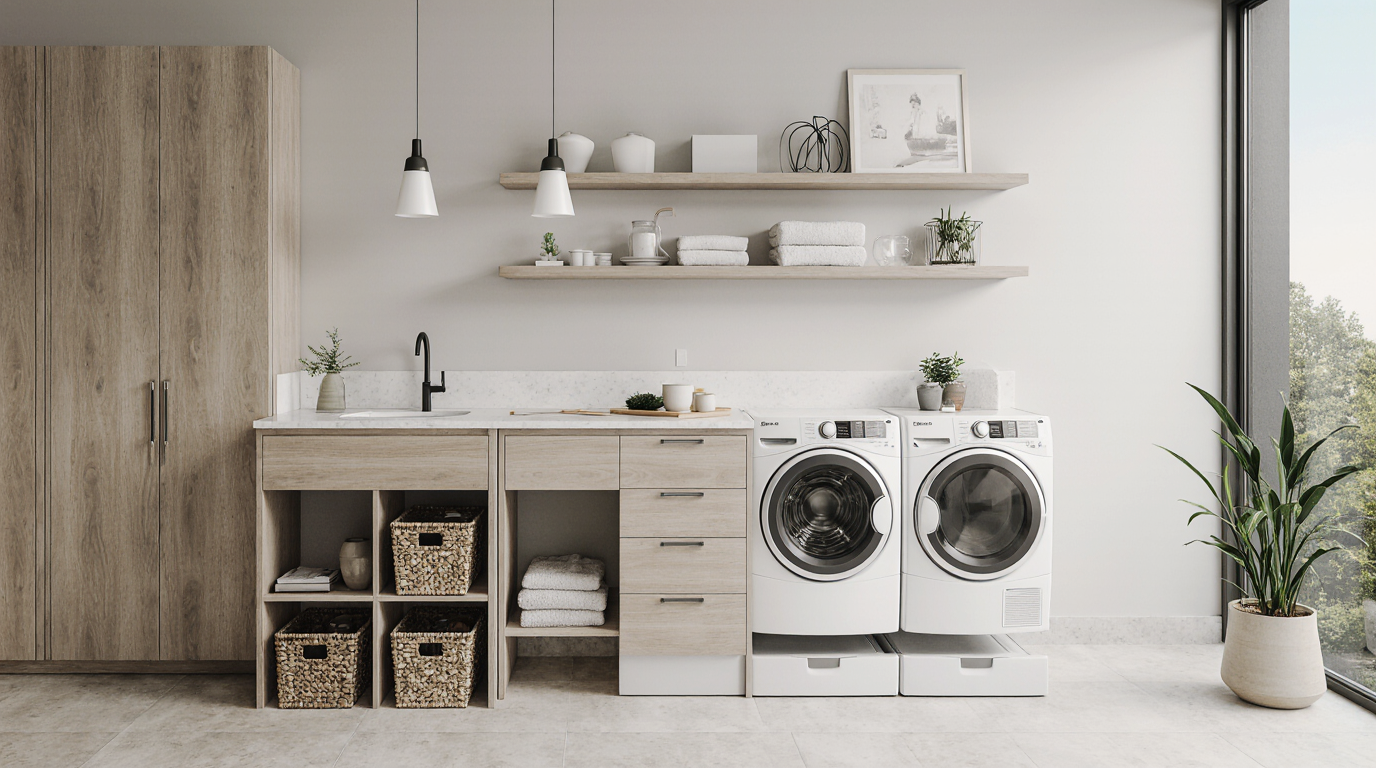
Strategically arranging a laundry closet can dramatically enhance its functionality. Placing appliances side by side forms an uninterrupted counter area, perfect for immediate folding or pre-sorting laundry. Stacked washers and dryers offer space-saving benefits, opening the possibility for vertical storage or integrated ironing solutions. Experts frequently advise hidden laundry hampers to streamline workflow and minimize visible clutter. Concealed hampers ensure dirty laundry stays out of sight, enhancing both tidiness and visual appeal. Bespoke cabinetry can perfectly fit your machines, maximizing storage and functionality without compromising design.
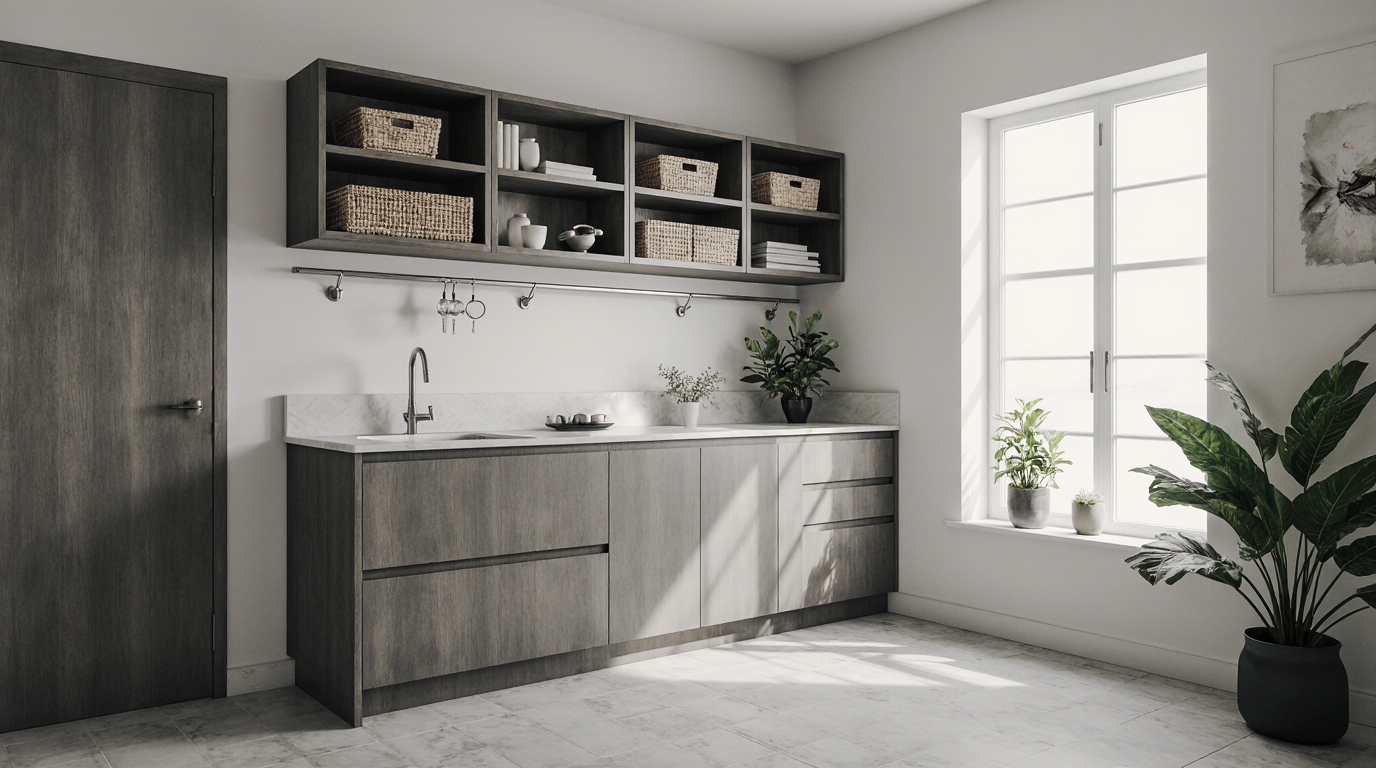
Adding a multi-use surface above appliances provides practical workspace and design cohesion. Such countertops double as folding areas, stain treatment stations, or organizational zones for sorting garments. Quartz, laminate, or engineered stone are ideal for their durability, moisture resistance, and stain-proof properties. Countertop sinks enhance functionality, providing convenient washing and pre-treatment zones for a variety of fabrics. Proper lighting is essential in making the closet both functional and inviting. Integrating LED strips beneath shelves or over counters boosts visibility, minimizes mistakes, and showcases cabinetry details elegantly.
Implementing inventive storage strategies enhances usability and elevates design. Vertical pull-down rods allow for hanging garments directly from the dryer, which is particularly useful for delicate items that should not be folded immediately. Wire baskets or clear bins offer visibility of contents, making it easy to access cleaning supplies or seasonal linens. Some homeowners incorporate sliding doors or bi-fold panels to conceal clutter while keeping the space visually cohesive with the rest of the home. Even small spaces can benefit from hidden compartments, magnetic strips for small tools like lint removers or sewing kits, and hooks for hanging mops or brooms. Mixing exposed and concealed storage achieves both functionality and elegance.
A thoughtful palette and material selection define the mood and longevity of a laundry closet. Light-colored cabinetry and walls can make the space feel larger and more welcoming, while darker tones add a sense of luxury and sophistication. Many designers recommend moisture-resistant finishes to prevent warping or damage due to high humidity levels common in laundry areas. Natural finishes provide depth, elegance, and visual interest in the design. Decorative surfaces elevate aesthetic impact while maintaining practicality. Finishing touches like hardware can transform cabinetry from functional to fashionable.
Efficient laundry room closet design also considers the workflow and ergonomics of the space. Drawer and shelf placement improves accessibility and minimizes effort. Positioning work surfaces efficiently boosts productivity and reduces fatigue. Some advanced designs include hidden ironing boards that can be pulled out when needed and tucked away afterward, conserving space while maintaining a streamlined appearance. Proper airflow preserves materials, prevents odor, and maintains comfort. Experts often recommend installing small exhaust fans or louvered doors to maintain airflow without sacrificing design integrity.
Another element that elevates the functionality of a laundry closet is the integration of smart appliances and technology. Connected appliances enable remote operation, cycle optimization, and progress alerts. Sensor-activated systems enhance sustainability and user-friendliness. Intelligent storage solutions keep supplies organized, labeled, and accessible. Combining these technological innovations with customized cabinetry and layout planning results in a laundry closet that is efficient, modern, and tailored to the specific needs of the household.
Harmonizing the closet with home aesthetics demands meticulous planning and thoughtful design. Coordinating cabinetry with adjacent bathroom or hallway finishes maintains continuity and cohesion throughout the living space. Open shelving can display neatly folded towels or decorative storage containers, while closed cabinets conceal bulkier or less attractive items. Many designers also incorporate mirrors or glass panels to create the illusion of additional space and light. Choosing resilient floors ensures longevity, ease of cleaning, and design harmony.
Strategic design converts laundry chores into an orderly, enjoyable, and practical experience. Blending craftsmanship, intelligent planning, and creative storage produces a highly functional and attractive environment. Smart utilization of height, multi-use surfaces, concealed storage, and task lighting guarantees function meets aesthetics. Tech integration combined with thoughtful finishes enhances usability and design quality. This approach results in a laundry room closet that maximizes space, enhances workflow, and provides a visually cohesive and sophisticated environment, transforming the everyday chore of laundry into a streamlined, enjoyable experience.