Laundry Closet Makeover: Advanced Strategies for Style and Practicality
Turning a laundry room closet into a highly functional yet visually appealing area is a meticulous process involving inventive storage ideas and thoughtful design principles. Optimizing a laundry closet enhances workflow while transforming routine chores into a more enjoyable and organized experience. Whether your space is compact or generous, the goal is to seamlessly integrate storage, appliances, and utility without compromising on style or accessibility. Vertical optimization is essential in contemporary laundry closet design to maximize storage without clutter. Installing full-height cabinets provides room for open shelving, concealed storage, and hanging racks, keeping essentials organized and within reach. The use of adjustable shelving adds flexibility, allowing the closet to adapt to changing needs, whether it’s accommodating bulkier items or seasonal linens.
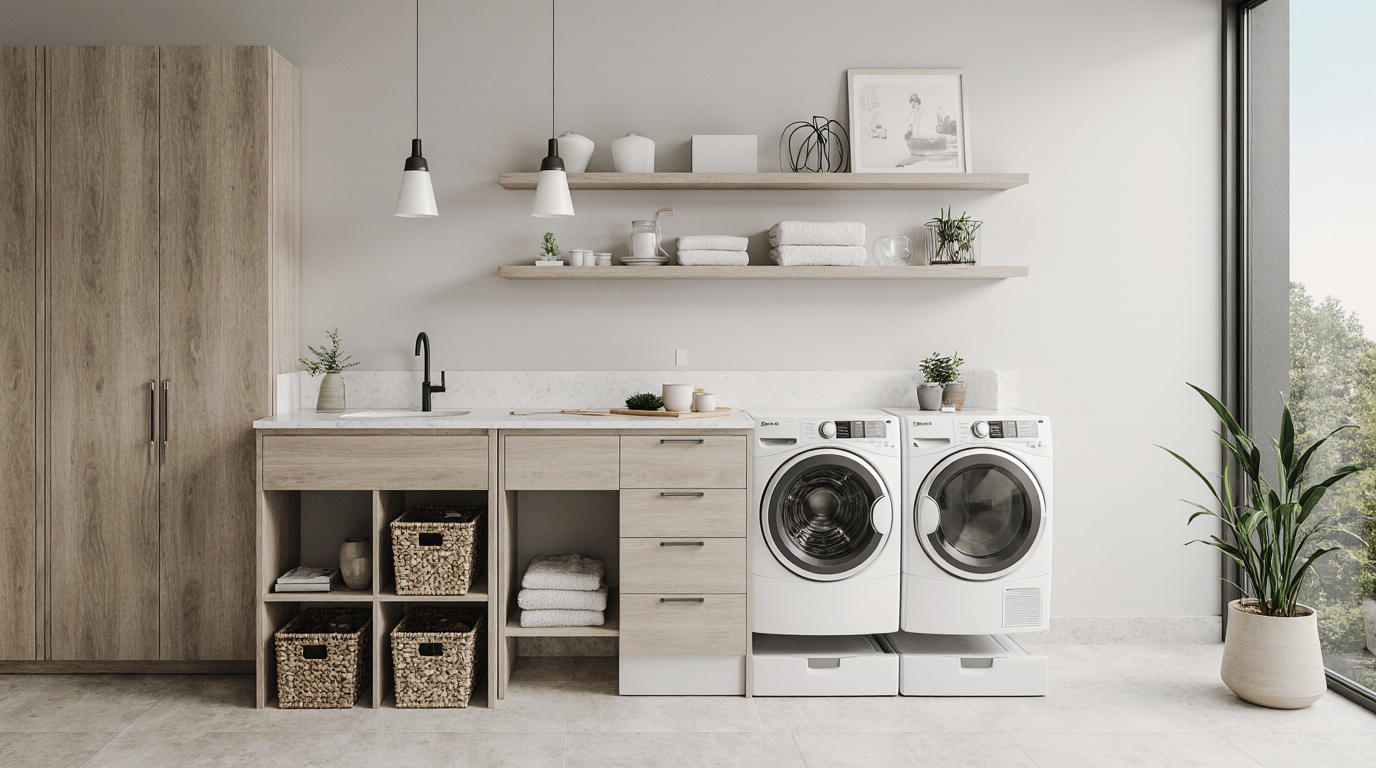
The layout of a laundry closet plays a crucial role in efficiency and usability. For instance, positioning the washer and dryer side by side creates a continuous work surface, ideal for folding clothes immediately after washing. When space is limited, vertically stacking laundry appliances optimizes floor area, creating room for drawers, pull-out hampers, or a compact ironing center. Many bathroom and laundry design experts recommend including pull-out hampers or bins within the closet. These hidden compartments not only keep dirty laundry organized but also maintain a clean, uncluttered appearance. Tailored cabinets allow for precise use of available space, accommodating appliances while maintaining a seamless aesthetic.
Adding a multi-use surface above appliances provides practical workspace and design cohesion. High-quality surfaces allow for multiple tasks including folding, pre-treating laundry, and categorizing clothing efficiently. Materials like quartz or laminate are particularly recommended for their resistance to moisture and stains, ensuring longevity even in a high-use environment. Incorporating a sink within the counter allows for pre-wash tasks, hand cleaning, or soaking delicate items with ease. Effective lighting solutions transform the laundry closet, highlighting design elements while improving task efficiency. Integrating LED strips beneath shelves or over counters boosts visibility, minimizes mistakes, and showcases cabinetry details elegantly.
Creative storage maximizes space, organization, and convenience in a laundry closet. Vertical pull-down rods allow for hanging garments directly from the dryer, which is particularly useful for delicate items that should not be folded immediately. Wire baskets or clear bins offer visibility of contents, making it easy to access cleaning supplies or seasonal linens. Door systems can maintain visual cohesion while concealing storage and reducing visual clutter. Utilizing discreet compartments, magnetic racks, and hanging systems makes the most of limited space. Professional bathroom designers often suggest using a combination of open and closed storage to balance accessibility with a polished aesthetic, ensuring the space remains orderly without feeling sterile or overly utilitarian.
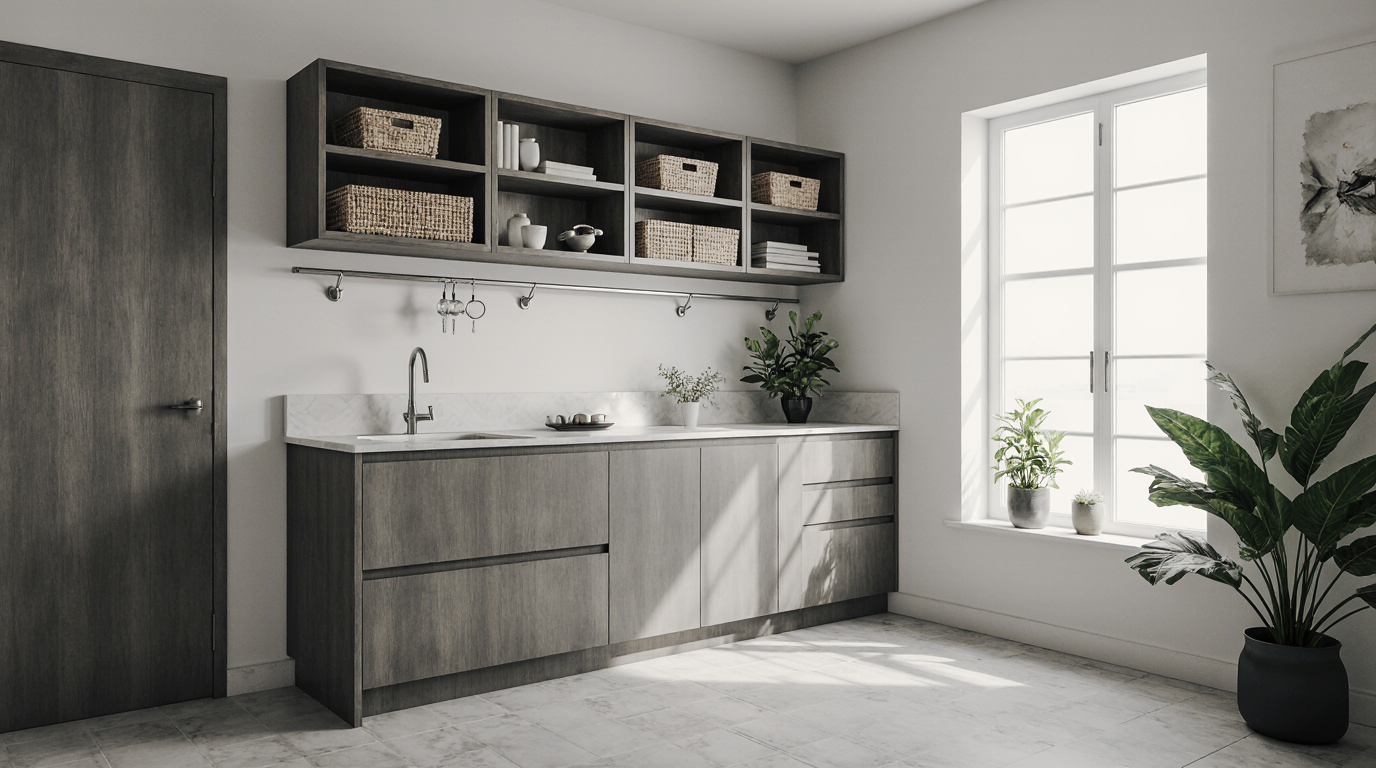
A thoughtful palette and material selection define the mood and longevity of a laundry closet. Balancing light and dark tones can simultaneously open up the room and introduce a sophisticated atmosphere. Moisture-proof coatings are essential for maintaining structural integrity and appearance. Incorporating natural textures, such as wood veneer or stone accents, can soften the space and create a connection with the adjacent bathroom or hallway. Tiles, patterned floors, or accent walls contribute style without compromising workspace usability. Hardware choices tie together visual themes and add subtle sophistication.
Efficient laundry room closet design also considers the workflow and ergonomics of the space. Smart placement of drawers and shelves reduces strain and increases convenience. Positioning work surfaces efficiently boosts productivity and reduces fatigue. Concealed ironing boards optimize space and keep the closet sleek. Proper airflow preserves materials, prevents odor, and maintains comfort. Subtle airflow solutions integrate seamlessly into the closet design, ensuring freshness and durability.
Technology integration modernizes laundry routines and boosts efficiency. Smart laundry units provide control, customization, and convenience via mobile interfaces. Additionally, motion-sensor lighting or automated faucets can reduce energy usage while enhancing convenience. Automated storage technologies enhance organization, reduce clutter, and save time. Integrating smart devices with design customization creates a highly functional, stylish, and future-ready space.
Achieving cohesion with surrounding spaces involves strategic design choices and material selection. Careful alignment of textures, colors, and styles preserves a consistent interior flow. Mixing open and closed storage balances display opportunities with practicality. Reflective surfaces enhance brightness and expand perceived dimensions. Flooring selection is equally important; durable, water-resistant surfaces like porcelain tiles or luxury vinyl planks can withstand heavy use while complementing the overall design scheme.
Ultimately, a thoughtfully designed laundry room closet goes beyond mere storage; it transforms a mundane task into an organized, aesthetically pleasing experience. Blending craftsmanship, intelligent planning, and creative storage produces a highly functional and attractive environment. Smart utilization of height, multi-use surfaces, concealed storage, and task lighting guarantees function meets aesthetics. Incorporating technology and modern appliances adds convenience and efficiency, while careful attention to color, materials, and finishes elevates the design to a professional standard. Ultimately, this methodology produces an organized, elegant, and user-friendly laundry closet that enhances the daily routine.