Laundry Room Closet Design: Innovative Ideas for a Functional and Stylish Space
Transforming your laundry room closet into a space that is both practical and aesthetically pleasing is an art that combines functional design with clever storage solutions. Optimizing a laundry closet enhances workflow while transforming routine chores into a more enjoyable and organized experience. Small or large, every laundry closet benefits from a design approach that merges practicality with a refined aesthetic. One of the key principles in modern laundry room closet design is optimizing vertical space. Tall cabinets allow for a combination of open shelves, hidden compartments, and hanging areas, enabling homeowners to store detergents, linens, cleaning supplies, and more in a tidy and accessible manner. Adjustable shelves bring versatility, accommodating everything from oversized laundry baskets to seasonal linens.
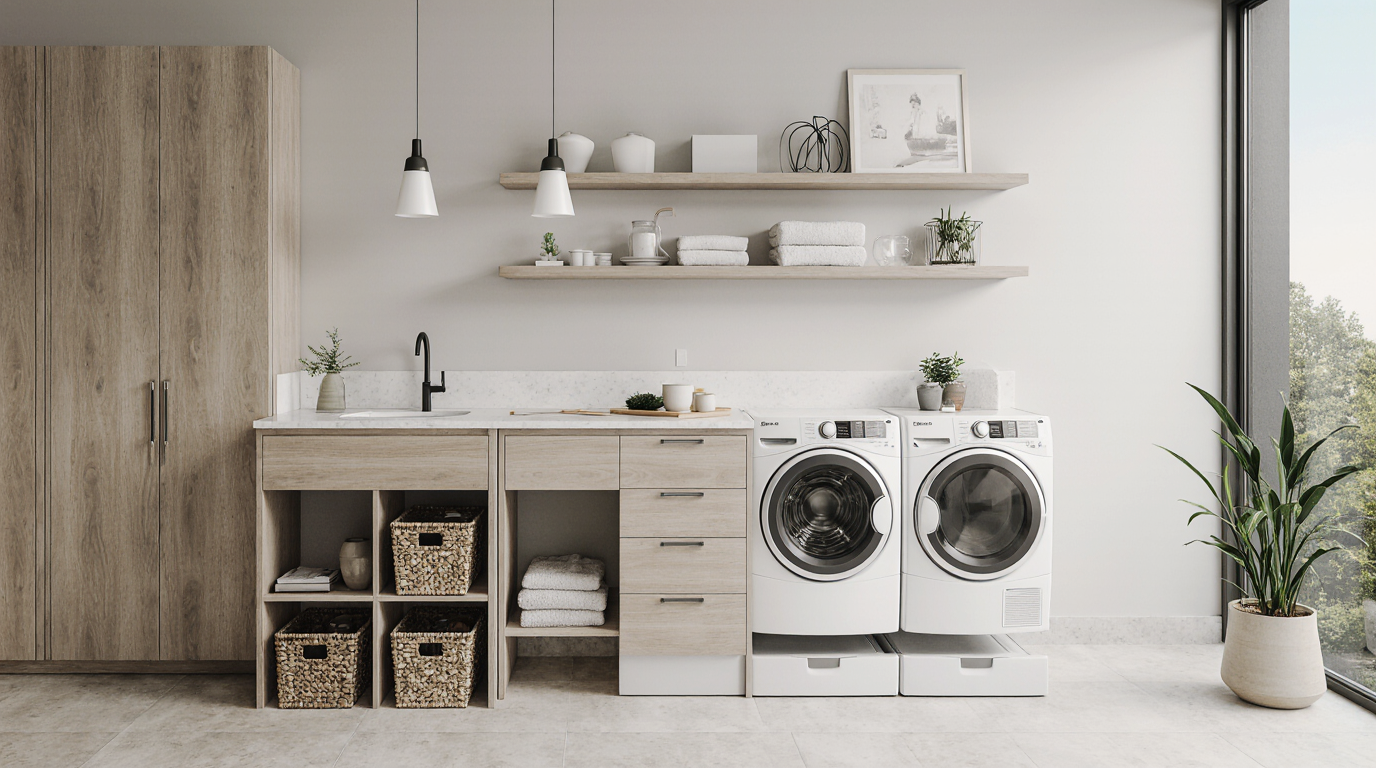
Strategically arranging a laundry closet can dramatically enhance its functionality. Aligning the washer and dryer horizontally allows for an expansive, practical workspace for folding and organizing clothes efficiently. On the other hand, stacking appliances is a smart solution for tight spaces, freeing up room for additional cabinetry or a built-in ironing station. Experts frequently advise hidden laundry hampers to streamline workflow and minimize visible clutter. These hidden compartments not only keep dirty laundry organized but also maintain a clean, uncluttered appearance. Bespoke cabinetry can perfectly fit your machines, maximizing storage and functionality without compromising design.
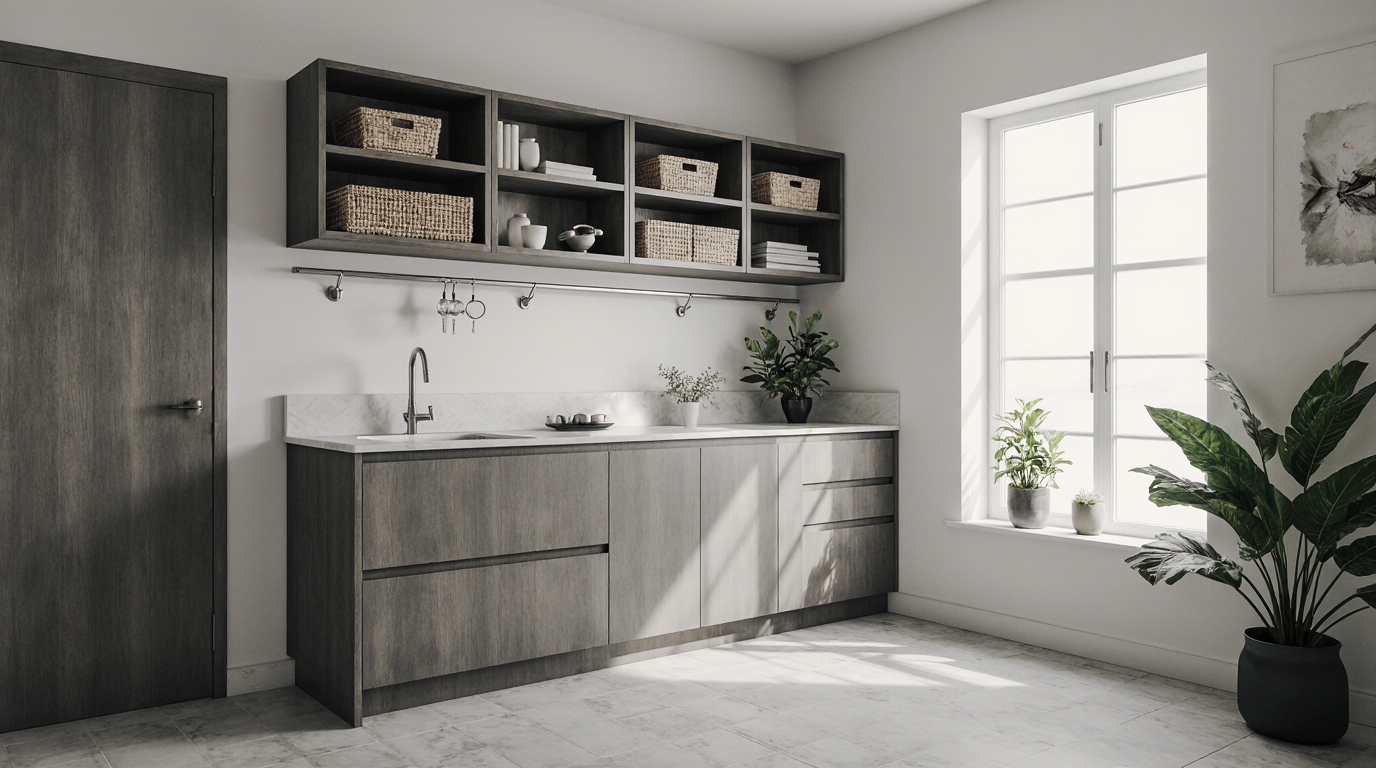
A versatile countertop enhances both utility and style in a laundry closet. A durable surface above the washer and dryer can serve as a folding station, a temporary workspace for treating stains, or even a spot for sorting laundry into categories. Quartz, laminate, or engineered stone are ideal for their durability, moisture resistance, and stain-proof properties. Some designs even integrate sinks into the countertop, allowing for hand washing delicate garments or pre-soaking items, which adds a layer of convenience for households that handle a variety of fabrics. Effective lighting solutions transform the laundry closet, highlighting design elements while improving task efficiency. Integrating LED strips beneath shelves or over counters boosts visibility, minimizes mistakes, and showcases cabinetry details elegantly.
Implementing inventive storage strategies enhances usability and elevates design. Adjustable rods facilitate immediate hanging, preserving the shape of delicate fabrics post-wash. Transparent storage containers simplify access and inventory management. Some homeowners incorporate sliding doors or bi-fold panels to conceal clutter while keeping the space visually cohesive with the rest of the home. Compact areas gain functionality through concealed storage, magnetic organizers, and versatile hooks. Professional bathroom designers often suggest using a combination of open and closed storage to balance accessibility with a polished aesthetic, ensuring the space remains orderly without feeling sterile or overly utilitarian.
Color and material selection are integral aspects of laundry closet design. Pale hues expand visual space, while deep shades provide richness and elegance. Moisture-proof coatings are essential for maintaining structural integrity and appearance. Incorporating natural textures, such as wood veneer or stone accents, can soften the space and create a connection with the adjacent bathroom or hallway. Tiles, patterned floors, or accent walls contribute style without compromising workspace usability. Stylish hardware, including handles and knobs, can also make a significant impact, contributing to a cohesive and modern look that elevates the overall design.
Designing for ergonomics enhances usability and comfort. Drawer and shelf placement improves accessibility and minimizes effort. Close-proximity folding areas streamline tasks and workflow. Concealed ironing boards optimize space and keep the closet sleek. Ventilation is another critical factor; a properly ventilated closet prevents moisture buildup, protects cabinetry, and reduces odors, keeping the area fresh and hygienic. Subtle airflow solutions integrate seamlessly into the closet design, ensuring freshness and durability.
Technology integration modernizes laundry routines and boosts efficiency. Connected appliances enable remote operation, cycle optimization, and progress alerts. Sensor-activated systems enhance sustainability and user-friendliness. Some homeowners incorporate smart storage solutions, such as labeled bins or automated dispensers for detergent and softeners, ensuring every item has its designated place and simplifying daily routines. Merging technology with bespoke layout planning produces a cutting-edge, efficient, and personalized laundry closet.
Designing a laundry room closet that blends seamlessly with the aesthetic of your home requires attention to detail and a clear understanding of both practical needs and visual impact. Careful alignment of textures, colors, and styles preserves a consistent interior flow. Open shelving can display neatly folded towels or decorative storage containers, while closed cabinets conceal bulkier or less attractive items. Reflective surfaces enhance brightness and expand perceived dimensions. Flooring selection is equally important; durable, water-resistant surfaces like porcelain tiles or luxury vinyl planks can withstand heavy use while complementing the overall design scheme.
Ultimately, a thoughtfully designed laundry room closet goes beyond mere storage; it transforms a mundane task into an organized, aesthetically pleasing experience. Integrated design elements ensure the closet is efficient, user-friendly, and stylish. Efficient use of vertical space, multi-functional countertops, hidden compartments, proper lighting, and ergonomic features ensures that every element serves a purpose without compromising style. Tech integration combined with thoughtful finishes enhances usability and design quality. This approach results in a laundry room closet that maximizes space, enhances workflow, and provides a visually cohesive and sophisticated environment, transforming the everyday chore of laundry into a streamlined, enjoyable experience.