The contemporary dwelling increasingly requires high-level functionality and elegance in every square foot, inevitably transforming the traditionally basic chore space into a new era of sophisticated design. Moving past the forgotten, undersized nook of the basement, today's design ethos champions the integrated utility and storage room—a concept that cleverly blends the primary activities of clothes cleaning with robust storage solutions, often borrowing the organizational prowess of a well-appointed pantry. This integration is not merely about fitting two functions into one space; it’s about developing an integrated, productive setting where necessary work seems less arduous and resemble simplified segments in a thoughtfully coordinated system. The goal for any expert laundry room designer is to achieve aesthetic functionality, guaranteeing the area is inviting, not just a place to be tolerated.
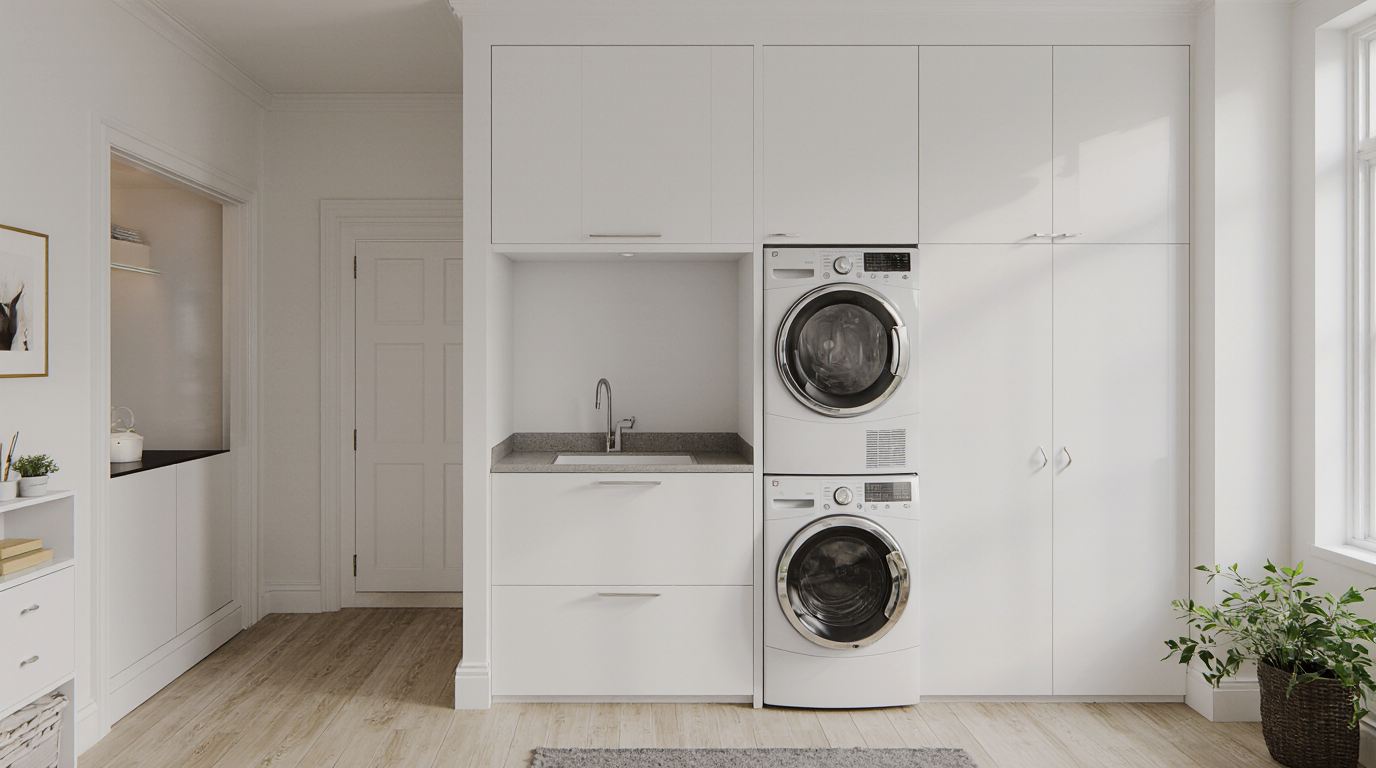
At the heart of the Laundry Pantry Combo is the thoughtful merging of organization that reaches past simple supply racks. We are leveraging upwards dimension as the crucial spatial asset. Think elevated vertical cupboards, not just for linens, but for storing diverse items from seasonal clothing overflow to bulk dry goods that require a temperate storage setting—which explains the larder influence. These tall units must employ smart storage solutions: extending shelves for complete visibility, flexible racks to fit different product sizes, and concealed compartments built-in for items like the rarely used carpet cleaner or bulk paper towels. The visual clutter that plagues so many utility spaces is mitigated by choosing durable timber units or high-quality laminate with seamless design, often painted in trend-forward, soothing hues like calm navy or earthy tones to foster a relaxed atmosphere.
The true genius of this combined space is revealed through the bench area efficiency. A robust, continuous countertop folding station is non-negotiable. Materials like quartz or slate are preferred for their stain-resistant properties and luxurious feel, making the routine task of tidying more pleasant. Crucially, this countertop often spans over the washer and dryer, reclaiming the often-wasted inches between the appliance tops and the wall. Furthermore, to keep the visual flow uninterrupted, this surface should be complemented by under-cabinet lighting, a key element that transforms functionality by providing focused task illumination while accentuating custom details like a custom tile backsplash. For individuals prioritizing neatness, incorporating a wall-mounted folding ironing board that tucks away completely into a drawer or cabinet is the ultimate testament to space-saving appliance integration.
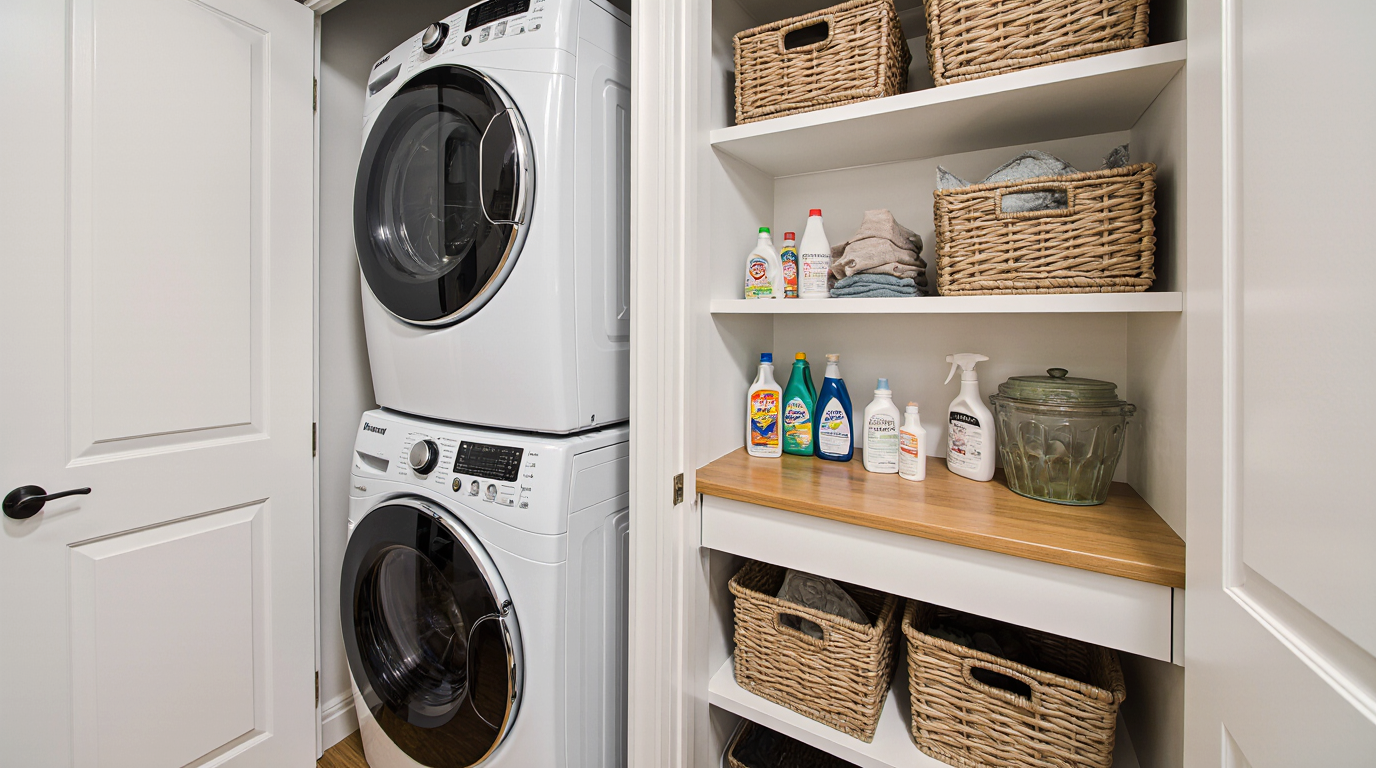
The "pantry" aspect introduces an opportunity for sophisticated organization of non-laundry items. Instead of having household products, stored foods, and wash items randomly intersect, the design incorporates zoning. For instance, the upper cabinets might contain preserved foods or cooking ingredients, while the lower sections are dedicated to deep storage for laundry baskets or extra fabric stockpiles. Employing open shelving strategically is vital, but it requires discipline: use attractive storage vessels such as glass canisters for laundry powder or matching wicker baskets for socks and miscellaneous items. This styling choice ensures that even visible storage contributes to the room’s overall elevated aesthetic, turning practical holders into elegant details. This level of detail moves the room firmly into the realm of resident-centered laundry room design.
Appliances themselves are now design statements. The shift away from purely utilitarian white boxes towards smarter appliances is evident. High-end models with noise reduction technology are paramount, as the laundry room is increasingly situated closer to living areas. Features like steam cycles for refreshing items and Wi-Fi-enabled operation for remote control add substantial value in terms of accessibility. When space dictates, stacked washer-dryer solutions are the default, but positioning them on risers (where dimensions permit) mitigates the need for excessive bending, making the chore experience physically easier.
Flooring and fixtures also are key indicators of material excellence and longevity. While traditional vinyl is practical, laying down sophisticated laminate or sophisticated porcelain tile—maybe with a traditional basketweave design—lends warmth and personality, defying the cold, sterile stereotype. The utility sink remains essential, but it should be an oversized basin, ideally a deep apron-front model, paired with premium, aesthetically pleasing fittings and fixtures like copper or brass taps, injecting an air of bespoke elegance. Proper ventilation cannot be overstated; handling the airflow here like a spa zone by ensuring excellent airflow is critical to managing humidity and maintaining a fresh environment.
In conclusion, the successful Laundry Pantry Combo transcends mere utility. It’s about thoughtful layout that minimizes travel time between sorting, washing, folding, and storing. It’s about incorporating personal touch elements—a dynamic visual focal point, a strategic piece of moisture-tolerant greenery, or unique hardware—that ensure this dual-purpose room matches the house's general style. This is a space that respects the homeowner's time and taste, making the necessary task of managing household textiles an productive, beautiful, and highly satisfying routine. The design prioritizes longevity, employing germ-resistant surfaces whenever feasible, and focusing on durable finishes that withstand the demands of frequent operation while maintaining a premium aesthetic.