Spacious Laundry Room Concepts for Maximum Efficiency and Elegant Style
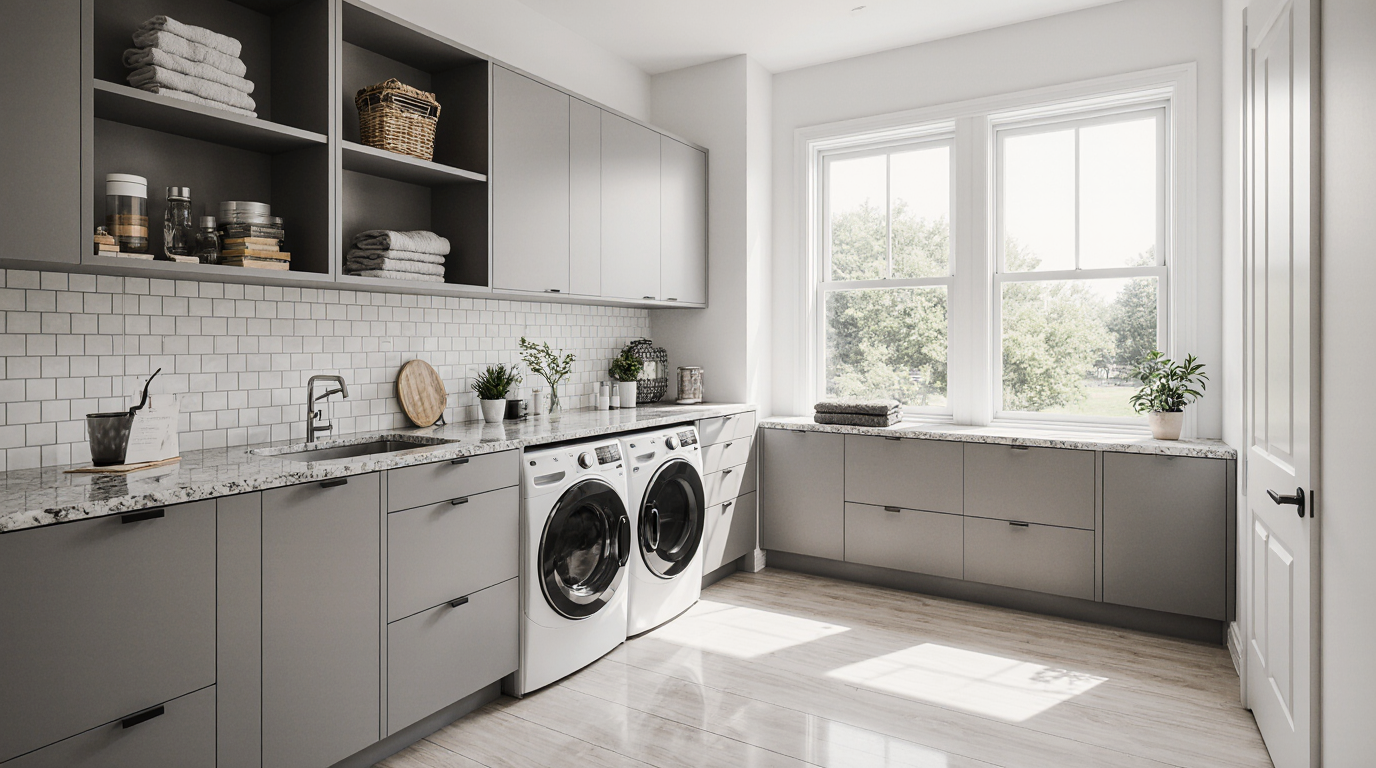
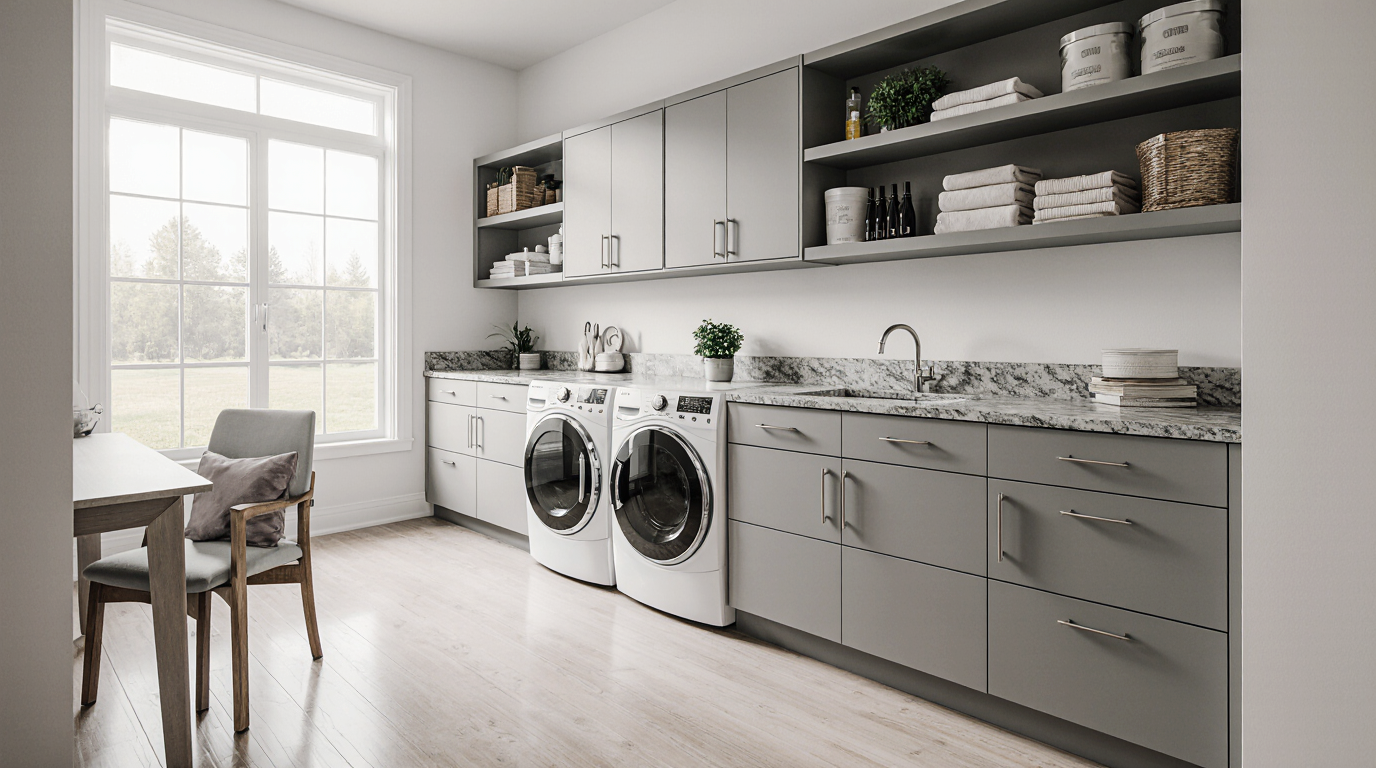
Transforming a large laundry room into a functional, stylish, and efficient space is a dream for many homeowners. A well-designed laundry room goes beyond simply being a utilitarian area for washing and drying clothes; it becomes an organized, aesthetically pleasing environment where chores feel less cumbersome. In designing a spacious laundry area, the first step is to consider workflow optimization, ensuring that every element—from washing machines and dryers to storage cabinets and countertops—is placed strategically for maximum convenience. Placing sinks adjacent to washers accelerates pre-treatment tasks, and generous counter surfaces allow folding, sorting, and ironing to occur efficiently in one zone.
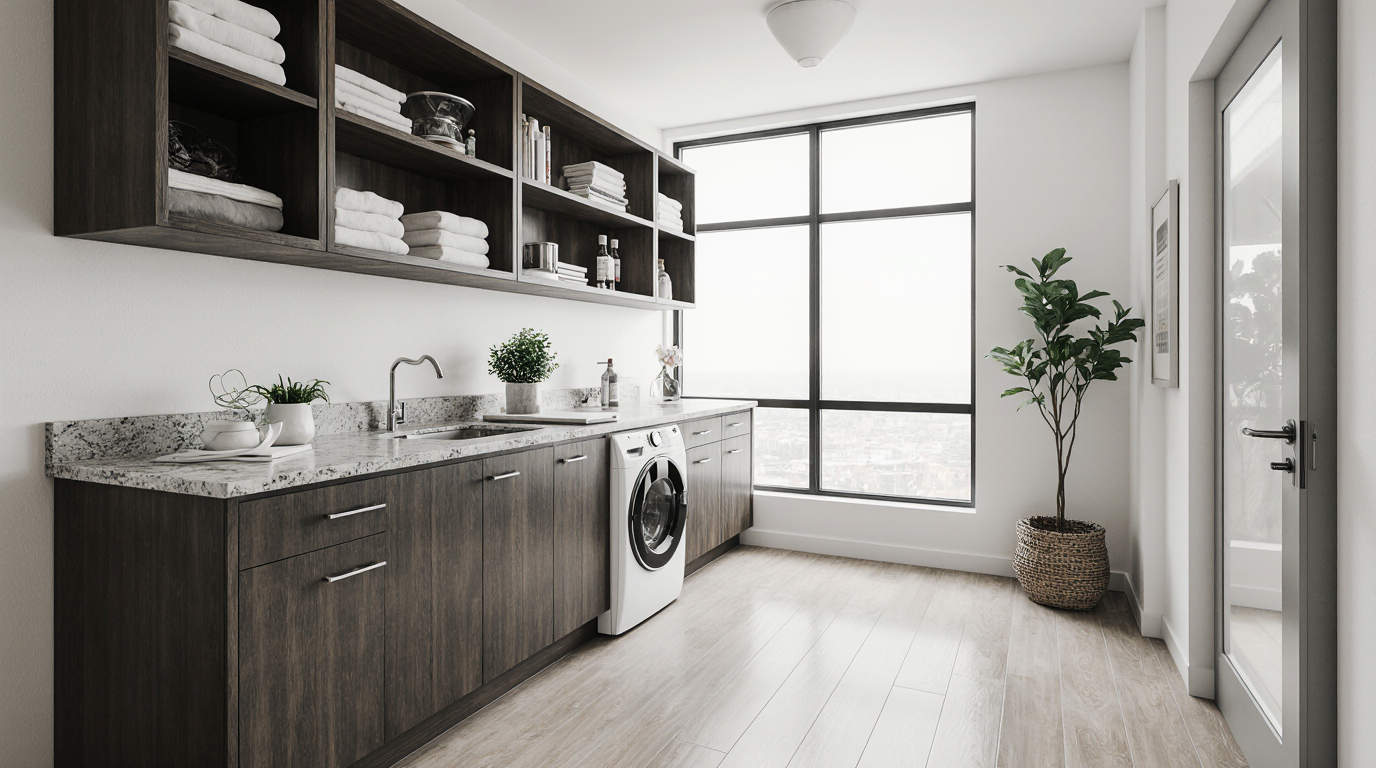
Large laundry rooms excel in offering customizable, highly adaptable storage configurations. Custom cabinetry is an excellent investment for keeping cleaning supplies, detergents, and household essentials neatly organized, while built-in shelving can display decorative elements or store baskets for laundry segregation. Slide-out hampers facilitate simple separation of laundry by type or color, promoting cleanliness and order. Opting for robust materials for counters guarantees longevity and resilience against the daily wear of laundry chores. Luxury and practicality meet in gentle-close cabinetry, which minimizes noise and prolongs lifespan.
Lighting plays a pivotal role in enhancing the functionality and ambiance of a large laundry room. Natural light is highly desirable, as it brightens the space and makes the room feel inviting rather than purely utilitarian. Incorporating skylights or large windows can create an uplifting atmosphere, while strategically placed LED task lighting above counters and work areas ensures precision during sorting, stain treatment, and folding. Accent lighting can further elevate the design, highlighting stylish cabinetry or decorative features, and creating a sense of sophistication. Investing in proper lighting design not only improves efficiency but also enhances the overall aesthetic appeal.
Selecting modern, high-performance appliances is a cornerstone of a premium laundry space. Modern washers and dryers offer advanced features such as steam cycles, energy efficiency, and smart technology, which can save time and reduce utility costs. Flexible appliance layouts, whether stacked or aligned, support workflow and accessibility in spacious setups. Designated drying zones with retractable or fixed racks protect delicate garments. Blending appliances with cabinetry results in a cohesive design, balancing aesthetics and operational ease.
A well-thought-out flooring choice is essential for durability and style in a large laundry room. Durable floor surfaces ensure the room remains functional and visually pleasing despite heavy daily use. Consider using light-colored or patterned flooring to make the space feel more expansive, while incorporating rugs or mats near sinks and appliances can protect the floor and add warmth. Merging functionality with beauty guarantees that daily chores are efficient yet the room stays visually inviting.
Prioritizing ergonomic layouts reduces strain and facilitates effortless laundry operations. Adjustable countertops or pull-down ironing boards can accommodate users of varying heights, making daily chores easier and less physically taxing. Efficient use of vertical space through mounted organizers maximizes utility and mobility. Smartly planned zones cut down repetitive motion stress, transforming mundane chores into a smoother process.
Strategic use of color and decoration enhances both ambiance and perceived spaciousness. Soft tones enlarge the perception of space, contrasted by bold accents that bring character. Decorative backsplash tiles, stylish cabinet handles, and thoughtfully selected accessories can elevate the space, transforming it into a room that is as visually appealing as it is functional. Maintaining equilibrium between form and function results in a space that is both stylish and operationally sound.
The integration of multi-functional zones within a large laundry room is another innovative approach. Designated folding, ironing, and storage zones complement appliance areas, while an integrated workstation supports multitasking. Child-focused zones near laundry appliances balance safety, convenience, and productivity. Adaptive design principles ensure the space serves multiple functions seamlessly.
Proper airflow and temperature management are critical to both comfort and room longevity. Adequate airflow mitigates dampness issues, with strategically positioned fans or HVAC systems maintaining comfort. Waterproof finishes and materials safeguard the space, prolonging longevity and usability. Air circulation and resilient surfaces together create a sustainable, functional, and pleasant space.
Customizing zones, storage, and features makes the laundry room a reflection of lifestyle and taste. Integrating unique features accommodates lifestyle demands while boosting efficiency. Clever storage planning balances functionality and visual appeal for a more pleasurable experience. A well-designed, personalized laundry room harmonizes practical use with elegant design, becoming a hallmark of home efficiency and style.
The complete design of a spacious laundry room requires synergy between layout strategy, material selection, appliance choice, and storage efficiency. Focusing on movement efficiency, ergonomic comfort, illumination, and design ensures a space that is both functional and visually compelling. From storage solutions and work surfaces to flooring and illumination, each element supports a seamless, practical, and visually pleasing laundry room. An intelligently designed laundry room converts routine chores into streamlined, aesthetically gratifying activities, boosting home convenience and elegance.