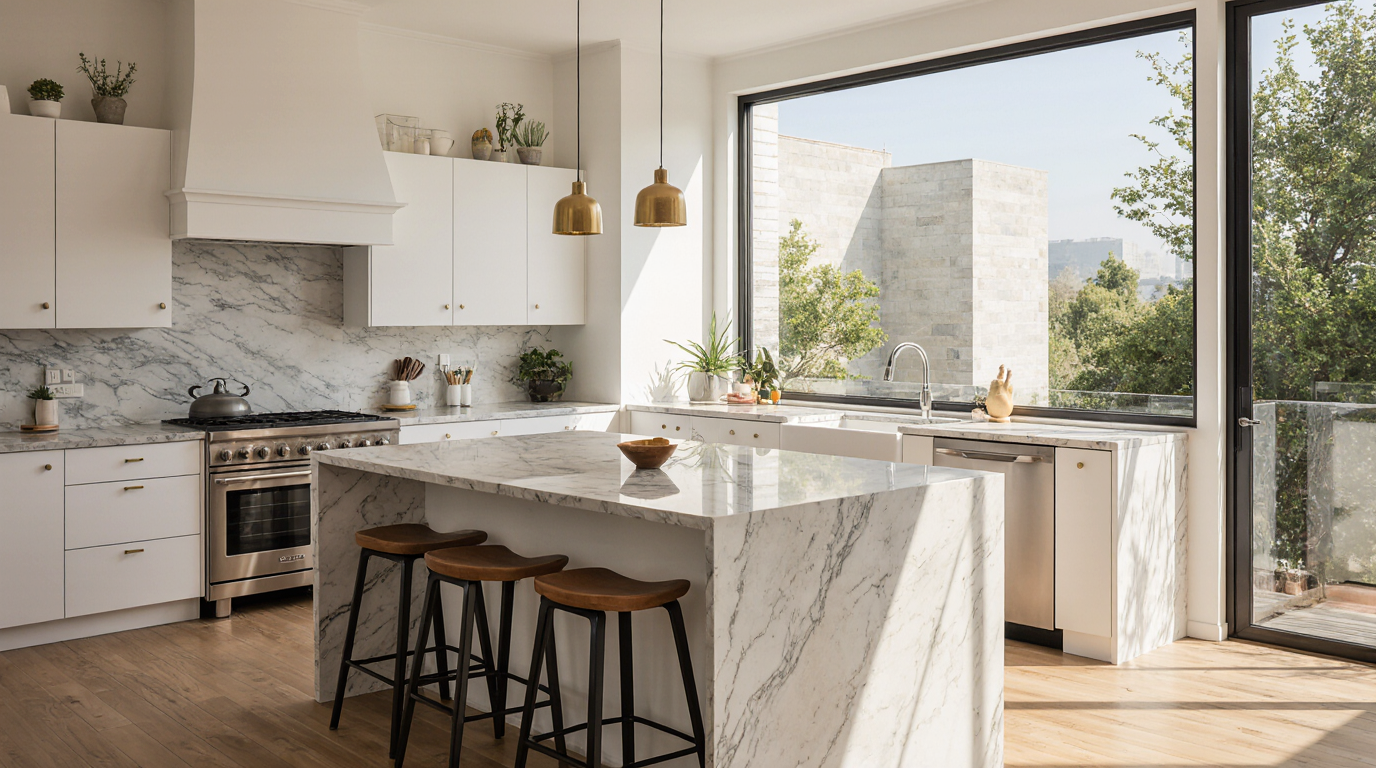
Kitchen Transformation: Elevate Your Space into a Contemporary Culinary Oasis
A kitchen redesign is more than a simple facelift; it’s an opportunity to elevate both functionality and style, creating a space that harmonizes with your lifestyle and home’s architecture. Every element, from cabinetry to countertops, lighting, and flooring, plays a pivotal role in shaping the ambiance and efficiency of your kitchen. Modern kitchen renovation strategies focus on integrating smart storage solutions, ergonomic layouts, and contemporary materials that not only enhance visual appeal but also improve daily usability. Executing a strategic redesign transforms the kitchen into a central hub of the home, embodying individual style while fulfilling functional requirements.
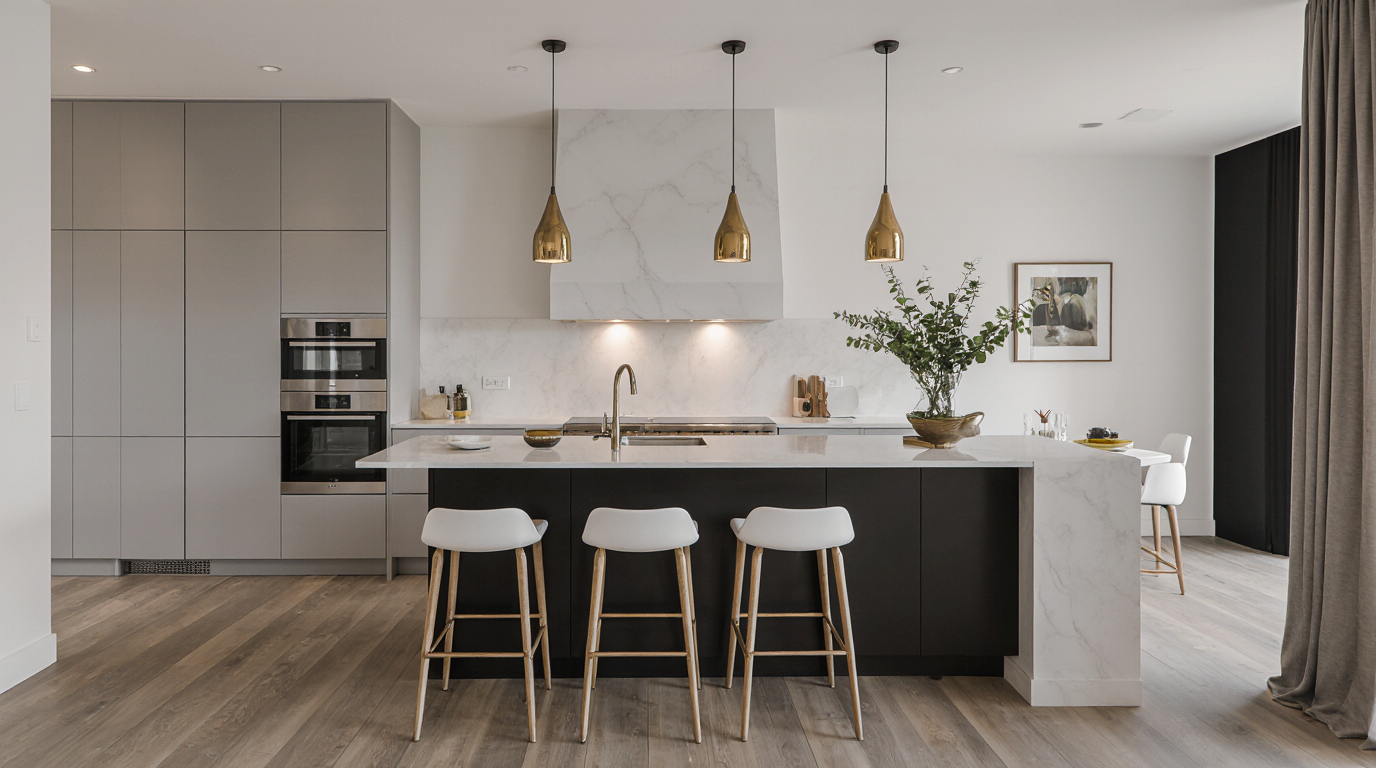
Analyzing current spatial arrangements and workflow is a foundational step in effective kitchen redesign. Open-concept designs are increasingly popular, promoting seamless interaction between cooking, dining, and living areas. Careful appliance and workstation layout boosts efficiency and improves the overall kitchen experience. Kitchen islands or breakfast bars create multifunctional hubs, combining prep surfaces, dining options, and organizational capacity. Expert designers focus on harmonizing visual appeal with operational efficiency, maximizing space while maintaining elegance.
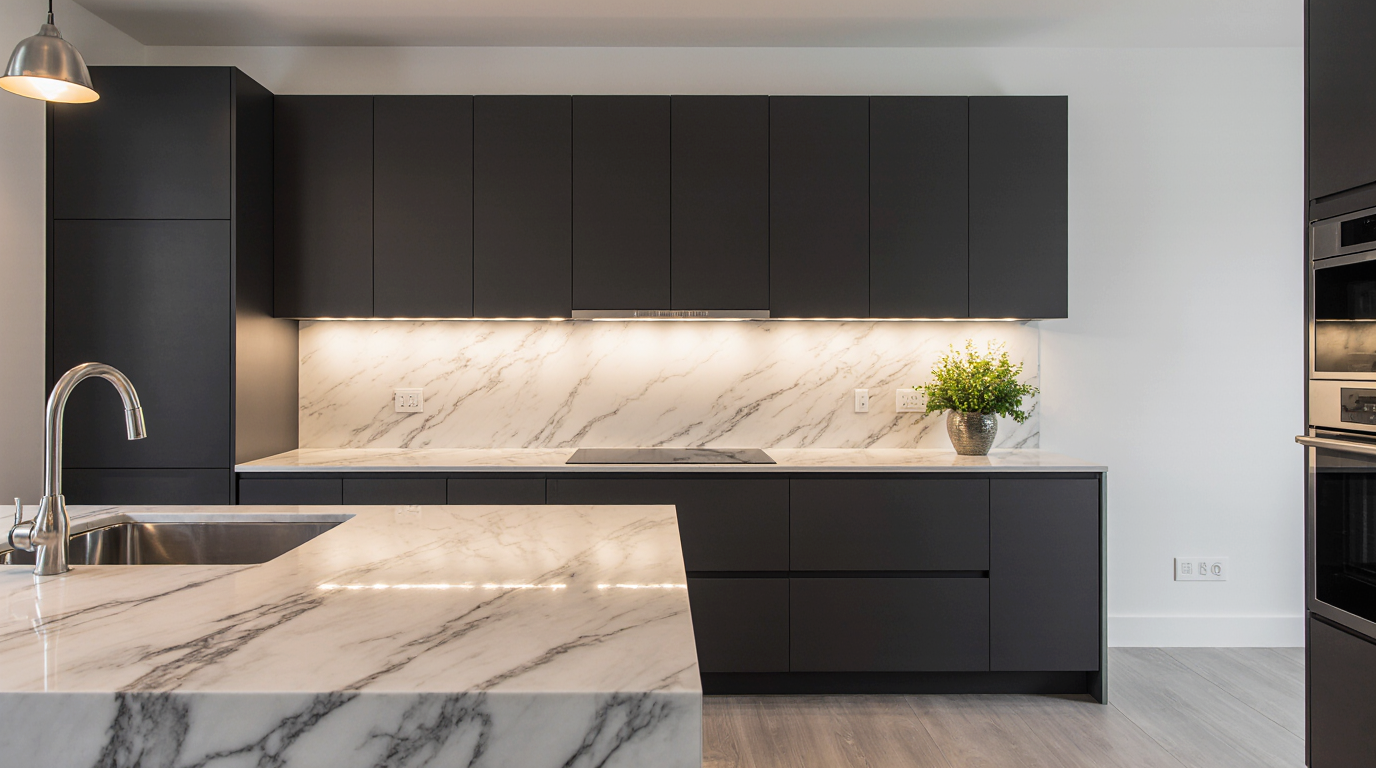
Selecting materials carefully ensures resilience while reinforcing the kitchen’s aesthetic identity. Classic quartz and granite surfaces offer durability and style, paired with refined wood or laminate cabinetry for distinctive character. Modern renovations often include integrated appliances and hidden storage solutions that maintain a clean, clutter-free environment. Focus on finishes, tactile elements, and coordinated hues ensures the kitchen integrates smoothly with the surrounding decor. Effective renovations balance aesthetic allure and resilience, selecting components that endure everyday demands.
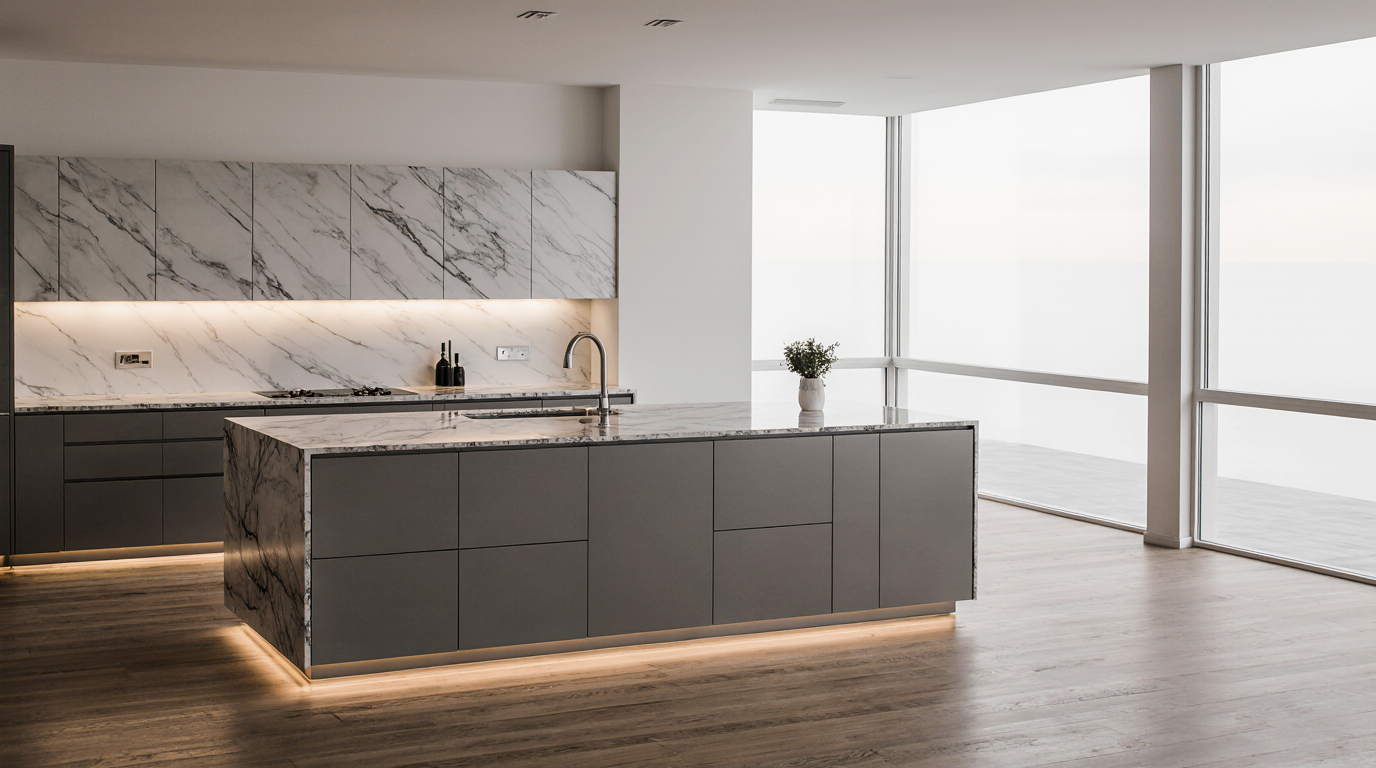
Lighting is a fundamental yet often overlooked component of a successful kitchen redesign. Integrating ambient, task-specific, and accent lighting enriches usability and creates dynamic ambiance. Under-cabinet lighting illuminates countertops for safe food preparation, while pendant lights above an island can serve as focal points that elevate the room’s style. Adopting efficient lighting technology balances cost-effectiveness with sustainable design principles. Incorporating natural light through windows or skylights further brightens the space, creating an inviting and airy atmosphere that encourages culinary creativity and social interaction.
The selection of flooring materials substantially impacts visual coherence and practical use. Durable options like porcelain tiles, hardwood, or luxury vinyl provide practical benefits while contributing to aesthetic harmony. Slip-resistant surfaces are essential for safety, particularly in homes with children or elderly residents. Harmonizing floor shades with cabinet and counter finishes enhances spatial continuity. Combining strategic layout planning with material synergy promotes functional ease and aesthetic appeal, fostering an inviting social space.
Comprehensive storage planning is central to creating a practical and organized culinary environment. Customized cabinets, pull-out shelves, and pantry organizers allow homeowners to store essentials efficiently, reducing countertop clutter. Smart features like rotating corners, concealed waste bins, and oversized drawers maximize functionality without sacrificing convenience. Integrated storage strategies allow kitchens to remain stylish while providing practical organization. A streamlined and orderly kitchen emerges, combining operational excellence with enduring visual appeal.
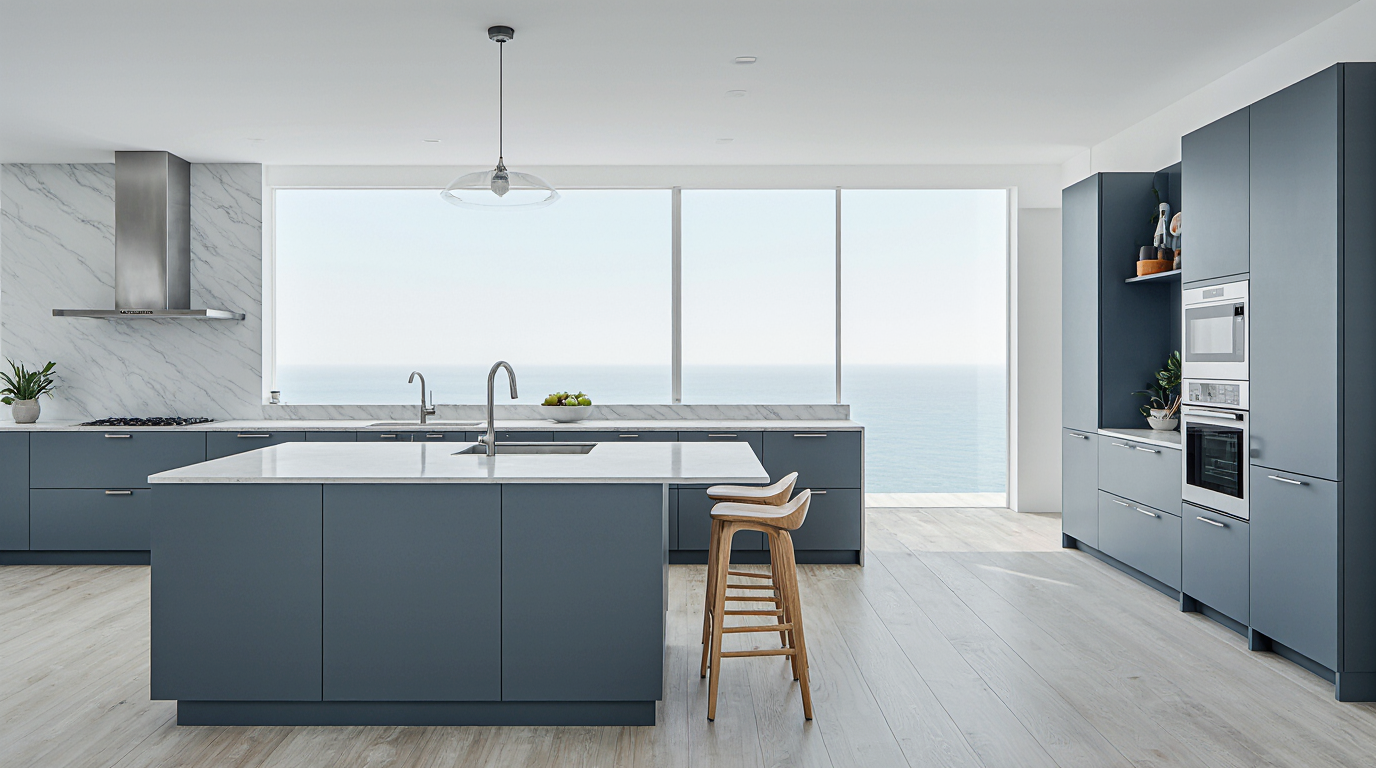
Strategic color selection defines the atmosphere and energy of culinary spaces. Neutral tones like white, gray, and beige remain popular for creating a bright, spacious feel, while bold accent colors can introduce personality and energy. Decorative surfaces and cabinet treatments allow controlled experimentation with tones and textures. Incorporating subtle seasonal or fashion-forward elements refreshes the space and modernizes its style. A well-coordinated color palette not only enhances aesthetic appeal but also contributes to the kitchen’s overall ambiance, making it a space where functionality and style coexist seamlessly.
Intelligent home systems increasingly shape efficient, modern culinary environments. Connected appliances and automated systems streamline operations, improve resource usage, and simplify tasks. Monitoring and automation tools empower users to manage tasks efficiently, reducing stress and effort in the kitchen. Adoption of smart systems during renovation maintains up-to-date functionality, enhancing lifestyle convenience while preserving aesthetic appeal.
Eco-conscious practices are essential for modern kitchen planning. Choosing green materials and appliances fosters sustainability while maintaining high design standards. Sustainable design does not compromise style; instead, it encourages thoughtful selection of materials and finishes that are durable, attractive, and responsibly sourced. Integrating sustainable methods demonstrates care for both home quality and ecological responsibility, ensuring long-term functionality and aesthetics.
Financial planning remains central to effective and realistic kitchen redesigns. Homeowners must balance design ambitions with practical financial planning, prioritizing investments that offer long-term benefits. Design professionals guide material and layout choices to combine affordability with superior visual and functional outcomes. Effective financial oversight, material strategy, and staged renovation ensure project completion on time, on budget, and with exceptional results.
Thoughtful kitchen transformation creates spaces that are efficient, elegant, and socially engaging. Coordinated planning of space, surfaces, illumination, and smart features fosters functional and attractive culinary zones. Expert input, meticulous detailing, and trend-conscious decisions result in kitchens that are both operational and aesthetically refined. All design decisions converge to create a harmonious, efficient, and visually captivating space, transforming the kitchen into the centerpiece of the home.