Kitchen Cabinet Redo Costs: Your Ultimate Guide to Renovation
During the planning of a kitchen remodel, updating kitchen cabinets represents one of the most impactful and cost-sensitive improvements. The design and quality of cabinets influence the entire kitchen experience, including addressing damaged elements, upgrading finishes, or installing a more functional layout. A clear grasp of all cost factors ensures smoother planning and execution.
Material choice is a primary driver of kitchen cabinet redo expenses, opting for solid wood elevates both investment and quality, budget-conscious homeowners often prefer MDF or laminate finishes for cost-effective aesthetics. The chosen finish can significantly raise or lower the overall expense, as a high-quality painted finish often requires multiple professional coats, increasing labor costs but delivering a superior result.
Labor constitutes a substantial portion of cabinet redo costs, experienced technicians manage door removal, surface preparation, and hardware installation with exacting standards, with rates varying based on complexity and regional market. Enhancements such as interior organizers or decorative trim contribute to usability and design but come at extra cost, investing in expertise protects your project against errors and reduces long-term maintenance.
Project scope dramatically affects cabinet redo pricing, updating hardware and panels is far cheaper than full custom cabinet builds, refacing avoids the higher expense of total replacement without sacrificing style. Replacement is essential for cabinets with severe wear to ensure safety and durability.
Bespoke cabinet features elevate expenses because of tailored design requirements, including pull-out pantry units, deep drawers, and integrated lighting that enhance usability and aesthetics. While off-the-shelf options are cheaper, custom solutions deliver unmatched functionality and aesthetic harmony.
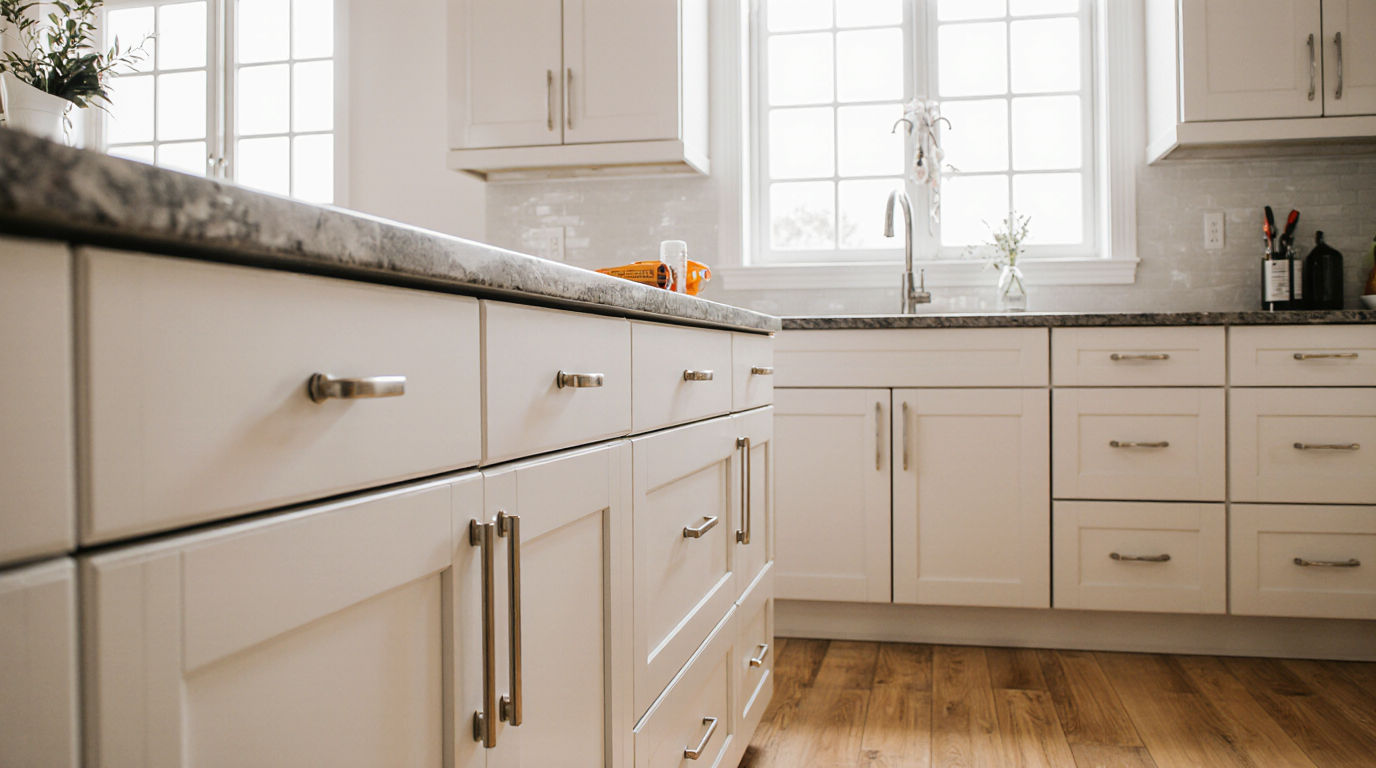
Regional differences in contractor pricing and supply chain affect total expenses, urban centers often demand premium pricing compared to smaller towns, choosing locally available high-quality wood minimizes transport costs, whereas imported options raise the price. Homeowners should obtain several estimates to balance cost, quality, and timelines. Upgraded cabinet hardware can enhance usability, appearance, and long-term durability, with high-end options offering smoother operation and longer lifespan. Incorporating functional hardware improvements ensures practicality while controlling costs.
Timing and project management influence both cost and efficiency, scheduling renovations during off-peak periods or coordinating with other work prevents unforeseen expenses. Reputable contractors provide precise timelines and handle logistics, ensuring high-quality execution. Sustainability and durability affect long-term value and upfront investment, with premium materials and craftsmanship enhancing both aesthetic appeal and resale value. Energy-efficient and environmentally friendly materials reduce carbon footprint and support long-term investment.
Creating a detailed budget ensures all aspects of cabinet redo are covered, including materials, labor, customization, hardware, and potential contingencies. Working with transparent, experienced contractors transforms vision into reality, producing a kitchen that balances functionality, style, and long-term value. Investing in cabinetry upgrade reshapes both aesthetic and functional aspects of the kitchen, through careful evaluation of materials, labor, customization, hardware, location, and sustainability. Whether choosing refacing, full replacement, or custom solutions, understanding cost intricacies ensures a well-planned project with lasting results.