Redoing Your Kitchen Cabinets: Balancing Cost, Style, and Practicality
Grasping the financial implications of a kitchen cabinet redo is crucial for those seeking a blend of design elegance and practical usability. Cabinetry serves as a cornerstone for kitchen aesthetics, representing a substantial investment that affects both visual appeal and functionality. Costs fluctuate based on whether homeowners pursue complete cabinet replacement, partial refacing, or just updating hardware and door fronts. Homeowners looking to elevate their kitchen often face the choice between a complete overhaul, which involves removing old cabinetry and installing new units, or a more cost-effective cabinet refacing, which can refresh the space without the labor-intensive process of demolition.
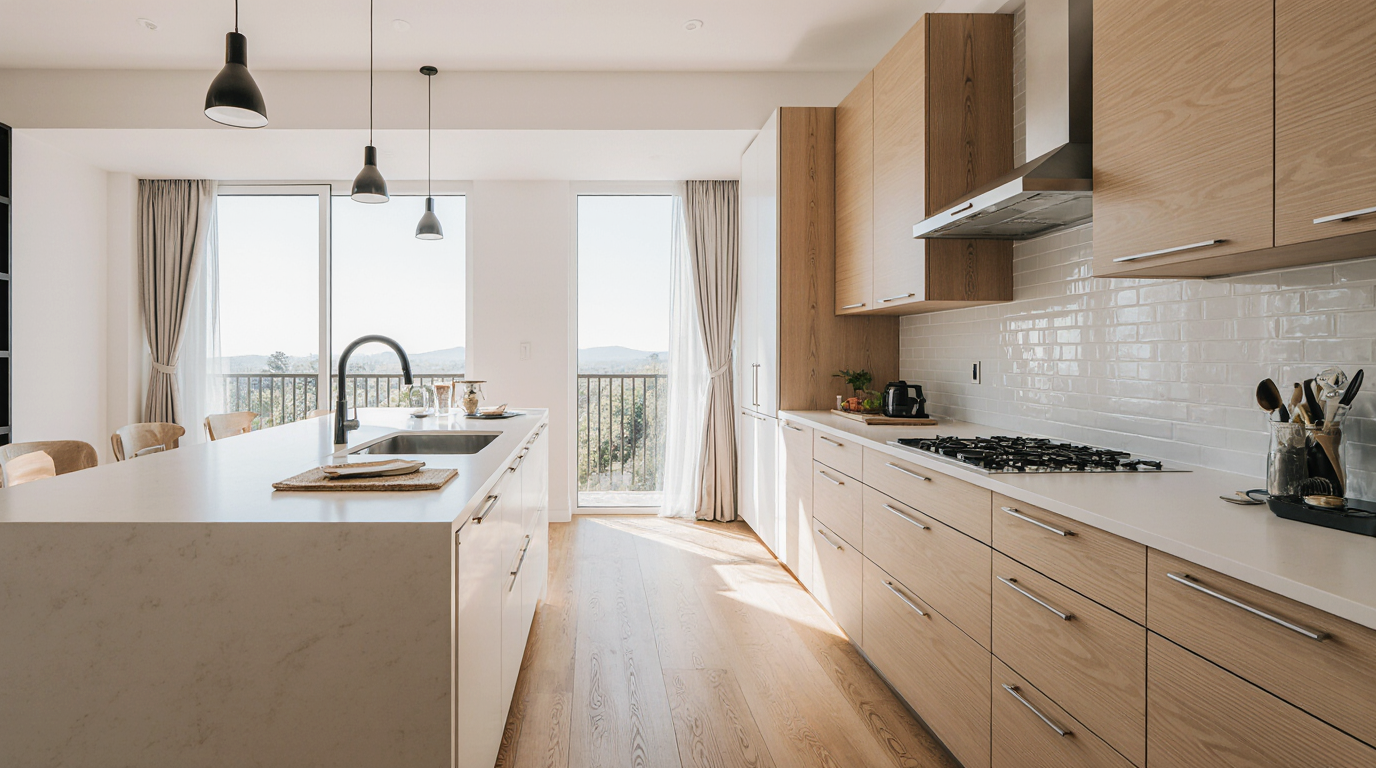
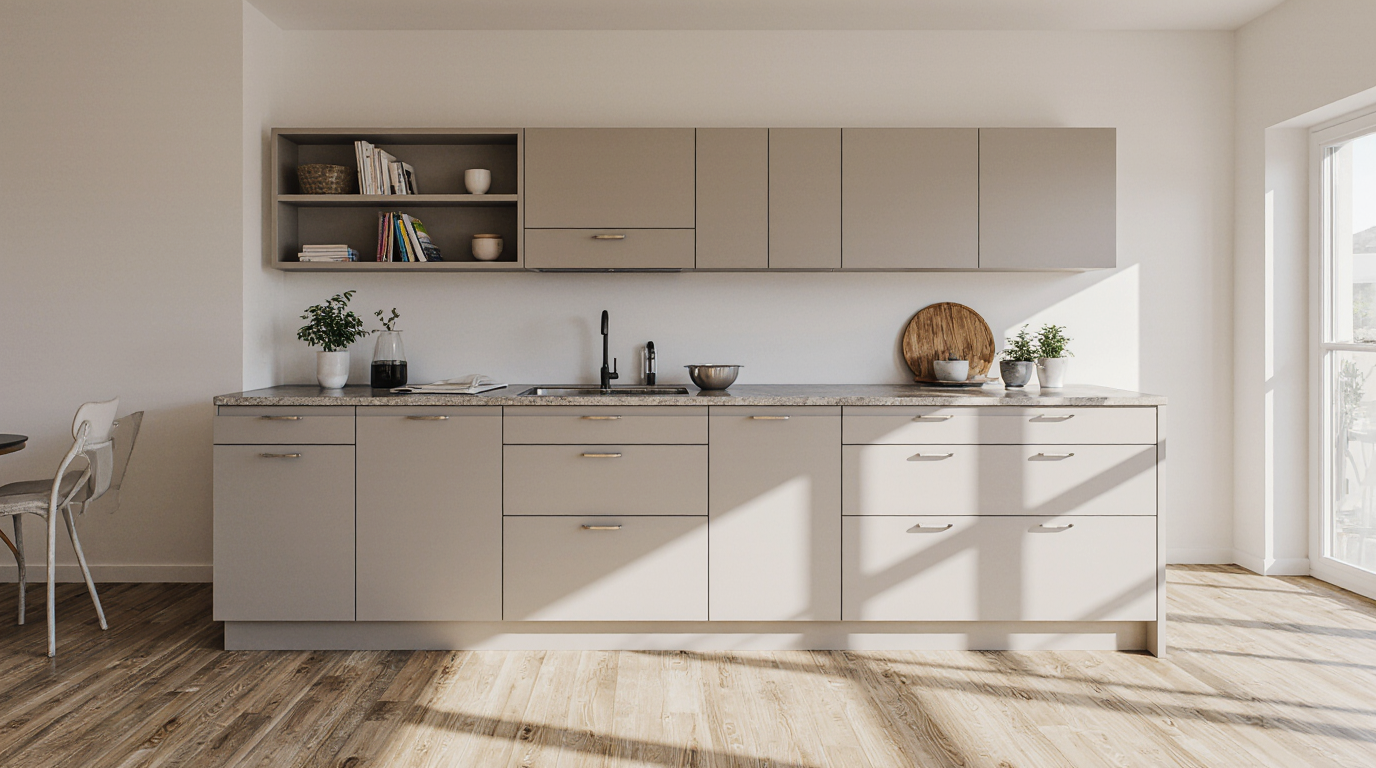
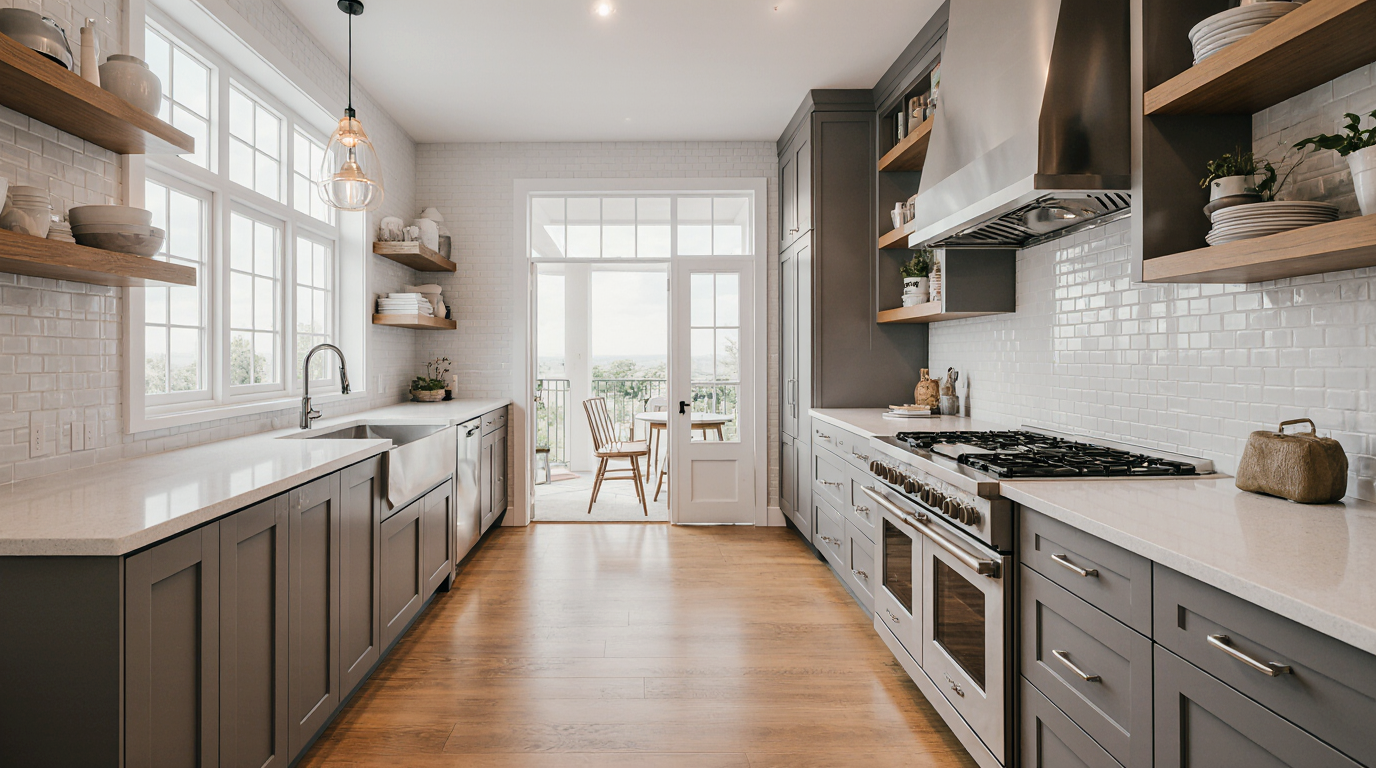
Cabinetry materials significantly impact both cost and aesthetic outcome in a kitchen remodel. Solid wood cabinets, such as maple or oak, command higher prices but offer durability and a premium appearance that can increase home value. Cost-conscious homeowners may opt for laminate or engineered wood, gaining versatility and aesthetics at a reduced price. Understanding the differences in material costs is vital for planning a project that meets both financial and aesthetic goals. Additionally, finishes such as stains, paints, or glazes impact the overall expense and can drastically change the look of the kitchen, providing opportunities for customization that reflect personal style.
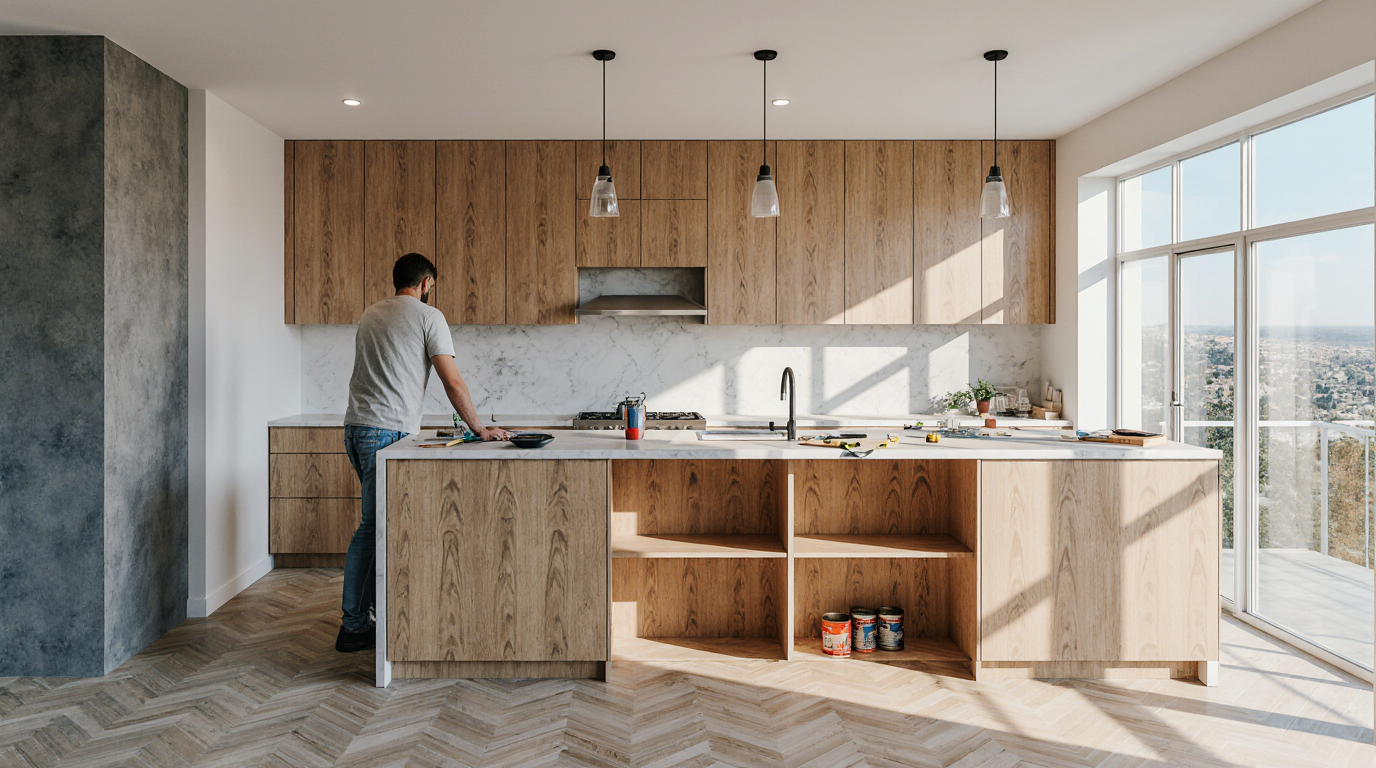
Labor requirements and contractor expertise can considerably affect the final price of a kitchen cabinet redo. Expert installation delivers superior results, minimizing mistakes and ensuring longevity, though it requires higher investment. Experienced installers can complete a refacing project in a fraction of the time it takes to install entirely new cabinets, often reducing labor costs by 30-50%. DIY projects can save money but carry risks of mistakes and extended timelines, influencing total costs. Engaging a trusted contractor with expertise in kitchen cabinet remodels guarantees a smoother process and often includes warranties or guarantees for both labor and materials, adding peace of mind to the investment.
The design and layout of the kitchen significantly impact the average cost to redo kitchen cabinets. Expansive kitchens with detailed layouts naturally drive higher remodeling expenses. Simpler kitchen designs enable faster installation and fewer materials, minimizing financial outlay. Specialty elements elevate usability and comfort while incrementally increasing costs.
Refacing existing cabinets can save significant money while updating the kitchen’s look. Refacing involves keeping the existing cabinet boxes while replacing doors, drawer fronts, and hardware, often reducing costs by 50-70% compared to full replacement. Refacing provides a streamlined renovation path that enhances style without compromising cabinet durability. Sustainability-minded homeowners benefit from this approach due to decreased disposal and resource usage.
Hardware and accessories can significantly influence the overall redo my kitchen cabinets cost. Upgrading handles, knobs, hinges, and drawer slides may seem like a minor adjustment, but the right selections can dramatically alter the kitchen’s appearance and functionality. Premium knobs, handles, and slides enhance durability and create a polished, cohesive look. Smart storage solutions optimize space and workflow, increasing both functional and aesthetic value.
Regional labor rates and material availability influence final pricing. Local market conditions, including contractor fees and material supply, determine the final cost framework. Timing projects to avoid peak demand maximizes cost-efficiency and resource availability. Researching local suppliers, comparing quotes from multiple contractors, and considering the lead time for custom cabinetry can help homeowners make informed decisions that align with their budget and timeline.
Properly planned cabinet renovations elevate style, efficiency, and home valuation. Homeowners seeking a return on investment should weigh the options between full replacement, refacing, and door or hardware upgrades carefully. Strategic choices in materials, design, labor, and accessories can optimize both cost-effectiveness and aesthetic impact. By focusing on quality craftsmanship, durable materials, and thoughtful design, the kitchen becomes a central feature of the home that marries practicality with style.
Comprehending detailed cost factors enables informed planning for effective and stylish remodels. From selecting the ideal material to choosing professional installation services and upgrading hardware, every decision influences the final outcome. Well-planned cabinet upgrades deliver practical convenience, aesthetic charm, and long-term property value. Strategically executed remodels maximize investment, combining beauty, usability, and increased home valuation.