Upgrading kitchen cabinets often completely revitalize the feel of a residence, giving an outdated kitchen a modern, elegant look while avoiding the need for a total renovation. Expenses for upgrading kitchen cabinets fluctuate greatly, depending on factors such as materials chosen, kitchen size, and cabinet condition. Understanding these costs helps homeowners make informed decisions while maximizing ROI, as kitchen upgrades consistently boost overall property value.
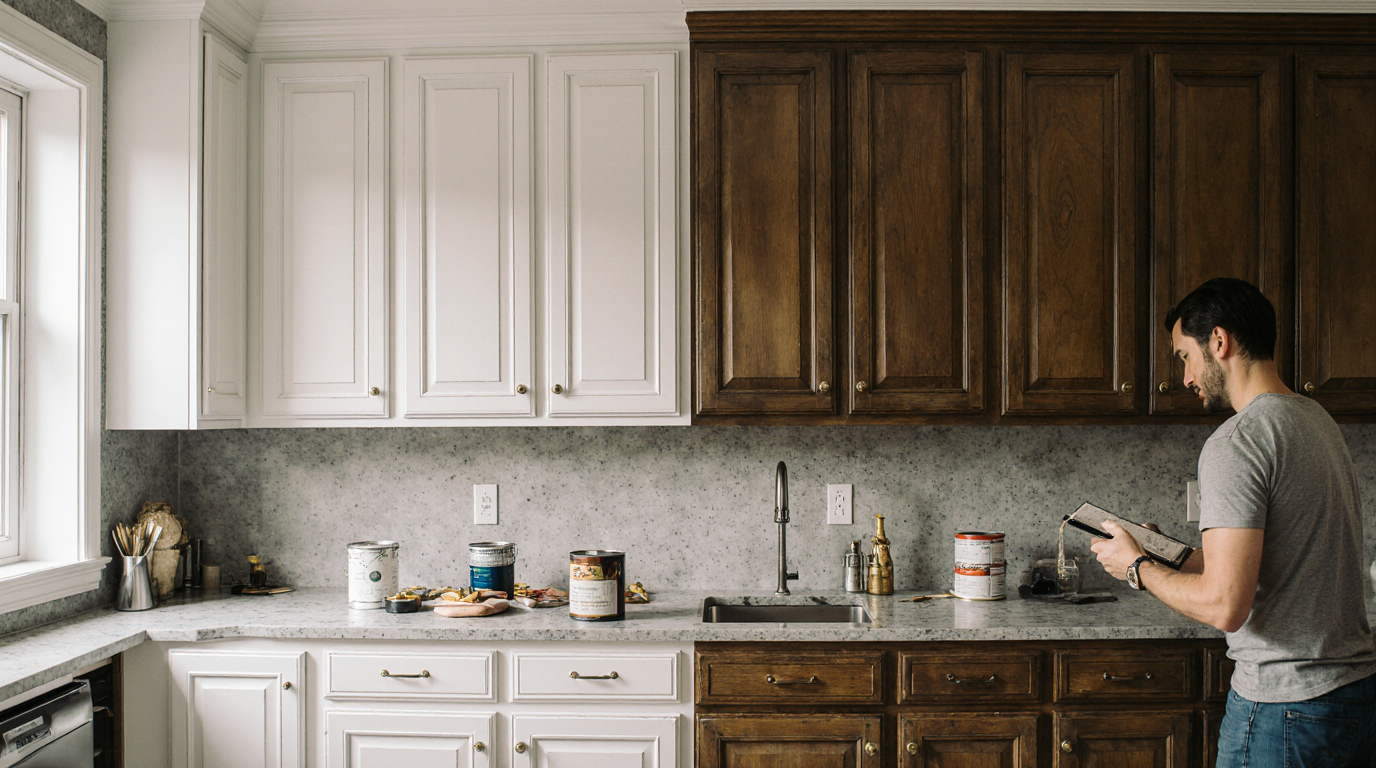
Most homeowners start by considering cabinet refinishing, which remains among the least costly ways to refresh a kitchen. This process involves sanding, priming, and repainting or staining existing surfaces. For individuals whose cabinets are structurally solid yet visually outdated, refinishing can cost between $1,500 and $4,000 depending on kitchen size. Using high-quality paints and skilled professionals provides durability, with a smooth, factory-like appearance. Although it’s a more budget-conscious option, it still demands skilled labor for long-lasting results.
Another popular method is cabinet refacing, which offers a new look at a fraction of replacement cost. Refacing involves replacing doors and drawer fronts while covering boxes with new veneer. Generally, costs fall between roughly $4K to $9K, depending on material used—wood veneer being more expensive than laminate. It allows updating style, color, and hardware without full replacement. It’s faster and creates minimal mess or downtime compared to total remodels.
For homeowners seeking a complete transformation, cabinet replacement is the most extensive and costly option. Costs typically fall between $8K–$20K or more depending on craftsmanship and materials. Ready-made cabinets offer economical solutions, while semi-custom and custom models offer superior fit and features. Custom cabinetry typically offers advanced elements such as pull-out organizers, LED lighting, and soft-close systems, creating a functional yet luxurious space.
The materials chosen strongly influence cost. Solid wood like oak, maple, or cherry is durable but pricier. Laminate and medium-density fiberboard serve as affordable alternatives that mimic wood finishes. Sustainable materials such as bamboo are growing trends, adding sustainability and texture to the kitchen.
Labor and craftsmanship also shape overall expenses. Hiring skilled experts guarantees accuracy, durability, and polished results. While DIY projects may save money at first, they risk chipping paint. Expert refinishing ensures higher value through expertise. Hardware and accessories influence overall cost and look. Upgrading handles and hinges or installing pull-outs elevates aesthetic and usability. Premium options like brushed nickel fittings cost more yet add sophistication. Average costs for new handles and knobs fall between $200 and $600, a small price for big visual impact.
Location and trends further affect pricing. Homeowners in metropolitan areas often pay slightly more due to contractor demand. Getting multiple quotes ensures transparency and fair pricing. Modifying kitchen layouts will raise project budgets. Moving plumbing or walls adds expenses and requires coordination. Keeping the same layout saves money, but long-term upgrades can enhance home value.
ROI is a crucial consideration. Cabinet upgrades recoup 70–80% of their cost on resale, placing them among the smartest home improvement choices. Modernized kitchens attract buyers, increasing both resale value and buyer interest. Timing and planning influence savings. Scheduling updates during off-peak seasons may reduce labor costs. Ordering supplies ahead of time or during sales cuts costs. Factoring in drywall fixes prevents unexpected expenses and delays.
Modern style preferences affect aesthetic and financial choices. Slab-front minimalist cabinets and dual-color finishes are popular. Choosing neutral designs offers sustained value and reduces the need for frequent updates.
Understanding the true cost of updating kitchen cabinets helps homeowners balance budget, design, and durability. Whether you choose to repaint, reface, or rebuild, each path delivers unique advantages. Working with experienced professionals delivers optimal results while boosting resale potential. The kitchen is more than just a functional space—it’s the emotional core of the home. Investing smartly on cabinet updates improves aesthetic and daily utility. Through careful planning and premium finishes, property owners realize beautiful kitchen transformations.